- English
- French
- German
- Portuguese
- Spanish
- Russian
- Japanese
- Korean
- Arabic
- Irish
- Greek
- Turkish
- Italian
- Danish
- Romanian
- Indonesian
- Czech
- Afrikaans
- Swedish
- Polish
- Basque
- Catalan
- Esperanto
- Hindi
- Lao
- Albanian
- Amharic
- Armenian
- Azerbaijani
- Belarusian
- Bengali
- Bosnian
- Bulgarian
- Cebuano
- Chichewa
- Corsican
- Croatian
- Dutch
- Estonian
- Filipino
- Finnish
- Frisian
- Galician
- Georgian
- Gujarati
- Haitian
- Hausa
- Hawaiian
- Hebrew
- Hmong
- Hungarian
- Icelandic
- Igbo
- Javanese
- Kannada
- Kazakh
- Khmer
- Kurdish
- Kyrgyz
- Latin
- Latvian
- Lithuanian
- Luxembou..
- Macedonian
- Malagasy
- Malay
- Malayalam
- Maltese
- Maori
- Marathi
- Mongolian
- Burmese
- Nepali
- Norwegian
- Pashto
- Persian
- Punjabi
- Serbian
- Sesotho
- Sinhala
- Slovak
- Slovenian
- Somali
- Samoan
- Scots Gaelic
- Shona
- Sindhi
- Sundanese
- Swahili
- Tajik
- Tamil
- Telugu
- Thai
- Ukrainian
- Urdu
- Uzbek
- Vietnamese
- Welsh
- Xhosa
- Yiddish
- Yoruba
- Zulu
Industrial Vacuum Furnace
Operating Temperature: 100-1300℃
Dimensions: 500-50000mm
Application: Heat treatment of metal parts
Minimum Order Quantity: 1 unit
Customization: Supports on-demand customization, ODM/OEM customization
Packaging: Standard export container, customization supported
Industrial Vacuum Furnace: Precision Heat Treatment in Controlled Atmosphere
When you're processing high-value alloys or require contamination-free metallurgical transformations, an Industrial Vacuum Furnace delivers the solution. Operating within a hermetically sealed chamber at sub-atmospheric pressure (typically 10⁻² to 10⁻⁵ mbar), this equipment eliminates surface oxidation and decarburization that plague conventional atmospheric furnaces. Our systems achieve working temperatures from 100°C to 1,300°C with ±3°C uniformity across the heating zone, processing chamber dimensions ranging from 500mm to 50,000mm to accommodate diverse workload sizes. The vacuum environment ensures bright-finish surfaces on tool steels, titanium alloys, and superalloys without secondary cleaning operations, reducing your total processing cost by up to 30% while maintaining dimensional tolerances within ±0.02mm for critical aerospace and medical components.
How Vacuum Heat Treatment Works?
The center guideline includes three facilitated frameworks working together.
Vacuum Chamber Construction
The double-walled vessel highlights water-cooled external shells (cold-wall plan) keeping up basic astuteness whereas internal warming components reach handling temperatures. High-grade stainless steel development anticipates outgassing defilement. Different vacuum ports interface to revolving vane and dissemination pump combinations, accomplishing base weights underneath 10⁻⁴ mbar inside 45 minutes.
Heating and Control System
Resistance warming components, regularly molybdenum or graphite for high-temperature applications, disperse warm vitality consistently. PLC-based controllers execute programmable slopes and splashes, with multi-zone thermocouples giving real-time input. The closed-loop framework compensates for warm slack consequently, keeping up setpoint precision all through amplified cycles.
Gas Extinguishing Module
After warm treatment, pressurized dormant gasses (nitrogen or argon) surge the chamber at controlled stream rates. This fast cooling instrument, movable from 0.5°C/s to 15°C/s depending on gas weight and fan arrangement, replaces conventional oil extinguishing whereas killing fire dangers and twisting dangers.
Key Performance Advantages
Metallurgical Quality
You'll accomplish surface hardness advancements of 15-25% compared to air handling due to killed decarburization. The nonattendance of oxygen avoids intergranular oxidation in nickel-based superalloys, basic for turbine edge applications requiring 1,000+ hour benefit life at raised temperatures.
Process Flexibility
Single gear handles numerous forms: vacuum brazing of warm exchangers, sintering of powder metallurgy parts, shinning toughening of stainless steel, and low-pressure carburizing. This multi-functionality decreases your capital hardware speculation and floor space requirements.
Energy Efficiency
Composite fiber separator and ultra-lightweight microsphere vacuum bricks decrease warm misfortune by 40% versus conventional hard-headed brick heaters. Normal control utilization ranges from 30kW to 200kW depending on chamber estimate, with standby misfortunes beneath 2kW due to prevalent warm barriers.
Operational Safety
Sealed preparing dispenses with administrator presentation to dangerous environments like smelling salts or cyanide-based carburizing gasses. Interlocked entryway frameworks anticipate opening beneath vacuum or raised temperature conditions, assembly worldwide security benchmarks.
Technical Specifications
|
Parameter
|
Value/Range
|
|
Operating Temperature
|
100°C – 1,300°C
|
|
Temperature Uniformity
|
±3°C (per AMS 2750)
|
|
Vacuum Level
|
10⁻² to 10⁻⁵ mbar
|
|
Chamber Dimensions
|
500mm – 50,000mm (custom)
|
|
Heating Rate
|
5°C/min – 20°C/min
|
|
Cooling Rate (Gas Quench)
|
0.5°C/s – 15°C/s
|
|
Power Supply
|
380V/50Hz (configurable)
|
|
Control System
|
Siemens/Omron PLC with HMI
|
|
Pump Configuration
|
Rotary + Diffusion (or Roots)
|
|
Insulation Type
|
Composite fiber + microsphere brick
|
Common Applications Across Industries
Aviation Components
Turbine edges, landing adapt, and auxiliary clasp experience arrangement treatment and maturing cycles. The vacuum environment anticipates alpha-case arrangement on titanium combinations, keeping up weakness resistance for safety-critical parts.
Tool and Kick the bucket Manufacturing
High-speed steel cutting apparatuses and hot-work kicks the bucket get solidifying and treating medications. Shinning surfaces dispose of crushing steps, decreasing generation time by 20-30% whereas expanding instrument life through optimized carbide precipitation.
Medical Gadget Production
Surgical disobedient and orthopedic inserts made from 17-4PH or cobalt-chrome combinations require sterile, oxide-free surfaces. Vacuum handling guarantees biocompatibility compliance with FDA and ISO 13485 standards.
Automotive Sector
Gears, shafts, and valve prepare components advantage from low-pressure carburizing, accomplishing case profundities of 0.8-1.5mm with negligible twisting. This handle diminishes post-machining stipends and progresses transmission productivity.
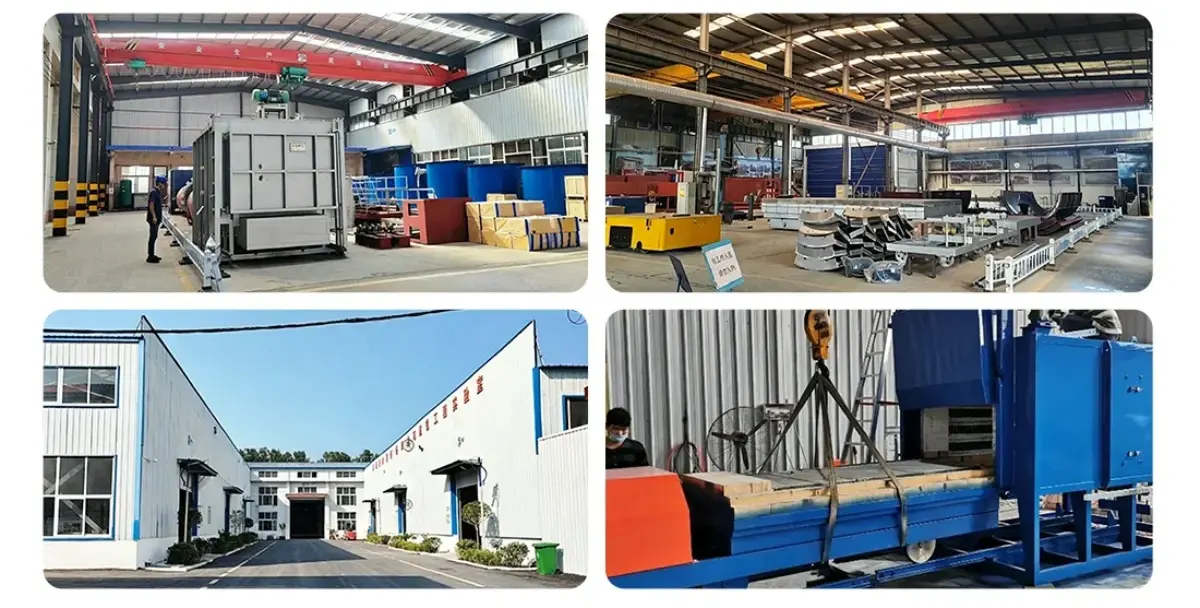
Why Choose Hebei Bolin Electric Furnace Manufacturing?
Since our establishment in 2022, we've focused exclusively on industrial thermal processing equipment. Our engineering team brings decades of combined experience in Industrial Vacuum Furnace design and metallurgical process development.
Customization Capability
We give ODM and OEM administrations based on your specialized drawings and handle prerequisites. Chamber measurements, warming setups, and control framework details adjust to your particular generation needs, whether preparing little exactness parts or huge auxiliary components.
Delivery and Support
Production lead times extend from 10 to 40 days depending on framework complexity. Each heater experiences manufacturing plant acknowledgment testing counting temperature consistency studies and spill rate confirmation some time recently shipment. We give on-site establishment, commissioning help, and administrator training.
Quality Manufacturing
Located in Zhenggang Mechanical Stop, our office coordinating CNC machining, welding, and get together operations beneath one roof. This vertical integration guarantees reliable quality control and speedier reaction to custom alteration requests.
Maintenance Considerations
Regular upkeep guarantees reliable execution over 15-20 year benefit life.
Vacuum Seal Inspection
Check entryway O-rings some time recently each cycle. Apply high-vacuum oil month to month to avoid warm weariness splits. Supplant seals yearly or when spill rates surpass 5×10⁻³ mbar·L/s.
Thermocouple Calibration
Verify temperature exactness quarterly utilizing reference measures. Ceaseless operation close most extreme appraised temperature quickens sensor float; arrange substitution each 18-24 months for basic applications.
Pump Maintenance
Change rotating pump oil each 500 working hours. Review dissemination pump liquid levels month to month. Clean cold traps quarterly to expel condensed contaminants influencing extreme vacuum levels.
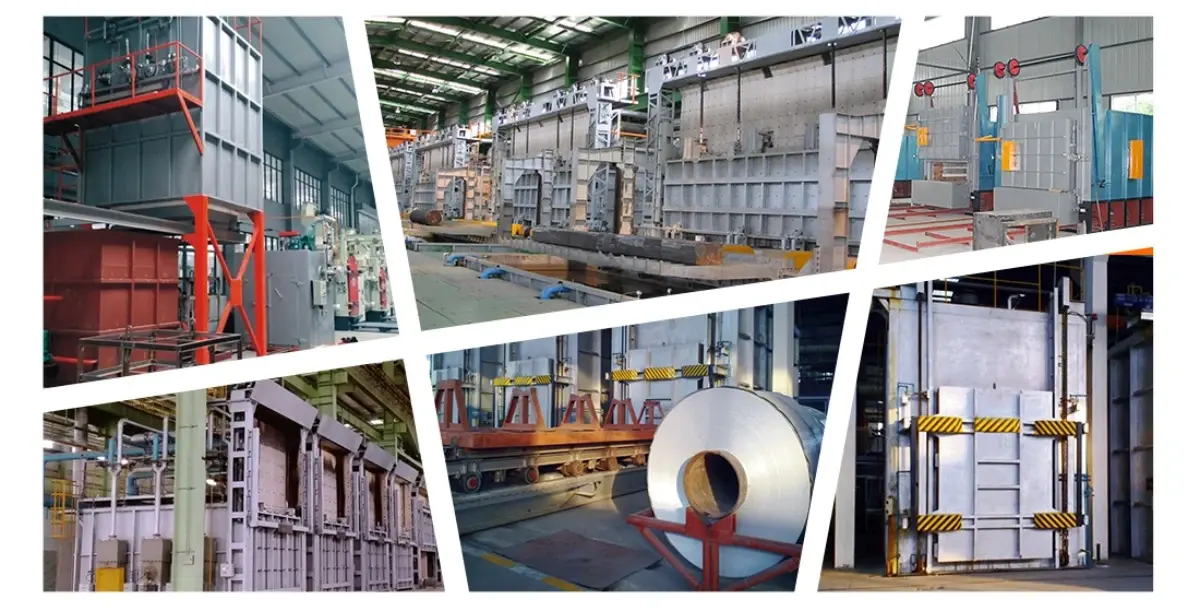
Frequently Asked Questions
What materials can you handle in a vacuum furnace?
Tool steels (H13, D2), stainless steels (17-4PH, 316L), titanium amalgams (Ti-6Al-4V), nickel superalloys (Inconel 718), and aluminum combinations all advantage from vacuum preparing. Fabric choice depends on your required mechanical properties and benefit conditions.
How does vacuum treatment compare to salt shower processing?
Vacuum dispenses with dangerous squander transfer related with salt showers whereas giving superior dimensional control. Be that as it may, salt showers offer speedier warming rates for high-volume generation. Your choice depends on portion geometry, generation volume, and natural regulations.
Can you coordinated the heater with our existing generation line?
Yes. We plan interface conventions congruous with upstream cleaning frameworks and downstream assessment hardware. Computerized stacking frameworks and SCADA integration empower lights-out operation for high-volume manufacturing.
What decides cycle time for a ordinary warm treatment?
Workload mass, required case profundity, and cooling rate details drive add up to cycle time. A ordinary solidifying cycle for 100kg of apparatus steel components takes 6-8 hours counting vacuum pumpdown, warming to 1,050°C, splash period, and gas extinguish to underneath 150°C.
Do you give handle improvement support?
Our applications engineers help with starting formula advancement based on fabric determinations and wanted results. We prescribe trial runs utilizing test parts to approve temperature profiles and extinguish rates some time recently full generation execution.
Contact Us
When you need reliable vacuum heat treatment equipment that delivers consistent metallurgical results, contact our technical team at 15720259172@163.com. We'll discuss your specific application requirements and recommend the optimal Industrial Vacuum Furnace configuration for your operation.
Learn about our latest products and discounts through SMS or email