- English
- French
- German
- Portuguese
- Spanish
- Russian
- Japanese
- Korean
- Arabic
- Irish
- Greek
- Turkish
- Italian
- Danish
- Romanian
- Indonesian
- Czech
- Afrikaans
- Swedish
- Polish
- Basque
- Catalan
- Esperanto
- Hindi
- Lao
- Albanian
- Amharic
- Armenian
- Azerbaijani
- Belarusian
- Bengali
- Bosnian
- Bulgarian
- Cebuano
- Chichewa
- Corsican
- Croatian
- Dutch
- Estonian
- Filipino
- Finnish
- Frisian
- Galician
- Georgian
- Gujarati
- Haitian
- Hausa
- Hawaiian
- Hebrew
- Hmong
- Hungarian
- Icelandic
- Igbo
- Javanese
- Kannada
- Kazakh
- Khmer
- Kurdish
- Kyrgyz
- Latin
- Latvian
- Lithuanian
- Luxembou..
- Macedonian
- Malagasy
- Malay
- Malayalam
- Maltese
- Maori
- Marathi
- Mongolian
- Burmese
- Nepali
- Norwegian
- Pashto
- Persian
- Punjabi
- Serbian
- Sesotho
- Sinhala
- Slovak
- Slovenian
- Somali
- Samoan
- Scots Gaelic
- Shona
- Sindhi
- Sundanese
- Swahili
- Tajik
- Tamil
- Telugu
- Thai
- Ukrainian
- Urdu
- Uzbek
- Vietnamese
- Welsh
- Xhosa
- Yiddish
- Yoruba
- Zulu
Refractory Bricks
Item No. LZ-80 LZ-75 LZ-70 LZ-65 LZ-55
Chemical Composition/% Al2O3 ≥80 ≥75 ≥70 ≥65 ≥55
Apparent Porosity % 22 (23) 24 (26) 24 (26) 26 (28) 26 (28)
Bulk Density g/cm3 ≥2.7 ≥2.5 ≥2.4 ≥2.3 ≥2.2
Load Softening Temperature/℃ 0.2MPa 1530 1520 1510 1500 1450
Permanent Linear Change Upon Heating 1450℃*2h -0.4~0.1 -0.4~0.1 -0.4~0.1 -0.4~0.1 -0.4~0.1
Room Temperature Compressive Strength MPa ≥70 (60) ≥60 (50) ≥55 (45) ≥50 (40) ≥45 (40)
High-Performance Refractory Bricks for Industrial Furnace Linings
When your furnace lining fails prematurely, production stops and costs escalate. Our Refractory Bricks deliver exceptional thermal stability with Al₂O₃ content ranging from 55% to 80%, ensuring refractoriness above 1,580°C and load softening temperatures reaching up to 1,530°C. These high-alumina bricks feature bulk densities between 2.2 and 2.7 g/cm³, providing superior mechanical strength and thermal shock resistance. With a permanent linear change of just -0.4% to 0.1% at 1,450°C for 2 hours, they maintain dimensional stability throughout extended thermal cycles. You get reliable protection against chemical attack, reduced energy loss, and extended furnace service life in demanding steelmaking, cement production, and petrochemical environments.
Technical Specifications
|
Item No.
|
LZ-80
|
LZ-75
|
LZ-70
|
LZ-65
|
LZ-55
|
|
Al₂O₃ Content (%)
|
≥80
|
≥75
|
≥70
|
≥65
|
≥55
|
|
Apparent Porosity (%)
|
22 (23)
|
24 (26)
|
24 (26)
|
26 (28)
|
26 (28)
|
|
Bulk Density (g/cm³)
|
≥2.7
|
≥2.5
|
≥2.4
|
≥2.3
|
≥2.2
|
|
Load Softening Temp. (℃) @ 0.2MPa
|
1530
|
1520
|
1510
|
1500
|
1450
|
|
Permanent Linear Change @ 1450℃×2h (%)
|
-0.4~0.1
|
-0.4~0.1
|
-0.4~0.1
|
-0.4~0.1
|
-0.4~0.1
|
|
Compressive Strength at Room Temp. (MPa)
|
≥70 (60)
|
≥60 (50)
|
≥55 (45)
|
≥50 (40)
|
≥45 (40)
|
How High-Alumina Bricks Work?
The execution of alumina-silicate headstrong materials depends on their microstructure and composition. When aluminum oxide substance increments, the crystalline stage gets to be more steady at lifted temperatures. This mineral lattice stands up to warm distortion beneath mechanical load.
During operation, the brick's thick body minimizes gas penetrability and avoids liquid slag entrance. The controlled porosity equalizations warm cover with basic unbending nature. When subjected to fast warming or cooling, the alumina grains assimilate warm push through micro-expansion, anticipating disastrous spalling.
The chemical solidness comes from the dormant nature of corundum precious stones. They stand up to acidic and impartial slags successfully. You can anticipate negligible disintegration indeed in oxidizing airs or when uncovered to soluble base vapors underneath basic edges.
Industrial Applications
Iron and Steel Production
Our bricks line blast furnace stacks, hot metal ladles, and electric arc furnace roofs. The high compressive strength handles abrasive molten iron flow. The low creep rate maintains wall geometry during continuous campaigns lasting 6 to 12 months.
Cement and Glass Manufacturing
In rotary cement kilns, these Refractory Bricks withstand mechanical rotation combined with aggressive calcium silicate and alkali attack. Glass tank regenerators benefit from stable refractoriness, ensuring consistent melt quality without contamination from lining degradation.
Petrochemical and Chemical Processing
Sulfur recovery units and catalytic crackers expose linings to corrosive hydrogen sulfide and thermal cycling. Our high-alumina grades provide a chemically inert barrier. This extends equipment life and reduces unplanned shutdowns.
Key Performance Advantages
Predominant Load-Bearing Capacity
Load softening temperatures over 1,500°C guarantee dimensional soundness beneath both dead weight and operational stretch. This avoids listing in heater rooftops and keeps up tight joints in sidewalls.
Excellent Warm Stun Stability
Rapid temperature vacillations amid startup and crisis shutdowns challenge most linings. Our bricks stand up to breaking through controlled warm development and tall malleable quality retention.
Low High-Temperature Creep
Extended introduction to warm and weight causes numerous materials to distort forever. The crystalline alumina stage locks the structure, minimizing misshapening rates over multi-year benefit intervals.
Acid and Antacid Resistance
While optimized for impartial to gently acidic situations, these bricks endure direct soluble introduction. This flexibility covers a wide run of mechanical forms without requiring specialized grades.
Why Choose Hebei Bolin Electric Furnace Manufacturing?
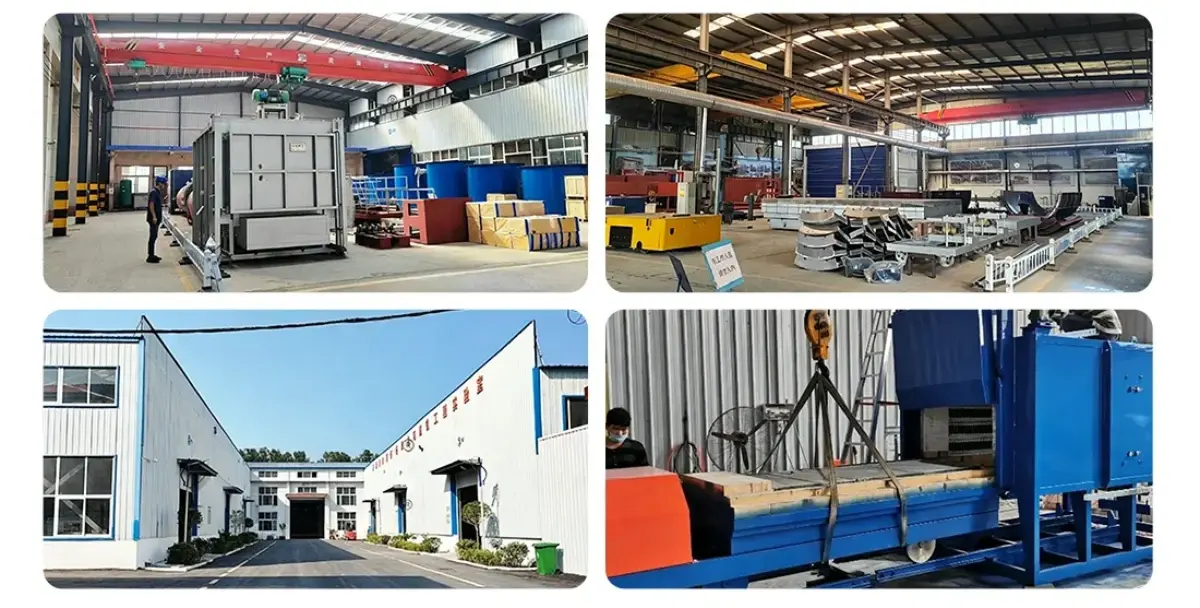
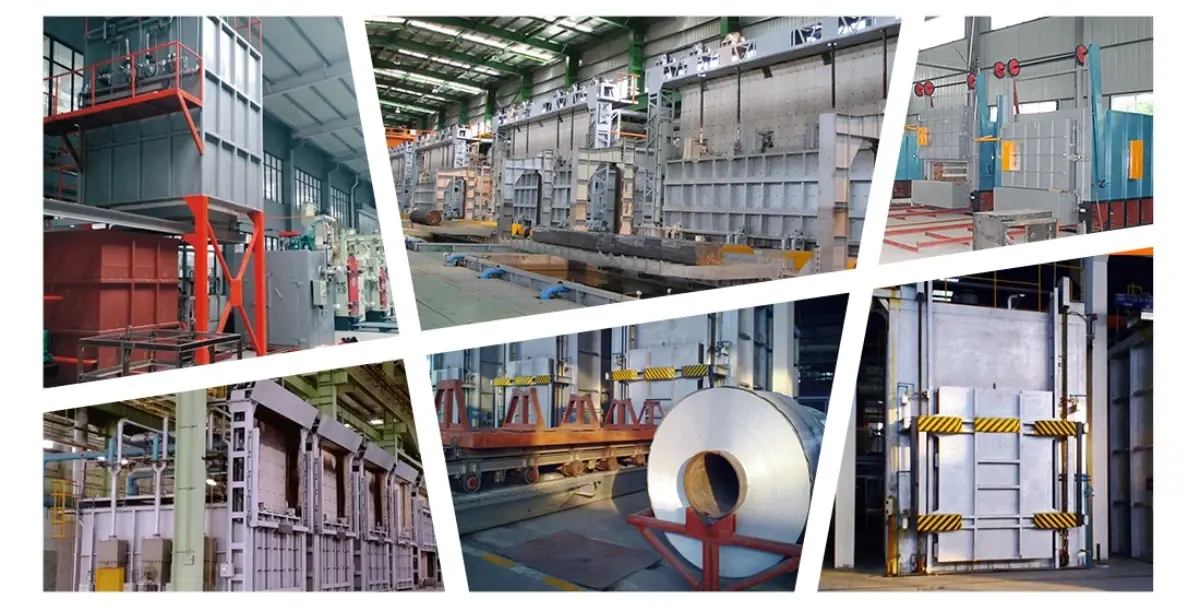
We make total warm frameworks, so we get it how lining materials coordinated with burner arrangements, control frameworks, and cooling circuits. Since 2022, our office in Zhenggang Mechanical Stop has combined fabric science mastery with heater designing knowledge.
Customization for Your Process
Send us your heater drawings and working conditions. We give custom fitted brick measurements and review suggestions. Our ODM and OEM administrations adjust to particular territorial guidelines or restrictive designs.
Fast Turnaround
Production lead times run from 10 to 40 days depending on arrange volume and custom prerequisites. We keep up key stock levels for standard grades to bolster critical replacements.
Comprehensive Support
Beyond fabric supply, we offer on-site establishment direction and commissioning back. Our specialized group helps with heat-up bend arranging to avoid moisture-related steam blasts. You moreover get a 1-year guarantee covering fabric surrenders and get to to support administrations for hardware overhauls.
Frequently Asked Questions
Q: Why do bricks in some cases break in the blink of an eye after installation?
A: Dishonorable drying causes held dampness to streak into steam, making inner weight. Continuously take after the manufacturer's heat-up plan, continuously raising temperature over 24 to 72 hours depending on lining thickness.
Q: How do I select between diverse alumina substance grades?
A: Select LZ-80 or LZ-75 for temperatures reliably over 1,400°C or when uncovered to acidic slag. LZ-55 or LZ-65 work well for reinforcement linings or applications underneath 1,300°C where taken a toll productivity matters.
Q: What causes untimely wear in lessening atmospheres?
A: Tall press oxide substance responds with carbon monoxide, shaping metallic press that debilitates the structure. Indicate low-Fe₂O₃ grades for coal-fired or lessening gas environments.
Q: How ought to I store bricks on-site some time recently installation?
A: Keep them in a secured, dry stockroom. Introduction to rain permits hydration of authoritative specialists, which can cause spalling when to begin with warmed. Palletized capacity anticipates edge harm amid handling.
Q: What test decides a brick's most extreme benefit temperature?
A: The Pyrometric Cone Identical (PCE) test measures the temperature at which a test misshapes beneath its possess weight. This standardized strategy gives solid comparison over providers.
Get Expert Assistance Today
Selecting the right Refractory Bricks refractory lining impacts your furnace efficiency, maintenance costs, and production uptime. Our engineering team reviews your operating parameters and recommends the optimal grade and installation method.
Contact us at 15720259172@163.com with your furnace type, operating temperature range, and annual throughput. We will respond within 24 hours with technical guidance and a detailed quotation tailored to your requirements.
Learn about our latest products and discounts through SMS or email