- English
- French
- German
- Portuguese
- Spanish
- Russian
- Japanese
- Korean
- Arabic
- Irish
- Greek
- Turkish
- Italian
- Danish
- Romanian
- Indonesian
- Czech
- Afrikaans
- Swedish
- Polish
- Basque
- Catalan
- Esperanto
- Hindi
- Lao
- Albanian
- Amharic
- Armenian
- Azerbaijani
- Belarusian
- Bengali
- Bosnian
- Bulgarian
- Cebuano
- Chichewa
- Corsican
- Croatian
- Dutch
- Estonian
- Filipino
- Finnish
- Frisian
- Galician
- Georgian
- Gujarati
- Haitian
- Hausa
- Hawaiian
- Hebrew
- Hmong
- Hungarian
- Icelandic
- Igbo
- Javanese
- Kannada
- Kazakh
- Khmer
- Kurdish
- Kyrgyz
- Latin
- Latvian
- Lithuanian
- Luxembou..
- Macedonian
- Malagasy
- Malay
- Malayalam
- Maltese
- Maori
- Marathi
- Mongolian
- Burmese
- Nepali
- Norwegian
- Pashto
- Persian
- Punjabi
- Serbian
- Sesotho
- Sinhala
- Slovak
- Slovenian
- Somali
- Samoan
- Scots Gaelic
- Shona
- Sindhi
- Sundanese
- Swahili
- Tajik
- Tamil
- Telugu
- Thai
- Ukrainian
- Urdu
- Uzbek
- Vietnamese
- Welsh
- Xhosa
- Yiddish
- Yoruba
- Zulu
How Can You Extend the Lifespan of a Gas Fired Pit Furnace?
You need preventative repair, operational discipline, and wise equipment selection to extend the life of your vertical thermal processing equipment. A well-kept Gas Fired Pit Furnace can last 15–25 years if you follow systematic check procedures, optimize combustion parameters, and repair early warning signals before they become costly problems. Knowing what elements affect equipment lifespan, including burner and refractory condition, and setting up methods to safeguard them throughout every working cycle is crucial.
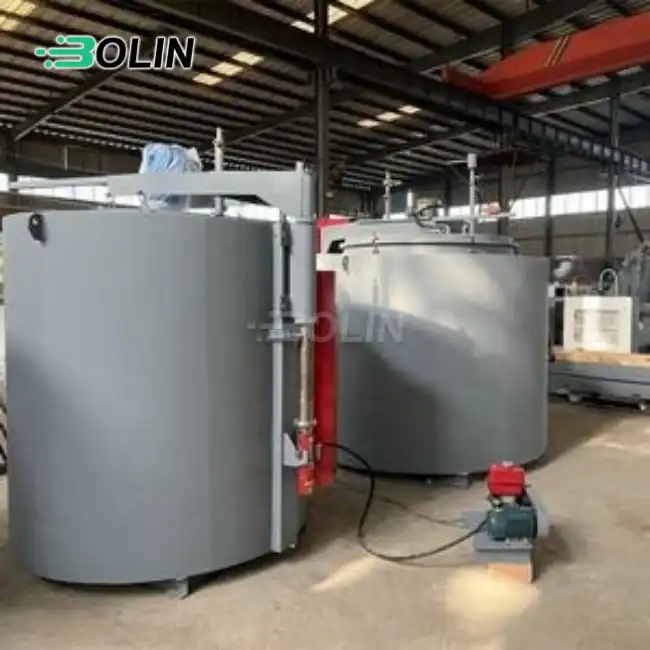
Understanding Common Factors That Affect Gas Fired Pit Furnace Lifespan
Thermal cycles, combustion byproducts, and mechanical stresses constantly stress industrial heating equipment. Finding out what harms your investment most rapidly might help you prioritize safety measures.
Internal Degradation Mechanisms
Gas-fired pit furnace design has issues. Refractory linings expand and contract multiple times during manufacture at room temperature to 1150°C. This abrupt temperature difference causes small fissures that grow. Heat loss increases when insulation becomes less effective. Ceramic fiber modules rated for 1260°C to 1430°C operate well when positioned properly. They degrade quicker if not adequately attached or subjected to hot flux splash. Burner components are continually exposed to fast-moving gases. Pulse-fired burners maintain flame patterns with regulated orifices and igniters. These apertures become blocked with carbon from incomplete combustion, creating hot patches and disrupting air-fuel balance. Overheating from flames on room walls damages refractory surfaces and strong steel supports. Regular combustion analysis using portable gas analyzers detects efficiency decline before it causes harm.
The control system runs your heat processing equipment. Per AMS2750G norms, multi-zone PID controllers maintain temperature uniformity within ±3°C. Sensor drift reduces precision. Grain development and rust break type K thermocouples cause measurement errors that waste energy. The recuperator heat exchanger, which heats exhaust air using combustion heat, accumulates scale and particle layers that obstruct airflow and reduce the Gas Fired Pit Furnace's 30% efficiency advantage over electric ones.
Environmental and Operational Stressors
Use beyond the manufacturer's guidelines accelerates wear. Even for a short period, exceeding temperature restrictions destroys ceramic fiber insulation and warps structural sections forever. Thermal mass increases when the chamber's capacity is exceeded, which slows cycle times and requires burners to fire at maximum power instead of moderating. The constant heat stresses fuel valves, blower motors, and ignition systems. The environment within your building matters. Dust covers heat exchangers and electrical equipment, causing overheating and early failure. Humidity corrodes steel frames and breaks down refractory binders in idle furnaces. After cooling, acidic condensates from sulfur-containing compounds harm metal surfaces in industries. Knowing these external influences enables you to install safety measures like sealed control boxes, periodic blowdown operations, and rust-proof coatings to maintain equipment.
Vulnerable Components Requiring Attention
Some aspects require closer monitoring due to exposure and practicality:
- Burner assemblies: Thermal shock breaks tiles in burner parts, spark igniters lose electrode gap, and flame rods rust from burning.
- Refractory systems: Refractory systems lose anchors, hot faces deteriorate, and expansion joints become unfixable.
- Control hardware: Contactors close, thermocouples misbehave, and programming computers forget the lessons.
- Safety interlocks: Pressure switches, flame monitoring sensors, and purge timers fail.
Procurement managers may pick replacement parts and establish service agreements for high-use items when they know about these weaknesses. Ask about parts supply and average failure time for critical parts when comparing providers.
Essential Maintenance Practices to Prolong Your Furnace's Service Life
Systematic repairs prevent minor issues from halting output. A systematic strategy to testing, cleaning, and replacing components improves machine reliability and lowers costs.
Inspection and Cleaning Protocols
Monthly eye exams detect issues early. Cracks, spalling, or discoloration on refractory surfaces may indicate hot areas. View the burner flames through the viewing apertures. Yellow flames or patterns that fluctuate typically indicate a bad air-fuel ratio or blocked orifices, whereas stable blue flames with well-defined tips indicate adequate fuel burning. Soot in the recuperator heat exchanger inhibits airflow and decreases thermal efficiency. Deep cleaning removes burning remnants every three months. Fill and blow out burner ports and pilot units using compressed air. Clean dust from blower and electrical housings. Clean flame supervision sensors with manufacturer-approved solvents for ignition safety. Note everything in maintenance logs. Deposit patterns or part wear and tear might indicate system issues, including low fuel quality or insufficient combustion air.
Fuel Quality and Combustion Optimization
Season and location impact natural gas quality and burnability. When the air-fuel mix remains the same, hydrocarbon fuels like ethane and propane boost flame temperature and burn. Moisture and hazardous gases increase fuel flow to maintain temperature setpoints. Inline fuel monitors provide real-time data for combustion processor adjustments. Tuning the combustion affects equipment performance and lifespan. Excess air levels of 10–15% maximize fuel efficiency and prevent incomplete combustion, which deposits carbon on heat-transferring surfaces. Oxygen probes or infrared gas monitors in the control system automatically adjust fuel-to-air ratios. This precision prevents fuel-rich circumstances that develop soot and lean conditions that produce nitrogen fumes and high flame temperatures, which damage refractories.
Component Replacement Using Genuine Parts
Even nice-looking items that wear out rapidly must be replaced often. Burner igniters should be replaced every 18–24 months because heat expansion cycles wear down the electrode gap. Layers make flame supervision monitors less sensitive, thus they must be updated annually. Junction point metal variations cause control system thermocouples to wander. Taking sensors for annual calibrations extends their lifespan and accuracy. Manufacturer-recommended parts ensure compatibility and efficacy. Aftermarket burner tiles may not be able to withstand required temperatures, causing early failure and safety risks. Generic thermocouples sometimes lack the pure metals needed for aviation temperature consistency studies. Fan motors and gas valves exert inductive loads on control system contactors and switches.
Hebei Bolin Electric Furnace Manufacturing stocks temperature monitors, pulse-fired burner kits, and ceramic fiber modules for Gas Fired Pit Furnaces. Genuine parts match your furnace's chamber size, temperature settings, and control system design, so compatibility is assured. The one-year parts warranty ensures replacements will operate properly, protecting your production plan from unexpected issues.
Best Operational Practices to Maximize Furnace Longevity
Daily use determines whether heat processing equipment lasts or breaks down early. Following the manufacturer's instructions and operational discipline protects your investment.
Temperature Management and Load Protocols
Following the temperature ranges prevents heat damage to workpieces and furnace parts. The Gas Fired Pit Furnace design can take 150°C to 1150°C, but quick heating or cooling cycles damage refractories and distort structural sections. The maker recommends ramping speeds between 50°C and 100°C per hour for well-insulated rooms. After a high-temperature run, regulated cooling prevents thermal shock when opening the oven. Load management affects energy efficiency and temperature stability. Vertically hanging workpieces eliminates uneven heating contact spots. Convective airflow slows in crowded rooms. Thick component packing hinders high-speed burner circulation patterns in the working volume, creating cold patches. Space between parts—usually at least one part diameter—ensures that all regions reach the required temperature at once. This consistent heat distribution satisfies aircraft and vehicle thermal treatment demands without overheating and accelerating refractory wear.
Batch scheduling influences furnace lifespan through heat cycles. Starting from air circumstances stresses refractories more than semi-continuous operation. Similar heat treatment techniques like leveling cycles or carburizing might be grouped to reduce heating and cooling stages. Some industries employ hot-standby techniques to keep burners at different temperatures between batches to reduce thermal shock and even energy usage.
Operator Training and Procedure Standardization
Skilled operators can notice issues before they cause damage. Training sessions should include normal working characteristics, including flame appearance, temperature profiles, and cycle periods, so any discrepancies may be quickly investigated. Knowing how control variables interact helps operators make informed decisions rather than rash ones that trigger additional issues. Understanding the sounds of operating fans, the sight of healthy refractory, and the feel of functional controls prevents mishaps. Standardized work processes treat everyone equally across shifts. Written starting routines ensure all safety checks are done before engine start. Documented filling procedures distribute space and weight properly. Alarm and safety trip reaction protocols prevent individuals from taking risks that might worsen matters. Checklist-based shutdown procedures lock burners, reducing corrosion risk during downtime.
Cross-training on repair work helps workers comprehend. Clean burner system owners realize how vital fuel is. Changing thermocouples has taught people how to spot sensor failure. This practical experience makes users more willing to take responsibility for their equipment and report issues without waiting until they break down and create unexpected downtime.
Energy-Efficient Controls and Monitoring Systems
Precision operation from current control technology reduces running costs and extends equipment life. Real-time multi-zone PID temperature controls adjust burner firing rates. It eliminates overshoot and hunting from earlier on-off systems. This regulation reduces fuel usage and refractory temperature stress. Programming features allow moderate start heating rates to preserve fragile loads, extensive soak durations to ensure full thermal entry, and regulated cooling to prevent distortion in custom temperature profiles. Modern control systems contain predictive maintenance functions that alert you to issues early. Tracking burner usage helps you determine part replacement. The number of attempts to light the fuse before it burns indicates worn igniters. Tracking temperature patterns might reveal obstinate hot patches or sensor shifts. Data logging records maintenance to support warranty claims and identify recurring issues that require technical solutions.
Track critical parameters remotely via remote tracking technologies. Regardless of time or staffing, temperature, safety, or efficiency notifications enable immediate response. Utility consumption trends like fuel flow and energy demand monitor performance over time. This can explain capital upgrades or demonstrate successful repairs.
Troubleshooting and Early Problem Detection to Prevent Major Repairs
Early detection prevents modest issues from becoming costly or halting production. Gas Fired Pit Furnace maintenance requires knowledge of danger indications and diagnostic instruments.
Recognizing Warning Signs
Unusual temperature variations indicate potential issues. Clogged filters, damaged pressure controls, or short pipelines might limit fuel flow, causing sudden decreases during heating cycles. Gradual temperature shift indicates that the refractory is breaking down and losing heat, or that carbon layers are making the burner less efficient. If the workplace temperature is inconsistent, improper loading or damaged fan motors are slowing circulation. Unstable flames indicate burning issues. Flickering indicates an unstable air-fuel ratio due to worn control valves or pressure variations. Blocking burner ports or malfunctioning flame-holding mechanisms cause the flame to hit the room walls instead of spreading out. The yellow or orange tint indicates incomplete combustion, leaving carbon monoxide and soot. Any unusual spark behavior should be investigated immediately.
Strange sounds indicate technological concerns. A failed blower bearing screeches or grinds before stopping. During heating cycles, loose refractory supports shift. Leaky gas valves hiss. Low coil voltage or damaged contacts cause electrical contactors to chatter instead of shutting smoothly. Workers can prevent major issues by learning to recognize these sound alarms.
Diagnostic Tools and Techniques
Burner performance may be checked rapidly with portable flame testers. These technologies detect oxygen, carbon monoxide, and nitrogen oxides in waste fumes. This helps determine fuel efficiency and difficulties. High CO levels indicate insufficient combustion air or poor fuel-air mixing. High NOx levels indicate a high flame generated by lean operation or faulty burner parts. Speed trends are monitored monthly during routine operation and weekly during troubleshooting. Thermographic examination reveals hidden issues. Outside hot areas indicate refractory shrinking or anchor failures using infrared cameras. Cracks or damaged seals let air in in frigid locations. Temperature patterns on doors and entry ports indicate alignment or gasket failure. While the machine is running, thermal imaging provides diagnostic information without halting production.
Safety and productivity are ensured by gas leak detecting technologies. Electronic sniffers detect fuel-wasting, explosion-prone holes in pipelines, valves, and fittings. Pressure decay testing on idle systems evaluates leak rates, checks integrity after repair, and detects broken parts. NFPA 86 combustion safety rules prohibit fuel system leaks. Regular testing ensures compliance and prevents risk.
Choosing Quality Gas Fired Pit Furnaces and Service Providers for Long-Term Reliability
Longer service life and operating success result from robust tools and reliable suppliers.
Evaluating Equipment Quality
Material composition affects furnace performance in tough settings. Heat-resistant structural steel is essential. Many designs employ heat-resistant metals for load-bearing sections. Refractory systems require ceramic fiber sections that can withstand high temperatures and not transfer heat. Insulating materials that can sustain 1260°C to 1430°C reduce heat loss and shell temperatures. Corner and anchor features must withstand heat growth without overstressing regions, which might cause cracking. Burner technology affects performance and lifespan. High-velocity pulse-fired systems create significant convective circulation in vertical chambers for aviation and car temperature uniformity. They burn gasoline more effectively than low-velocity ones, reducing pollution and fuel usage. UV readers that monitor the flame instead of thermocouple flame rods, modulating control valves that fine-tune fuel flow, and easily replaceable parts make service easier.
Comparing Gas Versus Electric Systems
For large-scale heat processing, Gas Fired Pit Furnaces are beneficial. Operating expenses per ton of treated material are cheaper than electric resistance heating. Lower fuel prices and the recuperator's waste heat recovery efficiency reduce costs by 30%. Most commercial buildings may employ gas-fired systems since natural gas and LPG are readily available. Thus, heating expenses won't rise during peak production periods with demand charges. Electric stoves are sometimes best. Because it's quicker to set up and takes up less space, electric warmth is preferable for smaller rooms. Pollution-controlled facilities may choose electric systems without combustion products. Currently, gas burner technology produces low NOx levels that are environmentally safe. Electric warmth is sometimes preferred to burning air in clean rooms with little air movement. Business goals including processing capacity, energy prices, and environmental limits should guide technology selection.
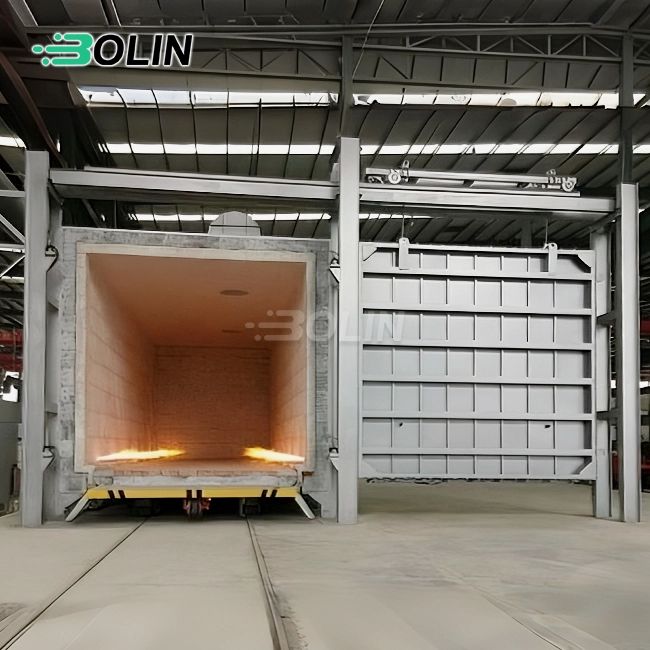
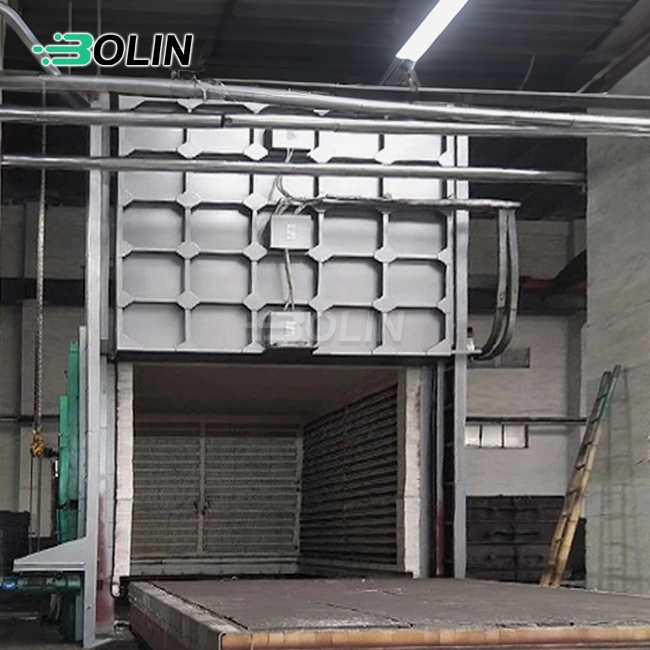
Gas Fired Pit Furnaces function best with long shafts, hefty rotors, and deep cylinder sections. The chamber design prevents thermal warping by hanging workpieces vertically. The chamber heats fast to 1150°C with gas burners. Pit levels from 500 mm to 50,000 mm and power settings from 5 KW to 3000 KW can handle different component lengths and manufacturing demands. Gas Fired Pit Furnaces are great for carburizing, leveling, tempering, and annealing in aerospace, heavy machinery, oil & gas, and autos since they can accomplish so much.
Value of Authorized Suppliers and Support Services
Working with well-known manufacturers provides technical expertise, high-quality parts, and reliable service. Authorized vendors custom engineer furnaces to your specifications. Chamber dimensions must match component sizes, burner layouts must provide the needed heating rates, and control systems must interact with facility infrastructure. This customization optimizes performance for your manufacturing demands rather than forcing operations to match conventional equipment.
Overall support keeps your investment protected as long as it operates. Installation assistance and on-site testing ensure that the equipment works from the start, preventing issues with unsupported configurations. The one-year parts and service warranty covers product issues. Field service techs maintain machines to maximize performance and lifespan. Access to genuine new parts eliminates compatibility concerns and ensures parts fulfill standards.
Conclusion
Your facility's philosophy should include preventative maintenance, operational discipline, and wise equipment selection to maximize thermal processing equipment life. Understanding refractory thermal shock, burner carbon deposits, and control sensor drift will help you choose the most effective safety measures. Regular inspections, combustion parameter optimization, and worker training help workers realize that long-term success requires everyday attention. Working with professional suppliers that give technical assistance, original parts, and fast servicing can help you maintain equipment for as long as possible. The Gas Fired Pit Furnace evenly warms objects up to several meters long from 150°C to 1150°C for tempering, annealing, carburizing, and normalizing in heavy industrial, aerospace, and automobile situations. Less downtime, lower expenses, and 25-year service result from investing in superior tools and following tight protocols.
FAQ
What maintenance intervals does a pit-type heating system require?
Monthly visual checks detect issues before they worsen. Verify the refractory, flame, and controls. Burner parts and heat exchangers are carefully cleaned every three months to remove combustion residues. Annual shutdowns allow AMS2750G-compliant interior examinations, safety interlock testing, and thermocouple calibration. Part replacement schemes differ. Burner igniters need to be replaced every 18–24 months, while refractory linings can last 5–10 years, depending on use.
How does vertical suspension prevent thermal distortion?
Hanging long rods and cylinder-shaped pieces upright eliminates uneven heating contact points. Gravity straightens things during the plastic phase, when they melt at high temperatures. Sagging occurs when lengthy pieces are held horizontally as metals change form. For airplane and vehicle precision parts, the Gas Fired Pit Furnace uniformly distributes thermal expansion along the length, stabilizing dimensions during heating, soaking, and cooling cycles.
Can I switch between natural gas and LPG operation?
But the stove must be replaced. Natural gas has a higher heating value per cubic foot than LPG; hence, fewer openings are needed to maintain fuel flow. Air-fuel ratio controls must be recalibrated to account for combustion stoichiometry. Pressure controls must work with varied fuel kinds' supply levels. Contact the equipment seller. Hebei Bolin can answer technical inquiries and alter fuel conversion parts so you can use it safely and efficiently with any energy source.
Partner with Bolin for Extended Furnace Reliability and Performance
The heat processing choices Hebei Bolin Electric Furnace Manufacturing provides are durable and effective. Our unique Gas Fired Pit Furnace features a pulse-fired burner, ceramic fiber insulation, and multi-zone PID settings up to 1430°C, meeting AMS2750G requirements within ±3°C. We support industrial manufacturers throughout equipment life—from initial design consultation and on-site commissioning through ongoing maintenance services and genuine parts supply. Contact our technical team at 15720259172@163.com to discuss your heat treatment requirements. As an experienced Gas Fired Pit Furnace manufacturer, we provide ODM and OEM services, delivering equipment within 10-40 days and backing installations with comprehensive one-year warranties.
References
1. "Standard for Ovens and Furnaces." NFPA 86, National Fire Protection Association (USA). Covers safety and maintenance protocols crucial for preventing premature gas-fired furnace degradation.
2. "Standard Practice for General Techniques of Infrared Thermography." ASTM E1213, ASTM International (USA). Focuses on thermographic testing to detect refractory wear and heat leaks before failure.
3. Reed, Richard J. North American Combustion Handbook. North American Manufacturing Company (USA). Explains how proper burner tuning reduces thermal stress and extends furnace life.
4. Trinks, W., et al. Industrial Furnaces. John Wiley & Sons (USA/Europe). A foundational textbook detailing refractory selection and structural care to maximize pit furnace longevity.
5. Baukal, Charles E., ed. The John Zink Hamworthy Combustion Handbook. CRC Press (USA). Offers expert insights on burner maintenance to mitigate high-temperature corrosion in gas systems.
6. Schuhmann, H., and M. Pfennig. "Lifespan Optimization of High-Temperature Industrial Furnaces." Gas Wärme International, Vulkan-Verlag (Germany). A European study on extending gas furnace life through advanced insulation and burner controls.
Learn about our latest products and discounts through SMS or email