- English
- French
- German
- Portuguese
- Spanish
- Russian
- Japanese
- Korean
- Arabic
- Irish
- Greek
- Turkish
- Italian
- Danish
- Romanian
- Indonesian
- Czech
- Afrikaans
- Swedish
- Polish
- Basque
- Catalan
- Esperanto
- Hindi
- Lao
- Albanian
- Amharic
- Armenian
- Azerbaijani
- Belarusian
- Bengali
- Bosnian
- Bulgarian
- Cebuano
- Chichewa
- Corsican
- Croatian
- Dutch
- Estonian
- Filipino
- Finnish
- Frisian
- Galician
- Georgian
- Gujarati
- Haitian
- Hausa
- Hawaiian
- Hebrew
- Hmong
- Hungarian
- Icelandic
- Igbo
- Javanese
- Kannada
- Kazakh
- Khmer
- Kurdish
- Kyrgyz
- Latin
- Latvian
- Lithuanian
- Luxembou..
- Macedonian
- Malagasy
- Malay
- Malayalam
- Maltese
- Maori
- Marathi
- Mongolian
- Burmese
- Nepali
- Norwegian
- Pashto
- Persian
- Punjabi
- Serbian
- Sesotho
- Sinhala
- Slovak
- Slovenian
- Somali
- Samoan
- Scots Gaelic
- Shona
- Sindhi
- Sundanese
- Swahili
- Tajik
- Tamil
- Telugu
- Thai
- Ukrainian
- Urdu
- Uzbek
- Vietnamese
- Welsh
- Xhosa
- Yiddish
- Yoruba
- Zulu
How Do Industrial Gas Furnaces Cut Energy Costs in Factories?
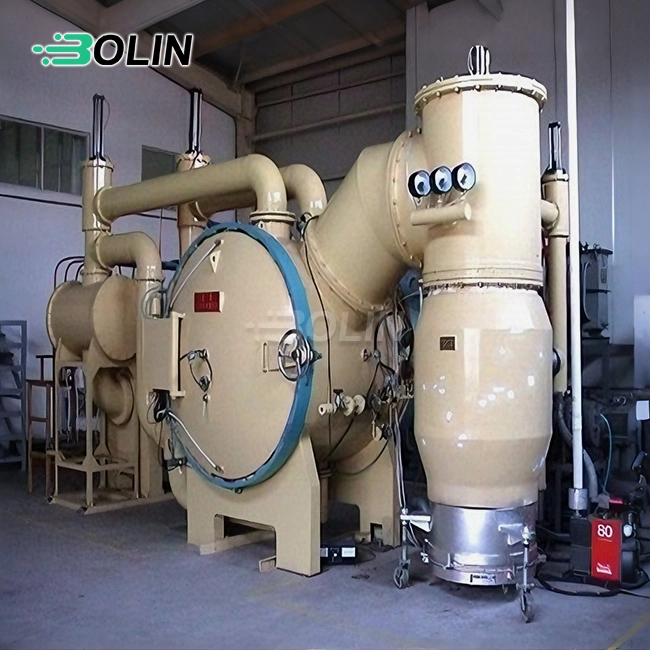
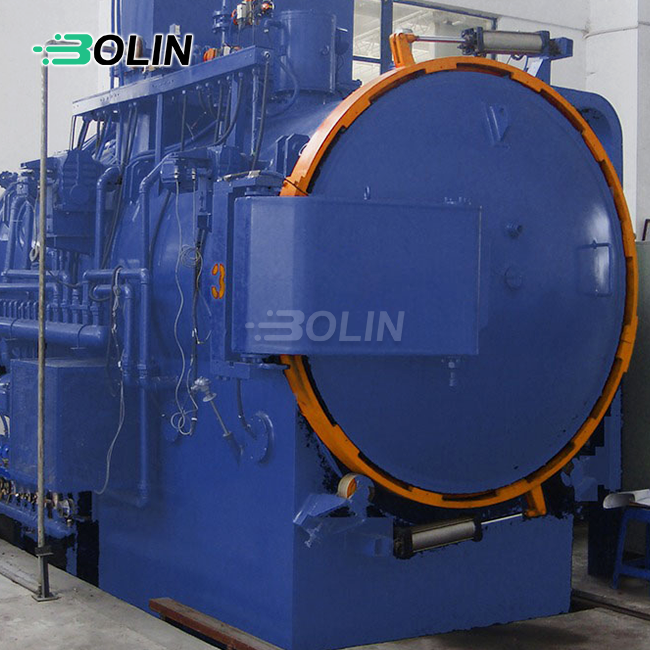
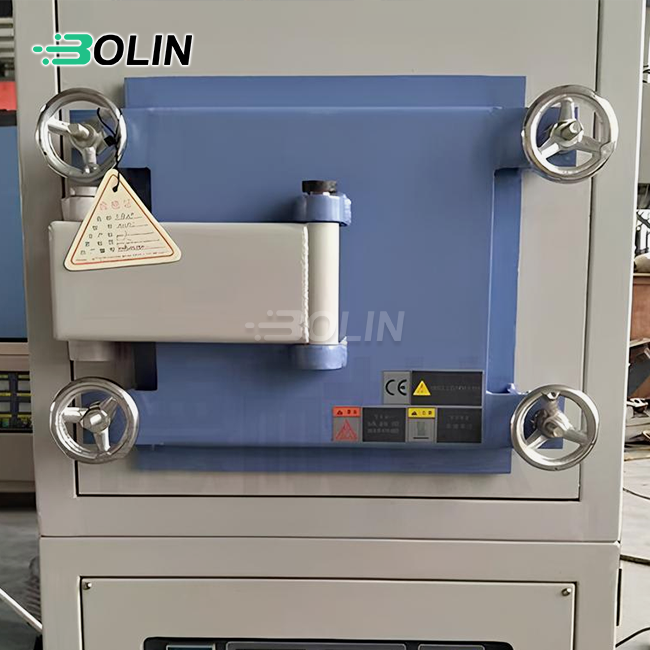
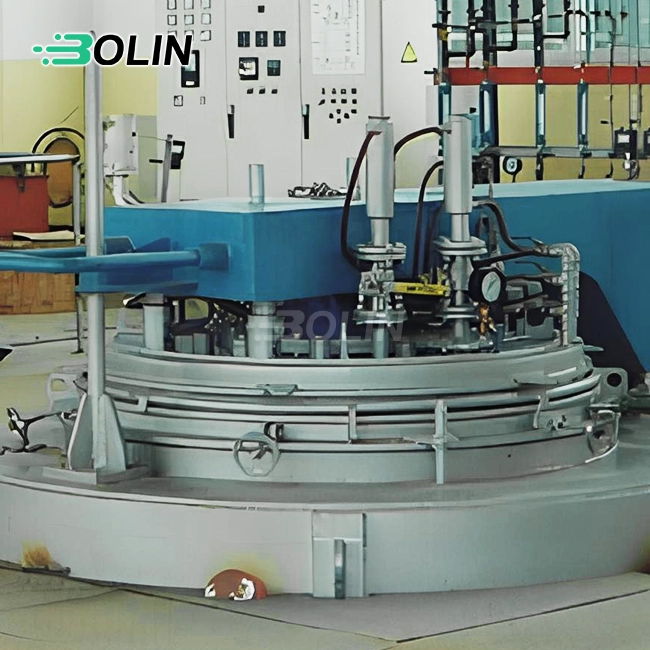
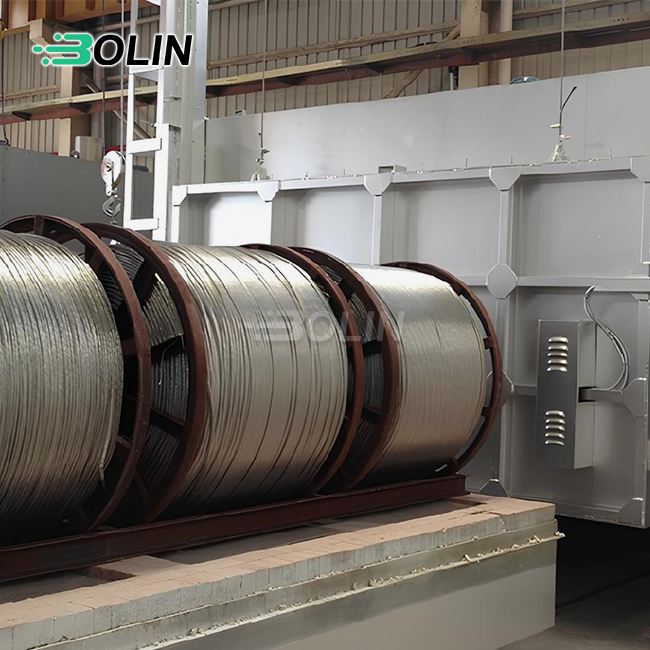
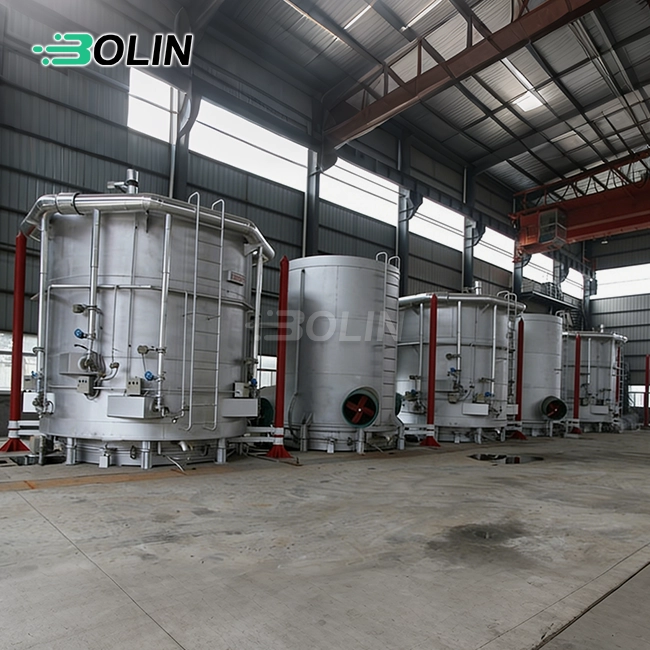
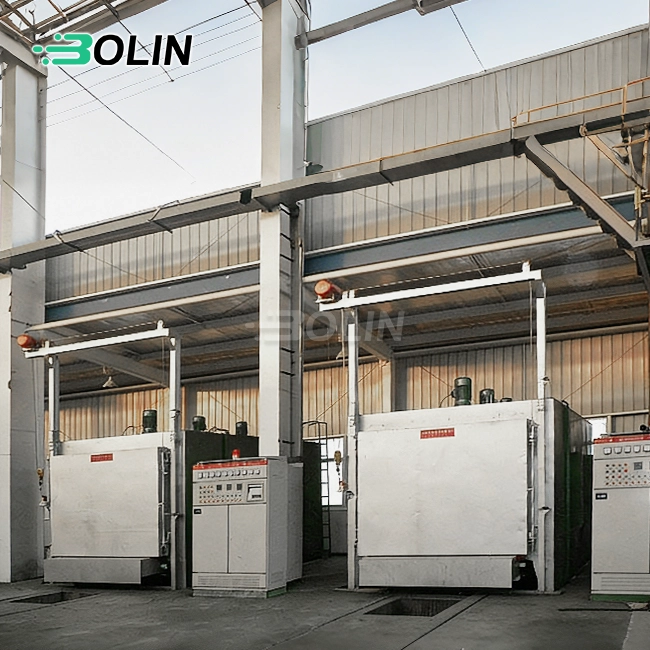
Modern combustion technology, greater insulation, and precise temperature control systems all help the Industrial Gas Furnace cut fuel loss and energy expenses. Thermal processing systems are effective at controlling high temperatures from natural gas, LPG, or propane. Gas-fired heating equipment uses 30% less fuel than electric or oil-based choices due to triple-layer refractory designs that retain heat and improve burner performance. This can impact your bottom line in manufacturing businesses that create several goods.
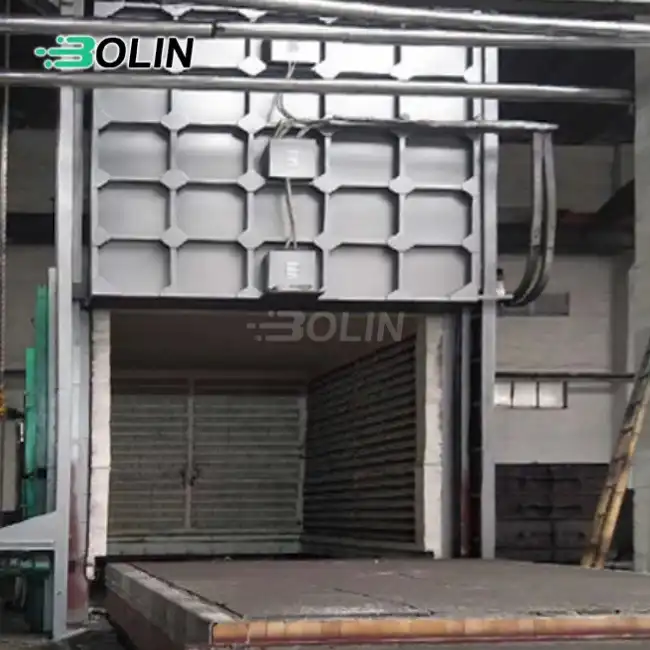
Understanding the Energy Challenges in Industrial Heating Systems
Factory owners nationwide are under pressure from rising energy prices and tougher environmental regulations. Vintage heating methods waste resources quicker than they provide value, yet your production line requires consistent heat.
The Hidden Costs of Inefficient Thermal Processing
Electric heaters utilize a lot of power at peak demand and high energy prices. Oil-based systems face unpredictable fuel pricing and maintenance issues. Both approaches lose energy due to poor insulation, fluctuating temperatures, and outdated control systems. Your company loses thousands per month due to waste.
Regulatory Pressure and Market Competition
Environmental regulations like EPA emissions restrictions make businesses reconsider product heating. Companies that don't obey these laws risk fines, while competitors using more efficient technology save money. The gap between old and new equipment grows while natural gas prices remain low in most of the U.S. Fixing heat processing issues before they damage your factory's competitiveness is crucial.
Temperature Control Issues That Impact Production
Uneven heating causes metal defects, useless scrap, and energy-wasting repairs. If your furnace can't maintain a consistent temperature in large work areas, you must increase the cycle duration or set points, which require more fuel. Inefficient processes diminish productivity and increase energy expenses per unit, affecting your production plan.
How Industrial Gas Furnaces Enhance Energy Efficiency
Modern Industrial Gas Furnaces change measuredly owing to innovative engineering methods that target waste causes. When combined, these technologies will revolutionize how your organization consumes gasoline.
Advanced Combustion Control and Burner Design
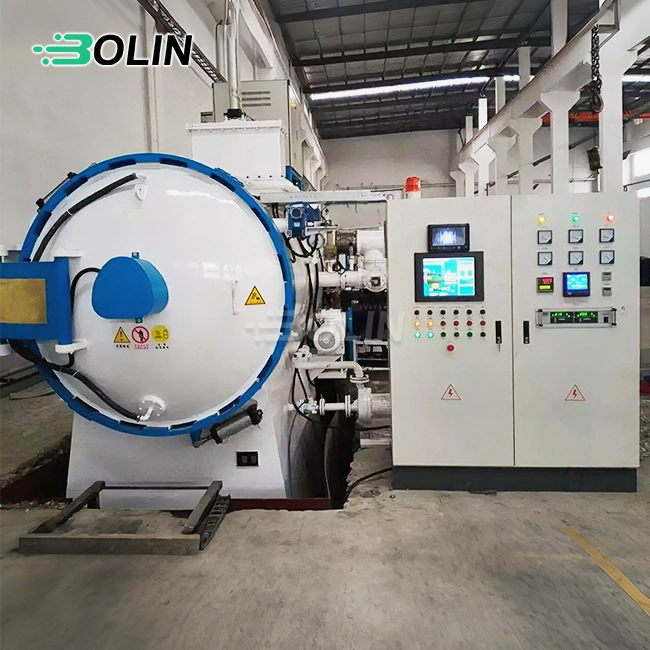
PLC-controlled gas stoves don't have temperature lag like older technology. The burners ignite immediately when your thermostat starts a heating cycle, and heat travels fast via optimal exchangers. Room temperature is uniformly distributed via the blower system. Cold spots that cause workers to overheat the load are eliminated. This precision reduces fuel usage and speeds heating. This reduces cycle times and gas costs.
Intelligent Temperature Zoning and Monitoring
Set varying temperatures in separate heater zones using multi-zone heating. Zoning saves energy by heating just what's needed during moderate temperature changes in metal heat treatment. Built-in sensors provide real-time information to control systems, allowing them to automatically adjust temperatures to maintain tolerances. This responsiveness tackles the "set it and forget it" mindset that causes ordinary furnaces to waste fuel when demand is low.
Integration with Energy Management Platforms
Energy management systems can link gas-fired heating equipment to plant-wide energy savings efforts. These programs measure fuel consumption, identify peak demand, and adjust heating schedules to reduce energy expenses. You can monitor how much energy each output batch uses, allowing you to implement data-driven process improvements. Automated demand response can reduce burner output during high energy expenses without disrupting manufacturing.
Key Features That Drive Cost Savings in Modern Gas Heating Systems
High-performance Industrial Gas Furnaces have certain engineering variations from regular ones. Knowing these qualities helps you pick tools with a good ROI.
Ultra-Efficient Insulation Architecture
The triple-layer insulating system improves heat retention. Composite fiber cotton makes the inner layer malleable and heat shock-resistant. An intermediate layer of ultra-light, high-strength microsphere vacuum ball bricks prevents furnace wall heat transfer. The exterior is made of heavy-duty high-alumina bricks. They manage heat mass and give mechanical strength. This design minimizes heat loss, reducing fuel consumption significantly. The materials don't degrade like single-layer refractory systems after thousands of heating cycles.
Broad Temperature Range Versatility
Due to its 100°C–1300°C operational range, one system can perform many heat treatment stages. You may use the same tools for stress release, heating, hardening, and tempering. This saves money and floor space by eliminating the need to buy and store burners for each thermal operation. Over time, using many functions saves fuel since you don't have to cycle among multiple specialized units, which requires more energy at launch.
Customizable Sizing for Optimized Capacity Utilization
The furnace may be customized to meet production demands with diameters from 500mm to 50,000mm. Big machinery wastes fuel by heating empty chamber space, and tiny machines jam and require wasteful batch splitting. Custom sizing ensures that you only pay for the capacity you need and that your real job temperature remains constant. This customized technique lets standard-tool manufacturing be productive and efficient.
Rapid Response Control Systems
PLC automation eliminates human or pneumatic control system reaction times. Faster temperature ramp rates reduce cycle times and fuel usage per treated part. Tighter setpoint control can stop energy-wasting heating and cooling. Exact heat processing enhances metallurgical products and reduces scrap, saving more than fuel.
Best Practices for Maintaining Efficiency Over Equipment Lifespan
Good tools are merely the first step to long-term cost savings. Maintenance done properly maintains performance high and prevents gradual loss of efficacy that reduces advantages.
Routine Inspection Protocols
Clean Industrial Gas Furnaces regularly to prevent carbon buildup that disrupts combustion and wastes fuel. Checking heating zones for even temperatures helps detect issues before they become costly. Check insulation for cracks or wear and tear to halt heat loss early, while repairs are affordable. Prevention takes little time but pays off large by keeping equipment functioning at its optimal fuel rate for as long as possible.
Professional Calibration and System Audits
Regular Thermal Uniformity Surveys by skilled technicians ensure that your furnace maintains the steady temperature needed for optimal productivity and minimal energy usage. System Accuracy Tests verify that control tools display chamber temperature appropriately. Stopping setpoint creep prevents operators from overheating loads. Use waste gas monitors for combustion analysis to ensure your burners fully convert all fuel, maximizing energy and minimizing pollution.
Operator Training and Safety Protocols
Well-trained employees manage operations smoothly. Your team can determine the ideal batch configurations for uniform heating by understanding how loading patterns impact heat distribution. Knowing how to start and stop a machine prevents heat stress that breaks down refractory materials and leaks. Emergency shutdowns waste heat energy required to heat equipment to operating temperature. Safety training helps reduce shutdowns.
Making the Right Choice: Selecting Gas-Fired Equipment for Your Application
You must consider more than the first price while buying. The total cost of ownership includes equipment efficiency, reliability, customization, and support during its lifetime.
Evaluating Standard Versus Custom Solutions
Standard kinds offer reduced start-up costs and faster delivery, but they may not suit your workflow. Custom-engineered systems are more efficient and generate fewer operational issues; therefore, they offer a greater return on investment. Choose based on production rate, part complexity, and thermal process importance. Tailoring saves fuel and improves products for companies that process a lot of precious resources.
Assessing Manufacturer Capabilities and Support
Equipment vendors provide several customization choices, technical expertise, and after-sales service. Tech-savvy manufacturers can create solutions that operate with your production equipment. Strong after-sales support fixes technological issues rapidly, reducing downtime expenses. Full-service companies, from design to installation, commissioning, and maintenance, offer more responsibility than multi-provider alternatives.
Understanding Total Ownership Economics
The purchase price is substantially lower than lifetime fees. Efficiency is the most essential economic concern since fuel usage over many years is substantially more than the tool purchase cost. The frequency of maintenance, availability of spare parts, and estimated lifespan of the equipment determine total ownership costs. Energy-efficient and long-lasting designs cost less overall, even when they cost more initially. In addition to upfront monetary charges, your financial analysis should consider these long-term concerns.
Conclusion
In conclusion, Industrial Gas Furnaces save expenses by greater shielding, precise control, and efficient combustion. New thermal processing alternatives solve traditional instruments' principal issues while fulfilling environmental criteria. Your factory gains a competitive edge by cutting costs, boosting output, and enhancing product quality. Choosing tools with proven efficiency features and robust manufacturer support gives you these benefits for as long as the system works. The sensible investment in high-performance gas-fired technology keeps your business profitable in a falling-cost manufacturing environment.
FAQ
How Can I Improve the Energy Efficiency of My Gas-Fired Heating Equipment?
Waste heat from exhaust gases may be collected and used to reduce fuel usage by 30% with recuperative burner systems. Modern composite fiber and microsphere brick insulation materials more effectively retain heat and reduce furnace wall heat loss. You can accurately manage temperature and save energy on overshoots and unnecessary heating cycles by implementing modern control systems that track temperatures in real time.
What Causes Uneven Heating in Large-Scale Gas Furnaces?
Heat distribution is frequently uneven because burners aren't lined up, flue ports are obstructed, or door locks are worn out and let cold air in. Worn refractory materials leak heat through damaged shielding, creating hot spots. Regular inspections and repairs can correct these issues before they affect efficiency. Uneven airflow prevents large work areas from obtaining the same heat, according to CFD tests.
How Often Should Thermal Uniformity Surveys Be Performed?
Your business demands and importance determine how often you survey. For aeronautical and military usage, Nadcap recommends surveys every three to six months. General manufacturing processes benefit from annual uniformity testing to ensure consistency. Polls must be done more regularly after equipment repairs that affect temperature distribution.
Partner with Bolin for Energy-Efficient Thermal Processing Solutions
Hebei Bolin Electric Furnace Manufacturing Co., Ltd. specializes in low-fuel gas-fired heating equipment for harsh industrial environments. Our thermal processing engineers employ decades of expertise to design systems that fit your production demands, whether you need tiny units for specialist products or large setups for mass production. We consume less energy than other designs since our equipment has three layers of insulation. Its PLC-based control solutions maintain temperature consistency for critical industrial operations. From initial consultation to installation, commissioning, and ongoing support, we ensure your investment functions well for years. Bolin has extensive expertise building Industrial Gas Furnaces for sale and can assist you in overcoming heat processing issues. They use industrial expertise with new technology. Contact us at 15720259172@163.com to see how our energy-efficient heating systems may cut your business's costs and boost output.
References
1. American Society for Metals International. "Heat Treating Equipment and Process Design Fundamentals." ASM Handbook Volume 4C: Induction Heating and Heat Treatment. 2014.
2. North American Manufacturing Research Institute. "Energy Efficiency in Industrial Thermal Processing: Comparative Analysis of Heating Technologies." NAMRI Technical Report Series. 2021.
3. National Fire Protection Association. "NFPA 86: Standard for Ovens and Furnaces - Safety Requirements for Industrial Heating Equipment." NFPA Publication Standards. 2019.
4. U.S. Department of Energy. "Improving Process Heating System Performance: A Sourcebook for Industry." Advanced Manufacturing Office Technical Guidelines. 2020.
5. Industrial Heating Equipment Association. "Best Practices for Gas-Fired Furnace Operation and Maintenance in Metal Processing." IHEA Technical Publication Series. 2022.
6. Society of Manufacturing Engineers. "Thermal Processing Technologies for Cost Reduction and Quality Improvement in Metal Fabrication." SME Manufacturing Engineering Compendium. 2023.
Learn about our latest products and discounts through SMS or email