- English
- French
- German
- Portuguese
- Spanish
- Russian
- Japanese
- Korean
- Arabic
- Irish
- Greek
- Turkish
- Italian
- Danish
- Romanian
- Indonesian
- Czech
- Afrikaans
- Swedish
- Polish
- Basque
- Catalan
- Esperanto
- Hindi
- Lao
- Albanian
- Amharic
- Armenian
- Azerbaijani
- Belarusian
- Bengali
- Bosnian
- Bulgarian
- Cebuano
- Chichewa
- Corsican
- Croatian
- Dutch
- Estonian
- Filipino
- Finnish
- Frisian
- Galician
- Georgian
- Gujarati
- Haitian
- Hausa
- Hawaiian
- Hebrew
- Hmong
- Hungarian
- Icelandic
- Igbo
- Javanese
- Kannada
- Kazakh
- Khmer
- Kurdish
- Kyrgyz
- Latin
- Latvian
- Lithuanian
- Luxembou..
- Macedonian
- Malagasy
- Malay
- Malayalam
- Maltese
- Maori
- Marathi
- Mongolian
- Burmese
- Nepali
- Norwegian
- Pashto
- Persian
- Punjabi
- Serbian
- Sesotho
- Sinhala
- Slovak
- Slovenian
- Somali
- Samoan
- Scots Gaelic
- Shona
- Sindhi
- Sundanese
- Swahili
- Tajik
- Tamil
- Telugu
- Thai
- Ukrainian
- Urdu
- Uzbek
- Vietnamese
- Welsh
- Xhosa
- Yiddish
- Yoruba
- Zulu
How Do Resistance Wire Specifications Impact Industrial Processes?
The technical characteristics of your heating wire affect more than just temperature output when picking industrial thermal system heating elements. Resistance Wire specifications affect heat treatment process uniformity, energy utilization, tool longevity, and manufacturing quality. Each element, such as electrical resistivity, temperature variables, alloy composition, and wire thickness, affects furnace performance, cost, and temperature distribution. Understanding these correlations helps manufacturers pick the optimal heating elements, reduce unexpected downtime, and improve process control in challenging settings like annealing and specialist nitriding rooms.
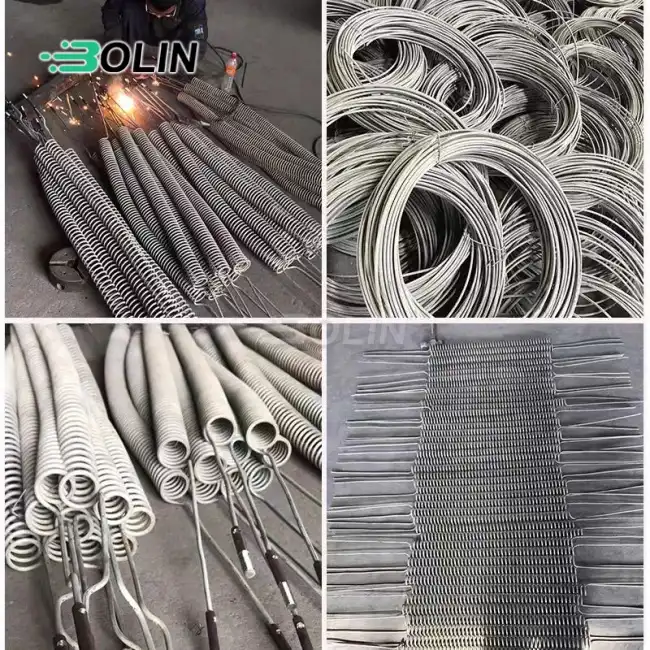
Understanding Resistance Wire and Its Key Specifications
A conductive object's resistance converts electric current into heat through Joule heating. This is how industrial boiler heating components function. Modern thermal processing relies on regulated exchange.
The Working Principle Behind Heat Generation
Resistance Wire heating components convert electrical energy into continuous heat by stopping electrons. Basic physics states that power loss equals current x resistance, or P = I²R. This behavior can be predicted, so engineers may create precise heating profiles to reduce manufacturing temperature tolerances.
Common Alloy Materials and Their Properties
Industrial heating requires materials that can resist high temperatures while maintaining electrical qualities. Nickel-Chromium alloys, or "Nichrome," resist corrosion and maintain permeability at high temperatures. These metals are usually 80% nickel and 20% chromium. They thrive in acidic conditions up to 1150°C. Iron-Chromium-Aluminum compounds like Kanthal can withstand 1425°C. A protective oxide layer protects aluminum from further oxidation and extends its life under harsh conditions. Specialty metals avoid oxidation and perform better at high temperatures than stainless steel, which is affordable for low-temperature usage.
Critical Technical Specifications
Wire size affects mechanical strength and electrical resistance per unit length. Thicker widths reduce resistance per meter but stabilize the structure when temperatures rise. Depending on power, wattage, and heating tank size, engineers must balance these elements. Temperature values indicate the greatest temperature a steel can work at without breaking down. If you exceed these limitations, oxide scales develop fast, the material becomes unstable, and it breaks down early. The length of a wire required to obtain a specific resistance number depends on the material's resistivity, measured in micro-ohm meters (μΩ·m). Premium heating elements maintain resistance values between 1.0 and 1.45 μΩ·m, ensuring consistent performance regardless of installation method. Oxidation resistance is crucial for elements exposed to high temperatures and atmospheric oxygen. Better alloys form stable, stick-together oxide coatings that protect the metal underneath from scale and wear.
How Resistance Wire Specifications Influence Industrial Process Efficiency
Choosing the proper heating element specifications affects process quality, energy utilization, and production speed. Wire variables affect system efficiency beyond heating capacity.
Wire Gauge and Precise Heat Distribution
Wire thickness determines resistance per unit length, which determines current and heat production. Small wire diameters push too much current, creating hot spots that accelerate element degradation. Larger sizes may require more electricity than the electrical grid can provide or may not create adequate heat density for tiny furnaces. In watts per square centimeter (W/cm²), surface loading indicates the temperature stress on heating elements. Optimal surface loading values vary by alloy and environment, but typically range from 2.5 to 6.5 W/cm² for long-lasting applications and high-output designs with shorter element lifespans. Even 20% greater surface loading than recommended will decrease element life in half, increasing maintenance costs and production downtime.
Temperature Ratings and Process Safety
Using heated elements at their maximum temperatures accelerates oxidation and metallurgical changes, weakening the structure. Industry best practices maintain operating temperatures between 85 and 90% of their peak ranges. This balances performance and durability. This prevents unexpected failures during critical manufacturing runs and maximizes heat. Resistance that remains constant along the element maintains heating zone temperature. Resistance changes due to wire thickness or alloy makeup during manufacture cause furnace temperature variances. Premium Resistance Wire maintains ±0.02mm thickness and ±0.5% compositional homogeneity. This ensures equal heat distribution and fulfills metallurgical standards.
Material Selection Impact on Operational Costs
The composition of an alloy impacts its purchase and operational costs. Nickel-Chromium elements cost 40–60% more than Iron-Chromium-Aluminum but operate better in high-temperature and low-temperature applications. Because their oxide layers cling together, NiCr alloys don't spall when heated and cooled repeatedly. This prolongs batch processing element life. Iron-Chromium-Aluminum elements tolerate greater temperatures and cost less per watt-hour of heating power, making them ideal for continuous usage. Element health directly affects energy efficiency. Older, more resistant elements need greater voltages to maintain power. This reduces power factor and increases electricity usage. If you pick the correct elements, they will maintain their electrical qualities throughout time. Compared to using tiny or incorrectly sized elements, you will consume less energy and save 8–15% on your power expenses.
Comparison of Resistance Wire Types for Industrial Applications
The material defines heater elements' essential performance features for specific process demands and operating environments.
Nichrome Alloys: Versatile Workhorse Solutions
Nichrome compositions are popular in batch annealing ovens and tempering operations. Chromium forms a solid oxide layer that prevents corrosion and holds the material together during expansion and contraction. In well-developed systems, elements can survive beyond 3,000 operational hours due to metallurgical stability. Nichrome operates consistently in air and mildly reducing environments, although sulfur-containing gases accelerate disintegration over time. "Green rot" occurs when Nichrome operates at 800°C–1050°C in mildly decreasing atmospheres. The wire weakens by oxidizing within. This failure can be avoided by controlling the furnace environment or changing the metal.
Kanthal and FeCrAl: High-Temperature Champions
Iron-Chromium-Aluminum metals may be utilized above 1425°C, when Nichrome cannot. A stable aluminum oxide layer forms on the surface at high temperatures. This helps it operate continually in completely oxidizing settings when Nichrome breaks down fast. FeCrAl elements are better for steady heating but less flexible than Nichrome elements. FeCrAl's oxide layer cracks with repeated expansion and contraction. This allows oxygen to degrade fresh metal over time. High-temperature metals function best in constant-temperature environments.
Specialty Configurations for Niche Applications
In some cases, ribbon and strip Resistance Wires improve surface area for greater heat transmission than round wire. These configurations reduce surface load while maintaining power production. This extends element life in poisonous or hot environments. Custom wire widths and lengths allow thermal engineers to match product electrical attributes to existing power infrastructure. This solution eliminates large transformers and inefficient voltage converters, lowering capital costs and improving system performance.
Procurement Considerations for Resistance Wire
Compare sources beyond pricing to locate high-quality heating parts. The total cost of ownership comprises the purchase price, installation labor, product performance, and replacement frequency.
Evaluating Suppliers and Certifications
Reliable heating components fulfill worldwide material requirements, including ASTM B603 for Nickel-Chromium alloys, DIN 17470 for Europe, and JIS C2520 for Asia. These criteria govern chemical composition, mechanical qualities, and dimensional correctness to standardize production batches. Quality badges demonstrate a company's commitment to quality. ISO 9001 certification demonstrates structured quality control systems, and material test records that list resistivity, tensile strength, and composition track critical materials. Suppliers who offer these tests reduce buyer risk and ensure burner performance.
Understanding Pricing Structures
The price of a heating element relies on raw material costs, manufacturing difficulty, and order quantity. Nickel and chromium prices depend on mining and industry demand. This affects Nichrome element prices. Wholesale purchases save a lot. Prices drop 15–25% for purchases above 500 kilos. Design determines lead times. Special combinations may take six to eight weeks, while standard diameters take two to four. Planning purchases around these times avoids costly part replacement delays.
Partnering with Hebei Bolin for Integrated Solutions
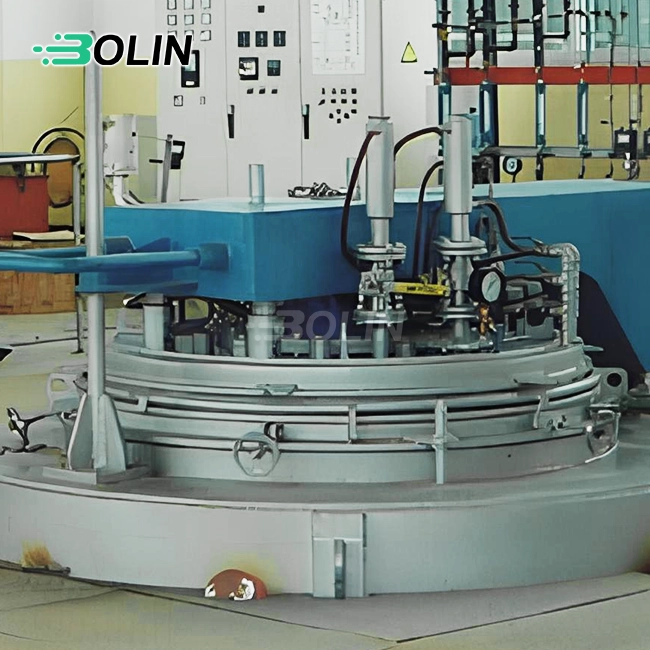
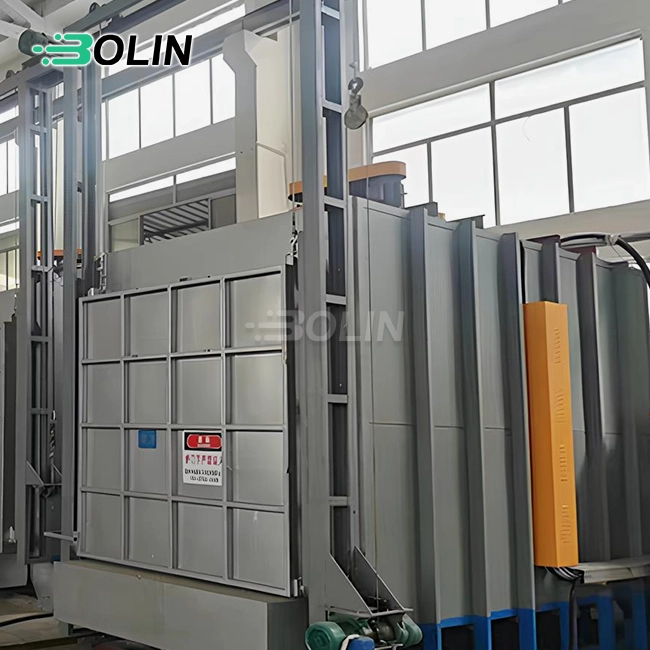
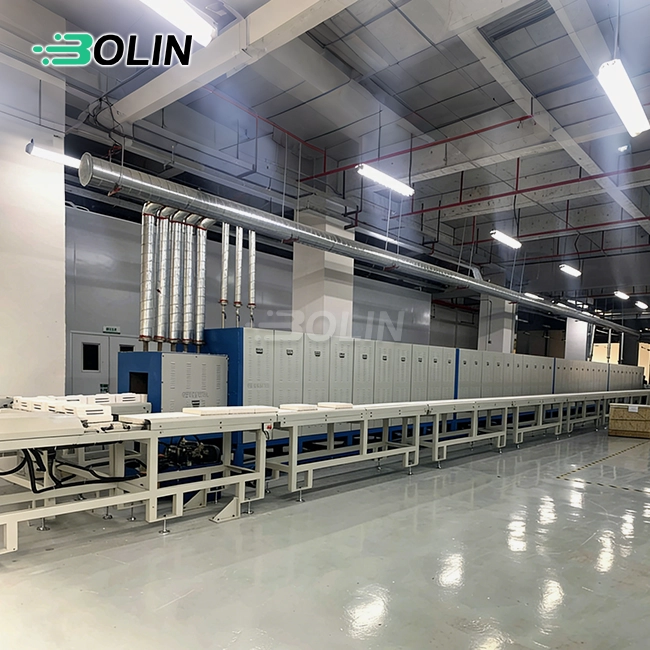
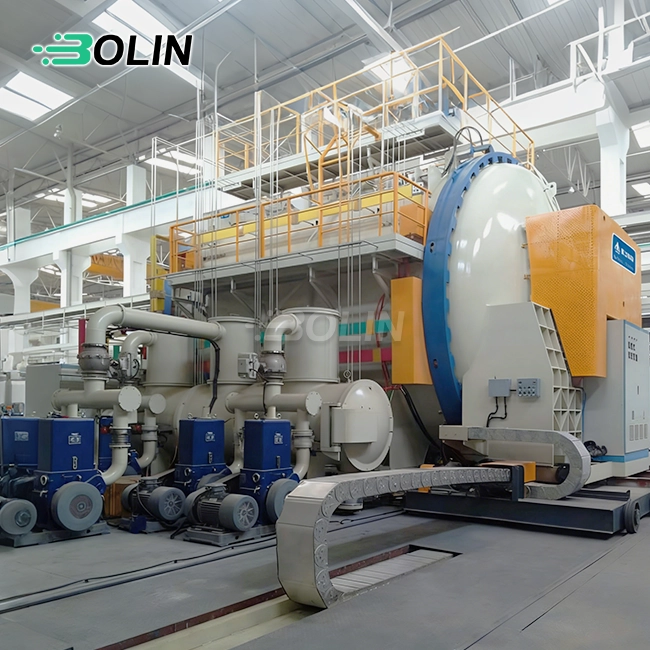
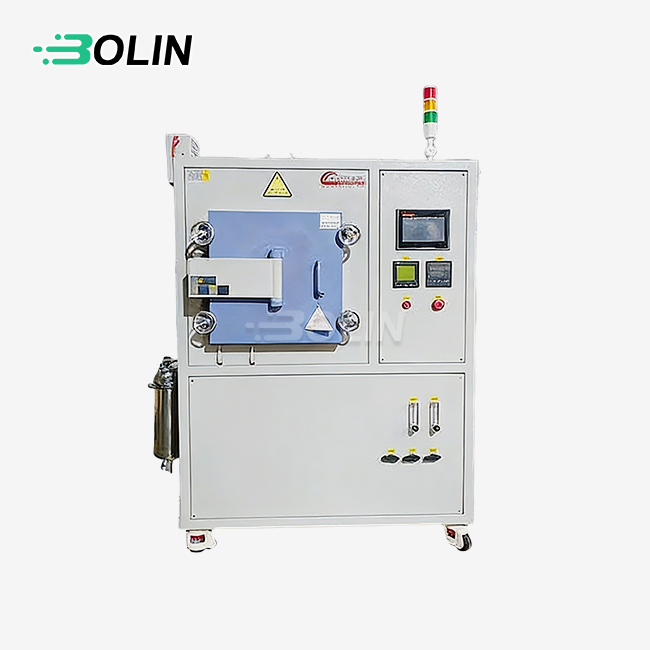
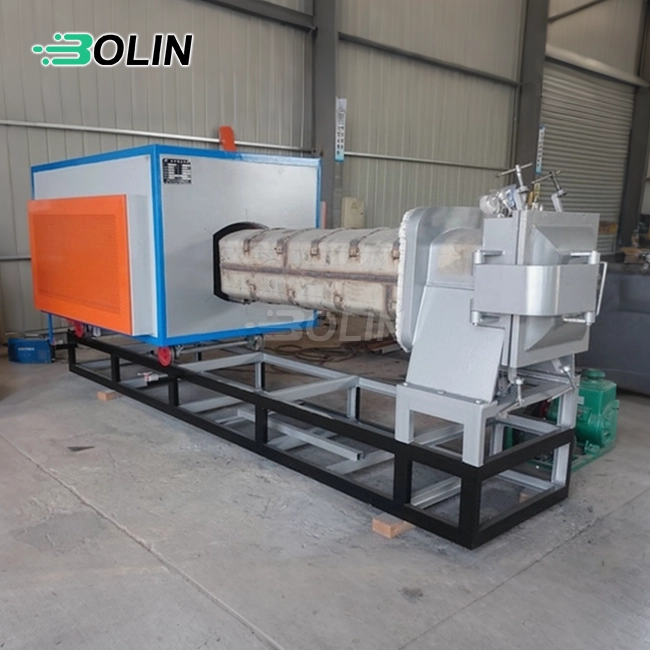
Bolin has been developing thermal processing systems with high-quality heating elements and innovative furnace designs for years. Our engineers understand that Resistance Wire standards are only one element of heat treatment. We manufacture industrial furnaces for annealing, tempering, carburizing, and nitriding. Each has optimal element combinations. Our heating elements excel in harsh industrial situations. Their electrical resistivity ranges from 1.0 to 1.45 μΩ·m and can withstand temperatures up to 1425°C. These unique parts are constructed of high-quality Nickel-Chromium and Iron-Chromium-Aluminum. Electrical energy is converted to heat via regulated Joule heating. You gain greater oxidation protection, reduced resistivity change throughout temperature cycles, and longer service life in severe oxidative conditions. Our products solve industry issues including elements burning out too fast and heaters not operating consistently in electric furnaces, heat treatment systems, and industrial kilns.
Our manufacturing is governed by ASTM B603, DIN 17470, and JIS C2520. Chemical composition tolerances, mechanical properties, and dimensional precision are covered. Things operate consistently in oxidizing and reducing conditions. Bolin sells heating elements and provides engineering assistance from planning to installation and service. We produce high-tech goods at Hebei's Zhenggang Industrial Park with tight quality control. We provide North American and international enterprises with complete thermal processing solutions. We provide experienced guidance on atmospheric compatibility, surface loading estimations, and mechanical configuration difficulties particular to your operation as a manufacturer that cares about its clients.
Best Practices for Specifying and Using Resistance Wire in Industrial Processes
Choosing the correct heating element and maintaining it will provide consistent thermal processing outcomes. These technical techniques decrease furnace lifetime ownership costs.
Matching Specifications to Application Needs
Calculate surface loads depending on furnace gas and element lifespan. Elements with surface loading values of 2.5-3.5 W/cm² can last over 5,000 hours in continuous operation, while greater loading up to 6.0 W/cm² enables smaller forms that require less frequent replacement. Make sure that the element combination and process gases are suitable for the environment. Nickel-Chromium performs effectively in air and somewhat reducing conditions. However, Iron-Chromium-Aluminum struggles in sulfur-containing environments but can manage greater oxygen levels. Matching the alloy to process conditions prevents early failures and costly production stoppage. Consider furnace room technological constraints. Wire thickness influences electrical resistance and mechanical stability. Though it doesn't sag, thicker Resistance Wire requires more volts to provide the same power. When designing requirements, consider the heating rooms' physical restrictions and electrical consumption.
Installation and Maintenance Instructions
Store unused heating elements in dry, climate-controlled spaces to avoid water absorption and contamination. Even little surface contamination accelerates oxidation at operating temperatures. To prevent oxide buildup and keep electrical leads in tight mechanical contact, check element linkages regularly. Localized heating from contact resistance damages power distribution connections and parts. Check element resistance regularly during repairs. Time-dependent resistance increases indicate oxide scale development or section shrinkage preceding a catastrophic breakdown. Resistance-based preemptive replacement prevents unplanned downtime from disrupting production.
Future Industry Trends
New improved alloys aim to survive longer at greater temperatures and manage heat cycles better. More study into rare earths and grain architectures might lead to heating elements that can function over 1500°C and manage rapid temperature swings. Digital monitoring systems increasingly monitor each part's operation, collecting real-time resistance and temperature data to schedule repairs. These systems detect failing parts before they fail, so repairs happen during planned maintenance rather than emergency shutdowns. Energy-saving requirements encourage high-performance heating parts that consume less power and maintain process temperatures. Premium element standards that save 10-15% of energy decrease operational costs over years, explaining higher initial prices.
Conclusion
Heating element specifications affect all industrial thermal processing procedures. Not only does wire diameter, metal makeup, and temperature effect how much heat something can carry, but they also affect energy usage, equipment reliability, and process quality. Understanding these relationships lets engineers create heating systems using the right pieces instead of typical approaches. Working with technical assistance and high-quality manufacturers ensures heating elements operate successfully in harsh industrial scenarios. Bolin provides complete thermal processing solutions with engineering assistance and global quality standards using high-grade heating wire and cutting-edge furnace designs.
FAQ
What causes premature heating element failure?
Too much surface loading, caused by power density exceeding the metal's capacity, is the most prevalent cause of failure. Operating elements over their rated temperatures accelerates oxidation, and process ingredients or airborne particles can harm the oxide layer. Mechanical stress during installation or temperature expansion cycling can generate stress concentration sites that break.
How do I determine furnace wire length?
Use Ohm's Law to determine resistance: R = V²/P, where V is the available voltage and P is the desired power. Divide this total resistance by the resistance per unit length for your wire size. Make sure your wire length meets the furnace's dimensions and has the proper surface loads for your climate.
Can a furnace combine various hot wires?
Mixing metals creates electrical imbalances that generate uneven heating. Metals' relative power levels alter with furnace temperature because they have various temperature coefficients of resistance. This instability reduces process evenness and accelerates part failure when loaded unevenly.
Partner with Bolin for Superior Heat Treatment Solutions
Industrial firms across North America trust Bolin to build thermal processing systems with improved burner designs and heating equipment. Our Hebei Province factory combines decades of metalworking knowledge with contemporary manufacturing. It offers energy-efficient heat treatment equipment that satisfies tight manufacturing requirements. Unique annealing, automated tempering, and custom nitriding chambers are included. Our engineers can assist with design, installation, and technical support. We custom-make burner systems with high-quality heating parts for your procedure. Our items are guaranteed by worldwide quality and courteous service. Contact our team at 15720259172@163.com to discuss your thermal processing issues and see how our unified technique may minimize your total cost of ownership and improve consistency. Top resistance wire supplier Bolin also makes furnaces. They offer the technological expertise and quality dedication your operations need.
References
1. Davis, J.R. (2000). Nickel, Cobalt, and Their Alloys. ASM International, Materials Park, Ohio.
2. Scholes, F.H. & Sharma, S.P. (2008). "High Temperature Oxidation of Nichrome and Kanthal Heating Elements." Journal of Materials Science and Engineering, 42(3), 1156-1164.
3. American Society for Testing and Materials (2019). ASTM B603-19: Standard Specification for Drawn or Rolled Nickel-Chromium and Nickel-Chromium-Iron Alloys for Electrical Heating Elements.
4. Deutsches Institut für Normung (2018). DIN 17470: Wire and Strip Made of Nickel-Chromium Alloys for Electrical Resistance Heating.
5. Khanna, O.P. (2012). A Textbook of Materials Science and Metallurgy. Dhanpat Rai Publications, New Delhi.
6. Roberts, T.A. & Wilson, M.J. (2015). "Surface Loading Optimization in Industrial Resistance Heating Applications." International Journal of Thermal Processing, 28(4), 387-402.
Learn about our latest products and discounts through SMS or email