- English
- French
- German
- Portuguese
- Spanish
- Russian
- Japanese
- Korean
- Arabic
- Irish
- Greek
- Turkish
- Italian
- Danish
- Romanian
- Indonesian
- Czech
- Afrikaans
- Swedish
- Polish
- Basque
- Catalan
- Esperanto
- Hindi
- Lao
- Albanian
- Amharic
- Armenian
- Azerbaijani
- Belarusian
- Bengali
- Bosnian
- Bulgarian
- Cebuano
- Chichewa
- Corsican
- Croatian
- Dutch
- Estonian
- Filipino
- Finnish
- Frisian
- Galician
- Georgian
- Gujarati
- Haitian
- Hausa
- Hawaiian
- Hebrew
- Hmong
- Hungarian
- Icelandic
- Igbo
- Javanese
- Kannada
- Kazakh
- Khmer
- Kurdish
- Kyrgyz
- Latin
- Latvian
- Lithuanian
- Luxembou..
- Macedonian
- Malagasy
- Malay
- Malayalam
- Maltese
- Maori
- Marathi
- Mongolian
- Burmese
- Nepali
- Norwegian
- Pashto
- Persian
- Punjabi
- Serbian
- Sesotho
- Sinhala
- Slovak
- Slovenian
- Somali
- Samoan
- Scots Gaelic
- Shona
- Sindhi
- Sundanese
- Swahili
- Tajik
- Tamil
- Telugu
- Thai
- Ukrainian
- Urdu
- Uzbek
- Vietnamese
- Welsh
- Xhosa
- Yiddish
- Yoruba
- Zulu
Why Choose Custom Thermocouples Over Standard Models?
Custom Thermocouples are crucial for factory temperature measurement. They ensure safety and control in manufacturing, aerospace, vehicle, and power-generating activities. In these harsh conditions, temperature monitor accuracy and lifespan affect their performance, product quality, and worker safety. Special fitting requirements, severe chemical conditions, or large temperature fluctuations can make standard thermocouples ineffective. Custom Thermocouples are essential for B2B buying managers, process engineers, and OEMs seeking unique solutions that conventional models can't match. Customization is becoming increasingly significant because it provides top performance in harsh industrial conditions where conventional sensors fail.
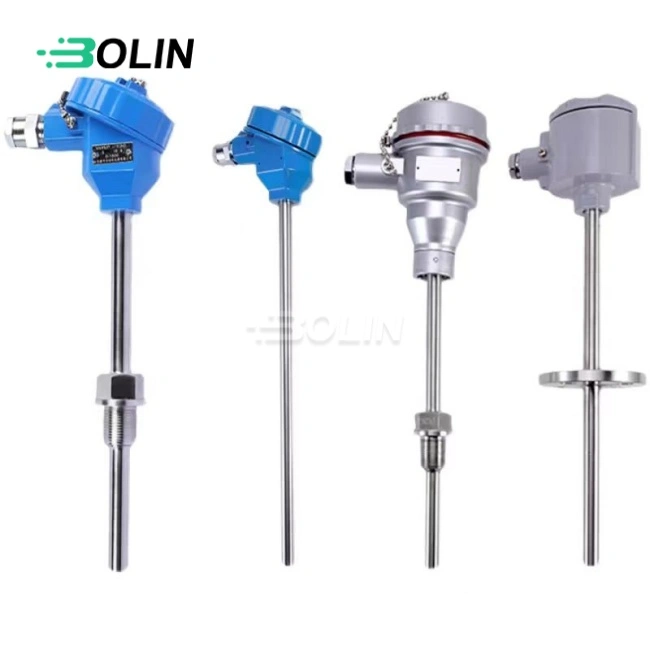
Understanding Custom Thermocouples vs Standard Thermocouples
How Temperature Sensors Function in Your Process
It measures temperature via the Seebeck effect. Two metal wires connect at the sensor tip. A tiny charge forms at this junction when heated. This power is temperature-dependent. Workstyle makes the task doable. Standard sensors have standard sizes and cover materials. They fail when corrosive gases damage common metals, restricted space pushes probes at strange angles or lengths, rapid flows induce vibration and mechanical stress, or thermal shock from short heating and cooling cycles.
Material and Design Differentiation
Custom production plans for every issue. Selecting the correct sheath is crucial. At 1200°C, 310 stainless steel can oxidize, but ceramic sheaths can endure even higher temperatures and won't break down chemically in carburizing or nitriding furnaces. Different insulation types matter too. Compressed magnesium oxide separates the Custom Thermocouples wires from the sheath, keeping them electrically distinct at high temperatures and rapidly transporting heat to the detecting joint. Mechanical design dictates link type, safety tube architecture, and terminal head style. Compression fittings are excellent for frequent repairs, whereas flanged connections prevent controlled atmosphere heater leaks. Engineers can choose grounded, ungrounded, or uncovered junctions based on response time and electrical isolation.
Thermocouple Type Selection for Specific Applications
Type K thermocouples are popular because they perform at many temperatures, last long, and are affordable. These devices can withstand a few hundred degrees below zero to over 1100°C. Type K thermocouples may not function well in low-atmosphere procedures. Those conditions suit Type J thermocouples. Though their range is lower, they operate effectively at vacuum pressures. Type K thermocouples offer a wider range; however, Type T thermocouples are superior for sensing frigid temperatures in pharmaceutical or food manufacturing. Type T can withstand most chemical atmospheres and monitor very low temperatures more precisely, ensuring product safety in cold operations.
Advantages of Choosing Custom Thermocouples for Industrial Applications
Enhanced Measurement Precision and Repeatability
Customized sensor design reduces thermocouple errors. SLE wire has half the tolerance of conventional wire because of its pure alloys. This reduces measuring errors and improves consistency. If your heat treatment process requires consistent temperatures over several locations, fewer sensor mistakes will improve metal outcomes and minimize scrap rates. Custom Thermocouples eliminate the shortcomings of conventional designs.
Superior Durability in Aggressive Environments
Petrochemical processing, aviation components, and food production employ temperature monitoring in circumstances that soon fail typical models. Corrosive media, molten metal splash, mechanical vibration, and temperature cycling can stop production and reduce quality. Cover materials like molybdenum, tantalum, and Inconel can survive chemical assaults that tear down conventional metals. Sensors perform at pressures beyond 10,000 PSI thanks to wall thickness engineering. Regular probes can't survive in autoclaves and reactor vessels; therefore, this is crucial.
Seamless Integration with Existing Equipment
OEMs and retrofit projects may struggle to incorporate sensors when conventional sensor measures don't match old equipment or new furnace designs. Custom-length probes match your furnace's depth to locate the sensor junction for optimal measurement. Terminal head designs use your wires, so no expensive adjustments are needed. Multiple measurement points can be merged into one unit, reducing penetration and maintaining furnace integrity. Merging reduces installation time, modification costs, and first-run measurement errors.
Decision-Making Guide: When to Choose Custom Over Standard Thermocouples
Environmental Factors That Demand Customization
Examine your workplace. Are your sensors exposed to corrosive gases, hot salts, or carburizing atmospheres? Will temperature change exceed 200°C/hour? Does vibration from combustion fans or moving equipment generate mechanical stress? Each yes reinforces customization. General-purpose thermocouples can't forecast these stresses. Early failure, measurement drift, and unexpected downtime disrupt production planning and elevate TCO.
Temperature Range and Accuracy Requirements
Sensors typically fulfill ASTM testing margin criteria. Many heat treatment processes require more precise control. The load zone may need to be within 3°C for vacuum carburizing at 950°C. Rust must be avoided during brilliant annealing of stainless steel tubes in hydrogen to maintain temperature. Custom Thermocouples with SLE wire and application-specific calibration are strategic investments when your quality standards exceed standard sensors.
Cost-Benefit Analysis for Strategic Sourcing
The initial purchase price doesn't completely explain how something was acquired. The total cost of ownership should include replacements, downtime, calibration, and quality losses from faulty readings. Standard sensors may be cheaper at initially, but if your application requires replacement every six months and bespoke sensors last three years, the economics alter. Buying in bulk from a reputable manufacturer lowers unit cost and provides longer warranties and faster technical support than generic suppliers.
How to Source and Procure High-Quality Custom Thermocouples
Manufacturer Qualification and Certification
Find manufacturers with a history of strong temperature sensor engineering to make a successful purchase. ISO 9001 accreditation, ATEX clearance for explosive settings, and RoHS compliance indicate quality control systems and environmental friendliness. Manufacturers should preserve NIST-traceable calibration instruments, radiographic inspection tools for weld quality, and helium leak testers for airtight seals. These characteristics ensure every monitor fits your application's needs.
Collaborative Specification Development
Successful procurement agreements need technical coordination from the start of planning. Share your work circumstances, including weather ranges, air composition, technological restrictions, and precision requirements. Experienced manufacturers can recommend joint types, sheath materials, and safety tube designs you may not have considered. This collaborative strategy uses supplier ideas, avoids costly specification errors, and speeds up project deadlines by starting with precise blueprints.
Procurement Terms and Post-Sale Support
Check out huge order minimums, wait times, and prices. The wait time for Custom Thermocouples is typically three to six weeks, depending on the complexity of the design. Understand the warranty, calibration certifications, and professional assistance. Manufacturers add value beyond the product by helping with application design, field installation, and speedy troubleshooting. These services help with initial setup and process optimization.
Installation, Calibration, and Maintenance Best Practices
Proper Installation Techniques
Installing sensors properly influences their performance and lifespan. The sensor joint must be in the typical process zone to avoid temperature variations near furnace walls or heating components. Choosing the correct thermowell saves sensors in fast-moving gases or molten metal. Using ASME PTC 19.3 regulations, determine thermowell dimensions to minimize vibration-induced fatigue failure. Correct torque allows compression joints to seal without crushing the sheath. Incorrect sensor installation reduces accuracy, lifespan, and maintenance, negating the benefits of customization.
Calibration Methods and Schedules
As long as the sensor is utilized, regular adjustment maintains accuracy. NIST-traceable multi-point calibration over your operating range establishes a performance baseline and detects drift before it degrades output. Sensors in hot or hazardous environments should be examined annually. The duration between calibrations can be prolonged to 24 or 36 months in less demanding scenarios. Portable calibrators save downtime and improve measurement accuracy by checking items in the field without pulling sensors out of operation.
Troubleshooting Common Issues
Custom Thermocouples wire corrosion at high or low temperatures or contamination through damaged insulation can cause measurement drift. EMF from nearby electrical equipment or grounding issues might produce signal noise. Check your grounding and protection. Weak readings may indicate loose terminal head or controller input connections. Prevention measures like visual inspections, insulation resistance tests at 500VDC, and connection tightness checks may extend the life of your temperature measuring equipment and safeguard your investment.
Conclusion
Choosing between customized and conventional temperature monitors affects heat treatment quality, operating speed, and total cost of ownership. Your-specific Custom Thermocouples remove the shortcomings of conventional designs. They offer higher precision, longer service life in hostile environments, and easier tool integration. Working circumstances, accuracy demands, and long-term expenditures must be addressed before choosing. Work with respected manufacturers for application knowledge, established quality systems, and timely advice to maximize your investment. When sensors fail or measurements aren't accurate enough for process management, harsh industrial environments require adaptation to keep ahead of the competition.
FAQ
What lead times should we expect for customized temperature sensors?
Custom Thermocouples take 3–6 weeks to make, depending on design complexity and order number. Rush output may be achievable for critical needs. Standard models ship in days, but being replaced repeatedly because they break down too quickly in demanding settings negates this speed advantage.
How do thermocouples compare to RTDs for heat treatment applications?
RTDs are more precise and stable at lower temperatures, but they can't withstand heat treatment furnaces' demanding conditions. It is cheaper, operate at greater temperatures, and react faster to temperature changes. Customization allows thermocouple designs to equal RTD accuracy within specified temperature ranges while being longer-lasting.
Are industry certifications available for customized sensors?
Trustworthy manufacturers provide NIST-traceable testing certifications, material approvals, and ATEX, RoHS, and other industry-specific standards. Ask for these permits before buying sensors to ensure quality and legality.
Partner with Bolin for Custom Thermocouples Engineered to Your Specifications
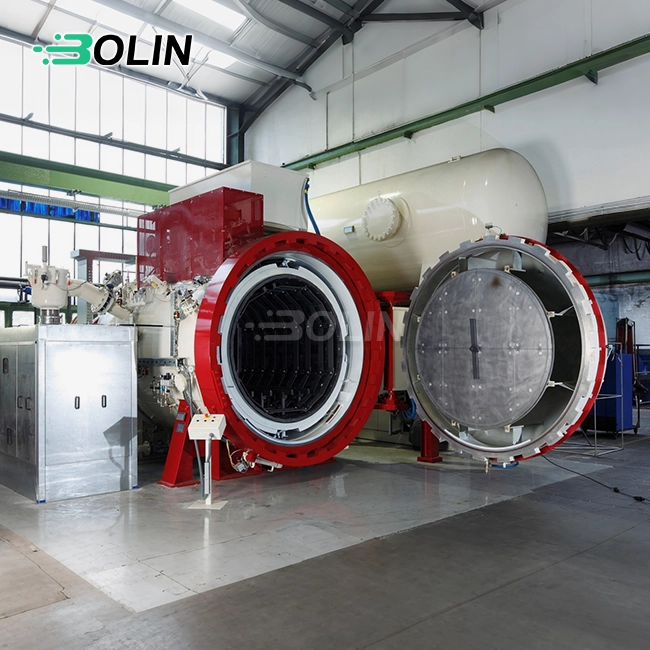
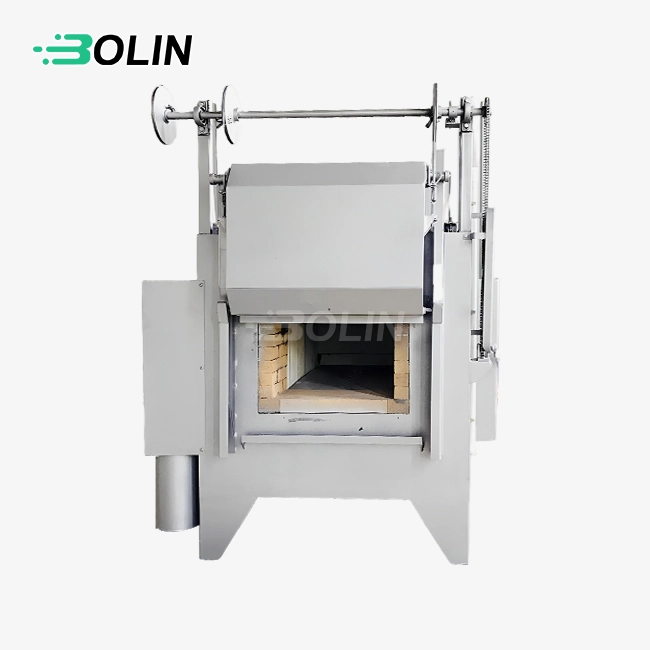
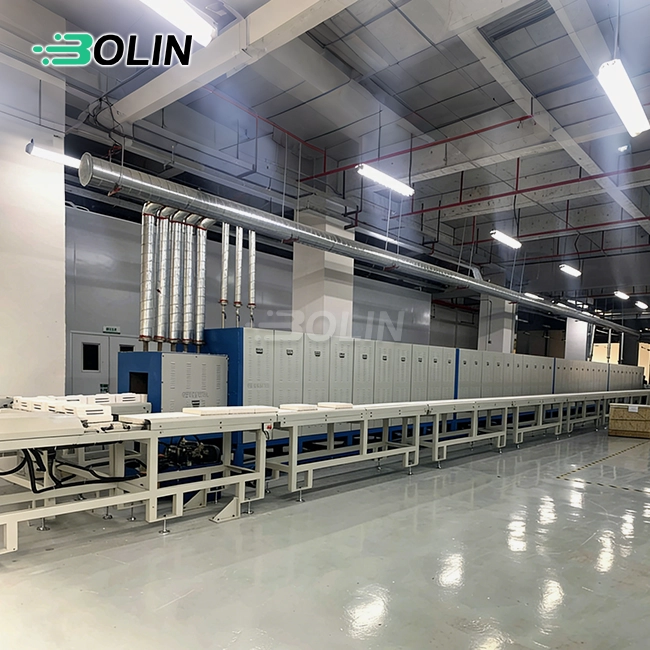
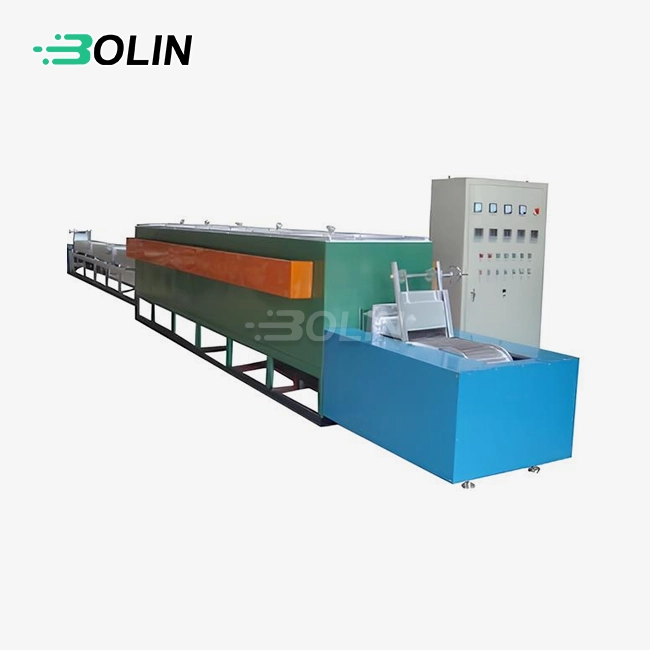
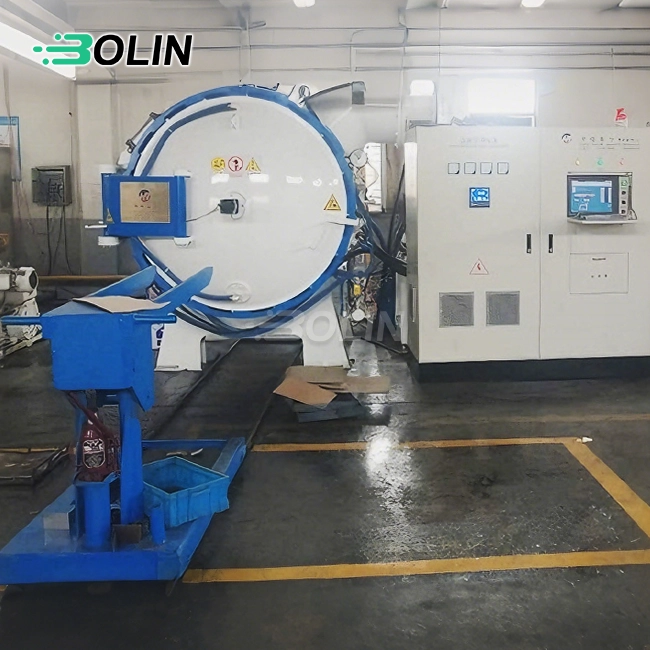
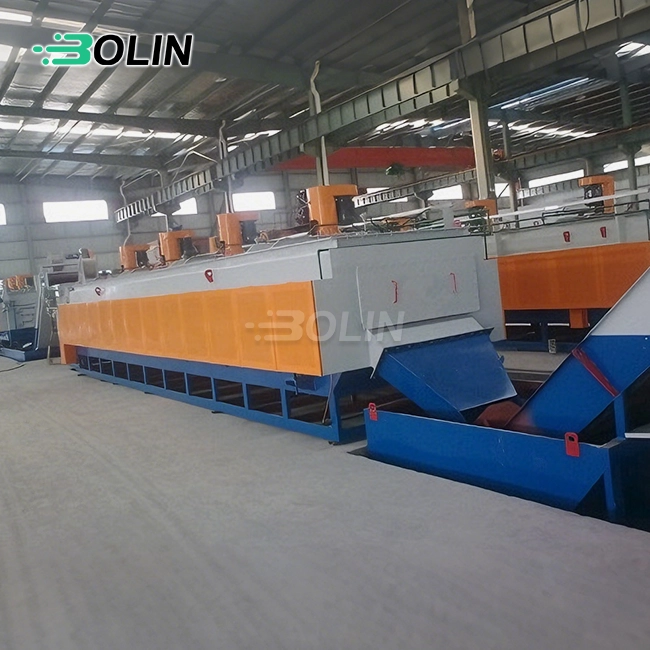
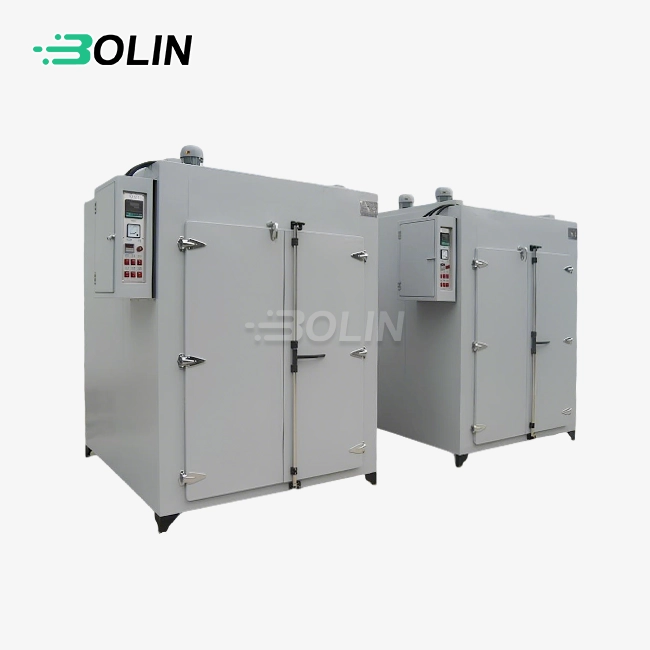
Hebei Bolin Electric Furnace Manufacture Co., Ltd. provides full heat treatment services with cutting-edge engineering and high-quality manufacturing. Manufacturers around the US buy our bespoke Custom Thermocouples for roller hearth furnaces, mesh belt furnaces, vacuum systems, and brilliant annealing lines. No matter your needs, our experts offer custom solutions for pit furnace sensors in tough carburizing settings, continuous manufacturing lines with different measurement zones, or vacuum furnace usage. We employ the proper materials, make sure the sensors are perfectly built, and ensure NIST-traceable calibration as experienced Custom Thermocouples suppliers. We can build sensors that increase process control and minimize ownership costs. Ask our IT staff about temperature measurement issues at 15720259172@163.com. We provide detailed technical requirements, low pricing for big orders, and comprehensive planning and installation assistance.
References
1. Anderson, T.R. (2019). Industrial Temperature Measurement: Principles and Practices. Technical Publishing House.
2. Chen, M.L. & Roberts, K.J. (2021). "Thermocouple Performance in Extreme Environments." Journal of Heat Treatment Technology, 45(3), 127-145.
3. Davies, P.W. (2020). Heat Treatment Process Control: Sensor Selection and Optimization. Manufacturing Engineering Press.
4. International Society of Automation (2022). Temperature Measurement Standards for Industrial Applications. ISA Publications.
5. Martinez, S.A. & Thompson, R.E. (2018). "Custom Sensor Design for Furnace Applications." Industrial Furnace Technology Review, 32(4), 89-106.
6. Wilson, J.D. (2023). Practical Guide to Thermocouple Specification and Procurement. Process Control Institute.
Learn about our latest products and discounts through SMS or email