- English
- French
- German
- Portuguese
- Spanish
- Russian
- Japanese
- Korean
- Arabic
- Irish
- Greek
- Turkish
- Italian
- Danish
- Romanian
- Indonesian
- Czech
- Afrikaans
- Swedish
- Polish
- Basque
- Catalan
- Esperanto
- Hindi
- Lao
- Albanian
- Amharic
- Armenian
- Azerbaijani
- Belarusian
- Bengali
- Bosnian
- Bulgarian
- Cebuano
- Chichewa
- Corsican
- Croatian
- Dutch
- Estonian
- Filipino
- Finnish
- Frisian
- Galician
- Georgian
- Gujarati
- Haitian
- Hausa
- Hawaiian
- Hebrew
- Hmong
- Hungarian
- Icelandic
- Igbo
- Javanese
- Kannada
- Kazakh
- Khmer
- Kurdish
- Kyrgyz
- Latin
- Latvian
- Lithuanian
- Luxembou..
- Macedonian
- Malagasy
- Malay
- Malayalam
- Maltese
- Maori
- Marathi
- Mongolian
- Burmese
- Nepali
- Norwegian
- Pashto
- Persian
- Punjabi
- Serbian
- Sesotho
- Sinhala
- Slovak
- Slovenian
- Somali
- Samoan
- Scots Gaelic
- Shona
- Sindhi
- Sundanese
- Swahili
- Tajik
- Tamil
- Telugu
- Thai
- Ukrainian
- Urdu
- Uzbek
- Vietnamese
- Welsh
- Xhosa
- Yiddish
- Yoruba
- Zulu
How Can You Maximize the Lifespan of an Electric Annealing Furnace?
Industrial heat treatment is crucial to aviation, vehicle, and electronics manufacturing. Annealing tools smooth grain structures, lessen internal tensions, and make metal more flexible. Maximizing the lifespan of your Electric Annealing Furnace requires a strategic combination of preventive maintenance, operational discipline, and smart procurement decisions. By implementing routine inspections of heating elements, maintaining optimal temperature settings, and investing in high-quality insulation systems, manufacturers can extend equipment longevity by several years while reducing energy costs by up to 30%. Partnering with experienced suppliers who provide comprehensive after-sales support and genuine replacement parts ensures your thermal processing equipment operates reliably throughout its entire service life, minimizing costly production interruptions. This comprehensive guide addresses all B2B executives' thermal processing procurement questions. We'll discuss technical issues that cause tools to break down faster, share proven repair procedures, and advise you on choosing durable equipment.
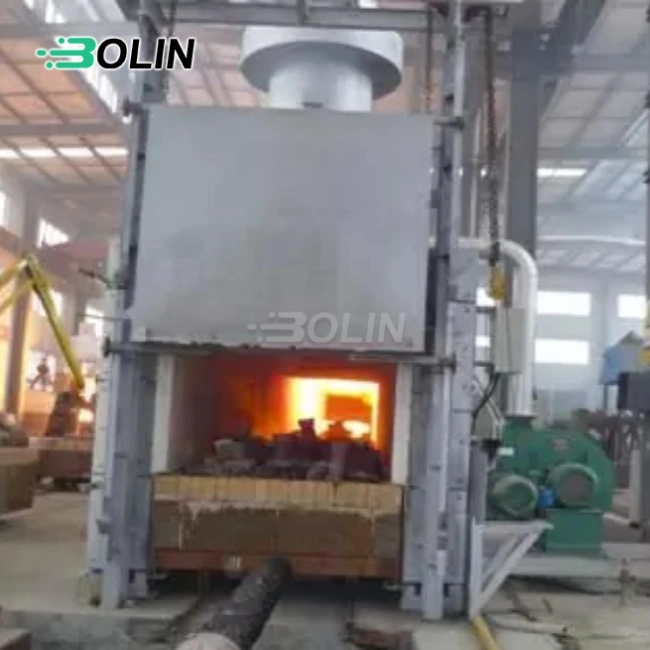
Understanding the Core Challenges Affecting Electric Annealing Furnace Lifespan
Varied jobs exert varied demands on thermal processing equipment, affecting reliability and lifespan. Repair teams can prevent premature failure by understanding these issues.
Common Failure Modes in Heating Systems
Equipment breaks down most often due to worn heating elements. The resistance wire materials Cr20Ni80 and Kanthal progressively oxidize and develop grains when heated and cooled repeatedly. The metal breaks because its structure becomes less conductive and heat resistance increases. Two to five years is the average lifespan of quality heating components. This depends on their workplace and peak temperature. Control system failures are another major issue. Temperature measurement drift, controller calibration errors, and power supply issues might create product quality issues. If manufacturers neglect their programmable logic controllers and thermocouples, they may produce batches that don't meet standards, requiring costly repair or scrap. Wear and tear on insulation uses more energy and keeps heat in less efficiently. Traditional refractory brick linings progressively break at high temperatures. Heat escapes, making heating elements work harder. Modern composite fiber insulation materials resist this shortcoming by maintaining their structure after thousands of heating cycles with negligible heat loss.
Root Causes of Accelerated Deterioration
Inefficient energy consumption frequently indicates underlying issues that accelerate technological breakdown. Maintenance teams should check insulation, heating elements, and control system calibration when furnace rooms don't reach goal temperatures on time or energy usage rises without production. Too much heat damages several furnace parts at once. Extreme temperature swings can permanently damage insulation, deform structural sections, and kill heating elements in minutes. Use two sets of temperature sensors and separate over-temperature protection mechanisms to avoid expensive failures. Poor maintenance is the biggest preventable cause of equipment failure. Industrial locations frequently utilize heat treatment equipment without verifying it. This causes minor issues to escalate into serious failures. Writing down maintenance plans with check times and dates improves equipment reliability.
Comparing Electric Versus Gas Systems
Knowing how various heating methods break down helps repair crews prioritize. Gas-fired systems often have burner wear, ignition control issues, and flue gas route degradation. Check the fuel-air ratio and exhaust system soundness on these machines regularly. Electrically heated units don't need combustion-related maintenance, but they do have other difficulties. Waste gas doesn't lose heat, hence this approach recovers 30% more energy than gas. Carbon-free electric units don't produce surface carburization like gas-fired ones. This makes them ideal for brilliant annealing or precise surface conditions. Manufacturer instructions include crucial operational elements for tool longevity. The recommended temperature ramp rates, dwell periods, and cooling patterns maintain process consistency and prevent thermal shock. Equipment procurement teams should ensure vendors provide thorough operational manuals and competent support.
Best Practices for Maintenance and Energy Efficiency
When organized repair techniques are used, Electric Annealing Furnace equipment becomes a dependable output tool. These methods improve service life and minimize expenses.
Establishing Preventive Maintenance Schedules
Monthly visual checks detect new issues before unforeseen downtime. Maintenance technicians should inspect the heating element linkages for burning, the insulation for cracks, and the door seals. Write down what was found during a check to create historical records of wear and tear and schedule maintenance. Thermal imaging investigations uncover hidden hot zones every year. Infrared cameras detect insulation damage and heating element failure. Thermal irregularities must be addressed to maintain ±3°C temperature constancy for correct metallurgical results and prevent quicker part wear. Test temperature control every three months. Comparing thermocouple values to trackable standards ensures accurate measurements across the process spectrum. Modern PID controllers automatically adjust heating power to maintain temperature profiles if sensor accuracy stays within manufacturer specifications.
Optimizing Energy Consumption
Maintaining proper temperatures affects energy expenditures and equipment life. Heat treatment at the lowest temperature preserves parts and saves electricity. Process engineers should regularly verify metallurgical requirements to ensure operational conservatism hasn't raised setpoint temperatures. Programmable tools outperform manual operation in many respects. Modern multi-zone temperature control systems change heating patterns to job type. This reduces energy waste and improves consistency. An alternative computer control system speeds up operations and captures all data for proper paperwork, improving the process. Modern five-sided furnaces distribute heat evenly across the space. This technology eliminates hot patches and temperature fluctuations that unevenly affect materials and reduces energy needed to attain desired temperatures. When heated parts surround workpieces on five sides, metalworking outcomes are better and cheaper.
Implementing Safety Protocols
Strong safety precautions protect humans and machines when operating or maintaining equipment. The front-mounted cart with parallel drive systems makes loading and unloading large workpieces straightforward and keeps workers out of hot regions. Remote controls increase safety during critical heat operations. Manually lifting large door pieces is eliminated by motor or hydraulic door lifting mechanisms. This reduces workplace injuries and boosts efficiency. Remotely controlling these autonomous devices keeps personnel safe during high-temperature jobs. Automation enhances safety throughout labor. Advanced equipment control systems help machines follow pre-programmed temperature patterns without errors. Workers improve process uniformity and safety by using automated scheduling instead of manual modifications. Modern thermal processing systems start up and reach operating temperatures in an hour. They also use all-fiber insulation to reduce outside temperatures.
Selecting the Right Electric Annealing Furnace for Long-Term Performance
Smart tool selection ensures decades of reliable service. Knowing how Electric Annealing Furnace design influences lifetime lets you purchase products that optimize lifecycle value.
Matching Equipment Type to Production Requirements
Batch burner systems provide producers several possibilities for dealing with different goods or in job shops. These tools handle diverse workloads and enable you to adjust process settings between output runs. When physical stability is crucial for forged vehicle parts or transmission gears, batch processing offers regulated heating and cooling rates for optimal metal results. Continuous burners are good for factories that generate a lot of money by maintaining flow. Automatic manufacturing is enabled because roller hearth and mesh belt designs transport workpieces through specified temperature zones. These devices capture heat treatment cycle data and interact seamlessly with Industry 4.0 production settings for aerospace-grade traceability. Specific activities require clean work environments; hence vacuum-capable setups are useful. When manufacturers must anneal stainless steel, copper foils, or precise electronic items without oxidizing, controlled atmospheres prevent contamination. Using an inert gas to shut the retort chamber creates a safe atmosphere that forces air out, eliminating cleanup.
Evaluating Power and Temperature Specifications
Product performance is closely related to operating temperature. Metallurgical activities from stress relief to grain structure improvement may be performed with modern thermal processing instruments at 100°C to 1300°C. Makers can select systems with power from 5KW to 3000KW to match their manufacturing demands. Specifications for temperature consistency demonstrate equipment performance and design complexity. Uniform metallurgical results are achieved when chamber temperatures are maintained within ±3°C for all work batches. This uniformity prevents hot patches and temperature variances that affect material properties. This reduces waste and improves product dependability. The all-fiber insulation technology outperforms refractory brick construction. Composite fiber materials insulate well but don't retain heat. This speeds up heating, which is useful for cooling operations that need to shift temperatures fast. Ultra-lightweight high-strength microsphere vacuum ball energy-saving bricks save 30% more energy than typical refractory designs when combined with composite fiber insulating cotton.
Partnering with Quality Manufacturers
Long-term equipment efficiency depends on supplier image. Long-established manufacturers with a high reputation might give concepts refined over many years of engineering. Hebei Bolin Electric Furnace Manufacturing Co., Ltd., founded in 2022, is a rising heat treatment equipment company that uses engineering, research, and design to improve thermal processing technologies. Warranty coverage and after-sales service affect business stability. Full service agreements provide you peace of mind and prevent unexpected problems. After a part fails, repair workers need authentic spare parts and trusted supplier support to get equipment back online promptly. Customization ensures equipment fits application demands. Manufacturers with design freedom can adjust output, workspace, and process restrictions. Procurement teams should search for sellers with professional guidance and technology transfer assistance to help in-house teams maintain equipment throughout its life.
Troubleshooting and Upgrading Existing Electric Annealing Furnaces
Active testing and smart modernization extend Electric Annealing Furnace life and improve performance. Increasing current asset value using these strategies works well.
Identifying Early Warning Signs
Monitoring heating elements warns of impending failure before it can be disastrous. You can discover items with greater electrical resistance due to rust or grain development by monitoring power usage. If various sections need more electricity to maintain temperatures, maintenance crews should replace parts during scheduled downtime rather than crises. Control system checks eliminate process irregularities that reduce quality. The thermocouples' temperature readings are accurate over the operating range when checked using adjustable calibrators. Testing the controller output ensures that the power regulation circuits meet process demands and maintain the exact temperature profiles needed for reliable mechanical outputs. Testing insulation condition measures heat efficiency loss over time. Checking the exterior temperatures while the machine is running shows where the insulation inside has worn away, letting heat escape and wasting electricity. Infrared thermography scans inspect insulation without destroying it. This enables you to conduct targeted repairs to restore equipment efficiency.
Implementing Strategic Upgrades
Hand-operated equipment becomes sophisticated production tools with automation retrofits. Logging all data using SCADA-integrated programmable logic devices helps quality management systems track things. By tracking total working hours and heat cycle counts, these innovations simplify preventative maintenance. They achieve this by scheduling service actions optimally. Modern monitoring systems provide tool status and process performance in real time. Temperature profiling equipment ensures that the temperature is the same throughout the job, confirming that the setpoints were accurate. Full tracking systems provide producers the data they need to improve their operations and identify issues. Most significant improvements have a larger ROI than predicted. Real-world uptime and energy economy have improved with targeted modernization efforts. Installation of modern control systems and soundproofing materials frequently extends equipment life by five to ten years and covers expenditures in less than 24 months.
Procurement Insights: Making Informed Purchasing and After-Sales Decisions
Strategic purchasing balances upfront capital and lifespan expenses. Knowing long-term value factors helps consumers choose instruments with the highest financial return.
Evaluating Total Cost of Ownership
The initial purchase price is a modest fraction of the tools' lifetime cost. After decades, energy usage frequently surpasses financial intake by a lot. High-priced equipment with low lifespan costs uses energy-efficient construction and modern insulation technologies. The purchase study should include lifecycle expenses, including energy, maintenance, and materials, to identify the greatest financial value. Customization and specifications greatly impact product performance. Manufacturers should collaborate with suppliers to specify characteristics like controlled environment, automated material handling, and temperature homogeneity. Suppliers should offer entire solutions from design to installation and start-up for companies that employ complete furnace manufacturing lines. Lead times and shipment dates affect production planning time. Equipment producers and end-user building teams must collaborate to prepare infrastructure for large industrial orders. Procurement managers should establish clear channels for suppliers and customers to discuss shipping, installation, and start-up assistance to avoid production delays.
Securing Reliable Technical Support
Easy spare part availability affects equipment performance and maintenance costs. Manufacturers should ensure their suppliers stock heating elements, thermocouples, insulation, and control system parts. Working with merchants that supply original alternative parts allows you to avoid long wait times and ensure quality matches OEM standards. How soon technical support reacts affects operations during repairs. Support teams can diagnose and repair issues with specialist application engineering resources from vendors. Heavy equipment manufacturers' comprehensive training programs help in-house staff enhance performance and undertake routine maintenance. Warranty and service agreements protect you financially if your equipment breaks down early and prove the manufacturer trusts the product. Full coverage of parts and work over lengthy durations suggests the supplier wants the customer to succeed. Buyers should examine the guarantee conditions to comprehend coverage restrictions and make sure the service agreement terms meet company demands.
Conclusion
To maximize heat treatment equipment life, integrate preventative maintenance with smart purchase and operational optimization. When manufacturers coordinate inspection, tighten process controls, and employ reputable suppliers, they receive more reliable equipment at a lower TCO. Innovative designs make modern systems more energy-efficient and consistent in metal fabrication. Composite fiber insulation, five-sided heating, and complicated automation are included. By adopting this guide's proven techniques, industrial organizations may considerably extend equipment life while competing and meeting global manufacturing markets' higher quality criteria.
FAQ
What temperature range should I maintain for optimal equipment lifespan?
Staying within manufacturer temperature ranges protects heating elements and shielding systems from thermal stress. The method works well with systems that can work at 100°C to 1300°C. Since they don't utilize high temperatures that degrade parts faster.
How often should repairs be checked?
Equipment is tracked by monthly visual inspections, three-month control calibrations, and annual thermal imaging scans. Production facilities may need more inspections, whereas activities with smaller work cycles might prolong the time between checks without impacting dependability.
What advantages do electric systems offer compared to gas alternatives?
Instead of losing heat to waste gas, electrically heated units recover 30% more energy than gas-fired ones. Electric systems are ideal for bright annealing activities that need precise surface conditions and atmospheric control because the carbon-free heating environment prevents surface decarburization and carburization.
Can automated production use existing equipment?
Because they employ PLCs and SCADAs, modern control systems can log data and conduct procedures automatically. Industry 4.0 features like full traceability, predictive maintenance scheduling, and simple integration into digital production settings may be achieved by automating outdated machinery.
Partner with Bolin for Superior Heat Treatment Solutions
Hebei Bolin Electric Furnace Manufacturing Co., Ltd. specializes in delivering advanced thermal processing systems engineered for exceptional longevity and operational efficiency. Our comprehensive product portfolio includes energy-efficient heat treatment furnaces, automated production lines, and customized solutions tailored to demanding industrial applications. As an experienced Electric Annealing Furnace manufacturer, we combine cutting-edge technology research with rigorous quality standards to support your long-term production objectives. Contact our technical team at 15720259172@163.com to discuss your specific heat treatment requirements and receive detailed specifications for equipment designed to maximize your operational investment.
References
1. Davis, J.R. (2023). Heat Treatment Equipment Maintenance and Optimization Strategies for Industrial Applications. Materials Engineering Press.
2. Thompson, M.A. & Williams, K.L. (2022). Energy Efficiency in Electric Resistance Heating Systems: Design and Operational Considerations. Industrial Thermal Processing Journal, 44(3), 127-145.
3. International Heat Treatment Association. (2024). Best Practices for Extending Furnace Service Life in Manufacturing Environments. Technical Standards Publication 2024-07.
4. Roberts, P.D. (2023). Advanced Insulation Materials for High-Temperature Industrial Furnaces. Thermal Engineering Quarterly, 31(2), 88-104.
5. Anderson, C.H. & Martinez, S.R. (2022). Lifecycle Cost Analysis for Industrial Heat Treatment Equipment Procurement. Manufacturing Economics Review, 18(4), 212-229.
6. National Association of Heat Treatment Professionals. (2023). Electric Versus Gas Annealing Systems: Comparative Performance Analysis. Industry Research Report Series, Volume 16.
Learn about our latest products and discounts through SMS or email