- English
- French
- German
- Portuguese
- Spanish
- Russian
- Japanese
- Korean
- Arabic
- Irish
- Greek
- Turkish
- Italian
- Danish
- Romanian
- Indonesian
- Czech
- Afrikaans
- Swedish
- Polish
- Basque
- Catalan
- Esperanto
- Hindi
- Lao
- Albanian
- Amharic
- Armenian
- Azerbaijani
- Belarusian
- Bengali
- Bosnian
- Bulgarian
- Cebuano
- Chichewa
- Corsican
- Croatian
- Dutch
- Estonian
- Filipino
- Finnish
- Frisian
- Galician
- Georgian
- Gujarati
- Haitian
- Hausa
- Hawaiian
- Hebrew
- Hmong
- Hungarian
- Icelandic
- Igbo
- Javanese
- Kannada
- Kazakh
- Khmer
- Kurdish
- Kyrgyz
- Latin
- Latvian
- Lithuanian
- Luxembou..
- Macedonian
- Malagasy
- Malay
- Malayalam
- Maltese
- Maori
- Marathi
- Mongolian
- Burmese
- Nepali
- Norwegian
- Pashto
- Persian
- Punjabi
- Serbian
- Sesotho
- Sinhala
- Slovak
- Slovenian
- Somali
- Samoan
- Scots Gaelic
- Shona
- Sindhi
- Sundanese
- Swahili
- Tajik
- Tamil
- Telugu
- Thai
- Ukrainian
- Urdu
- Uzbek
- Vietnamese
- Welsh
- Xhosa
- Yiddish
- Yoruba
- Zulu
What Innovations Are Improving Trolley Type Heat Treatment Furnaces?
Modern industry is straining heat processing equipment. New Trolley Type Heat Treatment Furnace technology uses clever machinery, improved materials, and energy-efficient designs to solve long-standing challenges. These new concepts focus on even temperatures, cost reduction, safety requirements, and digital tracking. Manufacturers may now use multi-zone heating controls, ceramic fiber modules, IoT-enabled predictive maintenance, and atmosphere control systems to ensure precise metallurgical results while reducing environmental impact.
Understanding the Basics of Trolley Type Heat Treatment Furnaces
What Makes Trolley Furnaces Different from Traditional Systems
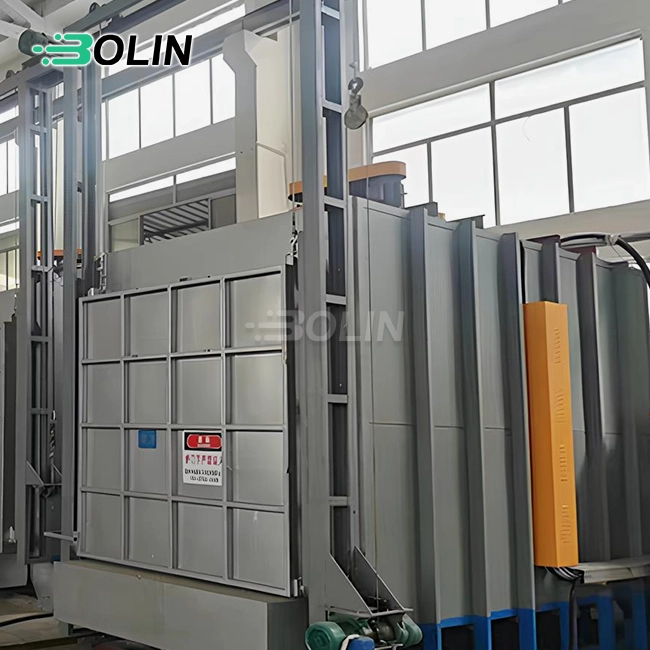
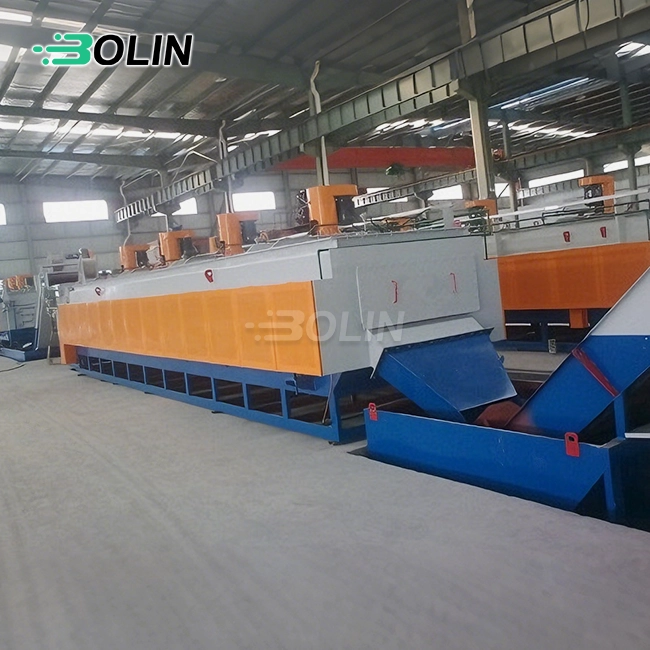
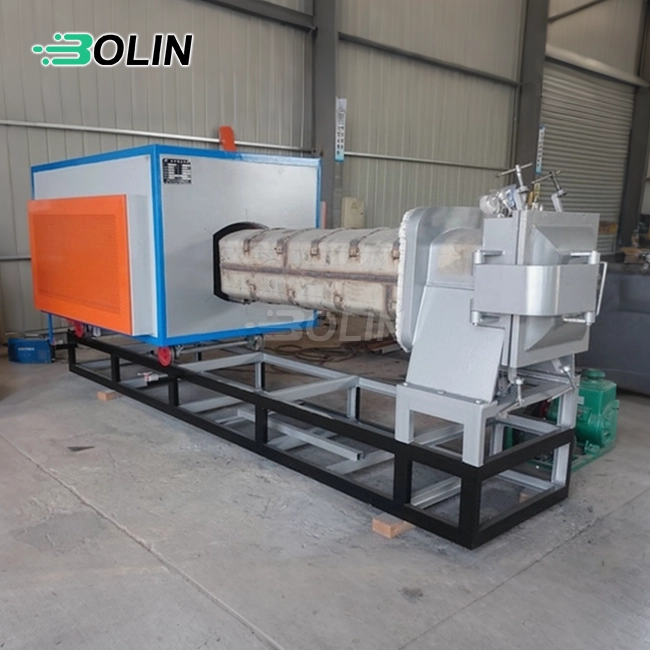
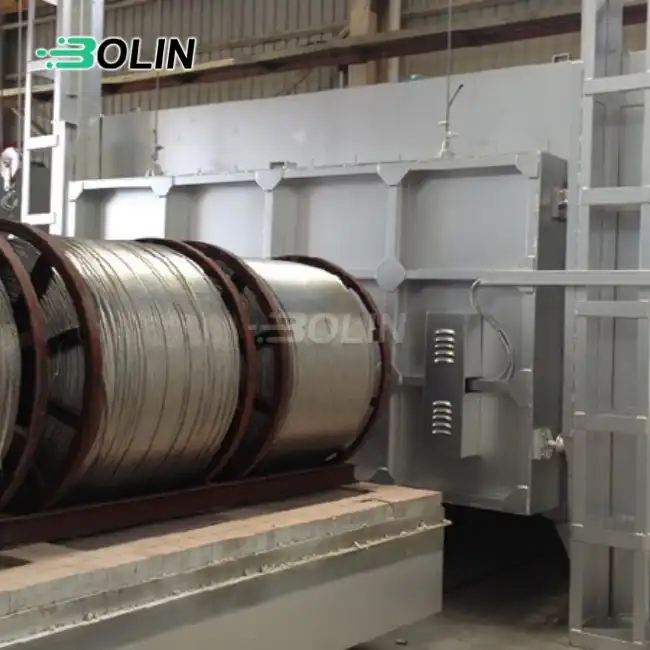
Loading and removing large metal pieces that need precision heat treatment might slow down your production process. The Trolley Type Heat Treatment Furnace can assist. This industrial heating system includes a rail-mounted hearth. This enables you to roll heavy work inside the furnace room after putting it outdoors. The trolley platform, which can carry 200 tons in industrial settings, the heating room with refractory linings, and complicated temperature control systems are the primary components. Stationary furnaces require pieces to be put in hot chambers. However, the trolley mechanism brings the work area to the user, making it safer and more efficient.
Operating Principles and Temperature Capabilities
We may utilize these furnaces for several heating operations since they can function at 100°C to 1300°C. Trolleys follow properly designed and built tracks. After entering the chamber, automatic sealing mechanisms manage the atmosphere. Gas burners or electric resistance elements in properly organized zones heat the space. The working notion is batch processing that runs periodically. Workers load the workpieces onto the trolley outside the furnace and wheel it inside the heating chamber. Pneumatic or sand seals close the Trolley Type Heat Treatment Furnace body gap. This keeps heat in and the environment under control during the process.
Common Challenges in Traditional Furnace Operations
Despite their merits, earlier Trolley Type Heat Treatment Furnaces faced issues when utilized. Hot and cold patches persisted in large rooms due to door losses and unequal load densities. Because refractory materials broke down with temperature and heavy loads wore down mechanical parts, maintenance was always difficult. Energy consumption was another concern. Older models with thick refractory brick linings were longer to heat up and used too much fuel while not in use. Before reaching operating temperatures, old insulation absorbed a lot of energy. This directly affected industrial costs and environmental harm.
Innovations Transforming Trolley Type Heat Treatment Furnaces
Advanced Temperature Control Systems
With clever sensor integration and automated control algorithms, heat processing is more accurate than before. Modern Trolley Type Heat Treatment Furnaces include multi-zone heating systems that can adjust room power. This compensates for heat loss near doors and fire load density variation. The temperature can be maintained within ±5°C throughout the chamber, meeting AMS 2750F Class 2 requirements. High-speed circulation fans distribute heat, and thermocouples at crucial workplace areas provide programmable logic controls in real time. These systems automatically vary the heating element output, so conditions remain the same regardless of load or external causes. Energy efficiency is improved via intelligent power regulation that reduces usage during non-critical periods. Modern CPUs don't always run hot. Instead, they increase heating based on workpiece bulk and quality. This boosts heat transmission and saves waste.
Enhanced Insulation and Heat Zone Design
Material science advances have altered furnace construction. Ultra-light microsphere vacuum bricks and hybrid ceramic fiber modules have less thermal mass than normal refractory bricks. This speeds up heating and cooling, lowering energy costs per batch and increasing productivity. After idleness, furnaces may quickly attain operating temperatures and cool down so maintenance men can access them due to decreased thermal inertia. These systems consume 30–40% less energy than brick-lined systems, according to manufacturers. Because lighter construction reduces structural load needs, greater room forms may be constructed without increasing building reinforcing costs. Premium insulating materials resist temperature shock and mechanical stress, extending furnace life. Modular fiber panels are easier to maintain and repair since broken portions may be replaced without relining. Modularity helps you make adjustments to meet your demands, with the proper insulation thickness and density for your temperature ranges.
IoT Integration and Predictive Maintenance
Internet of Things technology transforms furnace operation and maintenance. Real-time monitoring systems monitor temperature profiles, atmospheric composition, heating element resistance, motor current draw, and seal integrity. They deliver data to cloud analytics systems. Past performance data is used by predictive maintenance programs to identify part failure tendencies. Instead of scheduling maintenance at predetermined periods regardless of wear, workers are warned when components are nearing their end of life. This prevents production from being halted by unanticipated issues and premature part replacement. Remote control allows technicians to adjust process parameters, rectify issues, and monitor several burners from a central control room. Automated notifications notify staff of deviations during after-hours activities. This allows them to act fast to avoid batch rejection or equipment damage. Connectivity reduces downtime, increases consistency, and saves operational costs by making maintenance planning easier.
Atmosphere Control and Sealed Chamber Technology
Modern Trolley Type Heat Treatment Furnace designs complicate controlled atmosphere procedures. Sealed trolley types provide fine gas control for brilliant annealing in hydrogen or nitrogen atmospheres, carburizing to harden the surface, and neutral atmospheres to inhibit oxidation and decarburization. Gas-tight operation is assured by automatic sand seals or soft-fiber compression seals with air locking mechanisms at the Trolley Type Heat Treatment Furnace interface. These sealing systems maintain the environment pure even when temperatures fluctuate, preventing contamination that may compromise metallurgical findings. Gas supply system sensors monitor oxygen, carbon potential, and humidity to properly assess the environment. Automatic modifications maintain desired conditions throughout heating. This maintains case depths during carburizing and prevents surface reactions during bright annealing. This control was previously only available in continuous lines or smaller batch ovens.
Safety Enhancements and Compliance Features
Since loading and dumping are outside the hot zone, the workplace is safer. Your employees don't encounter direct heat or hot surfaces at room temperature. This reduces occupational injuries and improves safety. Emergency stop systems, interlocking doors, and automated problem detection systems make people safer. Modern stoves and heaters meet or exceed international safety requirements like NFPA 86. Automatic flame, temperature, and environment monitoring devices prevent harmful situations. Pressure release mechanisms prevent overpressurization, and ventilation interlocks ensure exhaust works before flammable atmospheres form. Emission control technologies improve because individuals must respect environmental laws. Burners with delayed combustion and correct air-fuel ratios produce less NOx. Exhaust systems capture particulates and volatile compounds before they enter the air. This helps manufacturers fulfill tighter air quality criteria.
Comparing Trolley Type Furnaces with Other Heat Treatment Solutions
Energy Consumption and Operational Efficiency Analysis
Energy expenses are frequently the highest operating cost of heat processing equipment. Current Trolley Type Heat Treatment Furnaces with insulation and control systems utilize 25–35% less energy per kilogram of material processed than earlier pit furnaces. Moving hearths eliminate heat loss from open-top pit stoves. Batch furnaces without trolley systems need workers to manually place loads in hot chambers, limiting their safety. This reduces batch size and increases heating frequency, which uses more energy. The trolley system enables you to put larger batches outside the furnace and wheel full assemblies into heated rooms, maximizing heat consumption. Chamber size, heat speed, and loading ability determine how much can be handled. A well-designed Trolley Type Heat Treatment Furnace system can handle 30–50% more material each shift than pit or fixed batch furnaces of the same size since it loads faster and transfers items. External loading allows the next batch to be prepared while the current load is processed, reducing equipment downtime.
Maintenance Requirements and Equipment Longevity
Different Trolley Type Heat Treatment Furnaces require different upkeep. Walking and placing items on a pit fire burns down the refractory faster. With trolley systems, individuals don't walk on hot spots, extending refractory life. The Trolley Type Heat Treatment Furnace rails, wheels, and drive systems need periodic inspection, although they function in cooler, less thermally stressed places. Refractory inspection guidelines recommend monthly eye examinations and comprehensive thermal imaging scans every six months to detect fiber shrinkage or mechanical damage before it breaks. Modular panel structure simplifies repairs in modern designs. Instead of days to mend a brick, damaged pieces may be replaced in hours. Maintenance makes parts accessible. The mobile hearth allows you to see and fix the room without entering a tight space. Heating elements, thermocouples, and airflow fans can be fixed outside the hot zone. This reduces downtime and protects technicians.
Price and Capacity Considerations for Procurement
Trolley Type Heat Treatment Furnaces cost more to build than batch furnaces of the same size due to their motor systems and sealing technologies. In contrast, total cost of ownership studies demonstrate significant economic benefits. Higher buy prices are offset in 2–4 years by decreased energy usage, less effort, and longer equipment lifespan for high-use enterprises. Consider capacity expansion costs. Custom chamber sizes meet workpiece forms and output needs. Adjustable Trolley Type Heat Treatment Furnace framework may work with tiny batches of automotive parts or vast volumes of spaceship structural elements. So, your production doesn't have to suit traditional equipment. Professional buyers should examine the furnace's capacity to its demands, taking into account future expansion. Too much equipment loses money and energy, while too few burners delay productivity. Reliable providers give technical guidance to ensure that equipment specs match corporate objectives, maximising capacity.
Choosing and Procuring the Right Trolley Type Heat Treatment Furnace
Critical Selection Criteria for Industrial Applications
When picking Trolley Type Heat Treatment Furnaces, weigh technical requirements against practical demands. The chamber must fit your largest works while allowing loading and thermal expansion. With a safety buffer for components, tools, and fixtures, load capacity should exceed predicted weights. Temperature range and burning rate determine process adaptability. Equipment built to function at 100 to 150°C greater than typical allows for particular usage and compensates for aging components. Heating rates affect work capacity. Faster temperature fluctuations reduce cycle times but need more power and refractory systems. Automation and combining talents are more crucial in buying decisions. This technology can log data, work with industrial execution systems, and be accessed remotely, making it part of the production management infrastructure. Common communication mechanisms like OPC-UA make merging easy, but proprietary systems may be difficult to maintain.
Supplier Reliability and After-Sales Support
Equipment reliability depends on design parameters and manufacturing skill. Bolin and other thermal processing experts provide systems that have been tested in thousands of deployments. Manufacturing expertise, including in-house planning, machining, and assembly, ensures quality throughout. Warranty periods indicate that the manufacturer trusts the equipment's stability. Full parts, labor, and performance warranties for 12–24 months prevent early failures. For companies without thermal processing professionals, service contracts and extended warranties provide continuing assistance. Support after the sale distinguishes outstanding sellers from commodity vendors. Training programs teach operators and repair workers how to operate and maintain tools and solve problems. Quick technical support, easy-to-find parts, and field service alternatives reduce downtime. Suppliers with local service centers can respond faster than those with global personnel.
Custom Solutions and OEM Collaboration Benefits
Many tasks can be done using standardized equipment, but some require distinctive designs. Together with OEMs, you may customize the chamber's size, heating systems, environment controls, and automation. Custom solutions are available for odd-shaped workpieces, mechanical demands, and manufacturing processes. Engineering assistance during purchase ensures that specs meet operational needs. A rigorous application analysis identifies the most essential success factors and potential issues before equipment design. Thermal modeling predicts how evenly and quickly your load arrangements will heat up. This ensures good performance before manufacturing. Long-term equipment manufacturer ties are valuable after installation. Existing connections simplify tool changes, capacity increases, and technology upgrades as production demands evolve. Suppliers that know your business and have worked on comparable projects might assist you in optimizing efficiency and procedure.
Future Trends and Innovations in Trolley Type Heat Treatment Furnaces
Industry 4.0 and Smart Factory Integration
Digitalization in manufacturing is still affecting heat processing. Programs that apply artificial intelligence consider the object's material, shape, and intended metallurgical effects to choose the optimal heating profiles. Machine learning algorithms identify trends that people overlook by analyzing thousands of processing cycles. They advise parameter modifications to improve consistency and save energy. Integrating furnaces with ERP systems is smart manufacturing integration. This helps the systems autonomously schedule production depending on order priority, energy cost, and equipment availability. You can model and enhance operations before changing production furnaces with digital twins. This reduces experiment costs and speeds development. Augmented reality maintenance solutions assist personnel in performing complex repairs by overlaying digital instructions on equipment with smart glasses or tablets. Experienced experts can remotely diagnose the problem and teach local staff how to remedy it, reducing downtime and maintenance expenses.
Environmental Sustainability and Energy Efficiency
Rules and business commitments to the environment force furnaces to become more energy efficient and pollutant-free. Advanced staging and fuel-air mixing allow next-generation burners to provide very low NOx emissions. Green energy-powered electric heating systems do not pollute via direct combustion, helping achieve carbon neutrality. Waste heat recovery systems heat process water, combustion air, and buildings using exhaust energy. This boosts thermal efficiency by 15–25%. Combined heat and power systems generate energy from waste heat, balancing a building's power demands. Furnaces can become partial power generators using this technology, improving environmental measures. New insulating materials will reduce thermal bulk and perform better at high temperatures. Aerogel composites with vacuum insulation panels might lead to 50% less energy-intensive designs than current pricey systems. Thermal processing would become economical for energy-intensive processes.
Digital Transformation in Procurement and Operations
Digital shops with improved technical expertise, virtual demos, and design collaboration tools are selling more equipment. Three-dimensional configurators help purchasers see how equipment will be set up, check out possibilities, and obtain comprehensive prices without emailing. Virtual reality facility walkthroughs demonstrate equipment operation and maintenance before buying. Blockchain technology might soon transform equipment management via stored, unchangeable records of its manufacture, installation, maintenance, and usage. This transparency boosts confidence in used equipment for resale and verifies quality requirements in regulated sectors. Smart contracts may automatically submit warranty claims, schedule maintenance, and buy components based on sensor conditions. Equipment subscription schemes are new alternatives to owning capital equipment. Companies may rent furnaces with performance guarantees and pay depending on production or processing. This increases supplier risk and reduces consumer financial needs, which may accelerate technology adoption.
Conclusion
Thermal processing combines old-fashioned metalworking with modern computer technologies. Modern Trolley Type Heat Treatment Furnace systems provide unprecedented precision, efficiency, and operating comprehension due to smart controls, superior materials, and connectivity. These innovative technologies answer long-standing challenges and prepare companies for the future, whether you're making massive industrial forgings, rocket structures, or automotive parts. Strategic equipment decisions and supplier connections will affect your production and market position for years to come. Compare technical requirements, total ownership costs, and supplier capabilities to achieve the best application outcomes.
FAQ
How do modern trolley furnaces improve process efficiency compared to traditional options?
Modern designs with low thermal mass insulation heat faster, reducing cycle times. External loading increases safety and speed by reducing the time workers spend assembling parts in hot rooms. Automated controls tighten temperature restrictions, reducing rejections and repairs. Multi-zone heating adjusts for load fluctuations that caused inconsistent outcomes.
What maintenance practices extend trolley furnace service life?
Refractories are checked for wear before failure. Visual examinations should be done monthly and thermal imaging scans every six months. Lubricating Trolley Type Heat Treatment Furnace rail systems and drive mechanisms as instructed by the manufacturer prevents mechanical wear. Heating element resistance testing can identify worn elements that require replacement before they fail. Atmosphere system leak testing ensures seals are operating correctly, preventing costly pollution that damages metalworking and accelerates interior corrosion.
How should manufacturers select reliable furnace suppliers?
Ask current customers about the company's production, installation, and industry reputation. Engineering tools, production sites, and quality certifications are technical skills. Review guarantee conditions, part availability, and service turnaround claims. Long-term, it's preferable to buy from providers who give comprehensive assistance, from initial meeting to installation, operator training, and expert support, than equipment-only vendors.
Partner with Bolin for Advanced Trolley Type Heat Treatment Furnace Solutions
For harsh industrial environments, Hebei Bolin Electric Furnace Manufacturing Co., Ltd. produces bespoke heat processing systems. The latest automation, energy economy, and process control concepts are used in our Trolley Type Heat Treatment Furnace designs to deliver producers accurate, dependable metallurgical results. We provide entire solutions, from consulting and custom construction to installation, operator training, and technical support, as an experienced manufacturer and supplier.
Our manufacturing expertise allows us to work on basic layouts to completely customized production lines with numerous furnace systems, automated process control, and material handling. Whether you require equipment for strengthening automobile parts, annealing aerospace structures, or heavy forging heat treatment, our technical team customizes solutions. To acquire technical guidance, performance specs, or low prices for a Trolley Type Heat Treatment Furnace for sale that meets your demands, email us at 15720259172@163.com.
References
1. Davis, J.R. (2002). Surface Hardening of Steels: Understanding the Basics. ASM International, Materials Park, Ohio.
2. Chandler, H. (1995). Heat Treater's Guide: Practices and Procedures for Irons and Steels, 2nd Edition. ASM International, Materials Park, Ohio.
3. Totten, G.E., Howes, M.A.H., & Inoue, T. (2002). Handbook of Residual Stress and Deformation of Steel. ASM International, Materials Park, Ohio.
4. Krauss, G. (2015). Steels: Processing, Structure, and Performance, 2nd Edition. ASM International, Materials Park, Ohio.
5. SAE International (2012). AMS 2750F: Pyrometry Standard, Society of Automotive Engineers, Warrendale, Pennsylvania.
6. National Fire Protection Association (2019). NFPA 86: Standard for Ovens and Furnaces, NFPA, Quincy, Massachusetts.
Learn about our latest products and discounts through SMS or email