- English
- French
- German
- Portuguese
- Spanish
- Russian
- Japanese
- Korean
- Arabic
- Irish
- Greek
- Turkish
- Italian
- Danish
- Romanian
- Indonesian
- Czech
- Afrikaans
- Swedish
- Polish
- Basque
- Catalan
- Esperanto
- Hindi
- Lao
- Albanian
- Amharic
- Armenian
- Azerbaijani
- Belarusian
- Bengali
- Bosnian
- Bulgarian
- Cebuano
- Chichewa
- Corsican
- Croatian
- Dutch
- Estonian
- Filipino
- Finnish
- Frisian
- Galician
- Georgian
- Gujarati
- Haitian
- Hausa
- Hawaiian
- Hebrew
- Hmong
- Hungarian
- Icelandic
- Igbo
- Javanese
- Kannada
- Kazakh
- Khmer
- Kurdish
- Kyrgyz
- Latin
- Latvian
- Lithuanian
- Luxembou..
- Macedonian
- Malagasy
- Malay
- Malayalam
- Maltese
- Maori
- Marathi
- Mongolian
- Burmese
- Nepali
- Norwegian
- Pashto
- Persian
- Punjabi
- Serbian
- Sesotho
- Sinhala
- Slovak
- Slovenian
- Somali
- Samoan
- Scots Gaelic
- Shona
- Sindhi
- Sundanese
- Swahili
- Tajik
- Tamil
- Telugu
- Thai
- Ukrainian
- Urdu
- Uzbek
- Vietnamese
- Welsh
- Xhosa
- Yiddish
- Yoruba
- Zulu
What Makes High-Temperature Cotton Cost-Effective for Industrial Use?
High-temperature cotton is cost-effective for industrial usage because of its strong heat resistance (1000°C to 1430°C), low thermal conductivity (0.09–0.15 W/mK at 600°C), and longevity that reduces replacement cycles. This ceramic fiber refractory saves 15–30% on fuel compared to heavyweight refractories and shrinks less than 3% linearly after long-term exposure. The material's small weight (64-160 kg/m³ bulk density) and chemical stability increase durability in demanding industrial conditions, resulting in lower costs and extended equipment life.
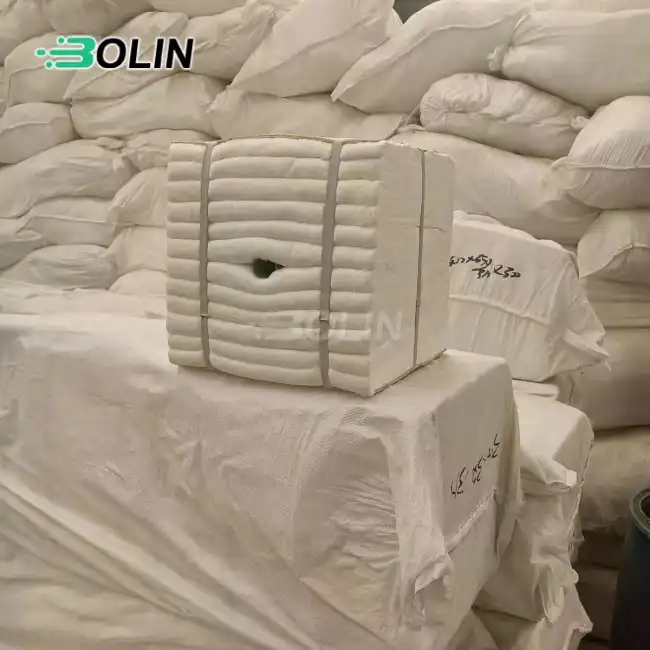
Understanding High-Temperature Cotton: Properties and Benefits
What Defines This Advanced Insulation Material
High-temperature cotton is transformed by refractory ceramic fiber insulation. The precision blowing of high-purity alumina-silica compounds creates this material with 2–5 micron thread diameters. Finer than mineral wool. The small fiber structure creates many air pockets that hinder heat transmission. It is necessary for furnace linings, kiln construction, and high-temperature pipe systems. Ceramic fiber blankets survive thousands of heating cycles, unlike traditional insulation.
Core Performance Specifications That Matter
Technical considerations directly impact operational expenses. At 600°C, thermal conductivity values of 0.09-0.15 W/m·K result in reduced heat transfer through furnace walls, resulting in significant fuel savings. Classification temperatures between 1000°C and 1430°C provide perfect process matching without engineering. Bulk densities vary from 64 to 160 kg/m³. Higher densities can bear mechanical stress from fast-moving gas streams, whereas lower densities insulate better. Meeting ASTM C892 and ISO 10635 standards assures consistent quality throughout purchasing batches. This eliminates performance deviations from non-specified materials.
Safety and Environmental Advantages
Previous health concerns prevented individuals from employing refractory ceramic fibers; however, new bio-soluble fiber formulae overcome that. These sophisticated compounds dissolve in lung fluids when breathed in. They fulfill rigorous EU Directive 97/69/EC criteria and work effectively at high temperatures. Because it's mainly artificial, it doesn't burn or emit toxic fumes, making workplaces safer. Sound absorption reduces burner and material handling equipment noise; thus, separate acoustic solutions are rarely needed. Industrial reactions involving sulfur dioxide, carbon monoxide, and hydrogen atmospheres are stopped by chemical inertness. Strong alkalis, hydrofluoric acid, and phosphoric acid damage fiber structure.
Cost-Effectiveness Compared to Alternative Materials
Direct Material Cost Analysis
Ceramic fiber insulation pricing depends on categorization temperature, bulk density, and order quantity. Standard 1260°C grades cost less per kilogram than specialist 1430°C formulas, although both are cheaper than aramid fiber choices. When you buy above 500 kg, you save a lot per unit. Some companies provide tiered pricing that cuts unit expenses by 12–18% when you buy more. Custom sizes, density ranges, and packing patterns cost 5–15% more but eliminate needless field adjustments and installation delays.
Lifecycle Cost Comparison
The economic advantage of automobile ownership becomes apparent when all costs are added together. Although fiberglass insulation is inexpensive, it breaks down fast in heat and must be changed every 18–24 months in high-temperature circumstances. Ceramic fibre blankets endure 5–7 years despite costing more. While silica-based polymers can withstand extreme temperatures, their flexibility makes installation difficult and generates thermal stress fractures that must be repaired often. Refractory ceramic fiber bends to temperature fluctuations, preventing stress fractures in rigid insulation systems. Maintenance expenses are 40–60% lower than heavyweight refractory bricks, which must be removed from the oven for repairs.
Energy Savings Impact on ROI
Low thermal mass has immediate practical benefits. Ceramic fiber insulation uses 70–80% less energy than thick refractory brick at start-up. The machine will heat up quicker and consume less fuel during batch activities. Industrial clients report savings of $15,000 to $45,000 per medium-sized boiler after replacing old insulation with new. The reduced shell temperatures—often 100 to 150°C cooler than brick-lined equivalents—extend structural steel life and reduce work area cooling needs.
Industrial Applications Highlighting Cost Efficiency
Furnace and Kiln Lining Systems
Heat treatment equipment manufacturers are increasingly using ceramic fiber insulation in hot-face settings exceeding 1000°C. The high-temperature cotton performs well in heating lines and hardening ovens with rapid temperature changes. It may be installed around burner ports, thermocouple penetrations, and door seals without cutting and shaping hard materials for a long period. Aluminum melting furnaces benefit from non-wetting because liquid metal cannot enter the fiber structure. This cleans fibers and extends lining life by 30–50% over castable refractories.
Steam Generation and Distribution Infrastructure
Power plants and chemical processing plants with fluctuating temperatures use ceramic fiber blankets to insulate steam pipes. It is an effective insulator from room temperature to 450°C since it does not break down. Distribution pipes lose less heat, reducing fuel usage. Typical 200-meter steam line repairs reduce energy waste by 12–18% and pay for themselves in 14–22 months. Regular pipe insulation maintenance lasts 18 months to 4–5 years with correctly fitted ceramic fiber systems.
Expansion Joints and Thermal Barriers
Flexible heat shield applications demonstrate the material's unique utility. Industrial heater expansion joints must respond to size variations without losing thermal seal. Ceramic fiber packing is strong after thousands of compression and inflation cycles. This prevents hot gas escape, reducing process efficiency. Back-up insulation beneath hard refractories cools shells by 150–200°C. It protects structural steel and makes furnace covers cheaper and smaller. This design reduces building costs by 8–12% and improves heat management.
Procurement Guide for B2B Clients: Maximizing Value When Buying Insulation Materials
Specification Selection Criteria
Know your process's thermal profile to match categorization temperature to operating circumstances. Working within 50–100°C of the classification temperature accelerates fiber devitrification and shrinkage, reducing service life. To ensure safety, procurement managers should request items labeled 100 to 150°C above the process's maximum temperature. Thermal performance and mechanical demands must be considered while determining bulk density. Densities 64-96 kg/m³ are ideal for covered hot-face applications, whereas grades 128-160 kg/m³ are durable in high-velocity gas streams. Shot content analysis (non-fibrous pieces should be below 15%), linear shrinkage testing, and ASTM C892 certification papers are quality controls.
Supplier Evaluation and Quality Assurance
Reputable suppliers employ XRF to assess alumina-silica ratios and chemical purity. Tensile strength testing ensures blanket-form items can withstand fitting and quick gas flow without ripping. Stable bulk density ensures thermal resistance and consistent R-values throughout production runs. Normal standards have 3–6-week lead times, while rapid manufacturing costs 10–20% more. Minimum order quantities vary by source. Famous manufacturers require 250 to 500 kg; however, intermediaries may handle lower volumes but charge extra.
Total Cost of Ownership Optimization
B2B buying strategies should consider landing expenses, such as freight, import customs taxes, and storage space. Bulk purchases lower unit costs, but you need appropriate storage space and effective inventory management to avoid damage or wetness. Knowing a favored source can earn you cheaper discounts, faster service when supplies are limited, and application-specific technical support. Payment terms impact cash. 60–90-day periods demand less operating capital than prepayment, although sellers may provide 2%–3% early payment incentives.
Best Practices for Handling and Maintaining Ceramic Fiber Insulation
Installation Safety Protocols
Correct placement ensures safety and accuracy of high-temperature cotton. Inorganic tiny threads can damage skin and lungs when touched. NIOSH-approved respirators, long-sleeved protective clothes, and safety glasses provide minimal physical protection. Using spray to reduce dust while cutting reduces airborne fibers. HEPA-filtered vacuums should remove loose fibers instead of pressurized air, which distributes contaminants across the workspace. Ceramic fiber blankets need support mechanisms to prevent sliding or loosening as temperatures change; thus, installers should learn how to hold them.
Storage and Moisture Management
Fibers don't like water, although liquid water can penetrate between them and temporarily impair thermal performance. Storage spaces must be dry and below 60% relative humidity to prevent moisture damage. Packaging should be covered until installed to reduce pollution. Drying wet material restores thermal properties if there were no chemicals. Because biological impurities smoke and smell when heated to 250°C, oil, chemical, and mold-grown materials should be discarded.
Inspection and Service Life Extension
Regular checks detect wear and tear before a severe breakdown. Burnt fibers, mechanical damage, and high-speed gas erosion should be obvious. Hot patches in thermal imaging scans indicate insulation gaps or stress. If fiber loss exceeds 5%, the operating temperature exceeded classification limits, or a chemical assault occurred. Replacement costs 10–15% of relining, but targeted repairs with appropriate materials extend service life. Recording inspections and maintenance findings helps plan future replacements.
Conclusion
Ceramic fiber insulation saves money by reducing energy usage, equipment wear, and maintenance. Heat efficiency decreases fuel expenditures by 15–30% compared to typical refractories, and flexibility makes installation in complicated forms easier. Durability—it retains its form after thousands of heat cycles with less than 3% shrinkage—reduces replacement costs. Bio-soluble formulations fulfill stringent legal and health and safety criteria without impairing performance. If procurement professionals can utilize standard criteria, analyze suppliers, and calculate the total cost of ownership, they may pick the best supplies for their needs, improving operations and saving money.
FAQ
What distinguishes bio-soluble fibers from standard refractory ceramic fiber?
Bio-soluble formulations break down in lung fluids if breathed in, reducing long-term health risks according to EU Directive 97/69/EC. They can be used at lower temperatures (1000–1200°C) than traditional alumina–silica fibers (up to 1430°C) but must follow stricter safety rules at work. Changing the chemical makeup makes the material bio-soluble without impairing heat performance for most commercial usage.
How does bulk density affect insulation performance and cost?
Lower densities (64-96 kg/m³) increase heat resistance but decrease breaking strength, making them ideal for covered hot-face applications. Higher density (128-160 kg/m³) improves impact and gas loss resistance and enhances heat transfer. Every density grade increases cost by 15–25%. The optimum density balances heat efficiency and mechanical application demands.
Can ceramic fiber insulation withstand moisture exposure during installation?
Fibers don't like water, yet it fills air gaps, lowering thermal characteristics. After drying, performance returns to normal if the water did not include contaminants. Store items in dry areas (below 60% relative humidity) and seal them until installation to minimize moisture issues.
Partner with Bolin for Superior Heat Treatment Solutions
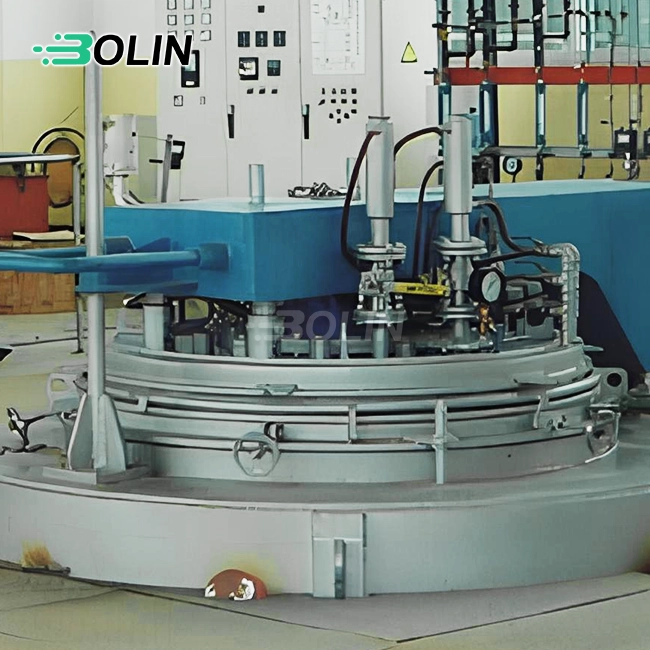
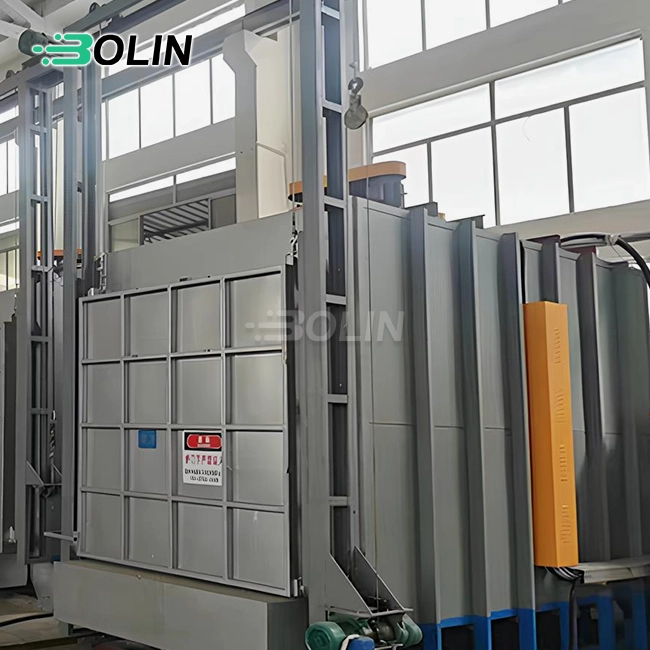
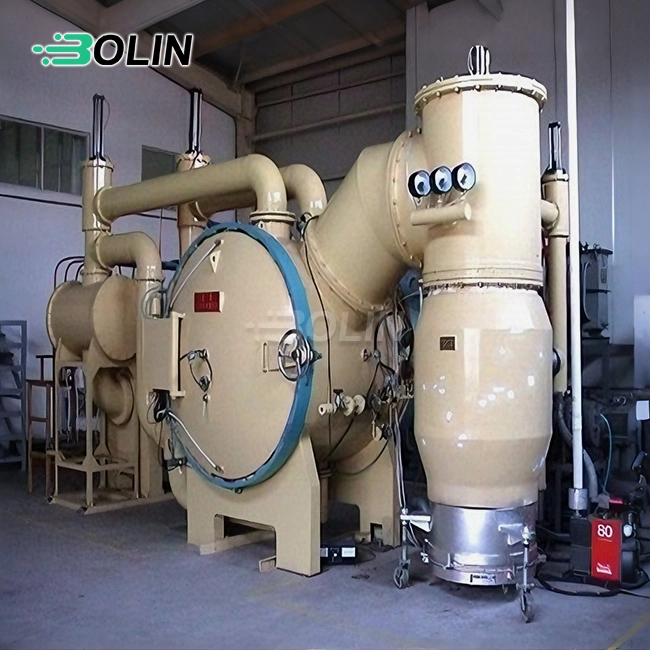
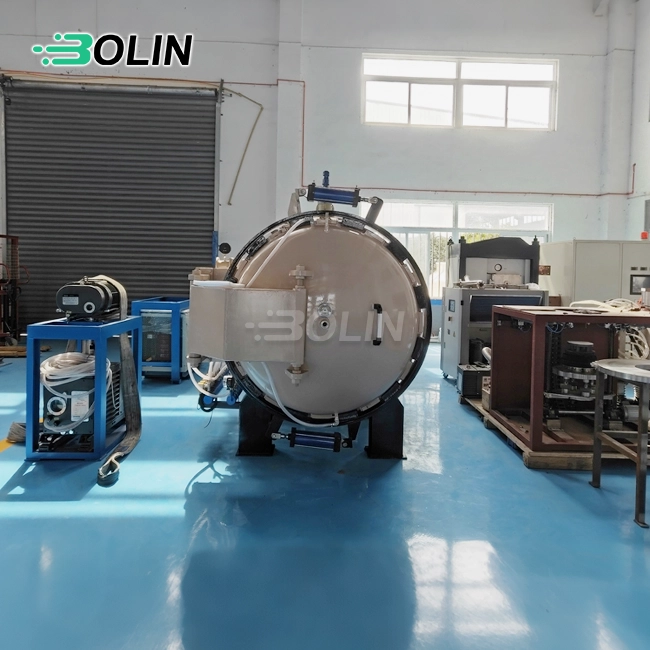
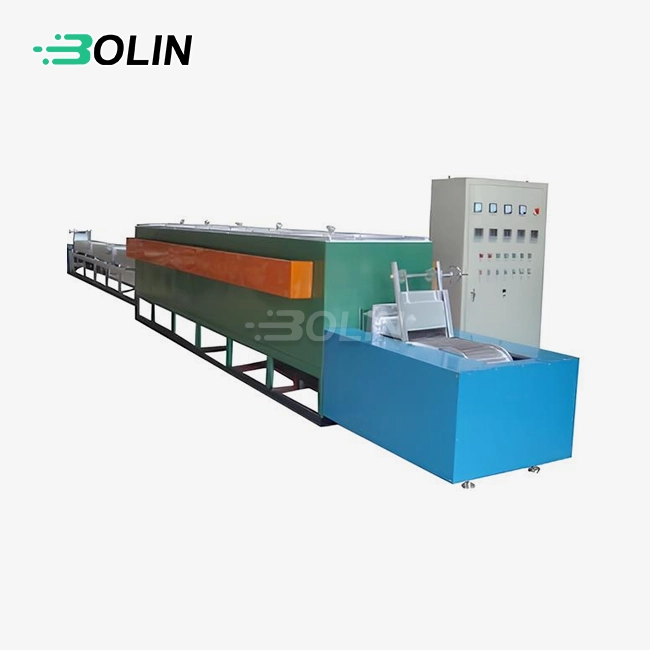
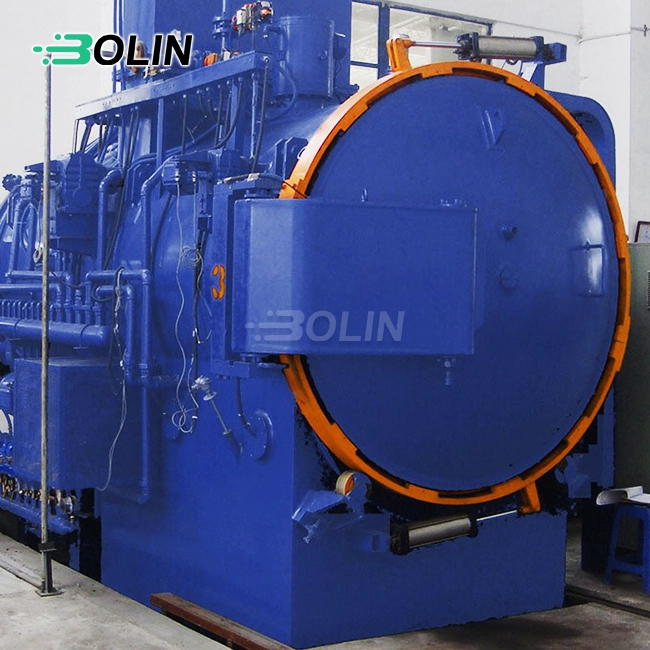
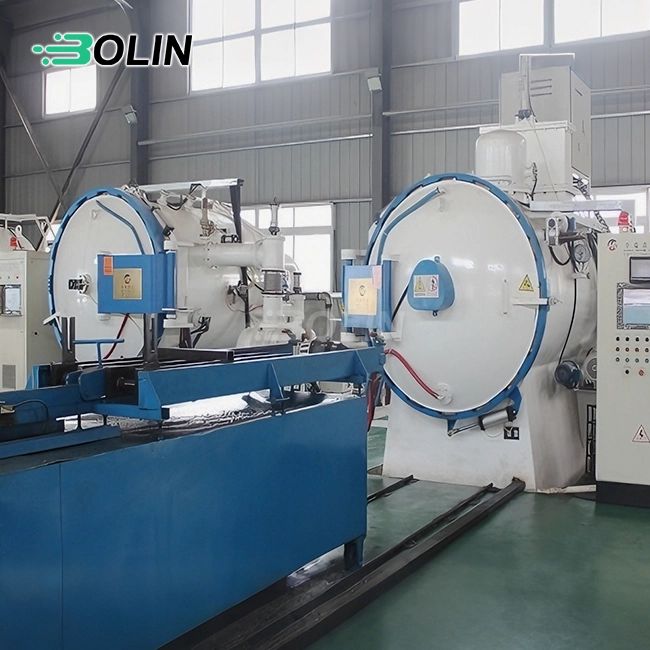
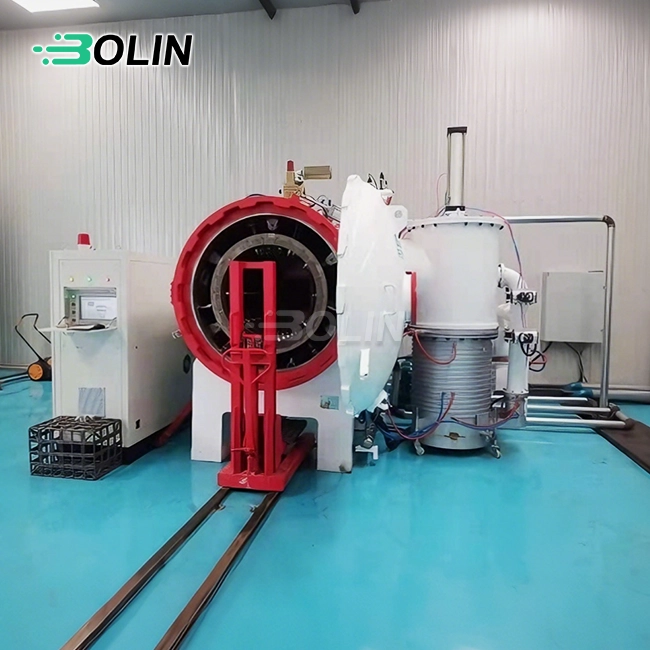
Complete heat treatment systems from Hebei Bolin Electric Furnace Manufacturing Co., Ltd. employ high-quality insulating materials to save energy. Our engineering staff can assist you in identifying ceramic fiber grades for furnace purposes and ensure classification temperatures satisfy your expectations. Our entire furnace manufacturing lines use high-tech thermal shields to minimize shell temperatures and prolong tool life. As a leading manufacturer of high-temperature cotton for sale, mesh belt systems, and vacuum heat treatment lines, we understand the need for system protection. Contact our specialists at 15720259172@163.com for customized advice based on process temperatures, output quantities, and cost reduction targets.
References
1. American Society for Testing and Materials. (2019). ASTM C892: Standard Specification for High-Temperature Fiber Blanket Thermal Insulation. West Conshohocken: ASTM International.
2. International Organization for Standardization. (2018). ISO 10635: Refractory Materials—Determination of Classification Temperature of Ceramic Fiber Products. Geneva: ISO Publications.
3. National Institute for Occupational Safety and Health. (2020). Engineering Controls for Refractory Ceramic Fiber Exposure in Manufacturing Facilities. Cincinnati: NIOSH Publications.
4. Energy Efficiency and Industrial Technology Research Center. (2021). Comparative Analysis of Insulation Materials in High-Temperature Furnace Applications. Industrial Energy Review, 34(2), 112-128.
5. European Commission Directorate-General for Employment. (2017). EU Directive 97/69/EC: Classification and Labeling of Refractory Ceramic Fibers. Brussels: Official Journal of the European Union.
6. Thermal Processing Industry Association. (2022). Best Practices for Industrial Furnace Insulation System Design and Maintenance. Heat Treatment Equipment Quarterly, 18(4), 45-67.
Learn about our latest products and discounts through SMS or email