- English
- French
- German
- Portuguese
- Spanish
- Russian
- Japanese
- Korean
- Arabic
- Irish
- Greek
- Turkish
- Italian
- Danish
- Romanian
- Indonesian
- Czech
- Afrikaans
- Swedish
- Polish
- Basque
- Catalan
- Esperanto
- Hindi
- Lao
- Albanian
- Amharic
- Armenian
- Azerbaijani
- Belarusian
- Bengali
- Bosnian
- Bulgarian
- Cebuano
- Chichewa
- Corsican
- Croatian
- Dutch
- Estonian
- Filipino
- Finnish
- Frisian
- Galician
- Georgian
- Gujarati
- Haitian
- Hausa
- Hawaiian
- Hebrew
- Hmong
- Hungarian
- Icelandic
- Igbo
- Javanese
- Kannada
- Kazakh
- Khmer
- Kurdish
- Kyrgyz
- Latin
- Latvian
- Lithuanian
- Luxembou..
- Macedonian
- Malagasy
- Malay
- Malayalam
- Maltese
- Maori
- Marathi
- Mongolian
- Burmese
- Nepali
- Norwegian
- Pashto
- Persian
- Punjabi
- Serbian
- Sesotho
- Sinhala
- Slovak
- Slovenian
- Somali
- Samoan
- Scots Gaelic
- Shona
- Sindhi
- Sundanese
- Swahili
- Tajik
- Tamil
- Telugu
- Thai
- Ukrainian
- Urdu
- Uzbek
- Vietnamese
- Welsh
- Xhosa
- Yiddish
- Yoruba
- Zulu
What Maintenance Practices Keep Electric Annealing Furnaces Optimal?
For consistent metallurgical results, industrial heat treatment procedures need reliable thermal processing instruments. An electric annealing furnace is the principal machine used in the auto, aerospace, and electronics sectors to alleviate tension, smooth grains, and soften metal. Gas-fired solutions emit combustion byproducts, whereas electric furnaces provide carbon-free heating for precise surface-integrity jobs. Can't overstate how repair impacts the economy. Structured care routines reduce emergency repairs by 40% and energy usage by 25% compared to reactive maintenance. Understanding maintenance best practices lowers total cost of ownership and improves output for plant engineers and B2B buying managers. This article provides current annealing furnace usage tips. It lets individuals choose equipment maintenance that preserves investments and satisfies quality requirements.
Understanding the Importance of Maintenance for Electric Annealing Furnaces
Each heating cycle stresses thermal processing equipment. Air, heat, and electrical load slowly degrade electric annealing furnace parts. Knowing how these things interact helps maintenance teams prioritize check spots and use resources.
Core Components Requiring Attention
Electric heaters convert energy into heat mainly through heating elements. Nickel-chromium resistance wire should survive 8,000–12,000 hours under typical conditions. Air pollution, temperature variations, and power issues can reduce this lifespan by 30% or more. Regular visual examinations detect element bending, surface oxidation, and hot spots that indicate failure. Thermal function and energy efficiency depend on insulation techniques. Modern composite fiber insulation materials don't retain as much thermal energy as refractory bricks. This speeds machine startup and reduces idle expenditures. Advanced furnace designs feature all-fiber construction, so they achieve operating temperatures in one hour instead of four for brick-lined versions. Fiber compression, water ingress, and physical damage can reduce insulation, raising shell temperatures and power usage. Control systems constantly monitor temperature and electricity to ensure process accuracy. PID controllers use thermocouples to control heat flow and maintain setpoint temperatures within limited ranges. Temperature variations influence metallurgy due to thermocouple or control method calibration drift. Aircraft sources report that aluminum alloy hardness levels can alter by 10–15% at temperatures over 5°C. This makes calibration verification crucial for quality control.
The Business Case for Preventive Maintenance
In airplane and automobile supply chains, unscheduled downtime costs $260,000 per hour, according to benchmarking statistics. By detecting worn parts before they fail, preventive maintenance programs reduce failures. Scheduled activities during production breaks keep operations operating smoothly and extend tool life by 40–60%. Energy utilization is another major maintenance factor. An electric annealing furnace with obsolete insulation or heating elements uses 15–25% more electricity than well-maintained equipment. For buildings with many shifts, this inefficiency costs six figures in energy annually. Regular maintenance makes the ultra-energy-saving building survive longer and consume less energy than refractory brick designs.
Key Maintenance Practices to Keep Electric Annealing Furnaces Optimal
Comprehensive maintenance requires organized routines that encompass predicted wear patterns and probable failure causes. These routines form appropriate electric annealing furnace care strategies.
Regular Inspection Schedules
How often inspections are done depends on production and equipment utilization. For continuing operations, visual inspections should be done monthly; for irregular activities, every three months. Inspection reports should monitor the heating element, refractory lining, electrical connections, and control system. Thermal imaging scans are a non-invasive approach to examine insulation and heat distribution. Infrared cameras detect hot patches on furnace exteriors, indicating poor insulation or heating elements. Annual thermal scans define average performance criteria and measure performance decline.
Heating Element Care and Replacement
Replacement of heating elements in the 100-1300℃ temperature range is necessary due to oxidation and stress. Warning symptoms include uneven heating, extended start times, and element warping. Broken element bits can get on workpieces if not replaced before they break. Check zone setup and link torque while replacing heating elements. Loose electrical connections generate resistance heating, which damages wires and increases fire risk. Power systems from 5 kW to 3000 kW need connections with the proper ratings and conductors to securely manage current loads.
Insulation System Maintenance
Modern furnaces utilize ultra-lightweight microsphere vacuum ball energy-saving bricks and composite fiber insulation, which require different maintenance than older refractories. Fibers shrink slowly with temperature cycling, causing gaps that reduce insulation. Thickness is measured in various spots each year to track compression rates and determine module replacement. Fiber insulation is most susceptible to water damage. Even little roof leaks or humidity diminish heat efficiency. Avoid costly insulation repairs by inspecting door seals, penetrations, and furnace bases monthly for dampness.
Temperature Control Calibration
Properly working thermocouples and control devices ensure accurate temperature control. Thermocouples lose accuracy due to joint contamination and grain development in their materials. Measurements are reviewed every three months against industry standards to ensure accuracy. Modern furnace designs' five-sided heating system maintains temperature uniformity within ±3°C when set appropriately. For multi-zone control systems to evenly heat the space, each zone must be examined. Unbalanced zones generate temperature fluctuations that lower product quality and heat treatment uniformity. Together, these repair approaches maintain tool reliability and process consistency. Facilities can leverage trend data from repair jobs for predictive analytics and smart capital planning. Uptime, quality, and lower costs result from switching from reactive to proactive care.
Mechanical Component Service
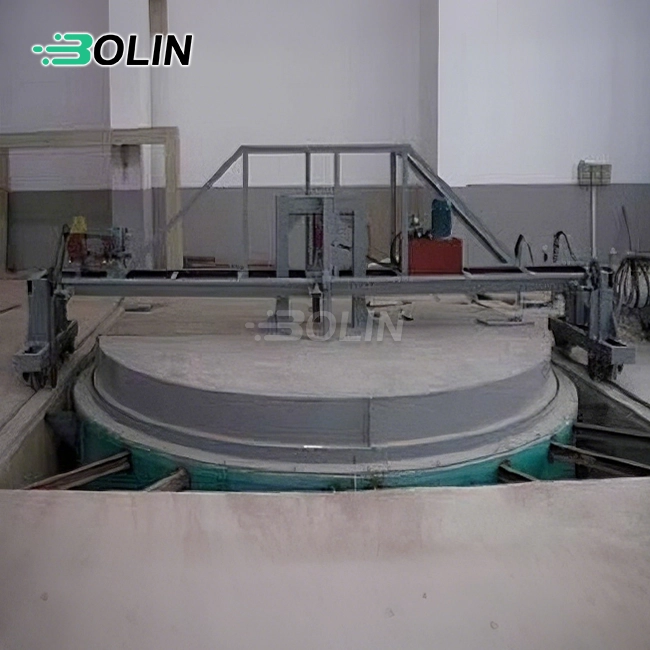
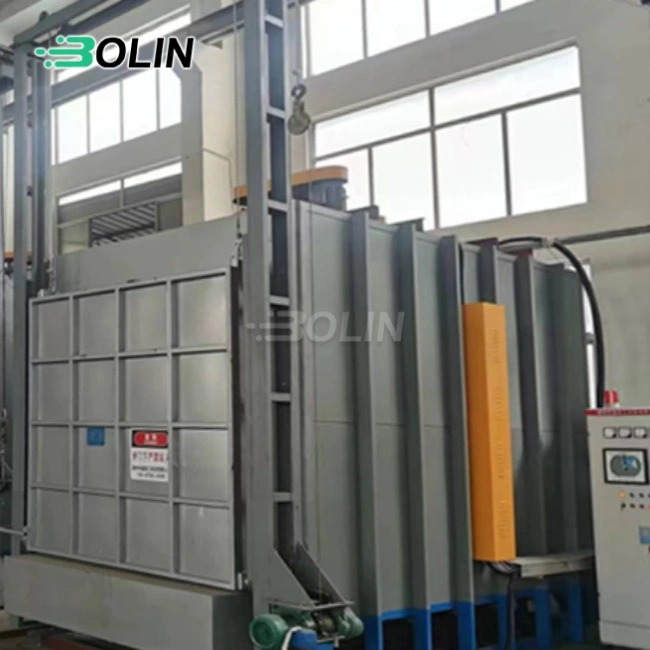
Front-mounted trolley furnaces require frequent lubrication and alignment of driving systems. The horizontal drive arrangement allows loading big parts more easily, but bearings, chain tension, and rails must be monitored. Lubricating drive parts every three months prevents premature wear and keeps the machine working smoothly. Motor or hydraulic door lifting systems eliminate the need to raise large door sections by hand; however, they require maintenance. Hydraulic systems must have their fluids and seals examined annually to prevent harmful leaks. Motor-driven systems need belt tightening and motor bearing checks periodically.
Safety Guidelines and Protocols in Furnace Maintenance
Maintaining thermal processing equipment requires strong safety measures due to its many risks. Electrical shock, heat burns, and climatic risks must be controlled to prevent mishaps.
Lockout/Tagout Procedures
Three-phase electrical systems in electric annealing furnaces employ 208V to 480V, which can convey fatal current. Before reaching internal parts, lockout/tagout operations physically disconnect power supplies and deenergize them. When implemented correctly, LOTO guidelines save 20 to 30 maintenance deaths a year in U.S. industrial sectors due to equipment turning on by itself. Written LOTO procedures should list key power lines, control circuits, and backup systems. Multiple disconnect locks ensure that each equipment worker isolates energy. Safety is verified using controlled voltage monitors before handwork.
Personal Protective Equipment Requirements
Maintenance workers risk electrical contact, residual heat, and sharp edges. It depends on the task, but gloves that can withstand 200°C, safety glasses with side shields, and steel-toed shoes are typical. Workplace thermocouple replacement and heating element service need arc-rated clothing to prevent electrical flashes.
Training and Competency Verification
Electric annealing furnace workers must demonstrate electrical safety, heat dangers, and equipment-specific practices. Formal training should include heater usage, maintenance, and emergencies. Annual refresher training informs employees of process or machine configuration modifications. Specialized information standards require more than general electrical upkeep. By studying atmosphere control systems, modern PID control algorithms, and steel heat treatment principles, technicians may solve complex issues and boost performance. Equipment makers and plant maintenance teams may share knowledge and improve abilities.
Comparing Maintenance Needs: Electric Annealing Furnace vs. Gas Annealing Furnace
When deciding between electric annealing furnaces and gas-fired annealing equipment, upkeep costs affect ownership cost and operating freedom. The facility's abilities and goods determine each technology's maintenance demands.
Maintenance Complexity and Frequency
Gas furnaces require maintenance for burners, fuel trains, and exhaust systems. Electric furnaces don't. Without flame management controls, safety interlocks are easier to utilize and reduce checkpoints. Gas furnaces must have their burners inspected every three months, their combustion efficiency assessed once a year, and their flame protection systems tested regularly to ensure safety and compliance. Different procedures need different temperature control. Electric heating's power flow is naturally steady, limiting temperature drift. Gas combustion introduces fuel composition, combustion air temperature, and burner wear patterns that necessitate more frequent temperature checks and control adjustments.
Lifecycle Cost Analysis
Electric annealing equipment maintenance begins with electrical infrastructure checks and heating element budget planning. Facilities should set aside 5–8% of their equipment purchase price annually for maintenance and part replacement. Due to the intricacy of the combustion system and refractory maintenance, gas furnaces require 8–12% of their annual budget for maintenance. Energy-efficient maintenance is crucial to operational expenses. The ultra-energy-saving construction with composite fiber insulation maintains efficiency scores in contemporary electric designs with proper maintenance. Gas furnaces lose efficiency when refractory linings and burner performance deteriorate. They need more regular repairs to maintain fuel economy.
Optimizing Maintenance Through Technology and Service Solutions
Digital transformation initiatives are transforming all industries' maintenance. Predictive maintenance uses smart monitoring technologies and data analytics to maximize resource utilization and prevent issues.
IoT Integration and Predictive Maintenance
Modern SCADA-connected electric annealing furnace systems with PLCs generate continual performance data. Power consumption trends, heating element resistance, temperature uniformity, and cycle durations are monitored in real time to provide baseline performance indications. These data streams are analyzed by machine learning techniques to discover tiny changes before parts break. This helps repairmen prevent issues. Cloud-based analytics tools create knowledge bases from numerous furnace configurations to improve predictions. Better scheduling and focused activities reduce unplanned downtime by 35% and maintenance labor costs by 20% in advanced facilities.
Manufacturer Support and OEM Parts
Technical assistance and genuine replacement parts are guaranteed with reputable heat treatment equipment manufacturers. OEM heating elements, thermocouples, and control parts maintain equipment performance under original design specifications. Aftermarket choices may be cheaper, but they frequently don't last as long or be as dependable, resulting in additional replacements and process adjustments. Comprehensive service agreements provide planned repair support tailored to equipment configuration and output. Hebei Bolin Electric Furnace Manufacturing Co., Ltd. offers tailored maintenance programs with frequent checks, rapid parts, and expert support to maximize uptime. Remote diagnostics speeds up problem solutions by fixing issues without having to visit the location.
Customized Maintenance Planning
Production cycles and application demands determine the optimal maintenance procedures. Monthly checkups and speedier consumable replacement might help high-volume automotive powertrain factories that run many rounds daily. Titanium metal vacuum-compatible aerospace heat treaters must take extra precautions to manage the environment and prevent contamination. Maintenance plans should be adjusted with equipment age and production demands. Equipment utilized past its manufacturer's authorized lifespan may require significant repairs that replace several systems. Resetting the maintenance cycle extends equipment life by decades. Using investment analysis to compare the expenses of renovating existing equipment versus buying new equipment helps procurement teams make sensible capital acquisitions.
Conclusion
Temperature controls, heating elements, insulation systems, and motor parts must be checked and adjusted periodically to keep an electric annealing furnace running well. This guidance helps B2B procurement managers and plant engineers maintain tool reliability, energy efficiency, and process stability. Structured inspection programs, calibration verification, and preemptive part replacement can save downtime and extend service life. IoT tracking and data analytics enable predictive thermal processing equipment maintenance. This will improve practicality and overall cost of ownership.
FAQ
How Often Should Electric Annealing Furnaces Undergo Maintenance Inspections?
How often you examine depends on production and machine performance. Continuous three-shift facilities benefit from monthly visual checks and quarterly detailed inspections. Regular inspections might be delayed to every three months, and complete evaluations done once a year for occasional users. To maintain process control while creating accurate medical devices or military equipment with an electric annealing furnace, calibration must be reviewed more regularly.
What Common Mistakes Should Be Avoided During Furnace Maintenance?
The most common error is neglecting to monitor the temperature, which affects heat treatment outcomes. Failure to change the heating element at the recommended service intervals might taint production runs. Poor lockout/tagout procedures pose serious safety concerns. Aftermarket parts may save money, but they typically reduce performance and longevity.
How Does Regular Maintenance Impact Energy Efficiency?
When maintained, equipment retains its efficiency, such as composite fiber insulation systems' 30% energy savings. Damaged insulation, faulty heating parts, and control system errors can increase energy demand by 15–25%. Maintenance-driven energy cost reductions offset maintenance expenditures within 12 to 18 months for buildings with several heaters and shifts.
Partner with Bolin for Superior Heat Treatment Equipment and Support
Your thermal processing operations need more than routine repair to work smoothly. Your equipment must be durable and supported. Hebei Bolin Electric Furnace Manufacturing Co., Ltd. develops high-tech annealing furnaces with all-fiber insulation, five-sided heating, and modern PID control technology for easier maintenance and energy savings.
Our engineers have designed, built, and supported heat treatment machines for decades. Our electric annealing furnace systems can meet your production demands with power from 5 to 3000kw and temperature from 100 to 1300°c. Bolin sends more than tools. To ensure seamless operations, they provide tailored maintenance plans, skilled training, and speedy after-sales support.
Whether you require new equipment or strategies to improve thermal processing lines, our staff can help. Contact us at 15720259172@163.com to see how Bolin's industrial expertise and service can enhance your heat treatment abilities and decrease your total cost of ownership. We supply dependable electric annealing furnaces for sale and care about your business's progress.
References
1. ASM International Handbook Committee. "Heat Treating of Nonferrous Alloys." ASM Handbook Volume 4: Heat Treating. ASM International, 2021.
2. Industrial Heating Equipment Association. "Maintenance Best Practices for Electric Industrial Furnaces." IHEA Technical Standards Publication, 2022.
3. Thompson, Robert J., and Ellen M. Chen. "Predictive Maintenance Strategies for Thermal Processing Equipment." Journal of Manufacturing Systems, vol. 58, 2023, pp. 234-247.
4. National Fire Protection Association. "NFPA 70E: Standard for Electrical Safety in the Workplace." 2023 Edition, National Fire Protection Association, 2023.
5. Davis, Jennifer L. "Energy Efficiency Optimization in Electric Heat Treatment Furnaces." Industrial Energy Management Quarterly, vol. 15, no. 3, 2023, pp. 112-129.
6. Manufacturing Technology Research Institute. "Total Cost of Ownership Analysis: Electric vs. Gas Industrial Furnaces." MTR Technical Report Series, 2022, pp. 45-78.
Learn about our latest products and discounts through SMS or email