- English
- French
- German
- Portuguese
- Spanish
- Russian
- Japanese
- Korean
- Arabic
- Irish
- Greek
- Turkish
- Italian
- Danish
- Romanian
- Indonesian
- Czech
- Afrikaans
- Swedish
- Polish
- Basque
- Catalan
- Esperanto
- Hindi
- Lao
- Albanian
- Amharic
- Armenian
- Azerbaijani
- Belarusian
- Bengali
- Bosnian
- Bulgarian
- Cebuano
- Chichewa
- Corsican
- Croatian
- Dutch
- Estonian
- Filipino
- Finnish
- Frisian
- Galician
- Georgian
- Gujarati
- Haitian
- Hausa
- Hawaiian
- Hebrew
- Hmong
- Hungarian
- Icelandic
- Igbo
- Javanese
- Kannada
- Kazakh
- Khmer
- Kurdish
- Kyrgyz
- Latin
- Latvian
- Lithuanian
- Luxembou..
- Macedonian
- Malagasy
- Malay
- Malayalam
- Maltese
- Maori
- Marathi
- Mongolian
- Burmese
- Nepali
- Norwegian
- Pashto
- Persian
- Punjabi
- Serbian
- Sesotho
- Sinhala
- Slovak
- Slovenian
- Somali
- Samoan
- Scots Gaelic
- Shona
- Sindhi
- Sundanese
- Swahili
- Tajik
- Tamil
- Telugu
- Thai
- Ukrainian
- Urdu
- Uzbek
- Vietnamese
- Welsh
- Xhosa
- Yiddish
- Yoruba
- Zulu
How Can Refractory Bricks Integrate With Automated Furnace Systems?
Refractory bricks function with automated furnaces thanks to careful material selection, perfect installation, and real-time tracking. Modern automation requires linings that respond to sensors and remain thermally stable throughout brief heating and cooling cycles. High-alumina and magnesia bricks maintain thermal conductivity, helping control systems maintain temperatures. Modular brick designs allow robots to install and alter bricks during designated maintenance periods, ensuring steady manufacturing. When paired with IoT-enabled health tracking, these ceramic linings make furnaces adaptable, energy-efficient heat processing devices that can adapt to changing production demands without deteriorating.
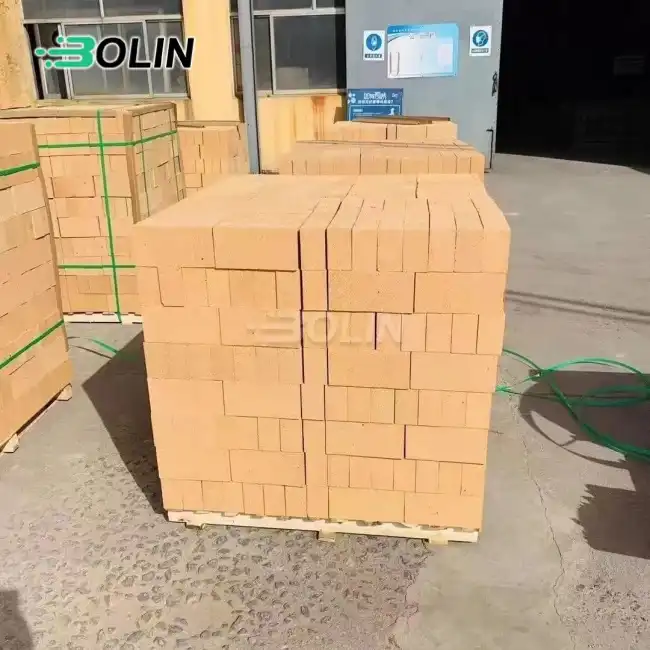
Understanding Refractory Bricks and Their Role in Automated Furnace Systems
Building a high-performance automated furnace starts with selecting the correct interior materials. Temperature management requires sensors, actuators, and process controls to perform consistently in a safe climate, not just insulation.
Core Properties That Enable Automation Compatibility
Modern industrial furnaces require reliable inner materials under demanding circumstances. At temperatures exceeding 1,500°C, 85–95% alumina combinations are physically stable. Due to lining bending, temperature sensors buried near the hot face can offer accurate readings without wandering. In steelmaking ladles and cement rotating kilns, where alkali vapors can damage other materials, magnesium-based equivalents retain their form better. After years of use, premium refractory bricks' crystalline structure retains heat. Low thermal conductivity types prevent heat loss via furnace walls, allowing control systems to maintain setpoints with less energy. Mechanical tension from automated charging equipment may be handled by thick, sturdy options. Cracks that screw up thermal profiles and trigger tracking system warnings are prevented.
Integration With Sensor Networks and Control Systems
Control and sensor networks can collaborate. Automated thermal processing requires continuous data from furnace room thermocouples, pyrometers, and pressure sensors. Lining materials must maintain temperature variations for these devices to operate. Low creep rates and consistent brick makeup eliminate hot patches that can disrupt feedback loops and maintain sensor settings across multi-year servicing intervals. Bolin integrates lining materials, burner configurations, and control methods to build thermal systems. Matching brick thermal expansion coefficients to automation cycle rates prevents seams from opening and allowing cold air in from 2022. Clean air is essential for brilliant annealing and nitriding.
Material Classifications for Specific Automated Applications
Rapid-cycle batch furnaces that need to quickly heat up to enable high production use insulating firebricks with porosity values between 47% and 75%. Lightweight components have less thermal mass, allowing heating elements and control systems to attain desired temperatures faster and with less energy. Dense bricks with few holes operate best in continuous roller hearth and mesh belt furnaces, where mechanical stability under continual product flow is more essential than insulating efficiency. Glass tank regenerators, petroleum catalytic breakers, and others employ high-temperature grades with silicon carbide or zirconia. Chemically inert and resistant to hydrogen sulfide and molten glass erosion, these advanced materials are essential when lining deterioration might harm product quality or catalysts.
Challenges and Limitations of Traditional Refractory Brick Systems in Automation
Legacy lining techniques typically don't function with contemporary technologies, causing workplace issues that hinder efficiency. Knowing these issues helps buying teams find Industry 4.0 solutions. Use of conventional refractory brick systems in automation creates friction that undermines efficiency gains.
Thermal Shock and Maintenance Scheduling Conflicts
Traditional bricklaying creates joints that can be harmed by temperature variations. Automated furnace safety interlocks cool fast, stressing linings and spreading fractures. These issues disrupt output timetables based on expected repair windows, making maintenance crews' duties difficult. Uneven mortar use during hand placement affects thermal insulation. Automatic control systems that distribute heat evenly struggle to compensate; therefore, product quality varies by furnace zone. Due to poor lining quality, heating components must work harder to compensate for larger temperature variations than expected, using more energy.
Sensor Feedback Disruption From Installation Errors
Poor installation might disable sensor feedback. Automated systems must know where to place thermocouples to manage temperature. Brick courses change during curing or heating cycles, causing embedded sensors to move. This causes measurement errors, confusing PLC algorithms. Faulty warnings or control reactions diminish yield and increase scrap rates. Bricks with insufficient cement have air holes behind them. These insulating barriers alter temperatures. Control systems get late temperature information; thus, they are out of sync with the oven. In fast-cycling scenarios like heat treating aluminum, when age temperatures must be regulated within extremely tiny ranges to produce the proper material characteristics, this phase shift makes feedback loops less reliable.
Manual Intervention Requirements in Automated Workflows
Traditional liner designs require specialized workers for inspection and maintenance, which halts automatic manufacturing. Turning off the heater to inspect the heated face takes days of manufacturing. Due to supply line disruption, orders are delayed, and automation efficiency benefits are reduced. Various brick batches employ various materials, making spare parts inventory tracking tougher. Stress builds up near repair margins when replacement bricks have differing thermal expansion characteristics than the originals. Later heat cycles cause problems in these regions. This cycle of maintenance reduces long-term reliability.
Principles for Seamless Integration of Refractory Bricks and Automated Furnace Technology
Lining design strategy may convert ceramic material-automation hardware issues into successful collaborations. We apply these principles to all furnace production lines to ensure that our systems are completely functioning and fulfill current industrial demands. Integrating refractory bricks and automated furnace technology smoothly transforms potential conflicts into synergistic relationships.
Strategic Material Selection for Automation Environments
By using identical bricks, temperature variances that cause control measures to fail are reduced. Selecting materials from batches with uniform thermal conductivity ensures predictable heat flow patterns. When control systems simulate furnace behavior to predict changes, accurate material attributes allow perfect simulations that save energy waste and enhance product uniformity. Joint air-inflow is prevented by matching thermal expansion factors to projected temperature variations. Tight joints keep the environment clean in controlled-atmosphere ovens, allowing nitriding and carbonitriding to achieve case levels without oxidizing the surface. The joint form maintains the positioning of integrated sensors and heating elements, ensuring calibration accuracy over time.
Precision Installation Techniques for Automation Compatibility
Using concrete forms to build modular linings speeds up installation and improves measurements. Robots set bricks in ways that are impossible by hand. This restricts burner ports and product transfer holes. This precision reduces escape lines that disrupt atmospheric control and heat loss that demands oversize heating equipment. Advanced installation techniques include laser alignment for multi-layer linings in massive pit furnaces and side-loading batch systems. Verticality should be within 2 mm over 3-meter wall heights to equally distribute load and prevent stress clusters that cause early failures. These technologies with regulated curing plans and built-in moisture monitors prepare linings for automatic heat-up without steam spalling.
Predictive Maintenance Through IoT Integration
Wireless temperature sensors in hot-face regions provide real-time lining monitoring. Data analytics systems monitor heat performance and identify bricks that require replacement before they fail. Repair teams schedule work during production pauses. They schedule ceramic repair with automation system software updates and mechanical part repairs. Auto inspection robots use thermal imaging cameras to map hot and cold regions within furnaces during brief cooling intervals. Machine learning algorithms compare current temperature signatures to baseline profiles and note any variations that may indicate brick wear or looseness. This data is relayed to control systems, which adjust heaters to compensate for lining wear. This extends campaigns until predetermined breaks.
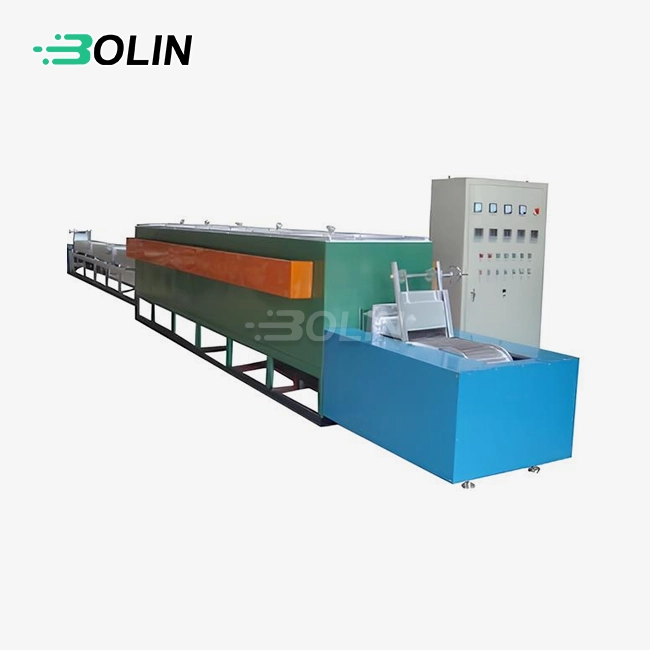
Bolin incorporates these monitoring elements into our furnace designs so clients may monitor the liner. Our roller hearth and mesh belt systems arrive with sensor kits ready to connect plant-wide data networks. This strategy shifts line management from problem-solving to proactive improvement, lowering TCO and increasing uptime.
Real-World Integration Success in Industrial Applications
We can see from real-world instances that picking and installing refractory bricks appropriately may pay off. These examples demonstrate how to tackle typical automated thermal processing issues for manufacturers.
High-Temperature Kiln With Dense Brick Customization
A large cement plant asked us to simplify their rotary kiln operations and extend the lining's lifespan beyond six months. We requested magnesia-chrome bricks that could withstand thermal shock and cement production's high rotation and strong calcium silicate assault. Brick chemistry was adjusted to match the automated kiln's variable-speed spinning profile. This reduced spalling during startup acceleration and shutdown deceleration. After connecting the kiln's PLC, feed-forward control was feasible. The spinning speed and fuel input were altered as needed based on real-time hot face temperature data. Compared to manual operation, cooperation saved 18% of energy and extended the program by 10 months. This illustrates how material science and technology enhance operations.
Bulk Material Furnace With Lightweight Insulating Solutions
A car parts manufacturer required automated batch processing to heat treat aluminum alloys fast to fulfill tight production goals. The original thick brick linings held too much heat in, preventing fast temperature fluctuations needed to maintain output. To reconcile thermal mass reduction with long-term mechanical sturdiness, we created a three-layer lining system with lightweight insulating bricks in the center. The exterior layer was made of solid bricks, and the hot-face layer of high-alumina bricks could withstand repeated metal fitting touches. The furnace control system received data from thermocouples at layer junctions. This modeled temperature gradients accurately.
Compared to other methods, this design heated up the furnace 40% faster and allowed eight cycles a day instead of five. Increased temperature consistency improved product quality, with solution treatment temperatures maintained within ±3°C across the load zone. The experiment showed that lining design should be tailored to automation aims rather than one-size-fits-all.
Industrial Applications Demonstrating Automation Integration
Our lining solutions aid automated operations in numerous industrial sectors, each with its unique material requirements and fitting procedures. Refractory bricks provide the structural and thermal foundation required for diverse manufacturing sectors to transition to Industry 4.0.
Iron and Steel Production
Abrasive molten iron runs through blast furnace stacks, hot metal ladles, and electric arc furnace tops coated with high-alumina bricks. These components charge and tap automatically. High compressive strength retains a material's form when mechanical forces like automatic skull breaker systems and robotic deskulling equipment operate on it. Low creep rates maintain wall form throughout six-to-12-month campaigns. This ensures accurate sensor positioning for automatic temperature and level tracking.
Cement and Glass Manufacturing
Our magnesia-chrome rotary cement kilns may spin mechanically with automated raw material feeders. They can also withstand intense alkali assault without compromising product safety. The refractoriness of glass tank regenerators remains constant throughout automated firing. This maintains melt quality when control systems swap combustion air between regenerator chambers. The checker bricks' physical stability prevents them from collapsing, which would disrupt automated glass-forming.
Petrochemical and Chemical Processing
In sulfur recovery units and catalytic crackers, automation controls the quick temperature cycle of hydrogen sulfide, which corrodes linings. Our high-alumina grades offer chemically inert walls that safeguard equipment and allow precise temperature control for catalyst performance. Automated production can meet goal yields with fewer unplanned shutdowns, protecting margins in basic chemical markets.
Key Performance Advantages Supporting Automation
Controlled furnace systems operate better with good materials. These performance attributes aid specification and define realistic equipment limits. Due to its high main load-bearing capability, refractory bricks can sustain their own weight and heating elements and product fasteners without deforming.
Load softening temperatures exceeding 1,500°C stabilize dimensions under dead weight and operational pressures. Sagging furnace roofs and loose wall seams are prevented by this. This security keeps the integrated sensors and heating elements in place, ensuring calibration accuracy over lengthy service missions.
Linings' excellent thermal shock resilience protects them from abrupt temperature fluctuations during starting and emergency shutdowns. We employ strong tensile strength to withstand stress concentrations and regulated thermal expansion to match typical heating rates to prevent cracking. Automated systems are better since they don't need dwell durations for gradual warm-up. This speeds up manufacturing without reducing lining strength.
Low high-temperature creep prevents permanent form change under mechanical and heat forces. Over many years, solid alumina seals brick constructions together, reducing warping. Control methods for certain furnace shapes perform effectively once linings wear out. This is better than cheaper systems, where performance drifts and needs frequent retuning.
Due to its acid and alkali resistance, it can be used in more process chemicals. Although designed for neutral to slightly acidic settings, these bricks can also withstand highly alkaline situations without breaking down. This adaptability lets a single material standard be utilized for several industrial processes. This simplifies inventory management and reduces technical labor to adapt furnace designs to new goods.
Conclusion
Combining refractory materials with automated furnaces requires more than choosing high-temperature bricks. Organized material science, exact installation, and sophisticated tracking are also needed. Flexible designs, predictive maintenance, and homogeneous thermal qualities may make linings into process control agents. The link between ceramic technology and automation hardware will strengthen as factories become completely automated. This will change material production and installation. Industrial firms may improve efficiency and resilience to operating disturbances by using these bundled solutions.
FAQ
What brick types work best for high-temperature automated systems?
Refractory bricks with 85–95% alumina operate best in automated ovens over 1,400°C. Their consistent conductivity and predicted thermal expansion allow accurate temperature management, and their excellent load-bearing capacity maintains the structure sturdy even when handled automatically. Alkaline settings suit magnesium-chrome combinations because they resist chemicals without compromising automation stability.
How often should automated furnace linings be checked?
Hard labor and modern technologies determine inspection intervals. Because real-time thermal surveillance indicates deterioration tendencies before they start, furnaces may continue longer between physical checks and annual shutdowns. Traditional systems without sensors must be checked every three months for damage patterns and hot areas. We recommend IoT sensor networks for automation enhancements. This will allow condition-based maintenance, which ensures lining inspections are based on actual health rather than arbitrary timetables.
Can brick specifications be altered to fit various kilns?
Of course. Brick sizes, forms, and chemicals are customized for furnace temperature profiles, mechanical loads, and air conditions. Bolin's engineering team creates innovative solutions throughout planning. It comprises adjusting normal grades for non-standard forms and creating specific compositions for difficult service circumstances. Customization ensures compatibility with automation parts and increases production performance.
Partner With Bolin for Optimized Refractory Solutions in Automated Systems
Hebei Bolin Electric Furnace Manufacturing knows refractory bricks for sale and designs thermal systems. They improve automated furnaces using combination solutions. Our staff knows how lining materials interact with control systems, sensors, and mechanical elements, so we can offer brick types and assembly methods to meet your automation goals. Contact our specialists at 15720259172@163.com to discuss your specific high-alumina mixes for fast-cycle batch furnaces or magnesium-chrome solutions for continuous processing lines. We provide complete support from design to finishing and technical support as a trusted manufacturer for industrial customers across the US. Since 2022, Zhenggang Industrial Park has honed our production talents. We supply high-quality materials in 10–40 days with guaranteed protection and convenient service network access. Visit bolinfurnace.com to browse our comprehensive product inventory and understand how smart lining connections increase uptime, product quality, and energy economy.
References
1. Chen, W., & Morrison, J. (2021). Advanced Refractory Materials for Modern Industrial Furnaces. Materials Science Publishers.
2. Industrial Heating Equipment Association. (2020). Best Practices for Integrating Automation in High-Temperature Processing Systems. IHEA Technical Report Series.
3. Kumar, R., & Petersen, H. (2022). Thermal Management in Automated Manufacturing: Lining Materials and Control System Integration. Journal of Industrial Thermal Engineering, 45(3), 287-312.
4. National Institute of Standards and Technology. (2019). Characterization Methods for High-Temperature Ceramic Materials in Automated Thermal Systems. NIST Special Publication 1500-6.
5. Schreiber, T., & Yamamoto, K. (2023). Predictive Maintenance Strategies for Refractory Linings in Industry 4.0 Environments. International Journal of Advanced Manufacturing Technology, 118(7-8), 2451-2468.
6. World Refractories Association. (2021). Technical Guidelines for Refractory Material Selection in Automated Furnace Applications. WRA Standards Document WRA-AUTO-2021.
Learn about our latest products and discounts through SMS or email