- English
- French
- German
- Portuguese
- Spanish
- Russian
- Japanese
- Korean
- Arabic
- Irish
- Greek
- Turkish
- Italian
- Danish
- Romanian
- Indonesian
- Czech
- Afrikaans
- Swedish
- Polish
- Basque
- Catalan
- Esperanto
- Hindi
- Lao
- Albanian
- Amharic
- Armenian
- Azerbaijani
- Belarusian
- Bengali
- Bosnian
- Bulgarian
- Cebuano
- Chichewa
- Corsican
- Croatian
- Dutch
- Estonian
- Filipino
- Finnish
- Frisian
- Galician
- Georgian
- Gujarati
- Haitian
- Hausa
- Hawaiian
- Hebrew
- Hmong
- Hungarian
- Icelandic
- Igbo
- Javanese
- Kannada
- Kazakh
- Khmer
- Kurdish
- Kyrgyz
- Latin
- Latvian
- Lithuanian
- Luxembou..
- Macedonian
- Malagasy
- Malay
- Malayalam
- Maltese
- Maori
- Marathi
- Mongolian
- Burmese
- Nepali
- Norwegian
- Pashto
- Persian
- Punjabi
- Serbian
- Sesotho
- Sinhala
- Slovak
- Slovenian
- Somali
- Samoan
- Scots Gaelic
- Shona
- Sindhi
- Sundanese
- Swahili
- Tajik
- Tamil
- Telugu
- Thai
- Ukrainian
- Urdu
- Uzbek
- Vietnamese
- Welsh
- Xhosa
- Yiddish
- Yoruba
- Zulu
Why Are Gas Fired Pit Furnaces Ideal for High-Temperature Processes?
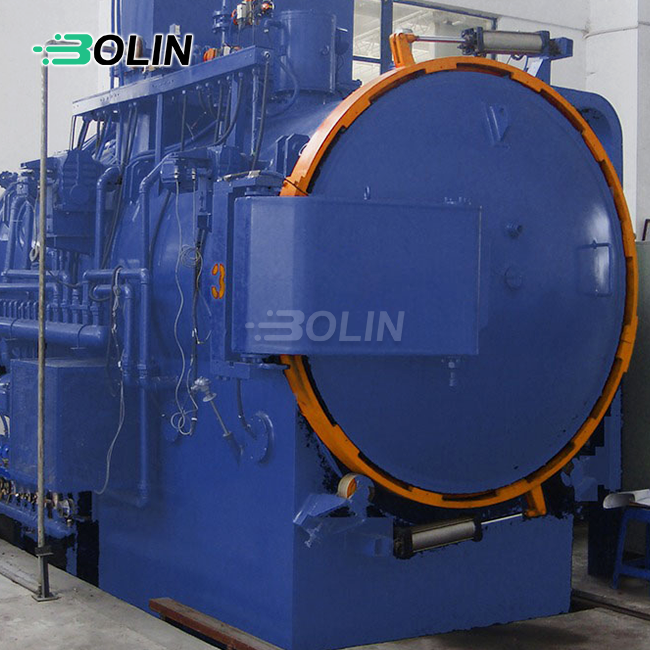
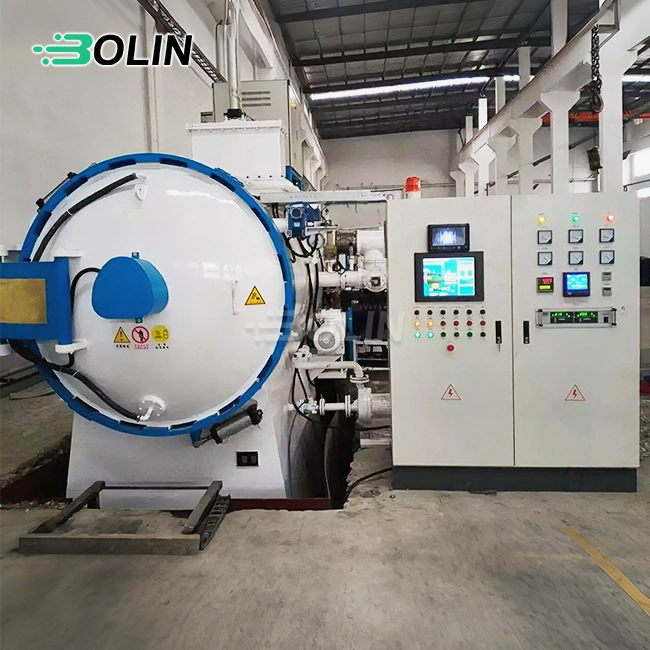
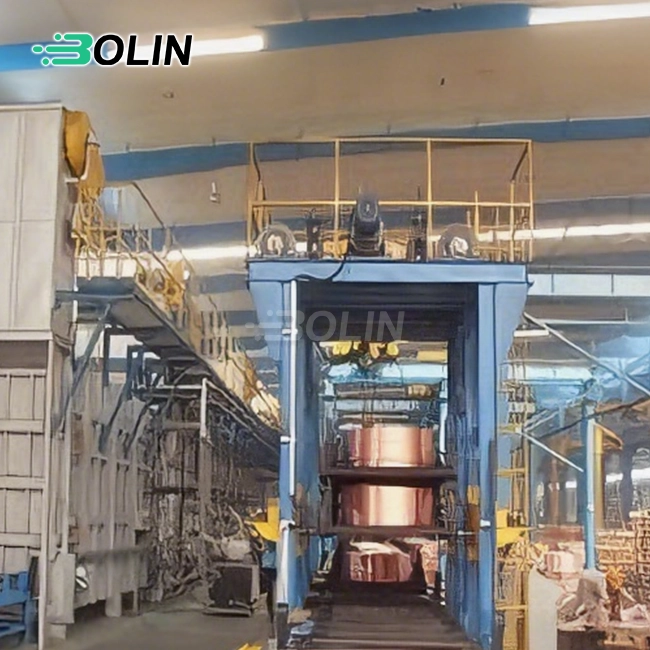
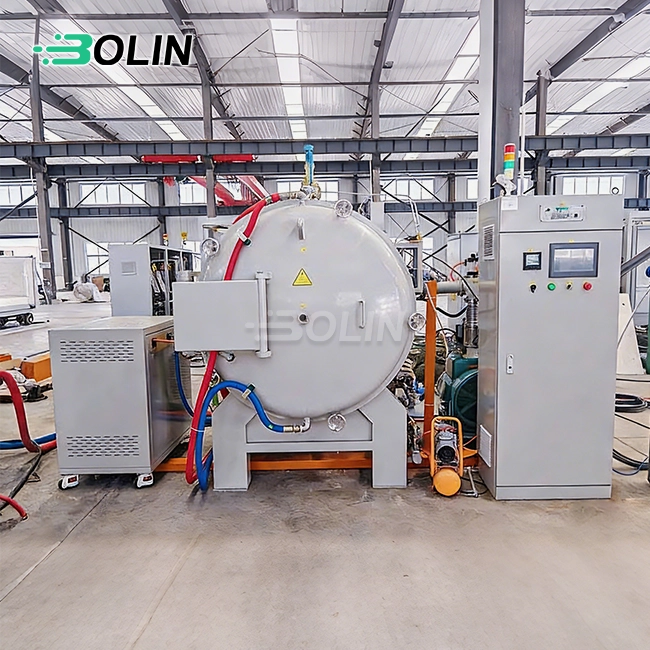
Makers struggle to heat lengthy rods, hefty rotors, and deep cylindrical parts uniformly and without thermal distortion. Gas fired pit furnaces' vertical-well design suspends workpieces to prevent bending while maintaining a 150°C to 1150°C temperature range. This system burns natural gas or LPG efficiently and controls temperature. Businesses that need exact metallurgical findings need these systems. The built-in heat recovery systems save up to 30% over electric versions, and the vertical orientation prevents panels from sliding during heating cycles. This helps buying teams manage quality and budget challenges daily.
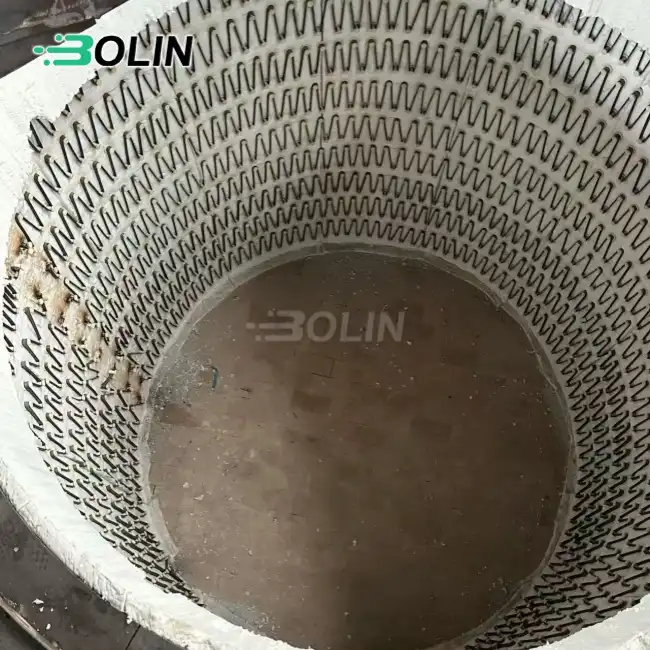
How Gas Fired Pit Furnaces Operate and Meet High-Temperature Needs
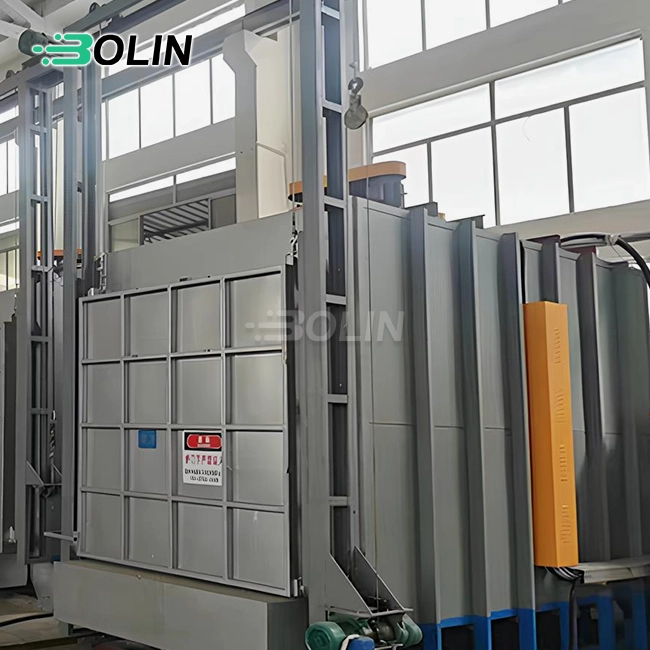
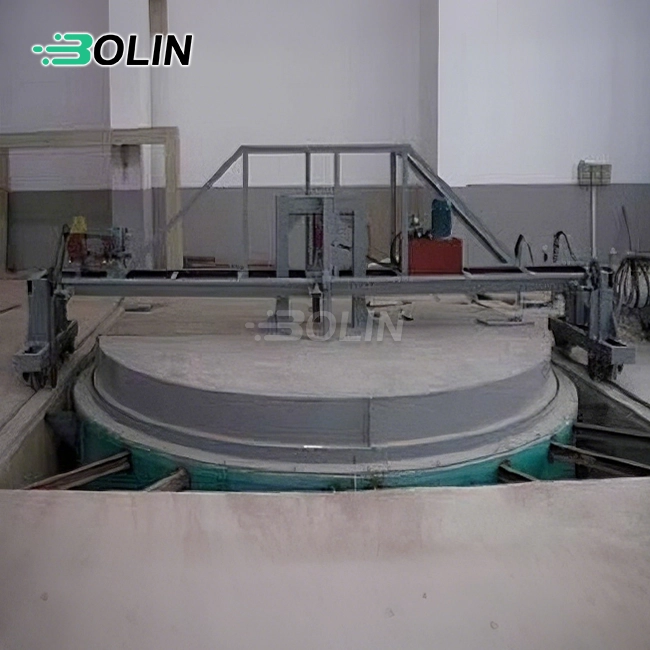
Controlled combustion in a vertical chamber powers pit-style heating equipment. Pulse-fired flames encircling the pit allow natural gas or propane to enter. These burners generate strong convection currents that circulate across the room, maintaining a consistent temperature. Vertical shape makes top-loading clamps easy to hang parts from. Gravity keeps them straight throughout the crucial heating phase, when metals become pliable.
Combustion Mechanism and Heat Generation
Modern gas-fired pit furnaces employ recuperators to reheat combustion air with exhaust heat. This closed-loop approach directly reduces fuel usage while maintaining temperatures above 1200°C for lengthy durations. The burner's multi-zone PID controls and real-time thermocouple input automatically adjust flame level. If each zone controls its own temperature, heat distribution is the same for little or large loads.
Temperature Range and Control Precision
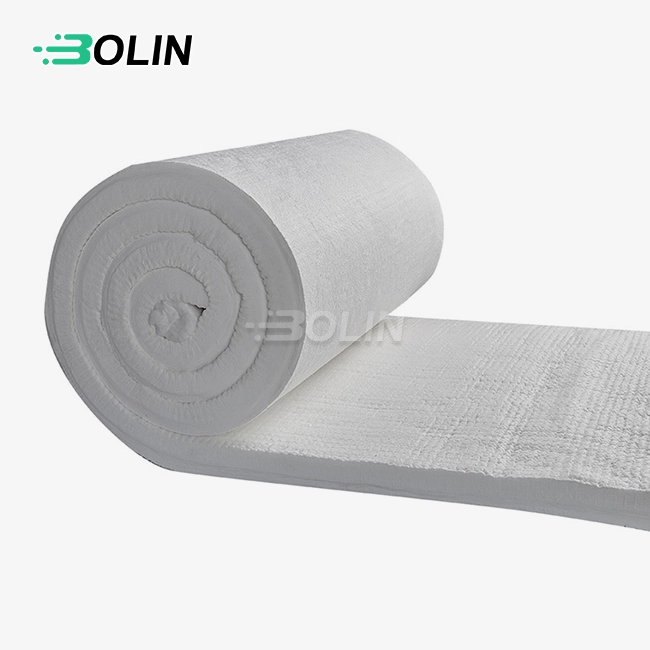
From 150°C for low-temperature tempering to 1150°C for high-temperature carburizing. Ceramic fibre insulation certified for 1260°C to 1430°C minimises heat loss through chamber walls, and the low thermal mass covering heats and cools the space rapidly. The work area maintains a consistent temperature of ±3°C, meeting AMS2750G pyrometry criteria for aviation usage. This precision eliminates soft patches and stiffened regions that might compromise component performance.
Safety Features and Compliance Standards
Each Gas Fired vertical heating system contains UV scanners that monitor the burners to maintain flame. High and low gas pressure controls prevent fuel supply issues, while purge timers remove explosive gas before ignition. To prevent unburned gas, automated cutoff valves halt fuel flow in milliseconds as the spark goes out. Ventilation controls ensure that the proper quantity of air flows through the system, meeting NFPA 86 safety and ISO 13577 quality standards for industrial heat processing equipment.
Core Advantages of Gas Fired Pit Furnaces for Industrial Applications
Choose between fuel-based heating systems and electric resistance systems depending on operating efficiency. Gas burning has several quantifiable advantages that cut production costs and improve the environment. Current gas fired pit furnaces use exhaust gas heat to preheat combustion air before it enters the burners with recuperator technology. This procedure usually saves 25–30% of natural gas compared to systems that don't recover it.
Here are the core advantages manufacturers gain from vertical gas-fired heating systems:
- Energy Cost Reduction: Natural gas is cheaper per BTU than power in much of the U.S. Reusing waste heat saves the recuperative burner system more money. The fuel cost per ton of treated steel is substantially cheaper than for an electric furnace.
- Uniform Heat Distribution: Fast burners produce powerful convection currents that circulate heat vertically. This circulation system keeps all workpiece surfaces at the same temperature. This satisfies severe heat treatment criteria for aerospace and car safety-critical parts.
- Minimal Thermal Distortion: Vertical support eliminates contact regions that create temperature disparities. Long shafts and cylinders maintain precise measurements during carburizing, normalizing, and tempering. This is crucial for precision gears and turbine parts with micron-scale geometric inaccuracies.
- Rapid Turnaround Cycles: Low-thermal-mass ceramic fiber linings heat and cool faster than hefty refractory bricks. Shorter batch-to-batch transition periods speed up high-volume production plans without decreasing temperature precision.
- Process Versatility: One vertical gas heater may power many metalworking processes. Annealing reduces internal stresses after cutting, hardening increases wear resistance, carburizing hardens the surface for turning, and normalizing smooths the grain structure after forging.
These benefits assist industrial firms in overcoming production issues and growing expenses while increasing heat treatment. Pit-style gas heating is beneficial in places that manufacture lengthy parts and can't utilize electric furnaces since it consumes less fuel, maintains temperature, and is versatile.
Environmental Benefits and Emission Control
Gas-burning systems emit less sulfur and particulates than oil or gasoline heating systems. This improved smoking profile helps locations meet California and northeastern air quality standards that limit factory emissions. Modern burner designs enhance air-to-fuel ratios, reducing carbon monoxide and nitrogen gas emissions. Regular emissions monitoring ensures local environmental criteria are met. This helps sustainability activities that customers are increasingly expecting their supply chain partners to support.
Maintenance Efficiency and Uptime Reliability
Regular maintenance for Gas Fired vertical heating equipment involves monitoring burners every three months, refractory every six months, and control system every year. The modular ceramic fiber liner allows repairs without disassembling the chamber, reducing downtime compared to brick refractory maintenance. After 5,000 hours, flame monitoring and gas valves wear out the most and must be replaced. JIT manufacturing requires nonstop production schedules, which this maintenance plan provides.
Comparing Gas Fired Pit Furnaces with Other High-Temperature Furnace Types
You must examine heating methods' cost, efficiency, and applicability before choosing thermal processing gear. Electric resistance stoves don't burn and are easy to clean, making them ideal for air quality-controlled environments. However, power prices raise operational expenses per ton of material processed, especially during strong demand. Gas fired pit furnaces give similar temperature stability and save 30–40% in areas where natural gas is inexpensive.
Induction heating raises temperature fast for stiffness or spot heating. The method works well for swiftly handling tiny amounts, but deep-section heating is difficult due to the penetration depth. Pit-style gas heating systems are excellent for through-hardening large cross-sections and maintaining extended soak durations for carburizing deep case depths when induction isn't practicable.
Rotary furnaces are suitable for continuous processing of smaller parts, although Gas Fired vertical heating systems can handle long rods and hefty cylinder pieces. Rotary designs' rolling movement can harm precision-machined parts. However, fixed vertical suspension protects surface polish during heat cycling.
Oil and diesel heating systems create a lot of BTUs, but their fuel costs are more volatile, they pollute more, and they are harder to maintain than natural gas systems. When fuel oil burns, sulfur creates corrosive residue that advances refractory deterioration and increases maintenance costs. Natural gas burns better, lasts longer, and stabilizes North American fuel supply lines. For facilities that want long-lasting equipment, Gas Fired designs are superior.
Understanding these trade-offs helps buying and engineering teams choose the optimal heating technology for production. Vertical Gas Fired pit heating is ideal for processing lengthy items that need to be evenly toughened when natural gas infrastructure is readily available, and operation costs may be reduced by investing in recuperative burner technology.
Selecting and Procuring the Ideal Gas Fired Pit Furnace for Your Business
Before buying industrial heating equipment, check the technical characteristics to make sure it meets your production demands. Start with chamber measurements. The pit's depth must contain your longest components with room for fixing them, and its breadth must meet batch volume targets. Compact 500mm gas fired pit furnaces for tool and die shops, and massive 50,000mm systems for wind turbine components and undersea drilling equipment are available.
Your heat treatment procedures will provide the temperature range. Car gearbox parts must be tempered at 150°C to 650°C. Big equipment gears must be carburized at 900°C to 950°C with rigorous carbon potential control. Power ranges from 5KW test systems to 3000KW production furnaces. The size is determined by the quantity of labor, heating rate, and cycle duration.
Evaluating Manufacturer Capabilities and Support
Famous furnace builders with decades of heat engineering knowledge develop custom systems. Ipsen, AFC-Holcroft, and Eclipse make sturdy, warranty-backed goods. Make sure vendors have expertise with your uses. Aerospace thermal treatment requires separate licensing than vehicle or oil field processing.
Long-term running success depends on after-sales support as much as tools. Factory specialists should supervise starting, calibrate control systems, and train personnel as part of installation aid. Warranty coverage for parts and service is normally 12 months, although mission-critical production machines may need longer coverage. Your investment will be protected as long as it works with field service for repairs, simple access to replacement parts, and system improvements.
Procurement Options and Financial Considerations
Direct purchasing provides you with complete control and depreciation. Established locations with capital budgets should acquire equipment. Leasing lets organizations boost capacity without paying a lot at once, improving cash flow. However, the overall leasing cost exceeds the buying price. Buy in bulk to get savings. This helps organizations standardize heat treatment equipment across facilities.
Hebei Bolin Electric Furnace Manufacturing customizes heat processing solutions. Our engineers build pit furnace systems from manufacturing demands and component layouts. They customize chamber sizes, burner configurations, and control systems to match your needs. Production lead times range from 10 to 40 days, depending on configuration complexity. International consumers that need local features might use ODM and OEM services.
Best Practices for Operating Gas Fired Pit Furnaces in High-Temperature Processes
The first step to optimizing your heater is using the proper process controls. PLCs are in current pit heating systems. These controllers adjust heating, soak, and cooling steps automatically. Recipe-based programming saves part-type-specific thermal cycles. This eliminates human error and ensures batch-to-batch metallurgical outcomes. To prove temperature tracking, aerospace and car quality control systems need data logging of entire temperature profiles.
Regular temperature uniformity investigations are needed to meet AMS2750 criteria. These investigations use thermocouples across the work area to record temperature changes during regular running cycles. The findings suggest the room stays within limits. No matter where in the load, every item gets the correct heat treatment in these gas fired pit furnaces.
Preventive Maintenance Protocols
Regular review intervals prevent unexpected mistakes from disrupting work. Every three months, the burner is examined for flame characteristics, spark igniters for electrode wear, and gas pressure stability across all operating ranges. Every six months, thermal imaging cameras monitor the refractory for hot patches that indicate insulation breakdown before they cause major energy losses. The control system is calibrated annually to compare thermocouple accuracy to reference standards. This ensures quality assurance paperwork measuring accuracy.
Preventing typical operating issues reduces downtime. An unsteady flame is usually caused by poor air-fuel ratio settings or a filthy burner opening, which may be corrected during routine maintenance. Unexpected heat loss may indicate refractory or door seal problems. Thermal imaging scans can detect these issues before they require costly repairs.
Operator Training and Safety Culture
Comprehensive training programs ensure furnace personnel understand burning, can recognize problems, and know what to do when an alert goes off. Training should include startup, shutdown, emergency response, and common problem-solving. Regular refresher classes address safety problems and introduce new control system features.
A safety mentality that empowers workers to switch off equipment when anything goes wrong prevents accidents and protects people and equipment. Everyday pre-work checklists to check safety interlocks, door seals, and air systems build excellent habits that keep the workplace safe every shift.
Conclusion
Companies that handle lengthy, heavy products that need precise temperature treatment benefit most from vertical gas fired pit furnaces. Because it consumes less energy, distributes heat uniformly, and doesn't vary temperature significantly, it addresses critical manufacturing challenges at lower prices than electric choices. These systems comply with AMS2750G, CQI-9, and NFPA 86 for aerospace, automotive, and heavy industrial quality and safety. Modern pit furnace technology provides your plant the performance, dependability, and cost-effectiveness it needs to compete in competitive metallurgical markets, whether it needs unique design for complicated part geometries or conventional solutions for high-volume batch processing.
FAQ
What temperature ranges can pit-style gas heating systems achieve reliably?
Modern vertical Gas Fired Pit Furnace equipment works effectively from 150°C for low-temperature tempering to 1150°C for leveling and carburizing. With ceramic fiber insulation rated to 1430°C, heat is retained beyond usual operating ranges, and multi-zone burner management maintains ±3°C temperature consistency throughout the working volume. This accuracy fulfills AMS2750G aircraft pyrometry requirements.
How do gas-fired systems compare to electric furnaces for energy efficiency?
Gas with built-in heat recovery consumes 25–30% less energy per ton of treated steel than electric resistance heating in most of the U.S. The recuperator warms burnt air using exhaust heat, reducing fuel usage. Gas Fired Pit Furnace systems are cheaper for continuous high-temperature operations, depending on where you live and natural gas and energy prices.
What safety features are mandatory for gas-fired industrial heating equipment?
UV scanners, high and low gas pressure switches, purge timers to prevent explosive gas accumulation, and automated cutoff valves for flame-out situations are required by NFPA 86. Ventilation controls and explosion relief panels make the building safe during odd combustion occurrences. Every system must be safety checked annually and have its locking function and control response times recorded.
Upgrade Your Heat Treatment Capabilities with Bolin's Advanced Pit Furnace Solutions
Hebei Bolin Electric Furnace Manufacturing offers gas-fired heat processing systems that may be customized to match your industrial demands. As a leading gas fired pit furnace manufacturer, we provide design, installation, testing, and technical support. Our AMS2750G-compliant vertical heating systems offer sophisticated ceramic fiber insulation, high-velocity pulse-fired burners, and multi-zone PID temperature control. Contact our engineering team at 15720259172@163.com to discuss your parts and production volume targets. We'll offer you precise details on how our recuperative burner technology can cut energy costs, improve heat treatment consistency, and improve metal quality.
References
1. American Society for Metals. Heat Treating: Equipment and Process Design, ASM International Handbook Series, Volume 4B, 2014.
2. Industrial Heating Equipment Association. Combustion Safety Guidelines for Industrial Furnaces and Ovens, IHEA Technical Standards Publication, 2019.
3. National Fire Protection Association. NFPA 86: Standard for Ovens and Furnaces, 2023 Edition, NFPA Press.
4. SAE International. AMS2750G: Pyrometry Requirements for Thermal Processing, Aerospace Material Specification, 2020.
5. Automotive Industry Action Group. CQI-9: Heat Treat System Assessment, 4th Edition, AIAG Quality Standards, 2018.
6. Trinks, Wilhelm and Mawhinney, Michael. Industrial Furnaces: Principles of Design and Operation, 6th Edition, John Wiley & Sons, 2004.
Learn about our latest products and discounts through SMS or email