- English
- French
- German
- Portuguese
- Spanish
- Russian
- Japanese
- Korean
- Arabic
- Irish
- Greek
- Turkish
- Italian
- Danish
- Romanian
- Indonesian
- Czech
- Afrikaans
- Swedish
- Polish
- Basque
- Catalan
- Esperanto
- Hindi
- Lao
- Albanian
- Amharic
- Armenian
- Azerbaijani
- Belarusian
- Bengali
- Bosnian
- Bulgarian
- Cebuano
- Chichewa
- Corsican
- Croatian
- Dutch
- Estonian
- Filipino
- Finnish
- Frisian
- Galician
- Georgian
- Gujarati
- Haitian
- Hausa
- Hawaiian
- Hebrew
- Hmong
- Hungarian
- Icelandic
- Igbo
- Javanese
- Kannada
- Kazakh
- Khmer
- Kurdish
- Kyrgyz
- Latin
- Latvian
- Lithuanian
- Luxembou..
- Macedonian
- Malagasy
- Malay
- Malayalam
- Maltese
- Maori
- Marathi
- Mongolian
- Burmese
- Nepali
- Norwegian
- Pashto
- Persian
- Punjabi
- Serbian
- Sesotho
- Sinhala
- Slovak
- Slovenian
- Somali
- Samoan
- Scots Gaelic
- Shona
- Sindhi
- Sundanese
- Swahili
- Tajik
- Tamil
- Telugu
- Thai
- Ukrainian
- Urdu
- Uzbek
- Vietnamese
- Welsh
- Xhosa
- Yiddish
- Yoruba
- Zulu
What Factors Determine the Longevity of Resistance Ribbon?
Knowing what makes resistance ribbon durable is vital when choosing heating elements for industrial thermal processing systems to maintain your operating efficiency and capital investment. Resistance ribbons are flat heating elements constructed of specific metals. The kind of material, operating circumstances, heat cycle management, and maintenance frequency affect their lifespan. High-quality Nickel-Chromium or Iron-Chromium-Aluminum resistance ribbon can endure over 5,000 operational hours if properly specified and stored. These heating elements' reliability in heat treatment furnaces, sealing equipment, and precision thermal processing tasks depends on their controlled thermal expansion properties, metallurgical stability, and protective oxide layers.
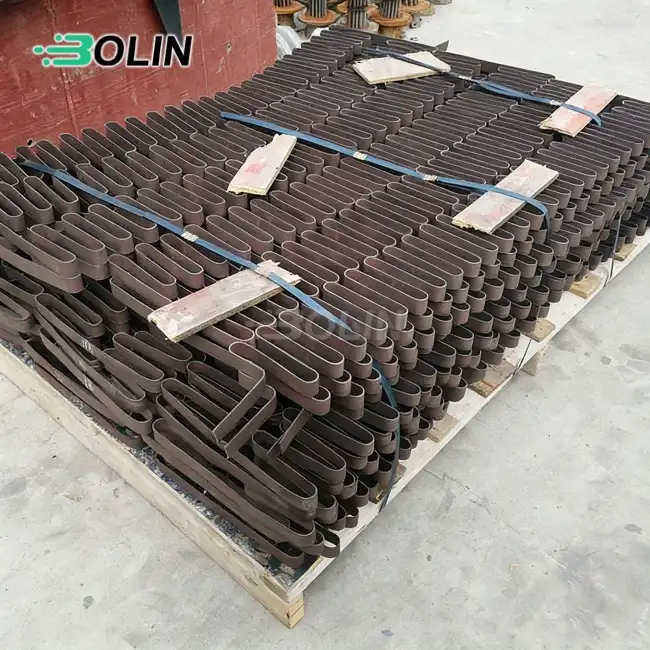
Understanding Resistance Ribbon Technology and Why Durability Matters
Due to its rectangular form and metal construction, Resistance ribbon heating elements are unique. Flat-profile heating wires have higher surface-to-volume ratios than round ones, which affects heat output and mechanical durability.
What Makes Flat Heating Elements Different
Resistance ribbon's rectangular design makes it simpler to touch hot surfaces than cylindrical wires with the same cross-sectional area. Heat will circulate more effectively and evenly throughout the furnace room. Flat shapes are more stable, especially in vibratory environments like roller hearth furnaces and continuous processing lines. This physical advantage prevents hot spots from developing at temperatures around 1400°C, speeding element breakdown.
Why Longevity Impacts Your Production Economics
Replacing a heating element costs more than the part. Production delays, upkeep, furnace cool-down durations, and lower-quality interrupted runs are all included. Longer-lasting Resistance Ribbons minimize total cost of ownership by prolonging service calls. Constant heat treatment companies realize that unscheduled element malfunctions can delay production and delay client orders.
Critical Performance Parameters
Heating strip durability depends on mechanical and electrical factors. Electrical resistance between 1.08 and 1.45 µ·m allows sufficient power flow without excessive current load. The maximum temperature for top FeCrAl grades is 1425°C, which is sufficient for long-term use. Creep strength—its capacity to resist deformation under long-term temperature and mechanical stress—will show whether your ribbon retains the same size after thousands of heating cycles.
Material Composition: The Foundation of Heating Element Longevity
Resistance ribbons' lifespan and temperature performance depend on their metal. Industry uses two primary alloy families. Each offers advantages for different workplaces.
Nickel-Chromium Alloys and Their Protective Mechanisms
Initial usage of Nickel-Chromium Resistance Ribbons, which include 80% nickel and 20% chromium, forms a strong chromium oxide (Cr2O3) coating on the outer. Protecting against internal oxidation and air damage, oxide production is crucial. This protective layer self-heals, so minor surface damage disappears at normal operating temperatures. These metals are flexible for intricate coil forms and function well at mild temperatures up to 1150°C. Higher nickel concentration makes these strips more thermal shock-resistant. For frequent temperature changes, they are ideal.
Iron-Chromium-Aluminum Performance Advantages
FeCrAl Resistance Ribbons generate an aluminum oxide (Al2O3) covering layer that resists oxidation better than chromium oxide. Alumina stays solid at higher temperatures, allowing the operating temperature to reach 1425°C. FeCrAl ribbons are cheaper than nickel-based alloys, making them ideal for large heat treatment ovens and continuous manufacturing lines. These alloys operate well in acidic settings and are electrically stable for long durations. Extreme temperatures weaken objects; therefore, mechanical design must prevent tension buildup.
Manufacturing Quality and Consistency Standards
Beyond the basic alloy, ribbon precision affects its lifespan. Keeping the ribbon width constant prevents high current spots that cause early failure. Both oxide layer development and mechanical stress distribution depend on surface finish. Ribbons according to ASTM B344 or DIN 17470 standards undergo rigorous physical and compositional tests to ensure consistency. When purchasing heating components for critical industrial equipment, these quality criteria ensure that expected performance matches service life.
Operating Conditions: Environmental Factors That Affect Service Life
The operational setting surrounding your Resistance ribbon affects its lifespan. Understanding these parameters lets you pick the best parts and optimize the boiler.
Temperature Management and Thermal Cycling
Resistance ribbons oxidize and creep faster at or near their greatest suggested temperature, shortening their lifespan. The industry recommends 80–85% of the highest recommended temperature for optimal longevity. Rapid temperature changes generate thermal shock, which breaks metal layers and wears machinery. Controlled heat and cooling, especially during start-up and shut-down, prolongs element life. Your furnace control system's temperature ramp patterns should minimize ribbon surface thermal disparities.
Atmospheric Composition and Chemical Environment
Ribbon surfaces react immediately with furnace gas during operation. Oxidizing atmospheres generate protective oxides, but cracked top layers accelerate interior oxidation. Reducing atmospheres may inhibit oxide production, leaving the parent metal vulnerable to further breakdowns. Nickel- and iron-based metals are damaged by sulfur-rich air, shortening their lifespans. Resistance ribbon metals with the correct resistance are essential for controlled atmosphere industrial operations. Air rust is prevented by vacuum, although workpiece pollutants may reach ribbons.
Mechanical Stress and Vibration Management
Heating elements wear out in high-energy regions like roller hearths and conveyor furnaces. Flat Resistance Ribbon has a higher cross-sectional moment than round wire, giving it a mechanical advantage. The appropriate mounting tension prevents droop and overtensioning, which adds stress. Ribbon gear must withstand temperature expansion without hindering movement. Planning furnace settings with expansion limitations prevents mechanical damage during heat cycling.
Power Density and Electrical Loading
Temperature and oxidation rate are closely proportional to surface power density (watts per square centimeter). Flat ribbon can take greater power levels without overheating since it dissipates heat better. Keeping power density within manufacturer specifications prevents element temperatures and extends life. Electrical load balancing prevents ribbon sections from overloading and failing early. The electrical architecture of your heater should incorporate tracking features to detect unbalanced loads.
Maintenance Protocols: Preserving Ribbon Integrity Through Preventive Care
Systematic care extends heating element life and detects issues before they become disastrous.
Inspection and Early Failure Detection
Regular visual examinations during planned maintenance breaks reveal oxide layer spalling, hot spot coloration, creep deformation drooping, and hardware deterioration. Infrared thermal imaging during operation can reveal temperature fluctuations that indicate part failure. Small variations in electrical resistance indicate rust progression. With these inspection procedures, scheduled replacements may be made before unexpected failures disrupt production.
Cleaning Considerations for Extended Service
Resistance ribbon wear is accelerated by furnace contaminants such as metal fumes, flux residues, and process outcomes. Regular cleaning removes these particles before they react chemically with protective metal coatings. Rough procedures that scrape or gouge ribbons decrease protective barriers while cleaning oxide surfaces. The correct cleaning products depend on the impurities, but they must leave no dangerous residues behind. Frequent cleaning prevents wear and tear in processes with high contamination.
Electrical System Maintenance
The lifespan of a heating element depends on its power source and connections. Voltage variations cause temperature fluctuations, which accelerate thermal stress. Power source harmonics increase current loading beyond normal. Terminals, bus bars, and wire connections become less flexible due to oxidation and temperature cycles. Warmth from this increased resistance might harm ribbon ends. If electrical linkages are regularly inspected and maintained, these issues won't diminish an element's life.
Selecting Resistance Ribbon for Maximum Operational Value
When buying heating parts, consider their lifetime worth vs their initial cost. Knowing life factors enables you to make investment-maximizing decisions.
Matching Alloy Selection to Application Requirements
Your heat processing demands determine the optimal Resistance Ribbon metal. When the greatest temperature is below 1100°C, nickel-chromium bands flex and tolerate thermal shock better. We require iron-chromium-aluminum alloys that can tolerate temperatures exceeding 1200°C. The atmosphere may be more crucial than temperature; sulfur-containing environments require specific alloys. Don't know which alternative is best? Give expert providers complete application details to get ideas with the longest service life.
Evaluating Manufacturer Credentials and Quality Systems
The production method, metallurgical control, and quality assurance of different manufacturers' Resistance Ribbons affect their performance. ISO 9001 quality management systems demonstrate suppliers' commitment to manufacturing quality. Material certificates that detail the alloy's composition and mechanical properties help track and ensure product performance. Manufacturing experience in your business lets you satisfy your product's particular durability demands. Bolin, which designs, manufactures, and supports, may offer integrated solutions that extend component life by properly designing the system.
Engineering Support and Application Expertise
Application engineering is typically needed in addition to part selection to extend Resistance Ribbon life. Calculating the proper power level for your furnace, placing it so it doesn't grow or shrink, and choosing compatible connecting hardware all impact its lifespan. Suppliers with comprehensive technical assistance can help you prevent specification errors that limit product life. Working with engineering-consultant manufacturers while installing or modifying thermal processing equipment will prolong heating elements.
Conclusion
The quality, use, and maintenance of resistance ribbon heating elements determine their lifespan. A longer service life starts with choosing the correct alloy compositions—nickel-chromium for moderate temperatures and thermal shock protection, or iron-chromium-aluminum for high temperatures. Protective oxide layers that slow deterioration are maintained by staying within temperature ranges, avoiding thermal cycling, and maintaining a suitable environment. Inspections, cleaning, and energy system maintenance catch issues before they become significant. Understanding how these factors interact and working with experienced suppliers who offer full engineering support can help you get the most out of your heating element investments to get reliable performance, keep production running smoothly, and lower the total cost of ownership across all of your thermal processing operations.
FAQ
How Often Should Resistance Ribbon Be Replaced in Continuous Operation Furnaces?
In continuous heat treatment, correctly determined Resistance Ribbon lasts 5,000–8,000 hours. This lasts longer at 80% of furnace maximum temperature. Furnaces nearing temperature limitations may need more frequent replacement. Sometimes fixed plans aren't the greatest method to decide when to replace. Regular resistance tracking and inspection.
Can Resistance Ribbon Operate Reliably in Vacuum Environments?
In vacuum, a good resistance ribbon doesn't let air oxygen break it down. Vacuum operation generally extends service life compared to constant air temperature. Consider pollution from item outgassing, and that heat transfer characteristics influence power density estimations.
What Signs Indicate Resistance Ribbon Approaching End of Service Life?
Compared to initial values, electrical resistance increases; oxide layer spalling or cracking; sagging between mounting points indicates creep deformation; and localized discoloration shows hot-spot development. Thermal imaging that reveals uneven temperature warns of changes before they occur.
Partner with Bolin for Superior Resistance Ribbon Solutions and Comprehensive Heat Treatment Equipment
High-quality resistance ribbons for sale from Hebei Bolin Electric Furnace Manufacturing are ideal for harsh industry heat processing. Due to thorough metallurgical control and diligent production, our Nickel-Chromium and Iron-Chromium-Aluminum heating elements endure longer. We have been making various types of heat treatment equipment since 2022. We apply advanced resistance ribbon technology in pit furnaces, roller hearth lines, mesh belt furnaces, and other thermal processing equipment. Our technical staff provides application-specific assistance to choose the optimal ribbon, calculate the correct power density, and apply the best-fitting procedures to maximize product life. We handle all your manufacturing needs, from planning to installation and after-sales servicing. Downtime is reduced and your heating element investment maximized. Contact our technical experts at 15720259172@163.com to discuss how Bolin resistance ribbon supplier solutions can improve heat treatment efficiency, service intervals, and total cost of ownership.
References
1. Davis, J.R. (Ed.). (2001). Metals Handbook: Properties and Selection of Nonferrous Alloys and Special-Purpose Materials. ASM International, Materials Park, Ohio.
2. Kanthal AB. (2018). Heating Alloys for Electric Household Appliances: Handbook for Design Engineers and Manufacturers. Sandvik Materials Technology Division, Hallstahammar, Sweden.
3. Reed, R.P., & Clark, A.F. (1983). Materials at Low Temperatures: Handbook on Materials for Superconducting Machinery. American Society for Metals, Metals Park, Ohio.
4. Schumann, H. (1975). Metallographie: Metallographic Methods and Materials Testing. VEB Deutscher Verlag für Grundstoffindustrie, Leipzig, Germany.
5. Tietz, T.E., & Wilson, J.W. (1965). Behavior and Properties of Refractory Metals. Stanford University Press, Stanford, California.
6. Wright, I.G., & Pint, B.A. (2006). High Temperature Oxidation of Fe-Cr-Al and Fe-Cr-Al-Mo Alloys: Recent Advances in Understanding. Oak Ridge National Laboratory Technical Publications, Oak Ridge, Tennessee.
Learn about our latest products and discounts through SMS or email