- English
- French
- German
- Portuguese
- Spanish
- Russian
- Japanese
- Korean
- Arabic
- Irish
- Greek
- Turkish
- Italian
- Danish
- Romanian
- Indonesian
- Czech
- Afrikaans
- Swedish
- Polish
- Basque
- Catalan
- Esperanto
- Hindi
- Lao
- Albanian
- Amharic
- Armenian
- Azerbaijani
- Belarusian
- Bengali
- Bosnian
- Bulgarian
- Cebuano
- Chichewa
- Corsican
- Croatian
- Dutch
- Estonian
- Filipino
- Finnish
- Frisian
- Galician
- Georgian
- Gujarati
- Haitian
- Hausa
- Hawaiian
- Hebrew
- Hmong
- Hungarian
- Icelandic
- Igbo
- Javanese
- Kannada
- Kazakh
- Khmer
- Kurdish
- Kyrgyz
- Latin
- Latvian
- Lithuanian
- Luxembou..
- Macedonian
- Malagasy
- Malay
- Malayalam
- Maltese
- Maori
- Marathi
- Mongolian
- Burmese
- Nepali
- Norwegian
- Pashto
- Persian
- Punjabi
- Serbian
- Sesotho
- Sinhala
- Slovak
- Slovenian
- Somali
- Samoan
- Scots Gaelic
- Shona
- Sindhi
- Sundanese
- Swahili
- Tajik
- Tamil
- Telugu
- Thai
- Ukrainian
- Urdu
- Uzbek
- Vietnamese
- Welsh
- Xhosa
- Yiddish
- Yoruba
- Zulu
Why Are Electric Annealing Furnaces Ideal for Small to Medium Plants?
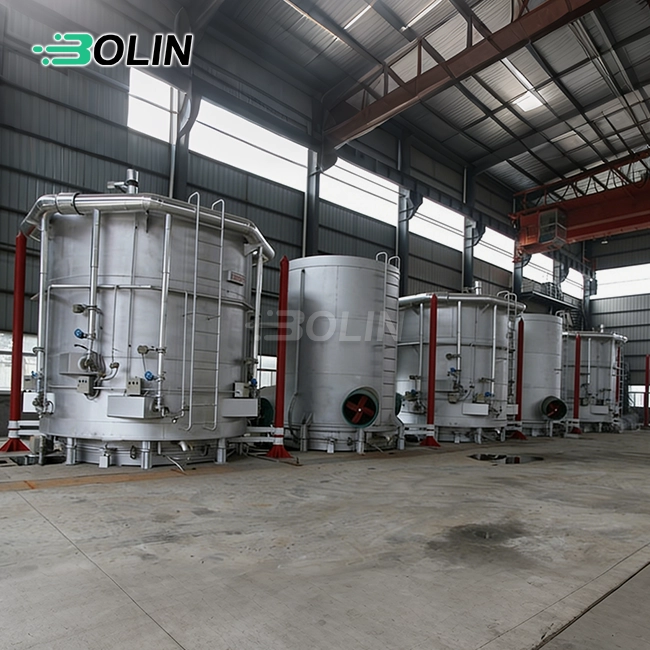
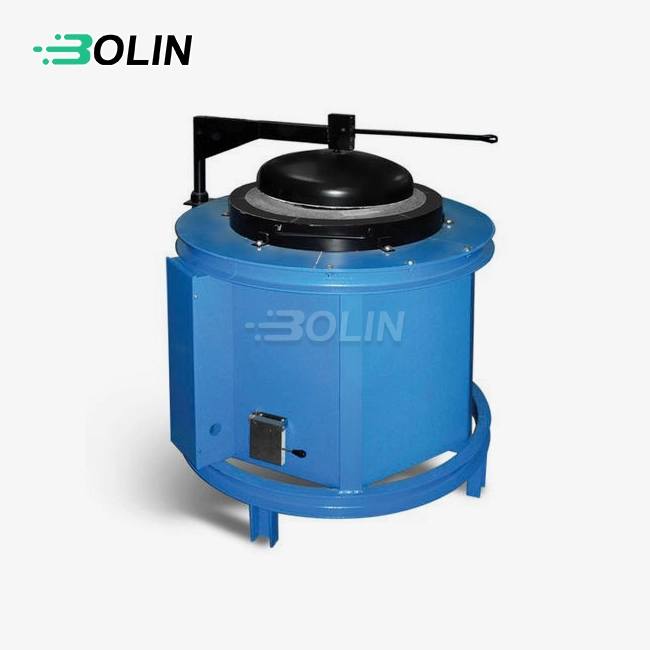
Small to medium-sized US firms that heat treat items need electric annealing furnaces. Thermal processing systems with precise temperature control, great energy efficiency, and scalable capacity meet the demands of developing manufacturers. Electrical heating technology is easier to operate, requires less equipment, and costs less than vacuum systems or gas-fired installations for smaller industries. These furnaces can handle batches from small machining pieces to high loads exceeding 1000 kg, making them adaptable and allowing enterprises to serve a wide spectrum of clients without buying several systems.
Understanding Electric Annealing Furnaces and Their Core Advantages
An electric annealing furnace heats metal pieces to 100°C to 1300°C and holds them there long enough to alter their structure. The material becomes less rigid, relieves internal tensions from earlier production phases, and is simpler to form after this regulated heating and cooling cycle.
How Electrical Heating Technology Works
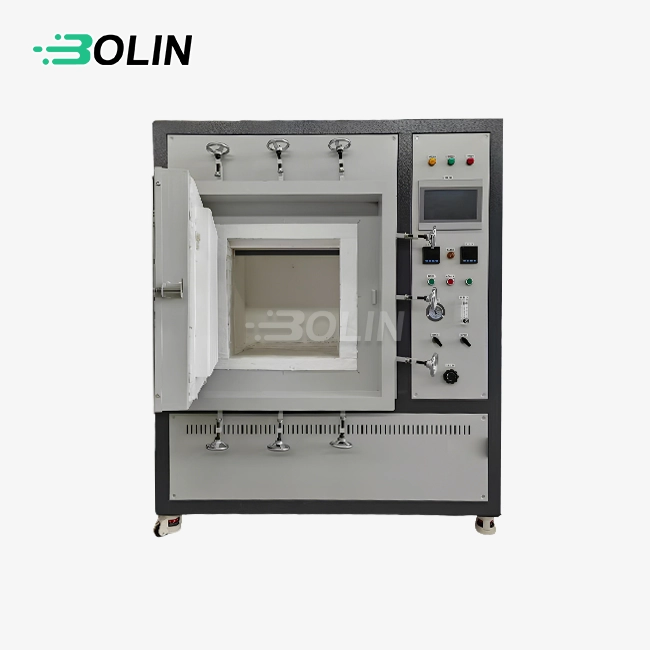
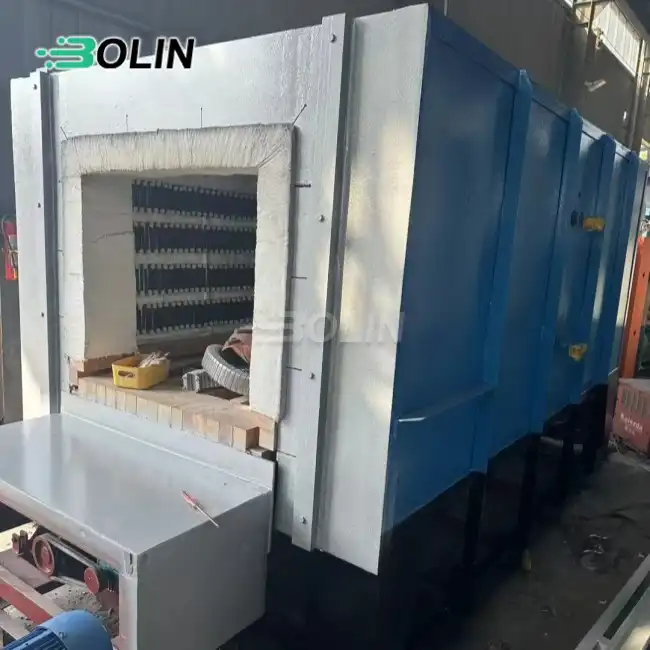
Resistance heating devices around the room convert electrical energy into heat. Newer variants cover workpieces uniformly in temperature zones with five-sided heating elements. This eliminates older model hot and cold areas. Modern PID controllers monitor chamber conditions and adjust the power supply to maintain ±3°C temperature throughout the operating volume. This precision ensures that every batch's metallurgical results are consistent.
Energy Efficiency That Impacts Your Bottom Line
Business costs are a major concern for producing companies. Traditional refractory brick architecture traps a lot of heat within the furnace, wasting power on non-heat-treatment materials. Modern composite fibre insulation, cotton and ultra-lightweight high-strength microsphere vacuum ball energy-saving brick all-fibre insulation systems use about 30% less energy than earlier designs. Less thermal bulk means these systems may achieve operational temperature in an hour. They facilitate just-in-time production by using less energy during startup cycles and giving companies more schedule flexibility.
Maintenance Demands and Operational Uptime
Equipment reliability affects production and delivery. Electrically heated systems have fewer moving parts than gas-fired systems, which need burners, combustion air fans, exhaust systems, and gas train safety interlocks. Because the design is simpler, it requires less maintenance and has fewer risks. High-quality Cr20Ni80 or Kanthal heating elements endure 2–5 years in the correct temperature range and air conditions. Monthly visual checks and annual thermal imaging scans detect issues before production stops. This keeps uptime stable enough to keep consumer promises.
Comparing Electric Annealing Furnaces with Alternative Annealing Technologies
Manufacturing managers consider several heat treatment technologies. Knowing the distinctions between electrical, gas-fired, vacuum, and induction systems helps you choose the best electric annealing furnace for your demands and budget.
Electric Versus Gas-Fired Systems
Gas furnaces transfer combustion heat to the workplace. This creates an environment where exhaust gases must be released, and combustion residues may touch the workpiece. Due to hot exhaust loss, this method requires gas lines, a burning air supply, and exhaust stacks and wastes energy. Compliance is tougher, and activities may be limited when environmental rules focus more on fossil fuel emissions.
No combustion occurs in electrically heated rooms. This carbon-free heating environment prevents surface carburization and decarburization, which are especially problematic with high-value metals. Without flue gas heat loss, energy economy improves, lowering monthly power expenses. Facilities without natural gas service don't pay the initial and ongoing expenditures of joining a gas utility. With regular three-phase power service, their electrical systems may start operating immediately.
Electric Versus Vacuum and Induction Technologies
Small enterprises that can't afford new equipment find vacuum annealing systems difficult to use, but they provide excellent surface quality and environmental control. Maintaining vacuum pumping systems, gas backfill controllers, and specialist sealing mechanisms requires additional parts and maintenance knowledge.
Induction heating can swiftly heat particular shapes, but it struggles to heat large batches of different-shaped objects. Localised heating characteristics are good for repeating comparable pieces, but they're not flexible enough for parts with varied forms and materials. In one room, batch-type electrical resistance furnaces can treat various workpiece forms and sizes. This maximises equipment utilisation and adapts to production demands. Resistance heating technology is optimal for producers balancing performance, budget, and operational complexity because of these benefits.
Why Electric Annealing Furnaces Are Perfectly Suited for Small to Medium Manufacturing Plants
Due to their varied issues, small and medium-sized firms need different tools than large industrial operations. Production levels depend on customer demand, capital funds must be properly allocated between several critical goals, and technical staff typically have roles beyond heat treatment using an electric annealing furnace.
Scalable Capacity Matching Business Growth
Well-known companies provide thermal processing equipment with 5 kW to 3000 kW power and chamber sizes for tiny tooling bits to huge structural sections. Companies may pick the proper amount of power to fulfil their present production demands and allow for future expansion with this wide range. A firm that creates vehicle transmission parts, aerospace fasteners, and industrial tools in the same facility can manage 50-kilogram precision batches and 800 kg structural loads without buying various equipment.
Cost-Effective Investment with Strong Return
When combustion equipment infrastructure is considered, electrical resistance furnaces are frequently cheaper than vacuum systems. They also suit gas-fired installations. Better energy economy and fewer maintenance demands lower operational costs, giving financial decision-makers a demonstrable return on investment when approving capital investments. Switching from traditional refractory brick equipment to fibre-insulated designs may save a medium-sized firm that manufactures 40 batches a month about $15,000 in energy expenditures. This means the device will pay for itself in 3–4 years and improve the process.
Real-World Performance in Manufacturing Environments
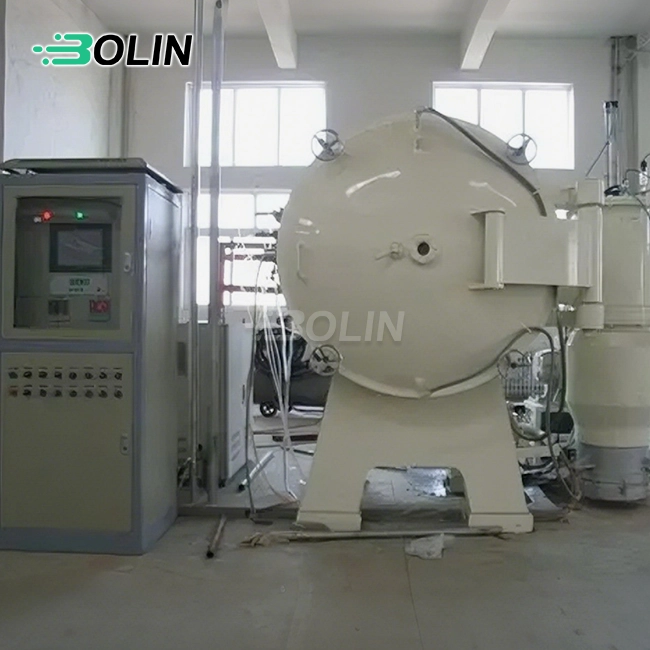
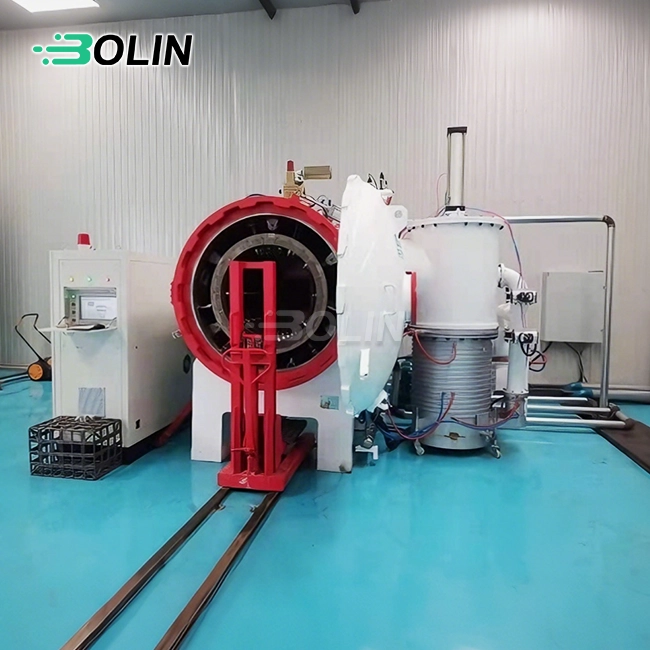
Operations managers like tools that work consistently without continual monitoring. Many industrial annealing systems incorporate a front-mounted trolley for loading large workpieces with typical material handling equipment. Use remote controllers to bring the loaded trolley into the processing zone after placing parts on it outside the heated chamber, where they are easier to see and access. Motor or hydraulic door raising systems eliminate the need to hoist heavy door sections. This makes the workplace safer and allows one person to load, process, and unload effectively.
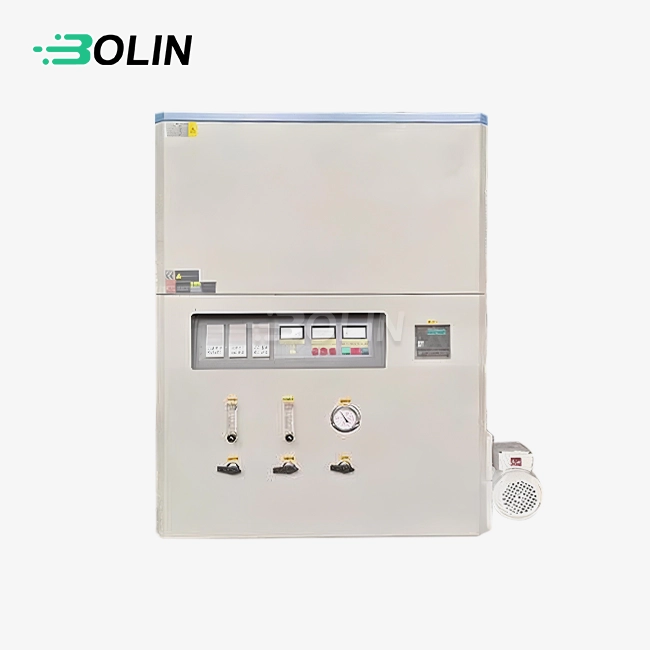
Quality management systems need powerful control systems with potential computer interfaces for full process documentation. These systems store plenty of data. Each thermal cycle records real-time temperature profiles. This meets automotive, airline, and medical device supply chain tracking demands. This built-in documentation function eliminates the need for several recording systems and human log entries, which impede production and create transcription errors.
Procurement Guide: How to Choose and Purchase the Best Electric Annealing Furnace
To pick the proper heat treatment equipment, evaluate technical demands, supplier expertise, and overall operational expenses beyond the original purchase price of an electric annealing furnace.
Critical Specification Factors
Production volume analysis determines how much space and speed the chamber requires to meet production plans and account for demand variations. Material parameters determine the temperature range and environment control needed. Stress-relief techniques work effectively for carbon steel parts in normal air. However, brilliant annealing of stainless steel or copper alloys requires a regulated environment with nitrogen or forming gas to prevent oxidation.
Energy economy ratings affect equipment lifetime costs. Power usage depends on insulation specifications, heating element configuration, and control system complexity. Thermal efficiency data from manufacturers helps calculate operational costs for in-depth financial research.
Supplier Evaluation and Partnership Considerations
You invest in equipment, and suppliers may aid you long after the sale. Full technical assistance ensures that the system's specs are right for each project, and installation aid ensures that the utilities are properly linked and ready to use. How long equipment is utilised depends on after-sales servicing, expert advice, and spare parts.
Long-standing manufacturers with industrial heat treatment knowledge can assist clients in avoiding specification errors and implementation issues. Important parts are covered by warranties, protecting you from unexpected repair expenditures in the first few months. Hebei Bolin Electric Furnace Manufacturing Co., Ltd., created in 2022 in Zhenggang Industrial Park of Yanshan Economic Development Zone, offers design, installation, and support. Custom thermal processing system R&D, manufacture, and engineering are available.
Investment Timing and Equipment Sourcing
Typical designs take 8–12 weeks to deliver, but custom-engineered systems might take 16–20 weeks. Production planners should consider these lead times when buying new equipment for new goods or capacity expansion. New tools come with the latest technology, a full warranty, and system customisation. When deciding between new and old equipment, consider more than pricing. The equipment's lifespan, availability of aid, and compliance with electrical and safety requirements should also be considered. Older designs may lack energy efficiency and control features that justify upgrading.
Maximising the Performance and Longevity of Your Electric Annealing Furnace
Equipment is expensive, and proper usage and maintenance of your electric annealing furnaces ensure constant performance and a longer lifespan.
Operational Best Practices
Temperature profile optimisation optimises cycle time and energy utilisation without impacting metalwork quality. Too much heating or extensive soak durations waste energy without changing material qualities, while too little thermal processing doesn't work. Working with mechanical specialists to write techniques for each material and component family ensures consistent outcomes and saves energy. Load configuration affects batch temperature equality. The appropriate spacing between parts enables warm air to circulate, preventing cool spots that reduce feature reliability. Workpieces should not touch hot elements to protect components and the heating system.
Preventive Maintenance Strategies
Regular checks catch issues before they break equipment. Monthly visual checks of heating elements reveal physical deterioration or corrosion that requires replacement. Each year, thermal imaging examinations reveal insulation deterioration or electrical connection issues that cause odd temperature patterns. Verifying the control system's calibration ensures room temperatures meet setpoints. It keeps everything functioning smoothly. Replacement of the heater element is the most crucial basic maintenance task. Tracking the number of hours a machine has been operated at different temperatures helps anticipate its lifespan and arrange replacements during planned breaks rather than surprise breakdowns that interrupt output. Stocking extra parts reduces wait times.
Thermal cycling degrades refractory insulation. Since fibre compression or contamination increases thermal mass, it takes longer for the heater to heat up, which might indicate insulation failure. Fixing faulty insulation quickly saves energy and prevents heating elements from wearing out faster to compensate for heat loss. These scheduled maintenance procedures ensure your equipment is always available and lasts longer, conserving your investment and helping you fulfil customer quality and delivery expectations.
Conclusion
In a competitive environment, tool selections affect how well small to medium-sized factories function, product quality, and profitability. Electric annealing furnace technology balances capacity, efficiency, and convenience of use, making it ideal for these activities' practical demands and limited resources. This value offer appeals to businesses who need dependable heat treatment without the complexity and cost of more advanced technology. It has precise temperature control, energy economy, low maintenance, and expandable capacity. As environmental rules require increased electrification and energy efficiency, electrical heating systems gain strategic value. Early users enjoy immediate operational benefits and long-term legal alignment.
FAQ
How does electrical heating improve energy efficiency compared to gas combustion?
Hot exhaust emissions from the processing room squander a lot of gas-fired energy. Electric annealing furnace resistance heating converts power into radiant heat without combustion. High-density ceramic fibre insulation retains more heat within the furnace, recovering 30% more energy than gas-fired refractory systems. This efficiency advantage lowers monthly energy expenses while the equipment is in operation.
What determines the typical lifespan of heating elements?
Part lifespan depends on working environment, peak temperature, and heat cycles. High-quality Cr20Ni80 or Kanthal elements should last 2–5 years when used as directed and away from chemicals. In a regulated environment without hazardous gases, elements persist longer than in open air. Recording hours utilised helps determine when to replace parts and arrange repairs during downtime.
Can modern systems integrate with automated production workflows?
Modern control systems are Industry 4.0-compatible because they incorporate PLC and SCADA features. Full data recording provides specific time-temperature profiles for each processing step, supporting medical device and aircraft tracking needs. Systems higher up the production chain may automatically plan heat treatment activities, while quality systems further down the chain can see process documentation without moving data.
Partner with Bolin for Your Thermal Processing Solutions
Hebei Bolin Electric Furnace Manufacturing Co., Ltd. manufactures a variety of heat treatment equipment for industrial manufacturing, specialising in the electric annealing furnace for sale. Our design team collaborates with customers to ensure that their systems suit their production, material, and space demands. Each system includes superior fibre insulation, proven five-sided heating technology, and complicated controls to deliver precise, consistent results that meet your high requirements. We provide complete solutions from small batch furnaces to fully integrated production lines, including design, installation, start-up, and maintenance. Our engineering expertise includes processing automotive components, treating spaceship alloys, and creating precision metalwork, which require stability and reproducibility to help your business succeed. Contact our applications engineering team at 15720259172@163.com to discuss Bolin's heat processing solutions for your production needs. As a leading provider of innovative annealing systems, we supply equipment that increases productivity and lowers costs for as long as possible.
References
1. J.R. Davis. (modified). "Heat Treating of Steel: Principles and Practices." ASM International Handbook Series, Materials Park, Ohio, 2020.
2. ASM International. "Heat Treater's Guide: Practices and Procedures for Irons and Steels." 2nd Edition, 2019.
3. ASM International Materials Engineering Series. "Steels: Processing, Structure, and Performance." Second edition, 2018.
4. Totten, G.E. and MacKenzie, D.S. "Aluminium Handbook: Volume 1, Physical Metallurgy and Processes." Marcel Dekker Inc., NY, 2021.
5. U.S. Department of Energy Industrial Technologies Program. "Energy Efficiency Opportunities in Industrial Furnaces: Assessment Guidelines for Heat Treatment Applications." Washington, D.C., 2022.
6. C.R. Brooks. "Principles of Heat Treatment of Plain Carbon and Low Alloy Steels." ASM International Technical Publication, Materials Park, Ohio, 2019.
Learn about our latest products and discounts through SMS or email