- English
- French
- German
- Portuguese
- Spanish
- Russian
- Japanese
- Korean
- Arabic
- Irish
- Greek
- Turkish
- Italian
- Danish
- Romanian
- Indonesian
- Czech
- Afrikaans
- Swedish
- Polish
- Basque
- Catalan
- Esperanto
- Hindi
- Lao
- Albanian
- Amharic
- Armenian
- Azerbaijani
- Belarusian
- Bengali
- Bosnian
- Bulgarian
- Cebuano
- Chichewa
- Corsican
- Croatian
- Dutch
- Estonian
- Filipino
- Finnish
- Frisian
- Galician
- Georgian
- Gujarati
- Haitian
- Hausa
- Hawaiian
- Hebrew
- Hmong
- Hungarian
- Icelandic
- Igbo
- Javanese
- Kannada
- Kazakh
- Khmer
- Kurdish
- Kyrgyz
- Latin
- Latvian
- Lithuanian
- Luxembou..
- Macedonian
- Malagasy
- Malay
- Malayalam
- Maltese
- Maori
- Marathi
- Mongolian
- Burmese
- Nepali
- Norwegian
- Pashto
- Persian
- Punjabi
- Serbian
- Sesotho
- Sinhala
- Slovak
- Slovenian
- Somali
- Samoan
- Scots Gaelic
- Shona
- Sindhi
- Sundanese
- Swahili
- Tajik
- Tamil
- Telugu
- Thai
- Ukrainian
- Urdu
- Uzbek
- Vietnamese
- Welsh
- Xhosa
- Yiddish
- Yoruba
- Zulu
What Are the Key Benefits of Using Custom Thermocouples?
Many manufacturing and industrial areas employ temperature monitors to assure product quality, worker safety, and process speed. Heat treatment operations today require more complex demands than basic measurement equipment can handle. When your production line needs sensors that can suit strange shapes, withstand severe chemical conditions, or stay precise when temperatures change fast, off-the-shelf products frequently fail. This has driven manufacturers to seek specialized temperature measurements. B2B procurement managers, engineering teams, and factory workers realize that tailored sensor technology increases uptime and service intervals. Temperature sensors built for complicated control systems are becoming more critical as thermal processing systems become automated and energy-efficient. The following part discusses how a unique custom thermocouple design can measure in heat treatment ovens, production lines, and other harsh industrial environments.
Understanding Custom Thermocouples and Their Working Principles
What Makes These Temperature Sensors Different
Factory temperature measurement employs the Seebeck effect, which creates a tiny voltage from two metal lines joined at a sensor junction. Standard custom thermocouples use common sheath materials and standardized diameters for many applications. They commonly fail when corrosive gases attack conventional alloys, space limits require a specific probe length or angle, high-velocity flows produce vibration and mechanical stress, or fast heating and cooling cycles induce thermal shock.
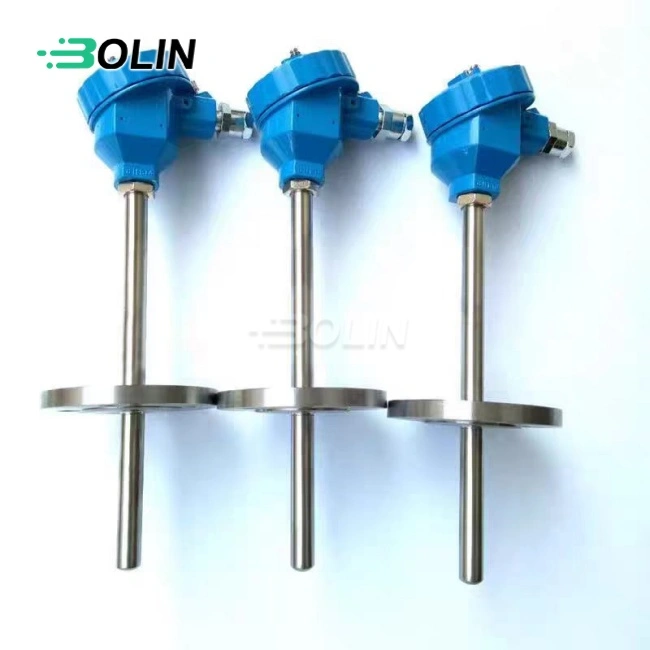
Customized sensor building uses three key design features to plan for any issue. Choose the correct sheath to determine chemical resistance and maximum temperature. Ceramic sheaths don't react with chemicals in carburizing or nitriding furnaces and can endure oxidizing atmospheres up to 1200°C, whereas stainless steel 310 can. The correct insulating material impacts thermal response and electrical isolation. The thermocouple wires and sheath are separated by compressed magnesium oxide, which keeps electricity separate at high temperatures and swiftly transfers heat to the sensing joint. Sensor mechanics dictate how it functions with your equipment. Depending on mounting, the terminal head, protective tube configuration, and connection type can be adjusted. Compression fittings are useful for routine maintenance, whereas flanged connections prevent controlled atmosphere furnace leaks.
Key Thermocouple Types and Calibrations
Various metal combinations are utilized at various temperatures. Type K thermocouples can operate from several hundred degrees below zero to over 2000°F, making them useful in automotive engines, chemical processing, and power generation. Their durability and inexpensive cost make them popular. Type J thermocouples perform better in lower atmospheres. Type J sensors function effectively at low pressures but have a limited temperature range. Their accuracy and cost are comparable.
Type T thermocouples monitor very low temperatures accurately, making them ideal for cryogenic applications. In the food industry, proper temperature control is crucial for product safety. Type R, S, and B calibrations and molybdenum sheaths allow vacuum or neutral environment operation up to 1700°C or more for very high temperature purposes.
Core Benefits of Using Custom Thermocouples
Enhanced Measurement Accuracy and Process Control
Accurate temperature measurement affects heat treatment product quality. Control loops exacerbate measurement inaccuracy from generic sensors. This leads to variable metal findings and greater rejection rates. Because it employs the best materials and manufacturing methods, a custom thermocouple design avoids these issues.
Special Limits of Error wire has half the tolerance of standard wire due to its pure metals. This reduces measuring uncertainty and improves consistency. This precision is especially beneficial in brilliant annealing systems, where controlled oxygen processing prevents stainless steel from oxidizing. Your temperature monitoring must be accurate for consistent metallurgical findings throughout manufacturing runs without contamination.
Multipoint temperature verification within the required operating range, validated by NIST-traceable testing, ensures sensor accuracy during usage. ISO-certified measurement companies in regulated industries are confident in their work due to this tight quality monitoring.
Extended Durability in Harsh Industrial Environments
Normal equipment breaks down fast in heat treatment furnaces with temperature sensors. Corrosive conditions, shifting temperatures, and mechanical vibrations might prematurely degrade sensors, so they need repair.
Solid mechanical design and wise material selections in the designed thermocouple construction may overcome these environmental issues. The high-quality ceramic and stainless steel design can withstand harsh chemical processing, furnace, and melting conditions. Choosing the proper junction increases environmental security. Ungrounded junctions isolate controller signals from ground loops and electromagnetic interference, which is crucial in high-power or motor environments.
Wall thickness engineering allows sensors to function beyond 10,000 PSI with proper compression fittings. Radiographs evaluate internal joint welds and magnesium oxide insulation for holes. This ensures hermetic sealing for vacuum or high-pressure applications. Another technique to ensure protected systems last is to test for helium leakage.
The correct sheath materials, connection layouts, and quality assurance procedures save service times and maintenance costs. Always, custom sensors survive longer than generic ones. Even though they cost more initially, their overall cost of ownership is lower.
Installation Flexibility and System Integration
Modern heat treatment equipment has intricate designs and limited space, making temperature measurement difficult. Standard sensors with predetermined sizes and connection types frequently require equipment adjustments or an agreement on where to measure, which can reduce accuracy or increase installation costs.
Customized tool sizes, mounting choices, and output configurations eliminate integration issues. Installation requirements dictate connection type, terminal head style, and protective tube design. Compression fittings help maintainers change or inspect sensors regularly. Flanged linkages keep air out of controlled atmosphere furnaces, where pollution might lower product quality or endanger workers.
Dimensional precision ensures that custom-machined thermowells or tight-tolerance assembly points fit accurately, reducing installation time and field modifications. This installation adaptability is especially important in retrofits when equipment form limits sensor placement.
Long-Term Cost Efficiency and Return on Investment
When choosing temperature sensors, procurement teams naturally evaluate price. This perspective ignores key cost elements that impact monitor ownership costs over time.
There are many ways to profit from upfront thermocouple investments. Longer sensor life reduces work expenses by reducing replacements. Better measurement accuracy reduces product rejections and repair costs by stabilizing process control. Reduced sensor failure downtime saves production and revenue. This is especially useful in continuous production processes where equipment availability influences earnings.
The working temperature and severity determine how frequently it has to be calibrated annually. Sensors in severe environments like high heat or corrosion must be examined for drift annually because the metals wear down. Design makes calibration times longer than the usual alternatives. Manufacturers with many furnace lines or production facilities might save more by negotiating bulk costs for large-scale installations or long-term supply relationships.
Comparing Custom Thermocouples with Standard Alternatives
Performance Advantages Over Generic Sensors
Standard temperature monitors are useful in many circumstances, but they're not always ideal. When systems must handle strange mounting forms, corrosive fluids, or fast temperature cycles, generic sheath materials and set measurements fail.
Custom thermocouples design plans for each obstacle. Material selection relies on chemical reaction. Inconel sheaths can tolerate oxidizing conditions, whereas tantalum can handle strong reducing environments. Junction design provides optimal response time and electrical isolation depending on the application. Physical measurements overcome generic equipment's space and measurement location restrictions.
This engineering technique produces measurable performance changes. Accuracy reduces process variance and product defects. Longer lifespan reduces replacements and maintenance costs. Faster response times provide tighter control loops and less heat overshoot, improving energy efficiency.
Comparing Alternative Temperature Measurement Technologies
Resistance temperature monitors and infrared sensors assess temperature in industry, both with merits and downsides. RTDs are more precise at lower temperatures but have a poor reaction time and break readily in shaking areas. Infrared sensors measure without touching, they demand clean optical lines and sophisticated emissivity changes, making them unsuitable for many burner applications.
Specialized custom thermocouples are frequently the greatest value since they function well across several parameters. In tough environments where electrical parts fail, they are more dependable since they are basic. Fast thermal reactivity helps demanding control systems track temperatures quickly. Mechanical strength can withstand vibration, heat stress, and physical forces that weaken sensor systems.
Choosing materials affects both original cost and service life, making cost comparisons complex. Instead of only looking at unit pricing, procurement teams should include installation costs, maintenance intervals, calibration demands, and sensor downtime over the estimated lifespan.
How to Choose the Right Custom Thermocouple for Your Industrial Needs
Assessing Application-Specific Requirements
Before picking the finest temperature monitors, consider how they will be used and what you want to measure. Environmental conditions determine materials. Sheath metal depends on furnace atmosphere chemistry, and pressure and flow conditions impact mechanical design parameters.
Material choices for measuring and sheathing are limited by temperature. Most businesses utilize Type K calibrations for extremely cold to moderately high temperatures and Type R, S, or B sensors for very high temperatures. The accuracy specifications inform us if conventional tolerance wire is enough or if we require Special Limits of Error construction.
Physical constraints shape dimensions. Probe design depends on mounting space, entrance depth, and joinability. The curvature of current equipment may require unique bend arrangements or mounting gear that ordinary sensors can't handle.
Product compatibility with other control systems is another essential consideration. Current instrument signal conditioning, connection, and terminal arrangement requirements must be followed. Digital output options or mixed transmitter designs that simplify wiring and increase signal integrity may benefit advanced automated control system usage.
Evaluating Supplier Capabilities and Quality Assurance
Making a temperature sensor well and using pure materials affects its performance. Before placing large orders or projects, procurement teams should examine suppliers' credentials and quality control procedures.
ISO certification demonstrates planned quality management, while CE stamps demonstrate that equipment for European markets satisfies European standards. Traceable NIST-traceable calibration documentation is essential for regulated enterprises and quality management systems that track measurements.
The supplier's abilities should meet work requirements in several ways. Application demands are translated into optimal sensor specs via engineering support. What the factory can create affects unique custom thermocouples design lead times and minimum order quantities. The warranty's effectiveness and technical support depend on after-sales service.
Lead times matter more for unique designs that need particular materials or forms. Standard response times for modifications are two to four weeks, while sophisticated bespoke designs might take six to eight weeks following order confirmation. These dates should be considered while making purchases to avoid delays in production, especially during equipment setup and maintenance.
Applications Demonstrating the Value of Custom Thermocouples
Industrial Heat Treatment Operations
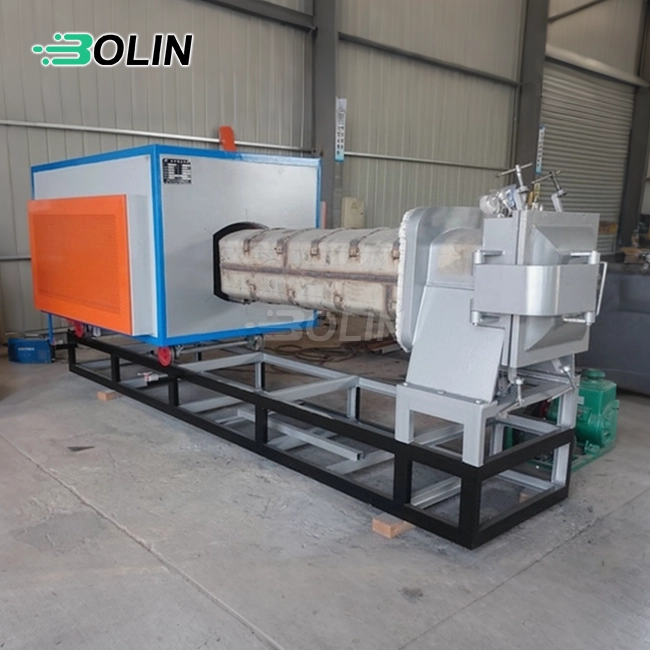
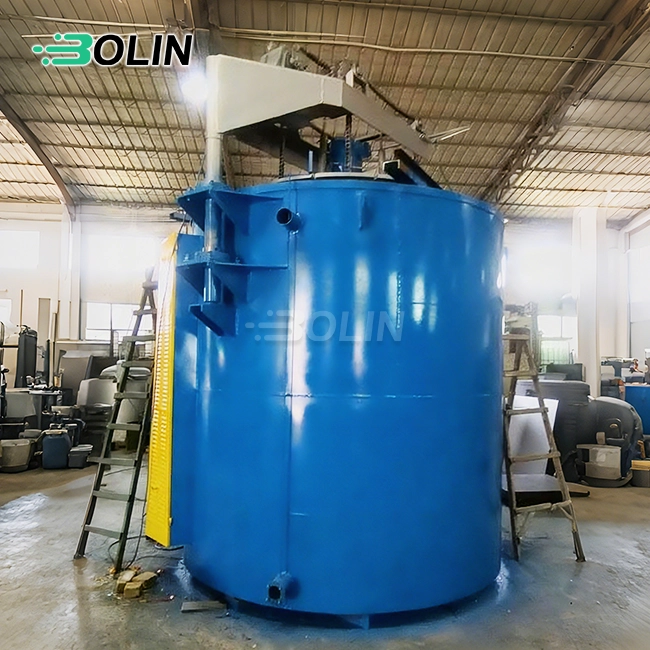
Pit furnaces and quench tanks require monitors that can handle high carbon and rapid temperature fluctuations for carbonitriding and carburizing. Ceramic-protected custom thermocouples can withstand chemical environments and measure correctly during soak and cool cycles. Heat-treated parts' case depth control and mechanical properties remain unchanged due to their durability.
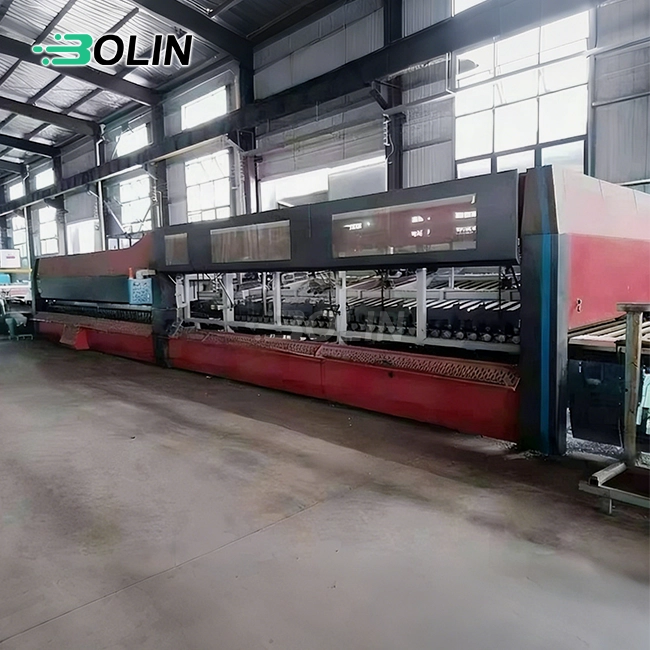
Continuous manufacturing lines using roller hearth and mesh belt furnaces must carefully manage different temperature zones. Custom-length sensors fit directly into furnace depths, and several measurement points provide equal heating throughout item cross-sections. In companies that create several items, this method reduces temperature variations and improves consistency.
Low-pressure heat treatment vacuum burners require a special sensor design. High-purity insulation stays accurate in a vacuum without releasing impurities that might harm the surface finish. When constructing medical gadgets and spacecraft, tight surface cleaning regulations prevent contamination.
Cross-Industry Temperature Measurement Challenges
Chemical processing plants need precise temperature control to monitor reaction rates, product selection, and safety. Sensors must withstand strong chemicals and deliver precise data to optimize operations and follow laws.
Measurements are used to verify engines, emissions controls, and heat-treated motor parts when building automobiles. Measurement quality affects product performance, guarantee cost, and regulator approval.
Temperature monitors are used in all power plants, fossil fuel, nuclear, and green, for safety and efficiency. They monitor critical equipment temperatures to ensure process safety, efficiency, and equipment life.
Food preparation requires proper temperature regulation for safety and quality. For cryogenic storage, cooking, and pasteurization, accurate temperature monitoring is essential to maintain product quality and safety.
For all these functions, measurements must be precise enough for process control goals, durable, and reliable even in harsh settings. Engineered custom thermocouple solutions improve product quality, minimize operating costs, and increase safety.
Conclusion
Industry heat treatment relies on accurate temperature measurement. When traditional sensors don't match your performance, size, or environmental criteria, custom thermocouples are more accurate, endure longer, and integrate better with other systems. Custom sensor design saves money on maintenance, provides more consistent goods, and reduces production interruptions. Choose the finest temperature sensors by considering application requirements, provider expertise, and total cost of ownership. Purchasing teams should engage with experienced manufacturers that give complete tech support, stringent quality control, and speedy after-sales service. This strategy ensures that temperature measuring technologies assist in accomplishing production targets on time and within budget.
FAQ
What lead times should we expect for custom thermocouple orders?
Standard adjustments like size, sheath materials, and calibration types arrive two to four weeks following order confirmation. Complex custom thermocouple designs that need tantalum or molybdenum, novel junction configurations, or extensive proof testing may take six or eight weeks. We recommend getting engaged early in equipment planning to ensure sensor supply matches the installation timetable.
Can thermocouples be calibrated for extreme temperature ranges?
The kind of thermocouple and the required working range affect calibration. Calibrating Type K sensors is safe up to 1200°C. In hot regions up to 1700°C, Type R, S, or B calibrations with the correct cover materials are needed. All calibrations include NIST-traceable documentation and numerous point tests over your operating range.
What warranty coverage applies to custom thermocouples?
Standard warranties cover manufacturing defects for 12 months after delivery. Options with wider coverage address application difficulties such as premature joint failure and insulation breakdown. Working circumstances must be documented to prove the sensor was utilized within limits for warranty claims. This procedure ensures sensor safety and longevity.
How does junction type selection affect sensor performance?
Ground joints offer the quickest thermal reactivity by touching the sheath directly, making them ideal for abrupt temperature fluctuations. Ungrounded joints prevent ground loops and are crucial in high-voltage applications. Although exposed joints have the fastest gas temperature reaction time, they compromise mechanical safety. Application variables determine the appropriate junction design.
What quality assurance testing validates sensor reliability?
NIST-traceable calibration, x-ray junction weld studies, helium leak testing for airtight sealing, insulation resistance verification at 500VDC, and dimensional verification to ensure correct fit are some of the checking processes. This rigorous testing ensures sensors fulfill performance criteria and function dependably in demanding industrial situations.
Partner with Bolin for Engineered Temperature Measurement Solutions
Hebei Bolin Electric Furnace Manufacturing Co., Ltd., a thermal processing system and integrated temperature measuring solutions expert, can enable heat treatment tool manufacturers worldwide. Our technical team collaborates with clients to select the finest custom thermocouples for sale for pit furnaces and manufacturing lines. As a leading bespoke thermocouple manufacturer, we provide NIST-traceable calibration, full quality paperwork, and fast professional support throughout your products' lifespan. Email our team at 15720259172@163.com to discuss your temperature measuring issues and acquire detailed technical blueprints for your furnace systems and process demands.
References
1. American Society for Testing and Materials. (2020). ASTM E230/E230M-17: Standard Specification and Temperature-Electromotive Force Tables for Standardized Thermocouples. ASTM International.
2. Burns, G. W., Scroger, M. G., Strouse, G. F., Croarkin, M. C., & Guthrie, W. F. (1993). Temperature-Electromotive Force Reference Functions and Tables for Letter-Designated Thermocouple Types Based on the ITS-90. National Institute of Standards and Technology Monograph 175.
3. International Electrotechnical Commission. (2013). IEC 60584-1: Thermocouples - Part 1: EMF Specifications and Tolerances. IEC Standards Publication.
4. Kerlin, T. W., & Shepard, R. L. (1982). Industrial Temperature Measurement: Principles and Practices. Instrument Society of America.
5. Michalski, L., Eckersdorf, K., Kucharski, J., & McGhee, J. (2001). Temperature Measurement Second Edition. John Wiley & Sons Ltd.
6. Nicholas, J. V., & White, D. R. (2001). Traceable Temperatures: An Introduction to Temperature Measurement and Calibration, Second Edition. John Wiley & Sons Ltd.
Learn about our latest products and discounts through SMS or email