- English
- French
- German
- Portuguese
- Spanish
- Russian
- Japanese
- Korean
- Arabic
- Irish
- Greek
- Turkish
- Italian
- Danish
- Romanian
- Indonesian
- Czech
- Afrikaans
- Swedish
- Polish
- Basque
- Catalan
- Esperanto
- Hindi
- Lao
- Albanian
- Amharic
- Armenian
- Azerbaijani
- Belarusian
- Bengali
- Bosnian
- Bulgarian
- Cebuano
- Chichewa
- Corsican
- Croatian
- Dutch
- Estonian
- Filipino
- Finnish
- Frisian
- Galician
- Georgian
- Gujarati
- Haitian
- Hausa
- Hawaiian
- Hebrew
- Hmong
- Hungarian
- Icelandic
- Igbo
- Javanese
- Kannada
- Kazakh
- Khmer
- Kurdish
- Kyrgyz
- Latin
- Latvian
- Lithuanian
- Luxembou..
- Macedonian
- Malagasy
- Malay
- Malayalam
- Maltese
- Maori
- Marathi
- Mongolian
- Burmese
- Nepali
- Norwegian
- Pashto
- Persian
- Punjabi
- Serbian
- Sesotho
- Sinhala
- Slovak
- Slovenian
- Somali
- Samoan
- Scots Gaelic
- Shona
- Sindhi
- Sundanese
- Swahili
- Tajik
- Tamil
- Telugu
- Thai
- Ukrainian
- Urdu
- Uzbek
- Vietnamese
- Welsh
- Xhosa
- Yiddish
- Yoruba
- Zulu
How Does Furnace Design Affect Gas Fired Pit Furnace Performance?
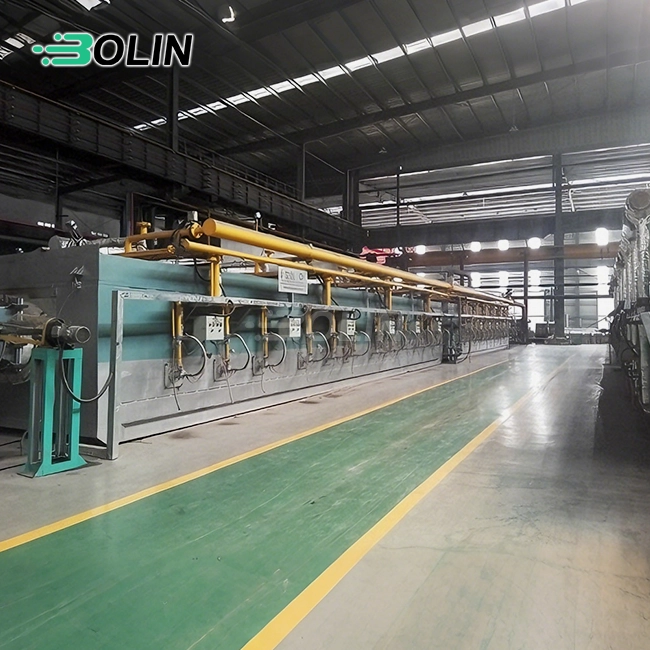
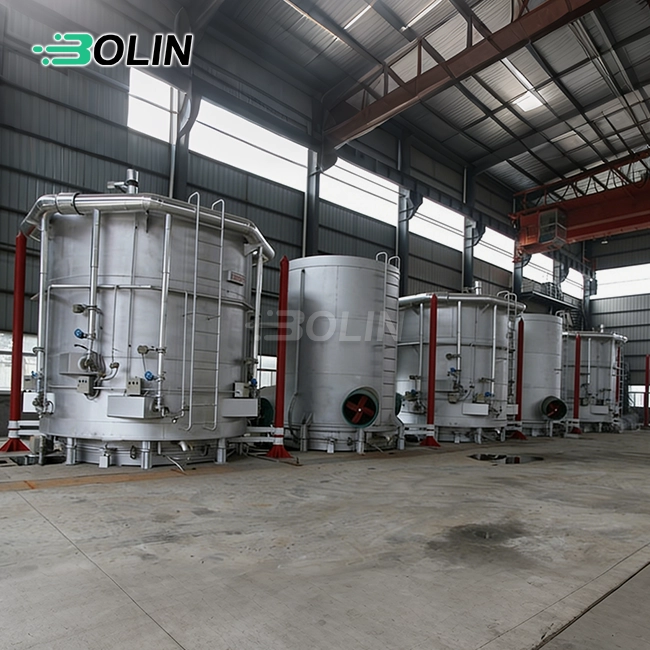
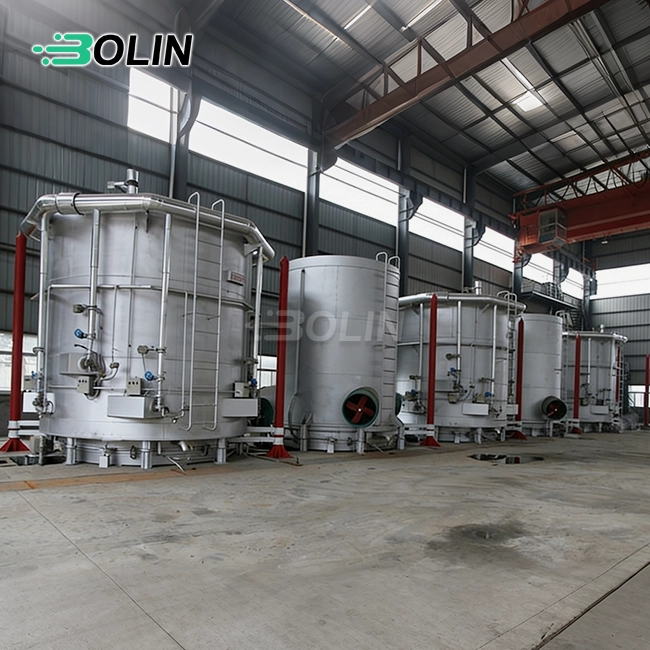
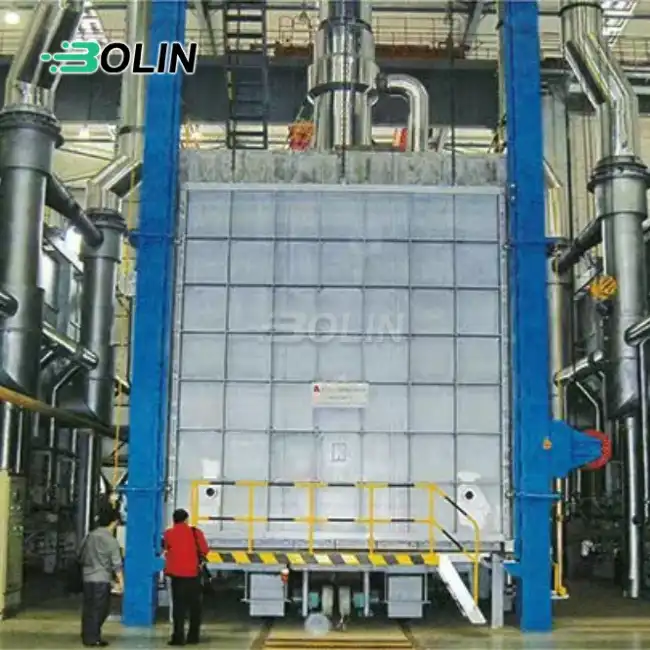
The furnace's design affects its efficiency, temperature distribution, and cost. The relationship is obvious in gas fired pit furnaces that use natural gas or LPG. These systems' vertical-well design enables long, cylindrical items to hang during heating. This prevents warping during heating, which would impact size accuracy. The burner placement, insulation quality, and control architecture design determine how effectively your system maintains a stable temperature, fuel usage, and work capacity.
Understanding Gas Fired Pit Furnace Design Fundamentals
Industrial heat treatment infrastructure uses natural gas-powered vertical heating systems like the gas fired pit furnace. Pit orientations provide a deep space where sections dangle from fixtures above, unlike horizontal layouts. How to keep long rods straight during temperature cycles that momentarily soften metal structures is a metallurgical challenge. This configuration fixes it.
Core Components and Their Functions
Burner units are the most crucial portion of gas-powered machines. Pulsed high-velocity burners generate significant convection currents across the work area. This ensures heat reaches all hung parts uniformly. Electrical valves control air and fuel volumes in these burners. Feedback from thermocouples throughout the chamber changes flame properties in real time. Ceramic fiber insulation protects the chamber from 1260°C to 1430°C. The chamber has high thermal resistance and low thermal mass. Lower thermal mass accelerates heating and cooling. You can work more batches in the same time. The recuperator, a vital but frequently overlooked element, warms the air for combustion with exhaust heat. Compared to systems without heat recovery, this design characteristic cuts fuel usage by 20–30%.
Batch versus Continuous Operation
The first load enters the chamber, heats, and exits before the next batch starts in most pit furnaces. When working with multiple heat treatment recipes or pieces of varied forms, this pattern works effectively. Continuous processes make more of the same parts, but they limit your flexibility compared to batch processing. Small tool shops can utilize 500 mm pit levels, whereas airplanes with five-meter landing gear struts can need 50,000 mm. Small labs can use 5KW systems, whereas 3000KW systems can process tons of steel every cycle.
Key Furnace Design Factors Impacting Performance and Efficiency
To acquire the optimum thermal processing outcomes, you must consider several related design elements. Each factor affects energy usage, temperature stability, and part mechanical quality. The gas fired pit furnace relies on the synergy of these components to maintain metallurgical standards.
Advanced Burner Technologies
Low-NOx burners increase heat efficiency and reduce nitrogen oxide emissions in modern combustion systems. Burners add fuel and air in stages for full combustion with little emissions. Pulse-firing swiftly switches burner output from high to low firing rates to maintain temperature without overrun like previous on-off control techniques. Multi-zone burners divide the pit for easier management. Usually, there are top, middle, and bottom zones. This split evens out natural thermal stratification, which occurs when hot gases rise and cause temperature disparities that might affect uniformity. Temperature control within ±3°C ensures compliance with AMS2750G pyrometry criteria for aviation heat treatment.
Pit Geometry and Heat Transfer Optimization
Chamber size affects convective heat transfer and gas movement. A deep, narrow pit helps gas travel vertically, whereas larger versions may need additional burners to prevent dead zones and sluggish heat transfer. Computational fluid dynamics simulation determines burner placement and firing angles to quickly mix volume during construction. Pit width to depth influences heat distribution and energy efficiency. Designs for specific component geometries operate better than general-purpose setups. A shallow hole lowers gas heating while dealing with thin rods, saving energy. However, large pits may store basket loads of smaller items but require more intricate fire setups to maintain temperature.
Insulation and Refractory Materials
Newer versions line the space with high-quality ceramic fiber modules instead of bricks. Installing fiber modules is simple. Their reduced weight and improved heat retention improve the heater. Furnace walls lose less heat because they are not thermally conductive; therefore, more thermal energy stays in the working zone and accomplishes productive work. Refractory anchoring techniques keep fiber modules on the steel shell from sagging during temperature cycles. In thermal shock circumstances, anchor depth and material choice affect lining longevity.
Automated Temperature Control Systems
The gold standard for precision heat treatment is multi-zone PID control. Based on real-time thermocouple input, proportional-integral-derivative control modifies burner firing rates constantly. This eliminates temperature fluctuations caused by on-off control. The proportional section adjusts to temperature difference, the integral part fixes offset errors, and the derivative part anticipates temperature trends to prevent overshoot. Modern devices capture temperature profiles throughout each run for quality control and tracking. This digital record proves purchasers followed AMS2750G or CQI-9 automobile certification processes. Programmable recipe management enables workers to save numerous heat treatment profiles and rapidly access tempering, annealing, carburizing, and leveling settings on a screen.
These design considerations are interconnected and impact system performance. Advanced burners without insulation waste fuel by heating the air surrounding a heater. Even with minimal energy, effective protection but poor control yields variable outcomes. When making buying decisions, consider all design elements, not just needs.
Addressing Common Challenges Through Design Improvements
Continuous industrial heat treatment issues diminish production and boost expenses. Modern design methodologies for the gas fired pit furnace address these issues, improving reliability and efficiency using measurements.
Uneven Heat Distribution Solutions
One of the biggest issues heat treatment technicians face is temperature fluctuations. Gradients in the working zone generate metal inconsistencies in strength and texture. Processing must be conservative, which means longer cycle durations to get the goal temperature in the coolest section without heating better-positioned portions. High-velocity burners speed up gas flow to remedy this. The convective currents inside the cylinder mix air, swiftly and evenly distributing heat to the sections. Burners at 20–30 m/s provide enough turbulence to remove motionless air. Strategic burner placement improves uniformity. Burners at varying heights prevent thermal stratification, and distributing them around the pit's edge ensures equal thermal contact for all loads.
Burner Efficiency and Maintenance Burdens
Traditional atmospheric burners need lots of air to burn fuel entirely. Energy is wasted when excess air escapes through the exhaust stack with heat. To maintain stoichiometry, oxygen-trim combustion control monitors waste gas composition and alters air sources. This approach reduces air to 5–10%, improving heat performance. Modular burners make maintenance easier since each burner may be removed without impacting the next. Quick-disconnect gas trains and power linkages save production downtime by changing burners in under an hour. Ceramic burner tiles can withstand temperature cycling better than metal parts, extending service intervals.
Extending Equipment Lifespan
Part lifespan affects total cost of ownership. Early refractory failure, shell bending, or an outdated control system need costly repairs or replacements. Stress-relieved steel shells that don't flex, floating refractory systems that can withstand thermal expansion without cracking, and harsh-environment electronics are long-lasting design breakthroughs. Standardized, widely available controls, valves, and instrument parts provide long-term availability. Proprietary designs may improve performance but weaken the supply chain when firms quit manufacturing particular goods.
New automobile transmission centers demonstrate their improvements. A facility that produces 12,000 shafts a month replaced horizontal furnaces with pit-like equipment. The vertical support eliminated tilting following treatment. Changing temperature equality from ±15°C to ±5°C reduced cycle times by 18% and improved case depth stability. Fuel utilization reduced 27% per ton of completed steel, saving almost $140,000 a year at the current natural gas prices.
Comparing Furnace Designs: Alternatives to Gas-Fired Pit Systems
To pick the correct heat processing instruments, you must understand how different technologies function compared to the gas fired pit furnace, influence the economy, and the environment.
Electric Pit Furnaces
Electric heating systems eliminate burning items from the workplace. This makes it clean enough for bright annealing or rust-sensitive operations. If heat production is equivalent, electricity costs 200–300% more than natural gas. Specialty usage with small batches may tolerate greater operational costs, while high-volume production cannot. Due to corrosion and breakdown, electric heating parts must be updated often. Changing a furnace element needs a long downtime and expensive annual maintenance. In gas-fired systems, burners last for years.
Oil-Fired Systems
In areas without pipes, fuel oil can replace natural gas. Due to their high heat output, oil-fired heaters heat and cool fast. Oil produces more sulfur compounds and particulates than clean-burning natural gas, making environmental permits harder to obtain. Fuel oil storage requires supplementary containment tank farms, which take up space and make inventory tracking difficult. Pipelines bring natural gas in, eliminating the need for storage and its expenses.
Induction Heating
Electromagnetic induction quickly heats electrically conductive materials by producing eddy currents inside the workpiece. This approach is ideal for heating gear teeth or shaft journals. Deep-case processes like carburizing need uniform heating of vast cross-sections over lengthy periods of time, which induction equipment doesn't perform. Induction systems cost more than gas-fired solutions with the same output capacity. Their economic viability is limited unless they are employed in specified conditions.
Full lifetime cost analysis always demonstrates that natural gas is cheaper for high-volume heat treatment. When your company processes several tons of steel daily, 25–30% cost savings add up to six figures annually. Large acquisitions like industrial furnaces require buying managers to consider their operating costs over the 15 to 20 years they are expected to endure. It's not enough to compare shop pricing.
Best Practices for Installation, Maintenance, and Performance Optimization
Current gas fired pit furnace equipment must be properly installed, maintained, and operated to maximize performance. Even the most complex stove design fails when used improperly or not at all.
Installation Considerations
Site selection influences activities' safety and efficiency. Enough airflow safely removes combustion products while warming the air. Pit furnaces emit a lot of smoke; thus, the building must fit ventilation ducts without backpressure, which stops the burner. The foundation must bear targeted loads from deep holes with refractory materials and component loads. Structural specialists should evaluate the floor's weight limit, especially in older structures not designed for pit fires. Loading and removing tall pieces requires several meters above the pit depth. If a building's roof height is low, the floor may need to be dug up for working space.
Routine Maintenance Protocols
Systematic review strategies prevent minor issues from becoming big failures. Burner efficiency is measured every three months by monitoring exhaust fume oxygen and carbon monoxide. Any deviations from the base figures indicate burner wear or control drift, which must be addressed. Calibration of thermocouples every six months maintains temperature accuracy. Compare functional thermocouples to national measuring institute standards. Replace any drifting units. Every year, temperature consistency studies track working zone temperature distribution. This procedure involves putting many thermocouples in precise locations and monitoring their temperatures during a test cycle, per AMS2750G. The survey findings suggest that pyrometry criteria are satisfied and that deterioration has to be addressed.
Safety Integration
Combustion safety interlocks prevent workplace hazards. According to NFPA 86, systems must feature ultraviolet or infrared flame sensors, gas pressure valves that can detect high or low supply pressure, and purge timers that halt burning until the explosive environment exits the room. Regular testing keeps interlocks working. Written and performed emergency shutdown procedures are essential. When a gas leak, power loss, cooling system issue, or heat treatment area fire occurs, operators should know what to do.
Supplier Relationships and Support
Benefits of working with experienced equipment providers endure beyond the purchase. Technical aid to solve operational issues, fast-shipping replacement components, and field service for significant repairs are essential for continued production planning. Think carefully about warranty terms. Full parts and labor warranties cover product manufacturing and installation errors for the first year. Longer warranties may save you money on critical production gear that can't be shut down without a plan. Only buy vertical pit heating systems from thermal processing success stories. Generic industrial tool sellers lack the expertise to improve heat treatment operations. You require metallurgy, pyrometry, and business-specific experts.
Conclusion
The gas fired pit furnace design determines industrial heat processing system performance, economics, and reliability. Advanced burner technologies, more insulated materials, and complicated control systems work well with pit-style equipment's vertical architecture for long, heavy items that demand exact measurement. Energy savings of 25-30% compared to electric alternatives result in lower operating costs, while precise temperature control within ±3°C ensures metal quality satisfies aviation and automotive requirements. Following best practices for installation, upkeep, and operation will maximize equipment usage over decades.
FAQ
How often should I schedule burner inspections?
An inspection of the burner tiles, spark igniters, and flame sensors should be done every six months for damage or carbon accumulation in the gas fired pit furnace. A combustion study every three months alerts you to performance decline between comprehensive maintenance. Continuous shift facilities may need more frequent assessments than one-shift facilities.
Can existing equipment accept design upgrades?
Retrofitting many pit stoves improves efficiency and control. Changing the furnace's mechanical combustion controls to electrical ones increases accuracy without rebuilding it. Fuel is saved by adding exhaust heat recuperators. Most heat recovery retrofits save energy and pay for themselves in 18–24 months.
What factors most significantly impact temperature uniformity?
Thermal homogeneity is largely affected by burner speed and setting. High-velocity burners provide strong convection airflow to eliminate hot and cold areas. Change various portions of the room individually using multi-zone control to balance out temperature stratification. Regular temperature monitor calibration ensures correct input for control systems, maintaining uniformity.
Partner with Bolin for Advanced Heat Treatment Solutions
Hebei Bolin Electric Furnace Manufacturing has developed and built vertical thermal processing solutions for your manufacturing needs. Our engineers customize setups to meet your component sizes, production targets, and metallurgical criteria. As a leading gas fired pit furnace manufacturer, we provide complete assistance from initial meeting to installation, commissioning, and professional servicing. We use high-velocity pulse-fired burners, excellent ceramic fiber insulation, and multi-zone PID control to maintain temperatures within ±3°C of AMS2750G standards. Contact our staff at 15720259172@163.com to see how our heat treatment solutions may reduce energy expenses and improve efficiency.
References
1. ASM International Handbook Committee. "Heat Treating Equipment and Process Design." ASM Handbook Volume 4C: Induction Heating and Heat Treatment. Materials Park: ASM International, 2014.
2. Herring, Daniel H. "Atmosphere Heat Treatment Volume II: Atmospheres, Quenching, Testing, Equipment and Process Control." BNP Media Group, 2015.
3. Industrial Heating Equipment Association. "Combustion Technology Manual." Arlington: Industrial Heating Equipment Association, 2018.
4. Krauss, George. "Steels: Processing, Structure, and Performance." Materials Park: ASM International, 2015.
5. National Fire Protection Association. "NFPA 86: Standard for Ovens and Furnaces." Quincy: National Fire Protection Association, 2019.
6. Trinks, W., M.H. Mawhinney, R.A. Shannon, R.J. Reed, and J.R. Garvey. "Industrial Furnaces." Hoboken: John Wiley & Sons, 2018.
Learn about our latest products and discounts through SMS or email