- English
- French
- German
- Portuguese
- Spanish
- Russian
- Japanese
- Korean
- Arabic
- Irish
- Greek
- Turkish
- Italian
- Danish
- Romanian
- Indonesian
- Czech
- Afrikaans
- Swedish
- Polish
- Basque
- Catalan
- Esperanto
- Hindi
- Lao
- Albanian
- Amharic
- Armenian
- Azerbaijani
- Belarusian
- Bengali
- Bosnian
- Bulgarian
- Cebuano
- Chichewa
- Corsican
- Croatian
- Dutch
- Estonian
- Filipino
- Finnish
- Frisian
- Galician
- Georgian
- Gujarati
- Haitian
- Hausa
- Hawaiian
- Hebrew
- Hmong
- Hungarian
- Icelandic
- Igbo
- Javanese
- Kannada
- Kazakh
- Khmer
- Kurdish
- Kyrgyz
- Latin
- Latvian
- Lithuanian
- Luxembou..
- Macedonian
- Malagasy
- Malay
- Malayalam
- Maltese
- Maori
- Marathi
- Mongolian
- Burmese
- Nepali
- Norwegian
- Pashto
- Persian
- Punjabi
- Serbian
- Sesotho
- Sinhala
- Slovak
- Slovenian
- Somali
- Samoan
- Scots Gaelic
- Shona
- Sindhi
- Sundanese
- Swahili
- Tajik
- Tamil
- Telugu
- Thai
- Ukrainian
- Urdu
- Uzbek
- Vietnamese
- Welsh
- Xhosa
- Yiddish
- Yoruba
- Zulu
What Are the Key Benefits of Modern Industrial Gas Furnaces?
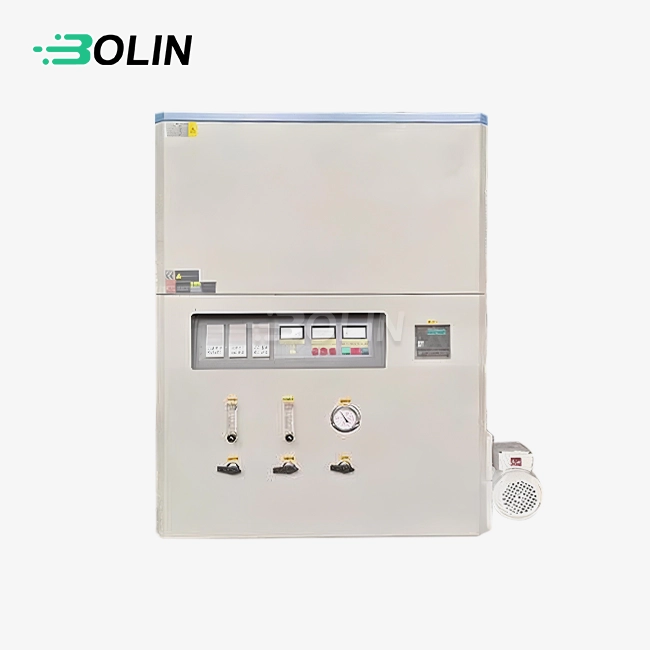
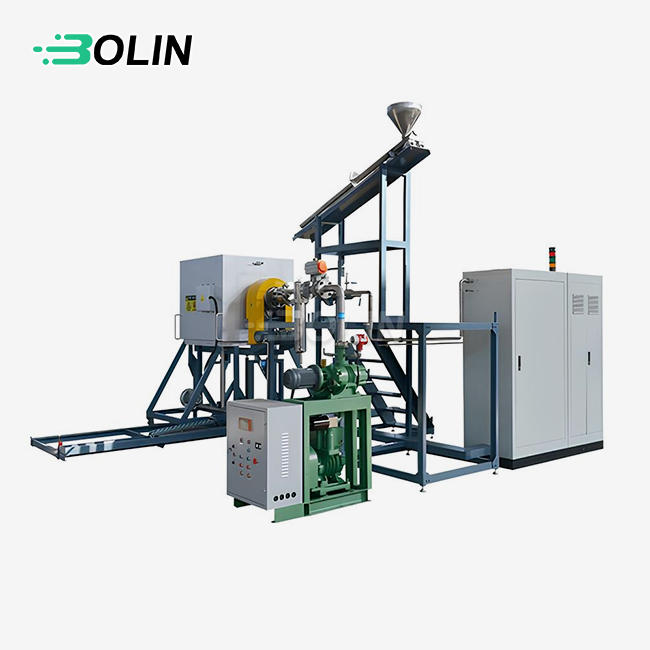
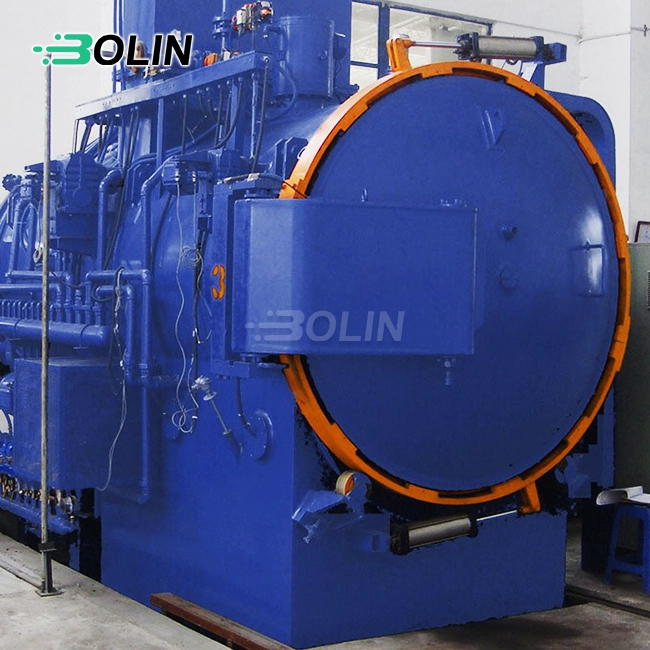
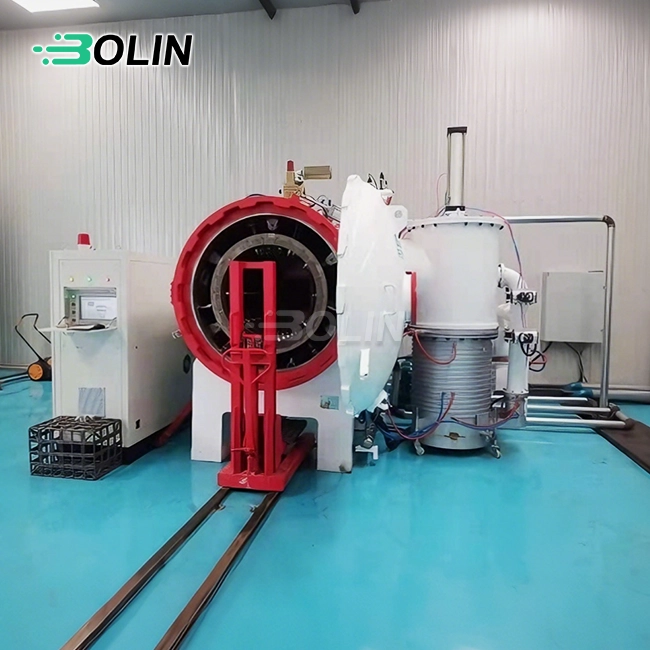
Modern industrial gas burners revolutionize thermal processes by saving money, improving reliability, and protecting the environment. However, current gas-fired equipment uses clever control systems and burner technology. This saves 30% of gas while maintaining warmth. These systems feature quick temperature ramp rates, variable capacity scaling, and continuous operation, which boosts productivity for metal heat treaters. An industrial gas furnace with composite fiber insulation and PLC-based controls can help procurement managers deal with rising energy costs, regulator pressure to reduce emissions, and the need to maintain metal quality across large production batches.
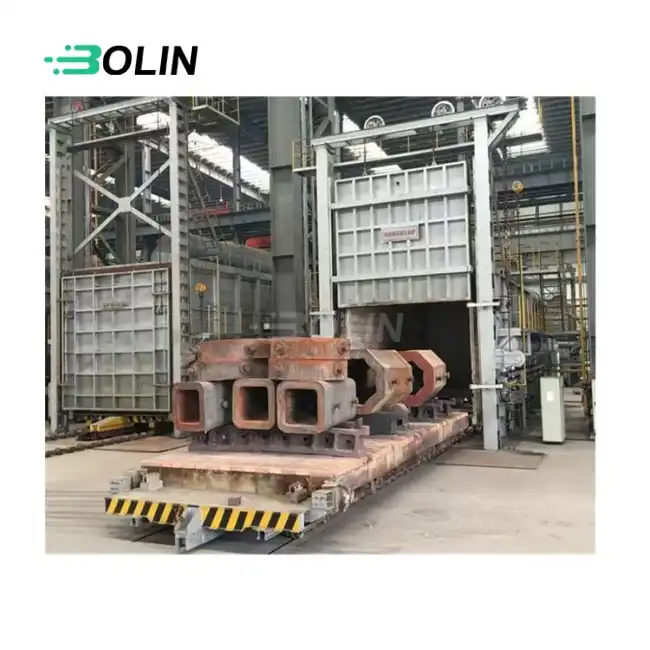
Understanding Modern Industrial Gas Furnaces: An Overview
Knowing how gas-fired thermal processing equipment works is crucial for a company that handles hundreds of tons of steel parts monthly. A simple but sophisticated process converts natural gas, propane, or LPG into regulated high-temperature conditions in these systems.
Operating Principles and Core Components
The cycle begins when your PLC control system commands the burner unit to heat. Once the gas valves open, fuel and burning air combine just enough to ignite. Heat from the flame enters the furnace room through heat exchanges. Gas burners heat up rapidly, lowering cycle times compared to electric heating elements. Your fan distributes heat evenly over the work area. This forced circulation eliminates cold patches that degrade mechanical performance. Flue gas flow is controlled by exhaust management systems to improve combustion. Regenerative or recuperative burners reheat the combustion chamber air to recover lost heat.
Batch Versus Continuous Furnace Designs
Batch furnaces are useful for organizations that handle different-sized products or change steel formulas regularly. Put pieces in, heat treat them, then remove them. Job shops and aircraft manufacturers dealing with titanium alloys or superalloys have the most flexibility, limited to maintaining a ±5°C temperature uniformity. Continuous approaches are utilized for laborious tasks. Roller hearth, pusher, and walking beam furnaces can operate on parts constantly, making them ideal for automobile forging facilities and steel mills. How much you process and what you create will determine your industrial gas furnace design.
Comparative Performance: Gas, Electric, and Oil Systems
Where natural gas is cheap, gas-fired systems are beneficial. Gas stoves of the same size usually cost 40–60% more to operate. Gas systems burn better and are easier to maintain than oil-fired ones. Their particulate pollution is lower. The 100°C–1300°C temperature range allows stress relief, annealing, normalizing, carburizing, and hardening. These may be done on a single, adaptable platform that can adapt to your production demands.
Core Benefits of Modern Industrial Gas Furnaces for Industrial Use
When procurement teams acquire gas-powered thermal processing equipment, every operational metric changes. Gas technology is preferred for demanding applications by leading manufacturers for the following reasons.
Superior Energy Efficiency Through Advanced Engineering
Modern furnaces employ triple-layer insulation. These systems use composite fiber cotton, microsphere vacuum ball bricks, and heavy-duty high-alumina refractory materials. This technique minimizes heat loss via furnace walls, using less fuel than single-layer versions. Every month, your energy bills drop. Advanced burner designs may achieve 10:1 or greater turndown ratios, allowing your system to adapt fire rates to heat needs. The furnace automatically reduces gas flow for smaller quantities. Waste from fixed-output systems is eliminated. Recuperative burners warm air using exhaust heat. This recovers energy that earlier burners released into the air. Together, these methods may lower fuel expenses by 25–35% per year, giving you an average ROI of 18–24 months.
Extended Operational Lifespan and Reliability
Durability is crucial when developing an industrial gas furnace. High-alumina refractory bricks are strong and thermal shock-resistant. They retain their form after thousands of heating cycles. If properly maintained, these devices should survive 15–20 years before needing to be repaired. Strong burner parts can endure harsh circumstances. Burning doesn't rust stainless steel recuperator tubes. Heavy-gauge steel shells protect internal parts from mechanical damage in busy manufacturing environments. This durable construction reduces unplanned downtime, helping you meet production schedules and satisfy consumers.
Enhanced Safety Features and Regulatory Compliance
Modern systems have several safety measures that older technology lacks. Flame surveillance systems employ UV or infrared sensors to detect dying flames immediately. This prevents gas valve opening and harmful buildups. Pressure switches monitor airflow and cease lighting when it's insufficient to keep the fire safe. Before starting the heater, ventilation interlocks check waste space. Separate temperature limit settings prevent overheating from your primary control system. These supplementary fire safety measures fulfill NFPA 86 regulations and protect your staff. They're insured and OSHA-compliant.
Environmental Benefits Aligning with Sustainability Goals
Older systems and non-gas fuels pollute more than modern gas-burning devices. Low-NOx burners fulfill rigorous air quality standards without waste treatment since nitrogen oxide levels are below 30 ppm. Burning systems emit little CO when properly calibrated and maintained. Natural gas doesn't produce particulates or carbon, thus it doesn't pollute the air like oil-fired equipment. Gas-fired systems can help your organization reduce its carbon footprint without impacting production volume or quality.
Maintenance and Troubleshooting Tips to Maximize Benefits
Basic tool maintenance is essential to protecting your investment. Well-maintained gas-fired thermal processing equipment lasts decades, whereas neglected systems break down early, stopping output and increasing expenses.
Essential Preventive Maintenance Practices
Every three months, examine burner assemblies, ignition systems, and combustion air fans. Clean burner ports to remove carbon deposits that disrupt flame patterns and reduce burner efficiency. Check gas pipes for leaks with soap or electronic monitors. Even little leaks waste gasoline and endanger people. Twice a year, inspect refractory linings for cracks, flaking, and erosion. Small faults grow fast when temperature changes, causing catastrophic failures. Repair any damage immediately with the proper refractory cement for your temperatures. Check door seals and replace worn gaskets to prevent air from wasting fuel and causing temperature fluctuations.
Flight and military workers must calibrate thermocouples and control equipment to AMS2750F specifications. Thermal Uniformity Surveys ensure work area temperature is consistent to meet metallurgical standards. System Accuracy Tests verify that your heater control tools display the proper temperature.
Common Issues and Diagnostic Approaches
Bad spark coils, unclean electrodes, or gas supply breaks cause ignition failure. Turn off the main burner after lighting the starting spark. Check flame sensors if the machine loses flame. They can form a UV/infrared-blocking coating over time. Burners that aren't aligned, flue paths that are clogged, or worn door seals that let cold air in produce uneven warmth. Monitoring temperature using data recorders reveals issues. Computational fluid dynamics demonstrates unequal airflow in complex furnace forms, helping solve the problem. Increased fuel usage indicates inefficiency. Standard commissioning data can be utilized to compare fuel usage. More fuel usage might indicate refractory failure, exhaust system damage, or combustion setting modification. Look into why low performance is happening instead of accepting it.
Recognizing When Professional Service Becomes Necessary
Maintenance personnel can do routine repairs, but sometimes you require an expert. You require PLC platform and furnace professionals when your control system malfunctions. For larger repairs, you need expert installers who know how to pick and apply materials. Engineers must evaluate the structure's capacity, the new system's performance, and the controls when upgrading older systems with recuperative burners or greater insulation. Working with trusted sources ensures that these improvements increase performance without introducing unexpected issues. Emergency service, excess parts inventory, and application engineering assist in maintaining productivity and preserving equipment investment beyond the sale.
Decision-Making Insights: Choosing the Right Industrial Gas Furnace
Heat processing instrument selection is a major investment with long-term repercussions. To ensure your choice will assist your organization in achieving its long-term goals, consider technical demands, overall ownership costs, and supplier expertise.
Comparative Analysis: Gas, Electric, and Oil Technologies
Where natural gas infrastructure is available and gas costs are cheaper than electricity rates, gas-fired systems perform well. Operating cost savings are significant. Industrial energy rates of $0.08 to $0.12 per kWh indicate heating expenses are twice or three times higher than natural gas, which costs $6 to $8 per thousand cubic feet. Running increases this discrepancy over time. Sometimes electric furnaces are superior to gas ones. They're cleaner in labs, quicker to install, and easier to manage for specific jobs because they don't burn air or waste. Electric systems are energy-intensive and can only raise temperatures so rapidly; therefore, they can only manage modest quantities of labor or specialized activities.
Oil-fired machinery works well in regions without natural gas, but soot accumulation, emissions management, and fuel storage make it tougher to maintain. Modern gas systems outperform oil systems unless there isn't enough fuel.
Critical Specification Considerations
The temperature range you require restricts tool kinds. Aluminum components annealed at 300–400°C must be manufactured differently from tool steel strengthened at 1050–1100°C. A single-base industrial gas furnace can handle several operations from 100°C to 1300°C. This lets you modify product mix as your firm expands. Capacity depends on throughput. Calculate your annual processing and add 20–30% for growth and schedule freedom. Too little capacity slows production, whereas too much capacity loses money and boosts expenses. Custom sizes from 500 mm to 50,000 mm allow you to customize volume.
Controlling the atmosphere influences system complexity. Bright annealing requires nitrogen, hydrogen mixtures, or endothermic gas. This requires covered furnaces and atmosphere-making instruments. Gas mixing devices are essential to properly manage carbon potential during carburizing. Make your metallurgical specs explicit so your tools can perform their job.
Supplier Evaluation Criteria
How well does the manufacturer know your business? Aircraft suppliers understand AMS2750F. Automobile forgers value mechanical strength and fast cycling. Case studies and settings for similar parts should be examined. Warranty periods indicate that the manufacturer trusts the equipment's stability. Standard service typically lasts 12–18 months following contract signing. Longer warranties or performance guarantees indicate superior planning and building. Make the guarantee's exclusions explicit. Refractory materials that wear down naturally aren't covered by many producers.
Lead times affect job planning. It takes 12–16 weeks to ship basic tools, 20–24 weeks for specialized ones. Fast delivery costs extra, but meeting an output schedule may be worth it. Check supplier production and order backlog to evaluate if arrival promises are realistic. Long-term help quality depends on service network availability. Local service professionals can aid faster than remote firm resources in an emergency. Keep parts in stock, especially specialty burners and control units, to minimize long downtime. Foreign merchants without local infrastructure provide poorer customer service than North American companies.
Procurement Guide: Buying and Installing Industrial Gas Furnaces
You must understand expenses, equipment options, and legal obligations to complete the buying process swiftly. Buying professionals may avoid typical blunders that increase project costs and launch delays with this guidance.
Total Cost of Ownership Analysis
Equipment purchases account for 60–70% of project expenditures. A medium-sized batch furnace for heat treating airplane parts costs $150,000–$400,000. The furnace's capacity, temperature range, and environment control determine its pricing. Large car-making continuous systems cost $800,000 to $2,000,000 per.
Base construction, utility connections, exhaust system construction, and control system integration require money. Unless the site is special, expect to spend 20–25% of the tool cost on installation. Specialized usage that needs clean rooms or explosion-proof electrical systems increases installation costs.
Annual operating expenses include fuel, fan and control energy, maintenance materials, and calibration. A furnace that processes 5,000 tons of steel a year costs $80,000–$120,000 on natural gas, $15,000–$25,000 on maintenance, and $10,000–$15,000 on testing and calibration. Add these recurring expenditures to the initial cash spending to calculate ROI.
Equipment Acquisition Options
New equipment has the latest technology, a complete guarantee, and may be adapted to your needs. Leading manufacturers provide design guidance, capacity estimations, and application engineering support to optimize system setup. New equipment is needed for process demands such as unique filling systems, built-in cooling tanks, and multi-zone temperature control.
Used stoves are popular with budget-conscious or temporary users. There may be 40–60% savings compared to buying new equipment, but there are dangers such as unknown upkeep, outdated controls, concealed damage, and restricted guarantee coverage. Review by competent engineers reduces these hazards, but they are never eliminated. Renovation costs can exceed initial savings, especially when control systems or refractories need to be changed.
Rental equipment is ideal for short-term initiatives or sample businesses that wish to test new processes before installing permanent equipment. Rental expenses are 3–5% of the new instruments' worth every month, so it's best to do it for shorter than 18–24 months. Only basic versions that aren't suitable for certain activities are available due to limited rental supply.
Identifying Qualified Suppliers
Look for reputable thermal processing tool manufacturers. Hebei Bolin Electric Furnace Production Co., Ltd. is versatile. They conduct R&D, design, production, technical sales, and more. From concept to commissioning and maintenance, they can assist. Make that the vendor has ISO 9001 for quality control, ASME fabrication regulations if applicable, and industry standards such as Nadcap for aviation heat treatment.
Request detailed proposals that include equipment specifics, performance guarantees, installation scope, commissioning processes, user training programs, and maintenance support. Use common criteria to compare offers instead of just looking at the initial price. Lower-priced plans often exclude crucial sections or support services that become change orders.
See what others have done with comparable tools. Ask about installation experience, equipment reliability, problem-solving speed, and parts availability. Current consumers' honest feedback provides marketers knowledge their goods never do.
Installation and Commissioning Requirements
Site planning begins months before equipment arrival. Concrete foundations need 28 days to dry before installing heavy machinery. Utility services including peak-demand natural gas, electrical power for controllers and blowers, compressed air for pneumatic controls, and exhaust capacity must be at the installation site before equipment is delivered.
Installation doesn't need construction permits or inspections. Most sites require 6–12 weeks to process permission paperwork, so submit them early. Mechanical permits involve furnace, gas pipe, and exhaust system installation. Electricity licenses cover control and distribution cables. Burning equipment above capacity requires an air quality permit in some regions.
Commissioning takes two to three weeks after work is done. Technicians change control systems, monitor temperature uniformity, and teach users and repair personnel to ensure the burner operates across the shooting range. Store launching paperwork carefully. This baseline data helps identify performance issues and demonstrate compliance during customer audits and regulatory inspections.
Conclusion
Modern gas-powered heat processing equipment improves operations, economics, and the environment. Energy efficiency increases from insulation and recuperative burner technology reduce running expenses significantly. Strong construction and modern controls make equipment more dependable, reducing production interruptions and extending its lifespan. Integrated safety devices fulfill government standards and protect individuals. Companies' attempts to be greener without compromising production align with lower pollution. When buying equipment, consider technical needs, overall ownership costs, and source expertise to support your long-term production goals. Properly maintaining your industrial gas furnace prevents early breakdowns, which are costly. This assures years of usage for your investment.
FAQ
How often should maintenance be performed on gas-fired thermal processing equipment?
Monthly visual inspections spot apparent issues early. Every three months, burner units, combustion systems, and refractory are thoroughly inspected. Safety system testing, control calibration, and combustion efficiency analysis are part of yearly complete maintenance. Multiple-shift operations benefit from more frequent checks. Refractory adjustments may be needed every six months in rough-material high-temperature environments. By following the manufacturer's instructions and tracking all maintenance procedures, you may develop a performance history to guide predictive maintenance plans and prevent unexpected breakdowns.
What efficiency differences exist between gas and electric furnaces?
Using recuperation, contemporary gas systems may convert fuel into heat at 90% efficiency. Electric resistance heating has near 100% conversion efficiency at the heating elements, but manufacturing and transmission losses make it cost twice or three times more than gas heating. Regional energy tariffs greatly impact company costs. Natural gas supply, building electricity, process temperature, and environmental regulations all determine which technology is ideal for a project.
Can thermal processing equipment be customized for specific manufacturing requirements?
Of course. Bolin and other leading companies develop solutions that meet your needs. Custom environment control, specific loading techniques, integrated quench systems, and multi-zone temperature management are available in 500 mm to 50,000 mm systems. Design is tailored to metallurgical demands, construction constraints, manufacturing flow integration goals, and output. Detailed application guidance throughout design ensures that your equipment functions properly and can adjust to production changes.
Partner with Bolin for Advanced Thermal Processing Solutions
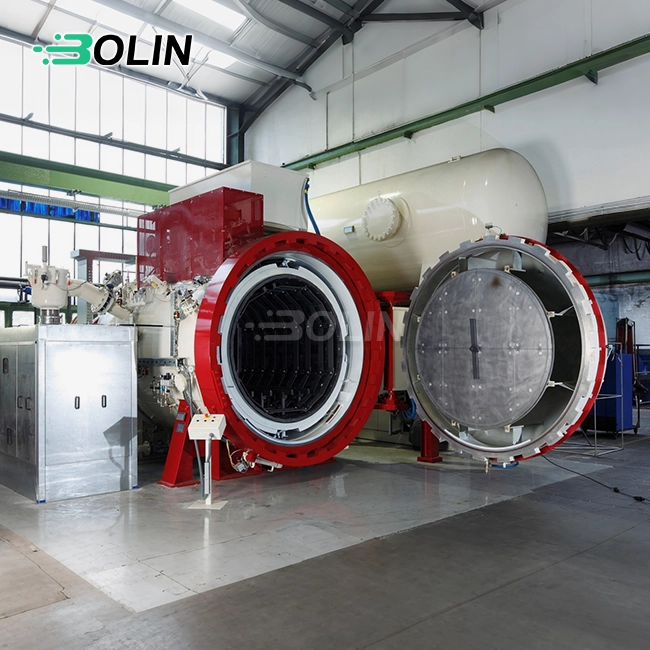
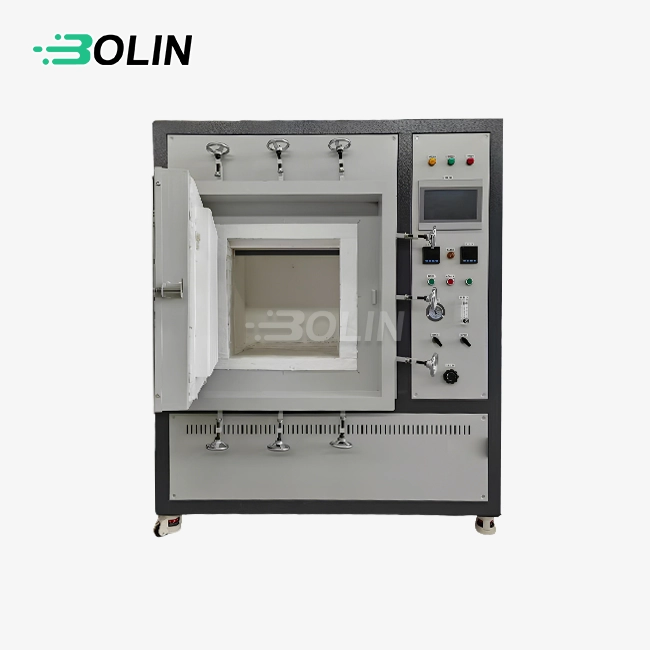
Modern heat treatment systems from Hebei Bolin Electric Furnace Manufacturing are built for severe industrial environments. Our industrial gas furnace for sale saves 30% of fuel compared to previous designs and maintains a 5°C work zone temperature with three layers of energy-efficient insulation and PLC-based precision control. Our diverse alternatives can meet your manufacturing demands. Our capacities are 500mm to 50,000mm and our operating temperatures are 100°C to 1300°C.
As a full-service industrial gas furnace manufacturer, we assist with application planning, installation, commissioning, user training, and maintenance. Email our heat processing experts at 15720259172@163.com to discuss your issues. We provide low prices, performance assurances, and detailed specs tailored to your metallurgical demands and production targets.
References
1. American Society for Metals International. "Heat Treater's Guide: Practices and Procedures for Irons and Steels," ASM International Handbook Series, 2nd Edition, 2018.
2. National Fire Protection Association. "NFPA 86: Standard for Ovens and Furnaces," NFPA Standards Council, 2019 Edition.
3. Society of Automotive Engineers. "AMS2750F: Pyrometry Standard for Heat Treating Equipment," SAE International Aerospace Materials Specifications, 2020.
4. Industrial Heating Magazine. "Energy Efficiency in Thermal Processing: Comparative Analysis of Gas and Electric Systems," Industrial Heating Equipment Association Annual Report, 2021.
5. American Gas Association. "Industrial Gas Utilization Technology: Combustion System Design and Optimization," AGA Technical Publications, 2022.
6. International Organization for Standardization. "ISO 13577: Industrial Furnaces and Associated Processing Equipment—Safety Standards," ISO Technical Committee 244, 2021 Revision.
Learn about our latest products and discounts through SMS or email