- English
- French
- German
- Portuguese
- Spanish
- Russian
- Japanese
- Korean
- Arabic
- Irish
- Greek
- Turkish
- Italian
- Danish
- Romanian
- Indonesian
- Czech
- Afrikaans
- Swedish
- Polish
- Basque
- Catalan
- Esperanto
- Hindi
- Lao
- Albanian
- Amharic
- Armenian
- Azerbaijani
- Belarusian
- Bengali
- Bosnian
- Bulgarian
- Cebuano
- Chichewa
- Corsican
- Croatian
- Dutch
- Estonian
- Filipino
- Finnish
- Frisian
- Galician
- Georgian
- Gujarati
- Haitian
- Hausa
- Hawaiian
- Hebrew
- Hmong
- Hungarian
- Icelandic
- Igbo
- Javanese
- Kannada
- Kazakh
- Khmer
- Kurdish
- Kyrgyz
- Latin
- Latvian
- Lithuanian
- Luxembou..
- Macedonian
- Malagasy
- Malay
- Malayalam
- Maltese
- Maori
- Marathi
- Mongolian
- Burmese
- Nepali
- Norwegian
- Pashto
- Persian
- Punjabi
- Serbian
- Sesotho
- Sinhala
- Slovak
- Slovenian
- Somali
- Samoan
- Scots Gaelic
- Shona
- Sindhi
- Sundanese
- Swahili
- Tajik
- Tamil
- Telugu
- Thai
- Ukrainian
- Urdu
- Uzbek
- Vietnamese
- Welsh
- Xhosa
- Yiddish
- Yoruba
- Zulu
What Factors Determine the Lifespan of a Furnace Bottom Plate?
When your industrial heat treatment process needs continuous outcomes, your furnace foundation is more vital than you believe. All thermal processing is held together by the furnace bottom plate. It can withstand massive weights and extreme temperatures that would destroy other materials. The material, frequency of use, weight, maintenance, and installation of a furnace's bottom plate determine its lifespan. High-quality heat-resistant metals with over 18% chromium and 8% nickel prevent heat creep and corrosion. Sudden temperature variations and prolonged loads over design standards accelerate wear. Regular inspections, cleaning, and fitting instructions extend service life from three to five years in continual nitriding and carburizing processes. Knowing what impacts the lifespan of this crucial element helps purchasing managers and plant engineers make smarter purchases, reduce unexpected downtime, and minimize the total cost of ownership. This tutorial compares short-term tools versus long-term purchases technically and operationally. This helps you choose parts that fit your production demands and budget.
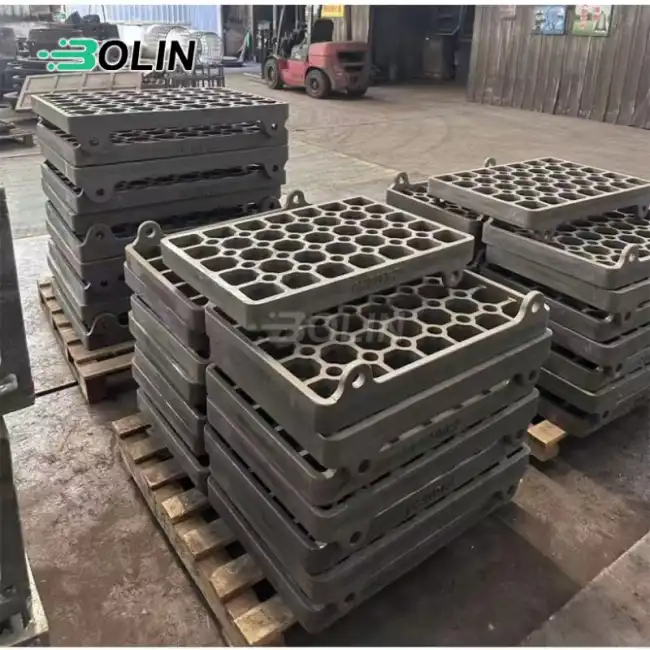
Understanding the Furnace Bottom Plate and Its Role
What Makes This Component Critical
Industrial furnace bottom plates handle most of the strain. It supports workpieces during heating. To properly distribute heat, this section must endure static and dynamic loads, preserve its shape, and not incur thermal shock from short heating cycles, unlike sides or tops, which largely hold heat. Working with large things in hot or cold regions requires a good tool foundation. The hearth plate can support loads of 5,000 kg and remain structurally sound at 1200°C.
Distinguishing Bottom Plates from Hearth Components
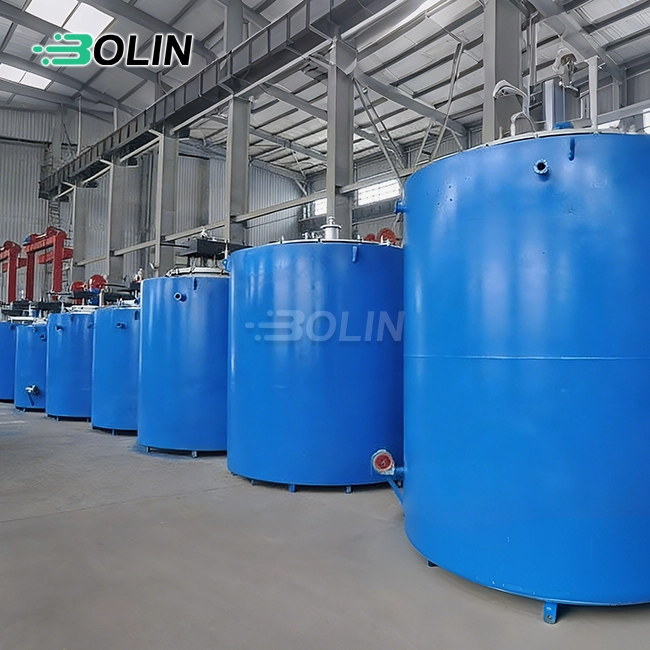
Engineers often confuse furnace bottom plates with hearth plates or refractory linings. A furnace bottom plate is the metal element of a construction that supports weight and transfers heat. It differs from refractory hearth materials, which insulate and protect the metal structure from flames. Pit furnace furnace bottom plates must be tight against the furnace shell to keep air within. We construct rabbet joints or gasket grooves for this reason. Batch-type installations benefit from modular plate designs since pieces may be changed without replacing the burner. That reduces downtime and maintenance expenses.
Common Materials and Their Performance Characteristics
Manufacturers generally use cast iron, high-alloy steel, and heat-resistant alloys. Cast iron is inexpensive and heat-transferring, but rapid temperature fluctuations weaken it. High-grade heat-resistant alloys with chromium content ≥18% and nickel content ≥8% address thermal creep deformation, early failure from fast temperature cycling (ΔT >300°C/hour), and surface oxidation on treated parts. Most items employ 1.4848 (GX40CrNiSi25-20), 1.4837, or HU/HT high Cr-Ni alloys.
Recognizing Typical Failure Modes
Understanding why these pieces fail helps you maintain them. Uneven temperature distribution causes stress variations and warping. Surface rust generates scale that flakes onto other portions of the work. Rotating temperatures or exceeding the metal's creep-rupture strength cause cracks. Deflection under stress indicates poor building design or material deterioration. Early detection of these tendencies allows maintenance staff to schedule break replacements instead of costly, unforeseen disruptions.
Key Factors Influencing Furnace Bottom Plate Lifespan
Material Composition and Alloy Selection
Metallic characteristics provide your furnace's bottom plate with fundamental durability. At 800–1250°C, alloys must have excellent creep-rupture strength and oxidation resistance. Silicon in a casting mixture should not be too high to avoid weakness. The high chromium content in our metals forms a protective Cr2O3 coating that repairs minor damage, increasing replacement intervals. When buying something, customers should consider its durability, heat and rust resistance, and initial cost. Material standards greatly affect operations. Carbon steel softens and breaks at high temperatures, whereas heat-resistant metals remain mechanical. These plates' minimal thermal expansion prevents warping, and good thermal conductivity maintains the hearth temperature uniformity. ASTM A297 is used to evaluate high-temperature iron-chromium and nickel-chromium alloy castings. It can survive the harmful effects of reducing and oxidizing gases in furnace atmospheres.
Design Specifications and Structural Engineering
The breadth, shape, and design of plate reinforcements affect heat stress and mechanical stability. Small plates can flex when loaded, damaging heating elements or thermocouples. We allow for inaccuracy in our structural estimates by including static loads and temperature stress. The controlled thermal expansion rate prevents metal bending during heat-up cycles, ensuring consistent metallurgical results. More than breadth matters in design. Continuous furnaces with rolling bars or roller hearths need passage-hole plates. When designing your material handling system, these functionalities are included. Cooling ducts are commonly installed on the vacuum furnace bottom plates. We can construct water jackets to protect the furnace shell and manage process cooling. Modular designs provide thermal expansion gaps. Internal tension is reduced, and catastrophic breaks are prevented.
Installation Quality and Initial Setup
When misused, even high-quality materials deteriorate early. If the plate is level, the load will be uniformly distributed. Thermal growth must flow via expansion joints without binding. For sealing the furnace shell and furnace bottom plate, utilize gasket materials suitable for the furnace's temperature. Stress from improper installation accelerates cracking and bending. The installation crew must check size constraints before installing the hearth plate. Checking furnace doors and heating parts for flatness using 3D laser scanning avoids obstruction. The correct preheating processes during launch reduce thermal shock, which can create microscopic fractures. Writing down the installation parameters helps you make maintenance and problem-solving decisions.
Operating Conditions and Thermal Cycles
How aggressive your heat treatment is affects the part's lifespan. Continuously running furnaces at steady temperatures are less tiring than intermittent ones. Rapid temperature rise exceeding 300°C per hour causes thermal differences and stress. Working in acidic settings or on contaminated parts speeds oxidation and chemical attack. How uniformly the fire temperature is distributed will affect your heat treatment. Curved or unequal furnace bottom plates create hot and cold zones, which can generate inconsistent case depths while carburizing or chilling. When continually carburizing and nitriding, our hearth plates last three to five years. They keep the surface temperatures within five degrees Celsius by uniformly distributing heat. This performance guarantees consistent mechanical results and reduced heat treatment scrap.
Maintenance and Cleaning Tips for Prolonged Furnace Bottom Plate Life
Establishing Effective Inspection Protocols
Regular visual checkups can detect wear and tear before it's too late. The surface should be examined monthly for oxide scales, fractures, and bending. Dimensional metrics indicate warping and flatness variations over time. Operational thermal pictures reveal building loss or damage in hot areas. Documentation creates trend data that predicts service lifespan. Non-destructive testing provides more information than visual examination. Ultrasonic Testing (UT) and Liquid Penetrant Testing (PT) can identify microscopic fractures or holes in shrunken material that cannot be seen. Radiographic testing (RT) ensures interior integrity per ASTM E94. OES checks a material's chemical makeup to make sure contamination or selective oxidation hasn't modified it. These rigorous quality controls aim for structural homogeneity and alloy correctness.
Safe and Effective Cleaning Methods
Oxide development reduces heat transmission and contaminates workpieces when it breaks off. Scale removal requires caution to avoid damaging the oxide layer. For mechanical cleaning, non-metallic brushes remove loose debris and grime without damaging the surface. Chemical cleaners for high-temperature metals remove resistant layers. Abrasive blasting eliminates the rust-preventing chromium oxide coating, so avoid it. Machine utilization and workpiece cleanliness determine cleaning programs. Clean forging furnaces require less maintenance than furnaces that work with oil or cutting marks. Maintenance cleaning routines prevent accumulation that accelerates wear. Teaching maintenance personnel how to clean can prevent their good intentions from shortening the furnace bottom plate's life.
Preventive Maintenance Strategies That Work
Regular maintenance lasts longer than replacement. Regular inspections identify issues early, making them easier to resolve. Keeping the correct chemical in the furnace prevents rust. Controlling heating and cooling reduces thermal stress. Rotating workpiece placement schemes even out heat wear. Factory case studies indicate that preventative initiatives may provide quantified results. One automobile heat treater controlled temperature and humidity, and inspected furnace bottom plates every three months to extend their lifespan from 3.2 to 5.1 years. An aircraft processor reduced unexpected downtime by 67% using dimensional tracking-based predictive maintenance. These examples demonstrate that coordinated care is worth the money.
Comparing Furnace Bottom Plate Options for Procurement
Material Performance and Cost-Benefit Analysis
You must compare the initial expenditure against the product's lifetime costs when buying. Cast iron plates cost 40–60% less than high-alloy plates but last half as long in demanding environments. Heat-resistant metals cost more but last longer and perform more reliably. Even though they cost more, premium materials can provide higher value per working hour. In addition to material costs, procurement managers must consider wait times, bulk buying benefits, and guarantee conditions. Custom-cast furnace bottom plates take 4–8 weeks to build, depending on mold complexity and NDT certifications. Standard sizes ship faster, but they may not suit your needs. Buy in bulk to save per unit, but keep cash on hand. A detailed analysis of these aspects aids practical and financial decision-making.
Evaluating Supplier Credibility and Certifications
Choosing reputable manufacturers ensures high-quality items that fulfill industry requirements. Suppliers should provide alloy composition and mechanical properties certifications. ISO 9001 manufacturing process standards demonstrate planned quality management. Third-party lab inspections confirm compliance. Product quality and supplier expertise are equally crucial. Can they aid with unique application tech? Do they assist install and start-up? Which guarantee covers your purchase? When correcting performance issues or planning expansion, timely after-sales assistance is crucial. Strong supplier connections add value beyond the sale.
Understanding OEM Options and Customization Benefits
OEM standards ensure the new part works with your old furnace. OEM parts fit well, stay within design specifications, and function with heating elements and environmental control systems. Generic choices may need to be adjusted or may not work effectively due to size differences. Customization addresses operating demands that conventional items can't. Heavily loaded automobile bottom furnaces with large steel castings need stronger designs to avoid sagging. For continuous tray pusher furnaces that create vehicle gears, tracks must be sturdy to withstand mechanical wear and heat stress. Vacuum heat treatment requires materials that don't emit gases and keep the same size throughout high-temperature operations for aviation. Customizing furnace bottom plate parameters to your process enhances speed and durability.
Maximizing ROI Through Informed Furnace Bottom Plate Selection and Care
Aligning Component Selection with Operational Parameters
Each heater type and usage requires customized solutions. To keep process atmospheres within, pit furnaces must seal well. The flexibility of batch furnaces allows for part replacement. Continuous actions require wear-resistant materials. By matching material grades, thickness requirements, and structural designs to the project, you prevent over-engineering, which costs money, and under-specification, which causes early failure. The proper specifications depend heavily on use. Powerful furnaces that work three shifts a day need stronger furnace bottom plates than intermittent furnaces. For thermal fatigue resistance, the frequency of temperature change is more significant than high temperature. Instead of following broad advice, know your working profile to acquire the right-sized instruments.
Connecting Lifespan Extension to Total Cost of Ownership
Increasing the service life from three to five years reduces replacements by 40%, saving parts and labor. When parts are replaced more regularly, production doesn't stop, and urgent repairs don't require extra hours. Flat, undamaged plates save scrap and maintenance costs due to better thermal stability. Often, operational improvements outweigh direct savings from postponing replacement. Total cost of ownership includes energy economy. Warped, damaged, or uneven furnace bottom plates reduce heater efficiency. To ensure all workpieces satisfy specifications, cycle durations must be increased due to temperature changes. Premium materials that retain their form use energy and get things done better. A complete financial evaluation indicates excellent component worth.
Building Strategic Supplier Partnerships
Long-term partnerships with credible providers offer benefits beyond one transaction. Long-term suppliers know your tools and processes better and may offer superior professional guidance. In peak demand, they prioritize delivery timeliness for key clients. Partners get warranty support and speedier service than casual shoppers. By collaborating with their bigger user base, suppliers may improve things. Partnerships operate best when partners communicate and share goals. Providers can give better product suggestions with precise application knowledge. Information about how something works improves ideas and manufacturing processes. Talking about future capacity helps them predict your needs and stock up. Working together creates benefits for everyone, lowering expenses and improving things.
Preparing for Future Material and Design Innovations
New technologies perform better and last longer. The purpose of creating advanced alloys is to make them stronger at high temperatures and rust-resistant. Additive manufacturing can manufacture complex structures that were previously impossible to cast. Built-in tracking technology provides real-time monitoring for predictive maintenance. Keep up with these updates to employ fresh ideas that offer you an edge. Understanding market trends improves strategic planning. As environmental regulations tighten, energy-efficient designs and recyclable materials become increasingly crucial. Automation requires an interface that supports automatic loading systems. Suppliers with diverse manufacturing expertise do better in uncertain global supply chains. If you sense these changes coming, you may plan rather than react to market shifts.
Conclusion
The lifespan of your furnace base depends on several technical and operational parameters that procurement managers may directly control. The materials, installation, usage, and maintenance of parts determine their lifespan, which can be three years or longer. Although they cost more initially, high-grade heat-resistant metals offer a lower total cost of ownership because they last longer and break down less. Correct installation reduces stress, and frequent maintenance prevents damage. Strategic supplier connections provide technical expertise and fast support, improving performance. Knowing these aspects allows you to purchase equipment that meets your business demands and budget, reducing downtime and ensuring uniform and high-quality heat treatment outcomes.
FAQ
How often should I replace my furnace's bottom plate?
Material quality, use, and maintenance determine how often something has to be replaced. Premium heat-resistant metals endure three to five years in well-maintained furnaces. Rebuilding may be faster in difficult situations with frequent temperature fluctuations or poisonous atmospheres. Sometimes fixed plans aren't the greatest method to decide when to replace. Surface condition, size, and crack development examinations are regular. Replacing parts by state instead of random time intervals improves safety and cost.
What causes premature warping in base plates?
Uneven heat distribution produces uneven expansion or exceeds the alloy's creep strength, causing warping. Concentrated loads, damaged heating devices that generate hot patches, or high operating temperatures can deform material. When you evaluate the heating element zones and compare load-per-square-inch to alloy standards, underlying causes are easy to find. Choosing the correct materials and maintaining temperature helps prevent most bending issues.
Can damaged plates be repaired, or must they be replaced?
Matching filler wire like ER310 may repair tiny surface cracks after welding if you pre-heat the plate and reduce stress. Small damage regions may lose structural integrity; solutions are ideal for minor damage. Material replacement is required for big fractures, severe warping, or thin oxidation-damaged portions. Welding professionals can advise you on whether the repair is feasible and cheaper than replacement.
Partner with Bolin for Superior Furnace Bottom Plate Solutions
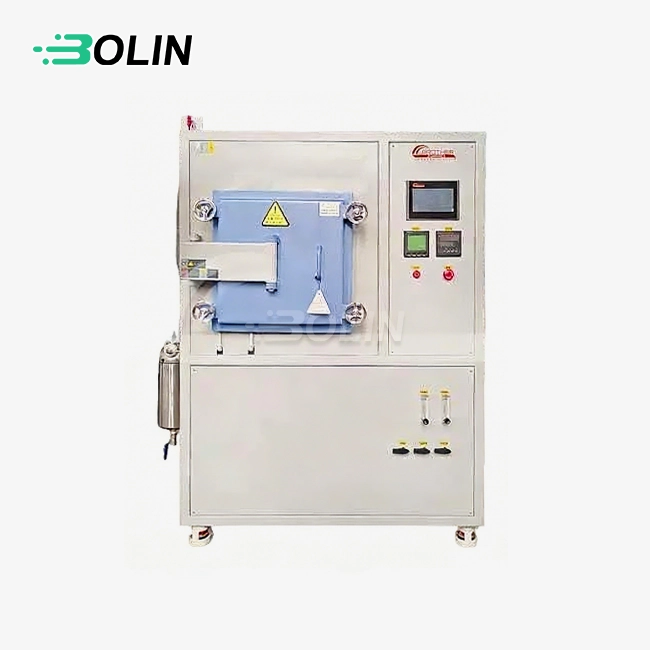
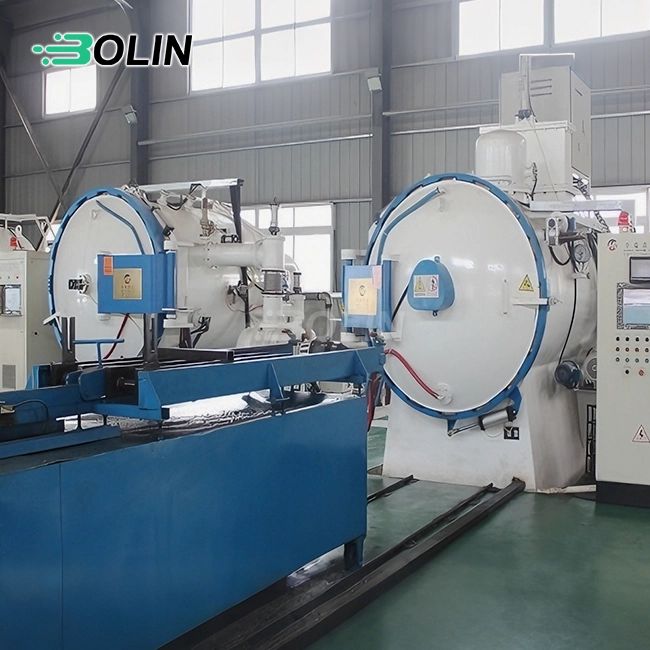
Hebei Bolin Electric Furnace Manufacturing Co., Ltd. develops bespoke heat treatment instruments for demanding thermal processing jobs. Our furnace bottom plates are composed of high-quality ASTM A297 heat-resistant metals. They can support over 5,000 kg and maintain form at 1200°C. As a leading furnace bottom plate manufacturer, we provide design, installation, and technical support. Our modular designs save replacement downtime, and our alloy compositions prolong nitriding and carburizing life. Our expert staff helps you obtain the greatest performance and total cost of ownership with simple setups or custom solutions. Ask our engineering specialists at 15720259172@163.com about your heat treatment needs and obtain detailed specs tailored to your needs.
References
1. Davis, J.R. (Ed.). (2002). ASM Specialty Handbook: Heat-Resistant Materials. ASM International, Materials Park, Ohio.
2. Schütze, M. (2008). Protective Oxide Scales and Their Breakdown. Wiley-VCH, Weinheim, Germany.
3. American Society for Testing and Materials. (2019). ASTM A297/A297M-19: Standard Specification for Steel Castings, Iron-Chromium and Iron-Chromium-Nickel, Heat Resistant, for General Application. ASTM International, West Conshohocken, Pennsylvania.
4. Peckner, D., & Bernstein, I.M. (1977). Handbook of Stainless Steels. McGraw-Hill Book Company, New York.
5. Lai, G.Y. (2007). High-Temperature Corrosion and Materials Applications. ASM International, Materials Park, Ohio.
6. European Committee for Standardization. (2015). EN 10295:2002 Heat Resisting Steels and Nickel Alloys. CEN, Brussels, Belgium.
Learn about our latest products and discounts through SMS or email