- English
- French
- German
- Portuguese
- Spanish
- Russian
- Japanese
- Korean
- Arabic
- Irish
- Greek
- Turkish
- Italian
- Danish
- Romanian
- Indonesian
- Czech
- Afrikaans
- Swedish
- Polish
- Basque
- Catalan
- Esperanto
- Hindi
- Lao
- Albanian
- Amharic
- Armenian
- Azerbaijani
- Belarusian
- Bengali
- Bosnian
- Bulgarian
- Cebuano
- Chichewa
- Corsican
- Croatian
- Dutch
- Estonian
- Filipino
- Finnish
- Frisian
- Galician
- Georgian
- Gujarati
- Haitian
- Hausa
- Hawaiian
- Hebrew
- Hmong
- Hungarian
- Icelandic
- Igbo
- Javanese
- Kannada
- Kazakh
- Khmer
- Kurdish
- Kyrgyz
- Latin
- Latvian
- Lithuanian
- Luxembou..
- Macedonian
- Malagasy
- Malay
- Malayalam
- Maltese
- Maori
- Marathi
- Mongolian
- Burmese
- Nepali
- Norwegian
- Pashto
- Persian
- Punjabi
- Serbian
- Sesotho
- Sinhala
- Slovak
- Slovenian
- Somali
- Samoan
- Scots Gaelic
- Shona
- Sindhi
- Sundanese
- Swahili
- Tajik
- Tamil
- Telugu
- Thai
- Ukrainian
- Urdu
- Uzbek
- Vietnamese
- Welsh
- Xhosa
- Yiddish
- Yoruba
- Zulu
Why Are Trolley Type Heat Treatment Furnaces Essential for Industry?
Loading and removing large metal pieces that need precision heat treatment might slow down your production process. Trolley Type Heat Treatment Furnaces with a track-mounted hearth and a specific industrial heating system overcome this problem. Large chunks of work can be rolled into the furnace room for processing. This design reduces effort, prevents equipment from failing, and maintains temperature across wide regions, solving some of manufacturing's largest difficulties. Businesses that need dependable, scalable thermal processing need these furnaces.
Understanding Trolley Type Heat Treatment Furnaces
What Makes These Furnaces Different
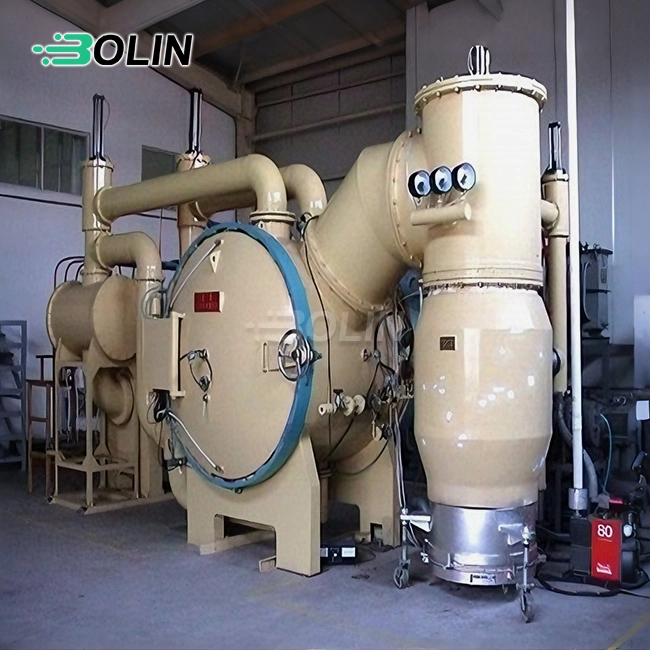
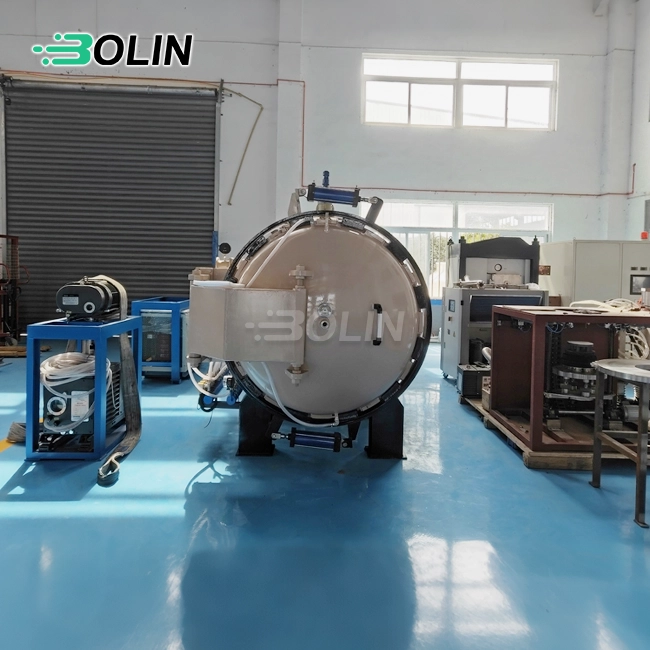
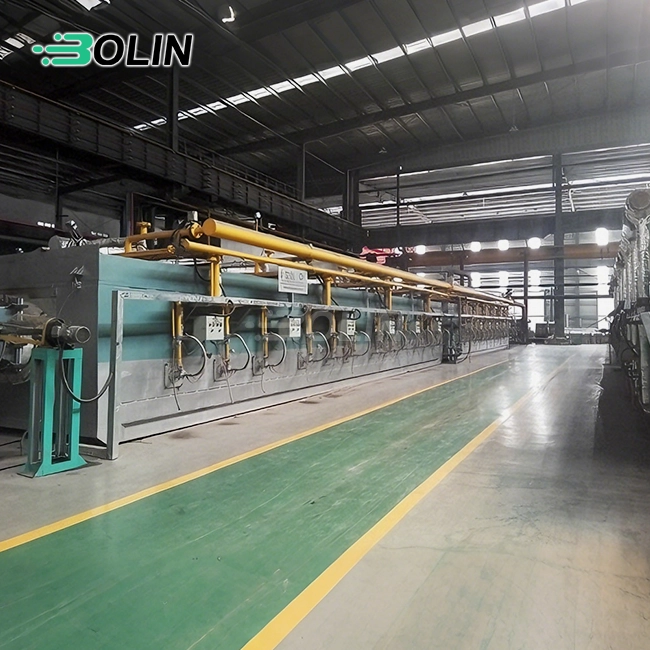
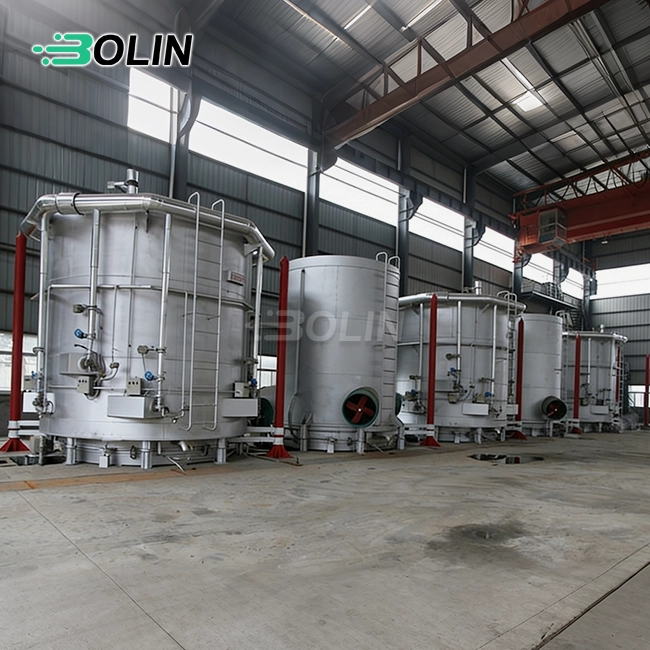
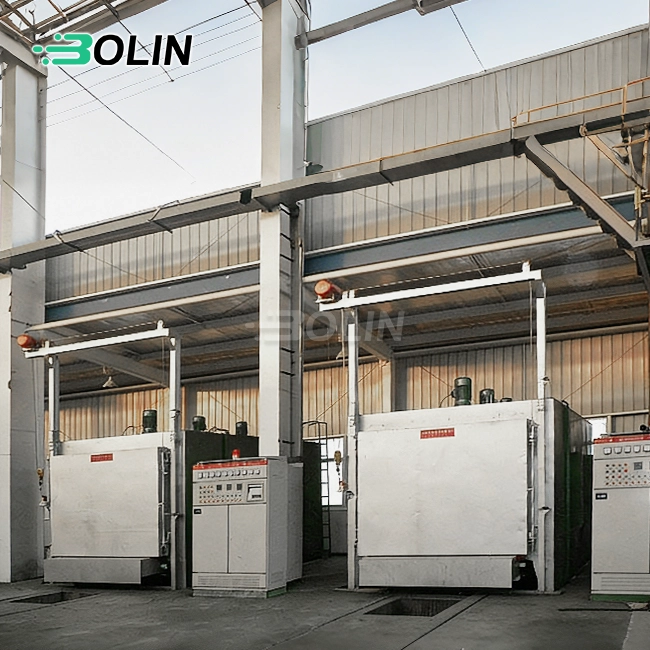
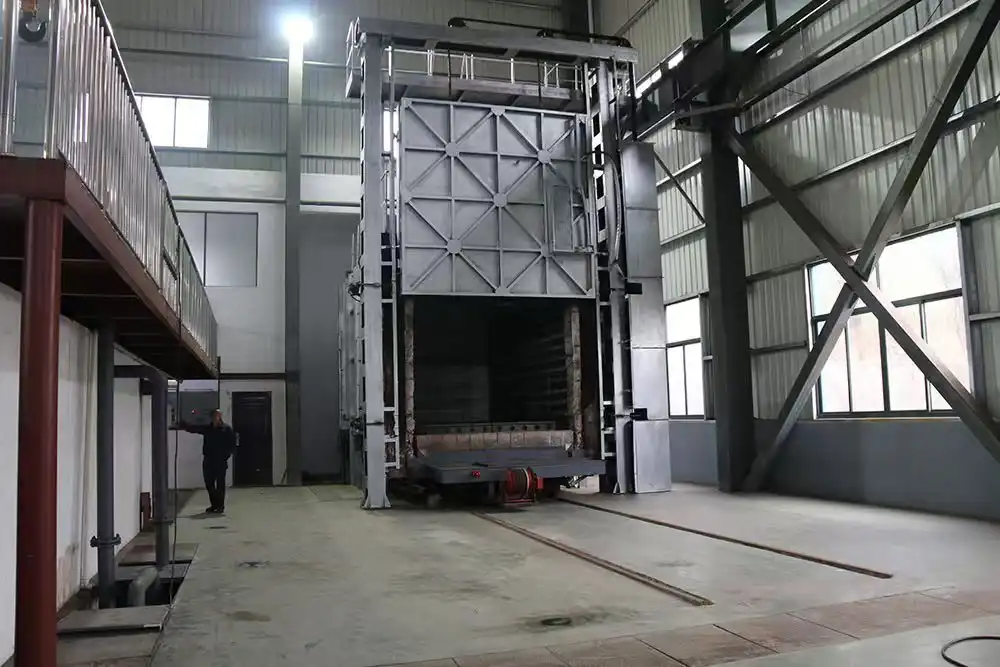
Trolley Type Heat Treatment Furnaces bring items into a heated area by a driven cart. This industrial heating equipment heats large, heavy, or intricate metal items regularly with a rail-mounted hearth. This technology allows external loading and unloading, making heavy-duty industrial situations safer and more productive. The key sections cooperate to provide consistent outcomes. The furnace chamber controls temperature and humidity, and the trolley system securely transports 200 tons. With electric resistance or gas stoves, temperatures can reach 100°C to 1300°C. Modern control systems uniformly distribute heat and maintain the proper temperature throughout the operation.
Key Operational Components
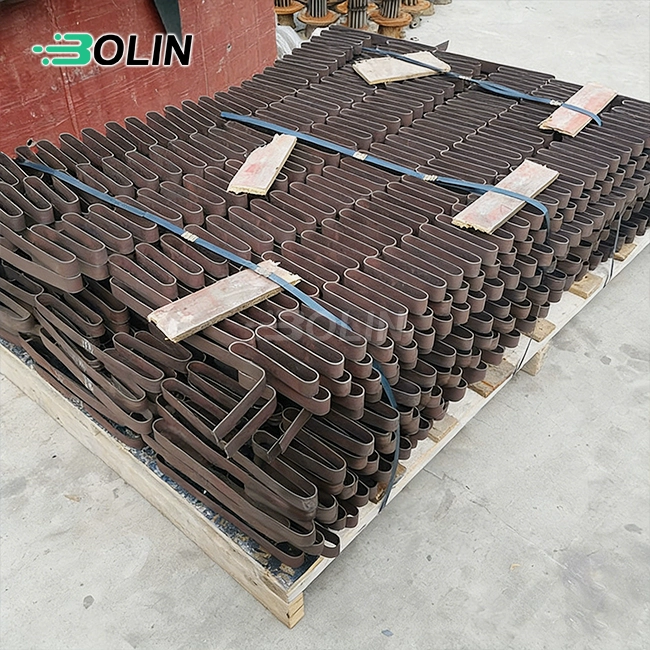
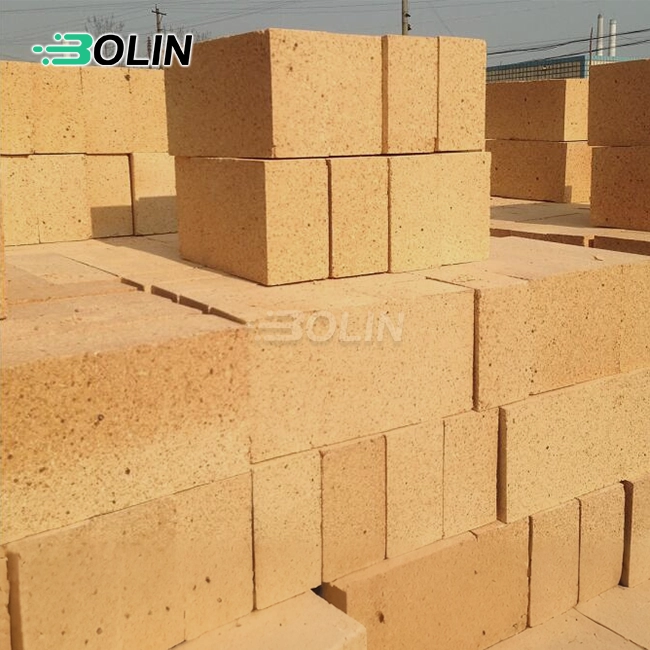
High-quality steel plates are connected to form the cart's shell, which can withstand repeated temperature fluctuations. Combine ultra-light microsphere vacuum bricks with composite fiber insulation to minimize thermal mass. This speeds up heating and cooling, lowering batch energy costs. Electric furnace door lifts include front-panel adjustments for simple usage. Multiple zones of high-velocity movement and heating maintain a consistent temperature within ±5°C inside the box. Working with items that must fulfill tight mechanical standards requires steadiness. Gas-tight environments with pneumatic locking mechanisms and automated sand or soft-fiber compression seals prevent heat loss at the trolley-furnace interface.
Common Configuration Types
Various businesses demand various abilities. Electric heating creates fewer pollutants and is more exact for finishing. Gas heating allows faster ramp-up and cheaper operating expenses for high-tonnage rough forging. Adding nitrogen or argon for brilliant annealing or carburizing gases for case hardening without oxidizing the surface allows sealed cart-controlled environment processing in a Trolley Type Heat Treatment Furnace. The furnace's temperature is controlled, making heat treatment more efficient. These installations provide bespoke heating, cooling, leveling, and freezing solutions for huge pieces that are difficult to perform by hand.
Comparing Trolley Furnaces with Other Heat Treatment Furnaces
Operational Workflow Differences
Knowing how various furnaces handle material flow helps procurement staff make better decisions. Trolley Type Heat Treatment Furnaces allow workers to add ingredients outside the hot zone and bring them inside the room when ready, allowing batch flexibility. Pit-type furnaces require materials to be dumped vertically into the heating area. Continuous furnaces use belts to transport workpieces. Moving the hearth design prevents furnace floor mechanical wear. Heavy castings and forgings are no longer dragged over hot regions, extending furnace life and reducing maintenance time. Outdoor loading and dumping reduces worker heat exposure and make the workplace safer.
Energy Efficiency Analysis
Energy consumption affects the total cost of ownership. Better shielding keeps heat in. Trolley-type heat treatment furnace systems use less energy than pit-type furnaces for the same batch size. Because there is less thermal mass, temperature changes faster, shortening working periods and increasing daily production. For short production runs or various item forms, Trolley Type Heat Treatment Furnace systems are preferable to continuous furnaces. Continuous furnaces produce more for regular, high-volume applications, but they must be run 24/7 to maintain efficiency. Batch processing in Trolley Type Heat Treatment Furnaces allows production plan changes to match demand.
Cost Implications and ROI
Different furnaces cost different amounts. Trolley-type heat treatment furnaces are cheaper to set up than fully automated continuous systems, but can perform more than batch furnaces. Custom chamber dimensions make the design scalable, so you don't need numerous units for different sizes and weights. The trolley system spreads mechanical stress more than fixed hearth systems, reducing maintenance expenses. Using fewer laborers saves money since one person can load, process, and unload. When combined, these variables provide a solid ROI, especially for organizations that process several component stocks.
How to Choose the Right Trolley Heat Treatment Furnace for Your Industry
Assessing Production Requirements
Know your business's demands before choosing heat processing gear. Production influences room size and heating power. Larger rooms or units may aid producers who handle plenty of material. However, producers with varied batch sizes require adaptable designs that can suit different load sizes without impacting temperature uniformity in a Trolley Type Heat Treatment Furnace. The temperature range should match the material and heat treatment procedure. Controlling temperature is crucial for aging and solution-treating aircraft components. Making tools and dies for plastic injection molds requires dependable hardening and setting procedures that keep forms solid even when they're not straight.
Material Compatibility Considerations
Different metals and alloys respond differently to heat. Trolley-type heat treatment furnaces may operate with carbon, alloy, stainless, tool, and non-ferrous metals. Working with readily oxidized materials is achievable using atmosphere-controlled models. They can do brilliant annealing, nitriding, and carburizing. Large wind turbine crankshafts and shafts are annealed and relieved of tension in these ovens by forging and heavy machinery. Controlled cooling prevents internal damage. Due to its precise air conditioning, high-performance Trolley Type Heat Treatment Furnace systems differ from basic designs.
Manufacturer Selection Criteria
Work with trustworthy manufacturers with solid warranties, extensive after-sales service, and customization options for long-term value. Bolin and other top providers provide design, installation, and technical support. This makes their goods compatible with different production processes. The producer exhibits precision by meeting international standards like AMS 2750F for pyrometry and CQI-9 quality. If temperature consistency testing indicates consistent performance within ±5°C, critical sections will receive consistent treatment. Scalable designs with automation systems improve efficiency and prepare buildings for capacity increase.
Best Practices for Operating and Maintaining Trolley-Type Heat Treatment Furnaces
Scheduled Maintenance Protocols
Equipment reliability and lifespan are increased by following tight repair programs. Monthly visual checks identify issues before they become costly to remedy. Full thermal scans every six months detect fiber shrinkage or mechanical damage in refractory linings, allowing timely repairs and temperature stability for the Trolley Type Heat Treatment Furnace. Calibration ensures temperature sensors and control systems are correct. To satisfy AMS 2750F Class 2, thermocouple performance and system accuracy must be tested often. All repair tasks should be documented for quality and customer audit trails.
Safety Features and Operator Training
High-tech safety mechanisms protect personnel and equipment in modern Trolley Type Heat Treatment Furnaces. Emergency shutdown devices shut down the machine immediately, while operator control measures prevent the door from opening accidentally at high temperatures. Interlocks prevent the trolley from moving until all doors are locked. Comprehensive operator training covers loading, temperature profiles, and emergencies. Learn how to organize batches for uniform heating to enhance consistency and save cycle times. Management of atmospheric gases and environmental regulations is also taught in training.
Extending Equipment Lifespan
Replace parts before they break to avoid downtime. Normal usage breaks down heating elements, thermocouples, and covering materials. Keeping track of hours consumed and replacing worn parts regularly keeps production going. Trolley frame rail line, wheel bearings, and driving systems must be maintained regularly. Following manufacturer specifications for lubrication reduces friction and prolongs part life. These simple maintenance tasks ensure system reliability for decades.
Industry Applications and Case Studies Demonstrating the Value of Trolley Furnaces
Automotive Manufacturing Applications
Critical automotive drivetrain parts require precision heat treatment. Transmission gears are carburized and stiffened to make the outsides wear-resistant and the insides robust but flexible. Controlled environment Trolley Type Heat Treatment Furnaces maintain case thicknesses and surface roughness throughout manufacturing batches. Crankshafts and axle sections need stress relief and normalization to maintain mechanical quality and stability. Working with large, heavy castings without hand movement reduces labor expenses and improves safety. Precise temperature control uniformizes grain structure, which extends component life.
Aerospace and Defense Industries
Precision and transparency are crucial in aircraft. Landing gear parts made of high-strength alloy steels must be treated and aged to give them certain strengths and toughness. Multi-zone independent temperature control meets aerospace quality standards for temperature uniformity survey goals. The enormous chamber diameters of Trolley Type Heat Treatment Furnace designs favor massive aluminum alloy structural elements. Tight temperature tolerances over large numbers maintain material quality in complicated systems. Modern control systems include documentation tools for the complete processing of records needed for aircraft clearance.
Heavy Machinery and Tooling
The intricate forms and exact dimension requirements of tool and die production make some things challenging. Large-format plastic injection molds must be uniformly heated to harden and soften without warping. Trolley-type heat treatment furnaces can manage heat and cooling rates, reducing temperature variations that might fracture or warp. Oil and gas drill collars and downhole instruments are heated to withstand extreme conditions. Strength and weight capacity allow Trolley Type Heat Treatment Furnace systems to hold these large items. They also offer precise thermal processing for field performance.
Measurable Performance Improvements
Real-world implementations demonstrate benefits. New burner technologies save 15–25% of energy, according to manufacturers, because they have higher insulation and less thermal mass. 20–30% cycle time increases boost daily productivity without adding equipment. These tangible advantages boost corporate competitiveness and reduce emissions and energy usage, helping the environment.
Conclusion
Modern industrial manufacturing relies on Trolley Type Heat Treatment Furnaces' flexibility, precision, and efficiency. Moving large, heavy pieces while maintaining precise temperature control for consistent mechanical outcomes is solved by the mobile hearth concept. These thermal processing technologies improve product quality, manufacturing costs, and worker safety in the car and aerospace industries. Trolley Type Heat Treatment Furnaces combine batch processing with contemporary automation, making them valuable in a variety of industrial applications as manufacturers face increasing demand to fulfill quality standards and optimize operations.
FAQ
What temperature ranges do trolley furnaces typically operate within?
Industrial Trolley Type Heat Treatment Furnaces may function from 100°C to 1300°C, depending on how they are heated and their refractory. Finishers have great control with electric resistance types at 600°C to 1200°C. Gas-fired systems usually attain greater temperatures that shape and handle heavy steel.
How does energy efficiency compare to pit-type furnaces?
Trolley Type Heat Treatment Furnace systems consume less energy than pit-type designs due to superior insulation and lower heat mass. The horizontal loading design prevents heat loss when the door is opened, and superior refractory technology reduces energy usage while the system is off. Batch-to-batch changeover saves energy since the chamber heats up faster.
What maintenance practices prevent unexpected downtime?
Visual checkups every month detect potential issues, and thermal scans every six months detect refractory wear before it impacts performance. To avoid unexpected malfunctions, replace thermocouples, heating elements, and closing parts after so many hours. Planning and keeping correct repair task records reduces output disruptions.
Can these furnaces accommodate rapid quenching operations?
For hardening, specialized Trolley Type Heat Treatment Furnaces include quick-out capabilities that convey the cart to the quench tank in seconds. The trolley moves directly from the furnace room to the quench station, minimizing temperature loss and maintaining hardening effects.
What advantages does multi-zone heating provide?
Multi-zone heating allows you to adjust room temperatures individually to compensate for heat loss through doors or unequal load levels. This function maintains a temperature of ±5°C throughout the work volume. This meets AMS 2750F Class 2 criteria and offers consistent treatment outcomes regardless of load setup.
Partner with Bolin for Advanced Heat Treatment Solutions
Hebei Bolin Electric Furnace Manufacturing Co., Ltd. offers the best Trolley Type Heat Treatment Furnace technology and can help with thermal processing. We offer design guidance, bespoke engineering, full installation, and speedy after-sales support. As a leading Trolley Type Heat Treatment Furnace manufacturer, we address the rigorous standards of the aerospace, vehicle, and heavy manufacturing sectors with energy-efficient, easy-to-control solutions. Contact our tech team at 15720259172@163.com to see how our unique solutions can help you make more and save money. We provide reasonable prices, detailed specs, and application assistance tailored to your processing needs.
References
1. ASM International. (2020). Heat Treating Equipment: Selection, Maintenance, and Operations. Materials Park, OH: ASM International Handbook Committee.
2. Chen, W. & Liu, H. (2019). Modern Industrial Furnace Design and Energy Optimization Techniques. Journal of Manufacturing Process Engineering, 45(3), 287-304.
3. European Industrial Heat Treatment Association. (2021). Best Practices for Batch Heat Treatment Furnace Operation and Maintenance. Brussels: EIHTA Technical Publication Series.
4. Krauss, G. (2018). Steels: Processing, Structure, and Performance, Second Edition. Materials Park, OH: ASM International.
5. National Board of Boiler and Pressure Vessel Inspectors. (2022). Heat Treatment Equipment Safety Standards and Compliance Guidelines. Columbus, OH: National Board Technical Committee.
6. Society of Manufacturing Engineers. (2021). Thermal Processing Technologies for the Automotive and Aerospace Industries. Dearborn, MI: SME Manufacturing Engineering Series.
Learn about our latest products and discounts through SMS or email