- English
- French
- German
- Portuguese
- Spanish
- Russian
- Japanese
- Korean
- Arabic
- Irish
- Greek
- Turkish
- Italian
- Danish
- Romanian
- Indonesian
- Czech
- Afrikaans
- Swedish
- Polish
- Basque
- Catalan
- Esperanto
- Hindi
- Lao
- Albanian
- Amharic
- Armenian
- Azerbaijani
- Belarusian
- Bengali
- Bosnian
- Bulgarian
- Cebuano
- Chichewa
- Corsican
- Croatian
- Dutch
- Estonian
- Filipino
- Finnish
- Frisian
- Galician
- Georgian
- Gujarati
- Haitian
- Hausa
- Hawaiian
- Hebrew
- Hmong
- Hungarian
- Icelandic
- Igbo
- Javanese
- Kannada
- Kazakh
- Khmer
- Kurdish
- Kyrgyz
- Latin
- Latvian
- Lithuanian
- Luxembou..
- Macedonian
- Malagasy
- Malay
- Malayalam
- Maltese
- Maori
- Marathi
- Mongolian
- Burmese
- Nepali
- Norwegian
- Pashto
- Persian
- Punjabi
- Serbian
- Sesotho
- Sinhala
- Slovak
- Slovenian
- Somali
- Samoan
- Scots Gaelic
- Shona
- Sindhi
- Sundanese
- Swahili
- Tajik
- Tamil
- Telugu
- Thai
- Ukrainian
- Urdu
- Uzbek
- Vietnamese
- Welsh
- Xhosa
- Yiddish
- Yoruba
- Zulu
How Can High-Temperature Cotton Improve Workplace Heat Protection?
High-temperature cotton insulates better than other textiles from 1000°C to 1430°C, protecting the workplace from heat. This refractory ceramic fiber retains its form under high temperatures. It has a poor thermal conductivity of 0.09–0.15 W/m·K at 600°C. This innovative insulating material lasts longer than traditional insulation, saving 15–30% on energy usage and making high-temperature workers safer.
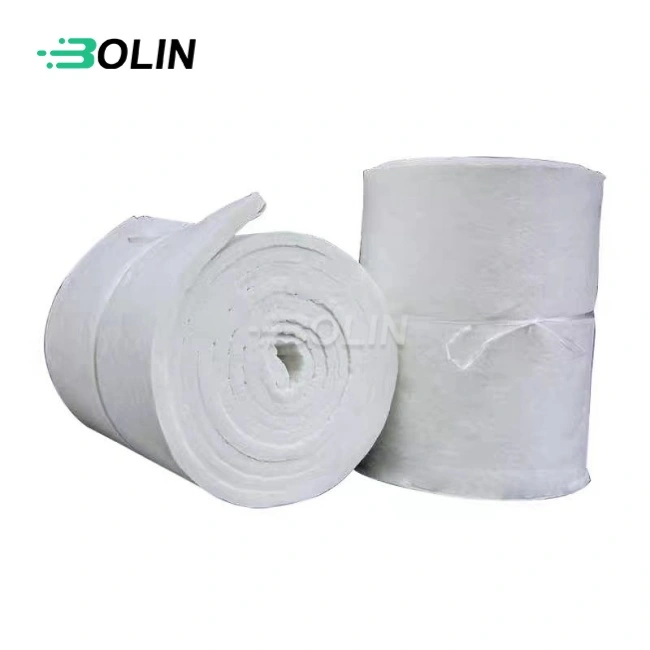
Understanding High-Temperature Cotton and Its Role in Heat Protection
What Makes This Material Different from Traditional Insulation
When we travel through industrial facilities that are continually heated or cooled, worker and equipment insulation is highly stressed. High-temperature cotton advances thermal protection. This refractory ceramic fiber solves critical issues ordinary materials can't. Exact blowing produces high-purity alumina-silica. The combination forms a complex network of 2–5-micron fibers that traps air and maintains structural integrity as temperatures fluctuate. Its form and construction make it protective. Its thousands of microscopic air gaps inside its fibrous structure make it heat-resistant. The artificial design reduces conduction heat transmission and prevents melting and burning. This protection reduces radiant heat, cools the area surrounding tools, and reduces thermal burns during repair work.
How Thermal Mechanisms Protect Your Workforce
Thermal safety system functioning has three phases. A wall with limited thermal conductivity slows heat transfer from hot to cold sections. The material doesn't get much energy from temperature fluctuations since it doesn't store much heat. This prevents heat storage and distribution. The fibrous structure absorbs sound, reducing material handling and burner noise. This overlooked safety advantage reduces industrial acoustic dangers. Thermal barriers are essential to protect workers in numerous workplaces. This insulation protects furnace workers from direct heat as they inspect or adjust equipment. Wrapping steam pipes with foil prevents burns and streamlines the procedure. Ceramic fiber blankets at expansion joints allow heat to travel without creating hazardous holes or stress points that might fail. These examples demonstrate how enhanced insulating materials increase workplace safety by creating stable and dependable temperature conditions.
Real-World Impact on Industrial Safety Standards
Procurement managers and safety specialists are increasingly aware that thermal insulation choices affect accident rates and operations. It satisfies ASTM C892 and ISO 10635 standards, ensuring constant performance. Linear shrinkage is below 3% after 24 hours at classifying temperature. The material must be safe over time and not peel away from vital sections and generate harmful hot spots.
Comparing High-Temperature Cotton with Alternative Heat-Resistant Materials
Performance Metrics That Matter for Procurement Decisions
Considering insulation performance helps buying teams make good selections. Traditional mineral wool loses its protective characteristics fast when temperatures change, requiring frequent replacement. Above 540°C, fiberglass insulation breaks down, making it unsuitable for high-temperature industrial applications. Ceramic fiber blankets can resist high temperatures, but their quality and function depend on how they were created and how pure the ingredients are.
Key performance criteria for refractory ceramic fiber materials:
- Heat Tolerance and Durability: Engineered ceramic fiber can survive 1000°C to 1430°C without losing form; however, mineral wool breaks down at 750°C. The larger temperature range reduces replacements and maintenance time. In industrial environments with sulfur dioxide, carbon monoxide, or hydrogen, when other materials break down fast, it can endure a long period since it is chemically stable.
- Safety and Handling Characteristics: Since bio-soluble fibers dissolve in lung fluids, they provide fewer long-term health concerns for installation workers than refractory ceramic fibers. This novel invention addresses workplace health problems while maintaining thermal performance. Bio-soluble versions have lower maximum usage temperatures.
- Environmental Impact and Lifecycle Costs: Ceramic fiber insulation's low thermal mass reduces starting and stopping fuel usage by 15–30% compared to heavyweight refractories. Saved energy equals cheaper pricing and less environmental impact during the material's lifetime. Flexible fiber blankets are easier to install than hard materials that must be cut and fitted precisely, especially around holes and curved portions.
These comparison benefits help consumers pick the finest material for their demands and safety. Budget, replacement times, temperature exposure, chemical environment, mechanical stress, and regulations should be considered in the decision grid.
Cost-Effectiveness Beyond Initial Purchase Price
Procurement specialists focus on unit pricing, but total cost of ownership reflects the true economy. Changing materials every 18–24 months wastes time, effort, and garbage. Despite its higher initial cost, ceramic fiber insulation that lasts longer is superior. Lower energy usage boosts the economy. In continuing instances, fuel savings offset material costs within two to three years.
How to Select the Right High-Temperature Cotton for Your Workplace Needs
Matching Material Specifications to Operational Demands
You must examine your working environment to determine the correct thermal protection. Environmental temperature is the key selection factor. The rating temperature should be 50–100°C greater than your maximum operating temperature for safety. Working continually within 50–100°C of the classification temperature accelerates fiber devitrification and shrinkage, reducing its protection and service life. Heat efficiency and mechanical strength are affected by bulk density. Materials with densities between 64 and 96 kg/m³ have superior thermal characteristics but are less resistant to mechanical damage and gas erosion. High-density grades (128-160 kg/m³) are ideal for direct contact or fast-moving gas streams. Look at the mechanical environment for the proper density standard. Loaded furnace hot sides require more insulation than backup insulation behind hard refractories.
Key Selection Criteria for Procurement Confidence
Quality of high-temperature cotton may be assured by following well-known criteria. ASTM C892 certification signifies a product satisfies thermal performance, physical stability, and material correctness criteria. ISO 10635 alignment ensures global quality. These credentials allow procurement teams to pick realistic materials without much testing. Customization simplifies system integration. Not all standard sizes work, especially when retrofitting or putting up unique equipment. Manufacturers that let you pick thickness, breadth, and length provide unique alternatives for the optimum coverage without waste. OEM relationships allow pre-cut parts to match certain equipment forms, speeding installation and improving fit.
Chemical Environment Considerations
Airborne pollutants decrease insulation longevity. Ceramic fiber materials can withstand most industrial conditions, including reducing or oxidizing ones. Chemical stability allows it to function in hydrogen, carbon monoxide, and sulfur dioxide environments. Strong acidic liquids like hydrofluoric and phosphoric acid damage fiber structure. Before picking a material, check the process chemistry for match issues to avoid premature failure and high repair costs.
Procurement Guide: Buying High-Temperature Cotton with Confidence
Sourcing from Reputable Manufacturers
Good procurement requires providers with established manufacturing and quality control expertise. Controlled production, high-quality raw materials, and regular testing help well-known firms maintain high-temperature cotton attributes. Asking for material test results ensures the standards suit your demands. Shot content indicates the number of non-fibrous particles in the product, which affects heat efficiency and indicates poor manufacturing. XRF analysis reveals that alumina-silica ratios exceed chemical purity standards. These compositional guidelines prevent early devitrification, which reduces heat performance. Tensile strength testing ensures blanket-form materials can withstand mechanical stress during installation and service, especially in airy or vibratory environments.
Quality Assurance and Product Authentication
Authenticating a product prevents low-quality materials from entering your supply chain. Requesting verification from reputable testing laboratories validates specifications. Using batch numbers to track materials helps monitor quality and fix performance issues. Sample orders before full-scale purchases ensure that the products fit your demands and function as expected in your application. Pricing strategies should balance quality and affordability. Bulk buy agreements save money on supplies and ensure you have them for planned maintenance and development. Too many things entail additional storage costs and more danger of material damage if not properly secured from dampness. Coordinating order quantities with project plans maximizes capital and operational flexibility.
Logistics and Supply Chain Continuity
Understanding wait periods and shipment concerns can keep production going. Special orders, depending on complexity, can take four to six weeks to deliver. Standard items ship in two to three weeks. International shipping requires customs clearance and extended transport durations. Planning purchases around maintenance schedules and project goals ensures that supplies are accessible when installation workers start, reducing costs and delays.
Ensuring Safety and Maximizing Performance with High-Temperature Cotton
Installation Best Practices for Optimal Protection
Installing anything properly affects its protection and lifespan. Despite being inorganic, the substance should be handled with protective gear. Fine threads from cutting or fitting might irritate skin and lungs. Installation personnel are protected from fibers by water spray to regulate dust and air quality. Flexible ceramic fiber blankets can tolerate heat expansion without stressing. Installers shouldn't crush fibers too much since it reduces their air space and thermal performance. The manner objects are held must allow regulated temperature cycling without slipping or moving. Fasteners should include thermal expansion allowances, and glue systems should resist predicted temperatures without breaking down.
Maintenance Protocols That Extend Service Life
Routine checkups catch issues before they become hazardous or urgent. Visual damage, erosion from gas flow, or shrinking indicate the product is nearing its end of life. Thermal imaging during operation can detect hot patches that indicate insulation failure or insufficient coverage. Writing down check results provides a benchmark and tracks how quickly items break down, allowing you to plan maintenance. How to clean depends on the kind and company demands. Due to its inability to impair heat performance, light dust accumulation seldom needs care. Chemical contamination or water absorption may require replacement rather than cleaning. Hydrophobic ceramic threads don't absorb liquid water, although water can enter empty spaces. If the water is chemically pure, the material's thermal properties recover when it dries, but repeated wetting accelerates its disintegration.
Compliance and Risk Mitigation Strategies
Workplace safety standards increasingly discuss insulating health hazards and temperature issues. After ingestion, bio-soluble fibers dissolve in lung fluids, improving breathing. They comply with stricter standards and protect properly. Material safety data sheets provide vital information for accident prevention and training. Using the correct containment during cleanup saves labor and prevents fiber contamination.
Conclusion
Choosing the correct thermal insulation affects worker safety, corporate costs, and energy usage. Where alternative insulation fails, high-temperature cotton materials operate effectively in tough industrial situations. Thermal shields that protect people and equipment combine extreme temperature resistance, low thermal conductivity, and chemical stability. Procurement teams should understand performance attributes, selection criteria, and quality testing techniques to ensure the proper materials are provided for demanding assignments. Correct installation and maintenance enhance protection performance and service life. This reduces energy usage and replacement frequency, boosting ROI.
FAQ
Can refractory ceramic fiber withstand direct flame contact?
Ceramic fiber insulation retains its form in direct flames within the categorization range. Although it does not burn or melt, long-term flame contact may harden it locally. To ensure safety, categorization temperatures should be higher when flame contact is frequent.
How does High-Temperature Cotton compare to ceramic fiber board in terms of cost and efficiency?
Blanket-form ceramic fiber materials usually cost less per unit than hard board. Also, blankets are easier to lay around holes and strange shapes. However, ceramic fiber boards resist mechanical damage and gas loss better in fast-moving environments. The optimum decision depends on product demands such as fitting difficulties, technical requirements, and thermal performance.
Are customization options available for specialized industrial applications?
Manufacturers provide unique sizes, densities, and hybrid designs with facings or support layers. OEM connections allow pre-made parts to fit particular equipment. Custom solutions disperse materials and save installation time, especially for difficult designs or retrofits.
Partner with Bolin for Comprehensive Thermal Processing Solutions
Hebei Bolin Electric Furnace Manufacturing Co., Ltd. customizes heat treatment systems with cutting-edge thermal insulation. Our engineering staff assists with design, installation, and maintenance. This ensures energy efficiency and worker safety in heat processing systems. We buy ceramic fiber insulation and other refractory materials from verified suppliers. Thus, we can guarantee material quality and performance. Contact our technical specialists at 15720259172@163.com to discuss your thermal processing issues and explore tailored solutions like high-performance high-temperature cotton for sale that saves energy and improves worker safety.
References
1. American Society for Testing and Materials. "ASTM C892: Standard Specification for High-Temperature Fiber Blanket Thermal Insulation." ASTM International Standards, 2019.
2. International Organization for Standardization. "ISO 10635: Classification of Dense and Insulating Formed Refractory Products." ISO Technical Standards, 2018.
3. European Union. "Directive 97/69/EC: Adapting to Technical Progress for the 23rd Time Council Directive 67/548/EEC on Dangerous Substances." Official Journal of the European Communities, 1997.
4. Industrial Insulation Manufacturers Association. "Energy Efficiency in High-Temperature Industrial Processes: Material Selection and Performance Evaluation." Technical Publication Series, 2021.
5. National Institute for Occupational Safety and Health. "Health Effects of Occupational Exposure to Refractory Ceramic Fibers." NIOSH Publication No. 2006-123, Department of Health and Human Services, 2006.
6. Thermal Ceramics Research Institute. "Comparative Analysis of Refractory Fiber Materials in Industrial Furnace Applications: Performance, Longevity, and Economic Considerations." Industrial Furnace Technology Journal, Volume 38, 2020.
Learn about our latest products and discounts through SMS or email