- English
- French
- German
- Portuguese
- Spanish
- Russian
- Japanese
- Korean
- Arabic
- Irish
- Greek
- Turkish
- Italian
- Danish
- Romanian
- Indonesian
- Czech
- Afrikaans
- Swedish
- Polish
- Basque
- Catalan
- Esperanto
- Hindi
- Lao
- Albanian
- Amharic
- Armenian
- Azerbaijani
- Belarusian
- Bengali
- Bosnian
- Bulgarian
- Cebuano
- Chichewa
- Corsican
- Croatian
- Dutch
- Estonian
- Filipino
- Finnish
- Frisian
- Galician
- Georgian
- Gujarati
- Haitian
- Hausa
- Hawaiian
- Hebrew
- Hmong
- Hungarian
- Icelandic
- Igbo
- Javanese
- Kannada
- Kazakh
- Khmer
- Kurdish
- Kyrgyz
- Latin
- Latvian
- Lithuanian
- Luxembou..
- Macedonian
- Malagasy
- Malay
- Malayalam
- Maltese
- Maori
- Marathi
- Mongolian
- Burmese
- Nepali
- Norwegian
- Pashto
- Persian
- Punjabi
- Serbian
- Sesotho
- Sinhala
- Slovak
- Slovenian
- Somali
- Samoan
- Scots Gaelic
- Shona
- Sindhi
- Sundanese
- Swahili
- Tajik
- Tamil
- Telugu
- Thai
- Ukrainian
- Urdu
- Uzbek
- Vietnamese
- Welsh
- Xhosa
- Yiddish
- Yoruba
- Zulu
How Can Resistance Ribbon Improve Temperature Control Accuracy?
Resistance ribbon heating elements revolutionize temperature control accuracy through their unique flat, rectangular cross-section and specialized alloy construction. Engineered from Nickel-Chromium or Iron-Chromium-Aluminum materials, these precision components deliver exceptional surface-to-volume ratios that enable uniform heat distribution across heating zones. The superior thermal conductivity and rapid response characteristics of resistance ribbon technology eliminate hot spots and thermal lag—common challenges in conventional systems—while maintaining electrical stability even under demanding thermal cycling conditions. This translates to measurable improvements in process consistency, reduced temperature variance, and enhanced product quality for industrial heat treatment applications.
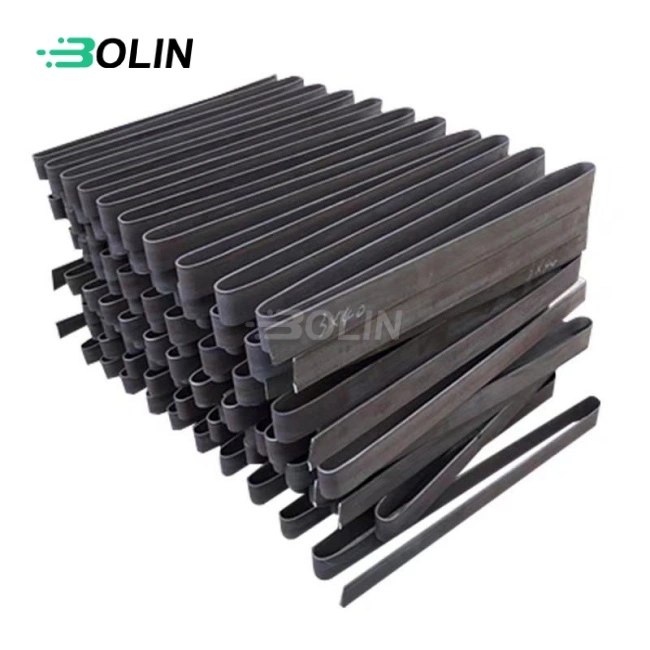
Understanding Resistance Ribbon Technology and Its Role in Temperature Control
Complex temperature procedures require careful part selection. Resistance Ribbon alters industrial systems' basic temperature regulation.
The Engineering Behind Flat Resistance Elements
Flat resistance ribbons were developed to vary from round wire heating elements. This oblong design allows more surface area to interact with the environment. An electric current heats the metallic strip equally over its length and width. In the highest FeCrAl grades, regulated electrical resistivity (up to 1.45 μΩ·m) guarantees a continuous power flow that your control systems can accurately control.
Material Science Driving Performance
Metal composition matters greatly. Because they form a safe Cr2O3 layer while working, Nickel-Chromium combinations resist oxidation. Iron-Chromium-Aluminum versions generate a stronger Al2O3 barrier that resists oxidation up to 1425°C. These shielded oxide layers stay long and stabilize electrical characteristics, preventing resistance drift that lowers temperature accuracy in earlier systems.
Integration With Modern Control Systems
Resistance ribbon heating elements respond swiftly to temperature changes with programmable logic controllers and digital temperature monitoring. Flat shapes store less energy due to their low thermal mass. Heat flows swiftly to the workpiece instead of being caught in large hot regions. Your autonomous systems can modify setpoint temperatures in real time, keeping them within extremely tiny ranges that humans can't. Since ribbon heating technology is modular, it can be installed in many ways. The fundamental technology can adjust to your power and size demands without hurting performance, whether you're putting up a tiny lab burner or a dozens-meter manufacturing line.
Challenges in Traditional Temperature Control Methods and How Resistance Ribbon Addresses Them
Producers who demand precision struggle with traditional heating methods. Knowing these issues shows why current thermal processes require flat heating elements.
Slow Thermal Response in Round Wire Elements
Standard round wire heaters are thermally resistant. The cross-section is spherical; therefore, most of the mass is central. Heat must radiate from the center to reach the furnace room. Power application and workpiece temperature change time cause ramp-up errors and cooling slowdowns. Too many process cycles, and maintaining temperatures requires continual operator input or sophisticated compensating routines. Resistance Ribbon eliminates latency due to its thinness and width. Heat hits the radiating surface fast wherever in the cross-section. When your control system orders more, the temperature reaction occurs in seconds. Thus, process windows and cycle times can be reduced.
Uneven Heat Distribution Across Heating Zones
Temperature fluctuations are commonly visible in systems with several circular wires. Parallel lines form hot and cool bands that move. Despite being in the same burner load, pieces in these zones have distinct temperature histories. The outcome was metals with varying mechanical properties, finishes, and rejection rates. Ribbon heating elements' flat, continuous design produces predictable radiation patterns. The large region works as a thermal plane instead of point sources. Temperature fluctuations between ribbon-heated zones are typically smaller than ±5°C. In wire-wound systems, they may reach ±15°C.
Material Degradation Under Thermal Cycling
Reheating and cooling all heating parts puts mechanical stress on them. Round wires strain due to differential expansion between their heated cores and colder sides. After hundreds of rounds, fatigue causes brittleness, bending, and failure. Unexpected downtime disrupts operations and destabilizes maintenance schedules. Thermal expansion is controlled in good resistance ribbon metals. This and the flat profile's even stress distribution extend service life. The piece expands and shrinks uniformly throughout its breadth, minimizing internal pressure. Protective oxide layers emerge throughout the exposed surface, preventing localized oxidation that fails round wire systems. Ribbon heating elements have survived more than 50,000 temperature cycles, three times longer than wire elements in the same settings, according to automobile heat treatment facility data. Easy maintenance makes equipment available more often and cheaper to purchase.
Selecting the Right Resistance Ribbon for Optimal Temperature Control
Buying heating components requires technical and business considerations. If you specify correctly, your investment will provide precision and dependability for your procedures.
Material Composition Matching to Operating Environment
Which alloy process works best depends on the oven environment. Similar to heat treatment, Nickel-Chromium bands operate well in neutral to slightly oxidizing environments. Cr2O3's covering shell remains stable after repeated heating and cooling between room temperature and 1150°C. Electrical and thermal output will remain constant throughout the element's life. Iron-Chromium-Aluminum alloys endure longer in bright annealing or sintering procedures with higher temperatures or harsher oxidizing atmospheres. Al2O3 shields can resist temperatures around 1425°C without breaking. They're stronger than conventional metal, so you can process them differently.
Thickness and Width Considerations
The length, breadth, and height of your heating strip affect its thermal performance and mechanical durability. For precise pulse heating or rapid temperature changes, thinner strips are ideal since they have less thermal mass and respond faster. They may need to be changed more regularly in regions with a lot of vibration since they are more likely to be mechanically damaged during installation. Thicker profiles are stronger and can take greater current levels; thus each heater circuit can provide more power. The temperature reaction is slower in exchange. Width impacts heat radiation and mounting. Wider bands distribute heat more evenly, but they need more support to avoid sagging over extended distances.
Electrical Resistance Range Specification
Making sure element resistance matches power source attributes ensures smooth operation. Higher resistance levels allow the gadget to operate at facility voltages without much power. When your process demands quick heating, lower resistance configurations might boost power. Your control system must match the element's electrical attributes to maintain precise temperature control over the operating range.
Customization Options for Specialized Applications
Standard stock items work well in many cases, but furnaces with intricate forms or particular process demands require specialized Resistance Ribbon designs. Technical support from a manufacturer can modify ribbon width, thickness, and form to meet your heating zones. This adjustment distributes heat evenly and simplifies installation in challenging conditions.
Supplier Selection and Procurement Strategy
Application engineering support from an experienced vendor will help you prevent design blunders. They understand how ribbon positioning, support, and electrical arrangement provide your process temperature stability. Your relationship with your provider influences your long-term success beyond technical issues. Older manufacturers maintain alloy quality and size requirements so alternative parts operate as well as the originals. This consistency protects your validated thermal profiles and eliminates the need to re-qualify the procedure after part changes. Buy in bulk to save money and ensure ample merchandise. Having essential heating parts on hand prevents extended maintenance times for continual manufacturing lines. Suppliers who carry conventional configurations and give appropriate custom order wait times provide supply chain assurance for your organization.
Best Practices for Implementing Resistance Ribbon in Temperature Control Systems
Heating components perform best when properly fitted and maintained. These actions preserve your investment and maximize system performance.
Installation Techniques for Optimal Heat Distribution
How items are mounted affects temperature regularity. To avoid sagging at operating temperatures, the Resistance Ribbon must be well-supported. Hot spots or stress concentrations shouldn't result from support points. Ceramic spacers between the ribbon and heating chamber preserve its form while letting heat expand. Focus on electrical links. Terminal points must establish excellent electrical contact with low resistance and withstand temperature fluctuations. Bad connections produce localized heating that accelerates corrosion and failure. Professional fitting involves utilizing the correct force, cleaning the contact surface, and incorporating strain relief to keep the link stable over thousands of heating cycles.
Routine Maintenance and Inspection Protocols
Regular visual assessments catch issues before they become significant. Look for discoloration that indicates uneven heating or burning. Surface rust should be consistent across the ribbon. Spots of differing hue or texture indicate a problem. Big damage indicates the part is almost done operating, while little sagging between support points is typical. Electrical measurements provide objective performance data. Checking the element's resistance regularly tracks its qualities over time. Resistance should progressively increase as oxide layers build, but quick fluctuations indicate damage or degeneration that needs repair. Compare data from different heating zones to determine which circuits require replacement during the next maintenance window.
Integration With Digital Monitoring Systems
Consider the protective metal coating while cleaning. Hard chemicals or mechanical cleaning can harm this shield, shortening its lifespan. Gentle methods that remove scale and grime without abrading the surface preserve the self-protecting characteristics and longevity.
Modern climate control systems do more than switch on and off. Modern controllers and heating elements provide accuracy that modifies the process. Proportional control maintains setpoint temperatures within a few degrees using real-time thermal feedback. Quality systems get process-proof data from automated temperature cycle recording. Calibration ensures your control system receives sensor data accurately and provides the necessary power. Your temperature readings can still be connected to standards if you verify them often with certified reference instruments. Our care stops the gradual shift that reduces accuracy over time. Responsive heating elements and clever controls create flexible systems that can adjust to load mass, ambient circumstances, and part form. Your process becomes more dependable and less dependent on operator skills and circumstances.
Future Trends and Innovations in Resistance Ribbon for Temperature Control
The heater element industry is booming, and new technologies promise higher precision and efficiency. Keep up with these updates to make informed tool purchases.
Nanotechnology-Enhanced Alloys
Materials labs add nanostructured compounds to heated metals. Nanoparticles modify grain structure and improve high-temperature mechanical properties. Better creep resistance allows ribbon forms to be thinner without reducing durability, shortening thermal reaction times. Increasing rust resistance increases temperature range and service life. This reduces the amount of element replacements and process stops.
Smart Heating Elements With Embedded Sensing
In future Resistance Ribbon shapes, the heating source senses temperature. Microsensors in the ribbon structure provide heat source temperature input instead of neighboring tools. The temperature differential between the heating element and measuring point is eliminated. This allows control systems to respond to element circumstances rather than predictions. This improves temperature management and process reaction time.
Industry 4.0 Integration and Predictive Maintenance
Connected industrial settings increasingly employ data analytics to improve equipment. Intelligent heating systems monitor electrical attributes, thermal performance, and consumption trends to determine part replacement. Your repair crew knows about planned downtime during production breaks, so they don't have to rush to handle unexpected issues.
These systems understand what a process needs and adjust power settings to utilize the least energy. Smart control techniques and effective technology provide your product the exact temperature control it requires while wasting the least energy.
Sustainable Manufacturing Alignment
Environmental issues are more significant when buying equipment. Modern production uses recyclable and environmentally friendly materials. Flat heating elements with a longer lifespan require fewer replacements over the life of your equipment. This saves cash and resources. Energy efficiency directly reduces operating expenses and carbon footprints.
Sustainable suppliers frequently offer complete lifetime support, such as element recovery programs that reuse metal parts. These ties ensure that your buying strategy supports your company's sustainability goals while providing your operations with technology performance.
Conclusion
In conclusion, Resistance Ribbon heating technology provides improved thermal consistency, faster reaction times, and reliable long-term performance, making temperature management easier. The flat profile design and unique metal structure eliminate the primary issues with ordinary heating elements, improving process control and product quality. Use the right materials, install them properly, and connect them to present control systems to optimize these advantages. Because they are precise and dependable, resistance ribbon heating elements become more vital for competitive thermal processing operations as industries progress toward autonomous, data-driven processes. Good heating technology reduces waste, improves consistency, and lowers ownership costs.
FAQ
Why does resistance ribbon provide better temperature accuracy than traditional round wire elements?
Flat wires eliminate hot spots and temperature disparities by spreading heat evenly across a larger area. The rectangular cross-section sends heat to the furnace room faster, and its low thermal mass responds swiftly to control inputs. These traits, together with protective oxide layers' constant electrical properties, allow for very tiny temperature ranges, which round wire systems can't achieve consistently.
Can resistance ribbon be customized for specific industrial furnace applications?
Good manufacturers allow several width, thickness, length, and shape modifications to match varied heating zone shapes. Engineering support helps you lay the Resistance Ribbon and link your process's electrical. Custom metal formulae can handle temperature and atmospheric conditions that store items couldn't.
How does ribbon thickness affect thermal performance and element lifespan?
Thinner strips respond faster to temperature changes but may survive shorter in shaky areas due to their lower thermal mass. Thicker forms carry more current but are less temperature-flexible. Durability or quick spinning will determine the optimal thickness for your needs.
Partner With Bolin for Superior Resistance Ribbon Solutions
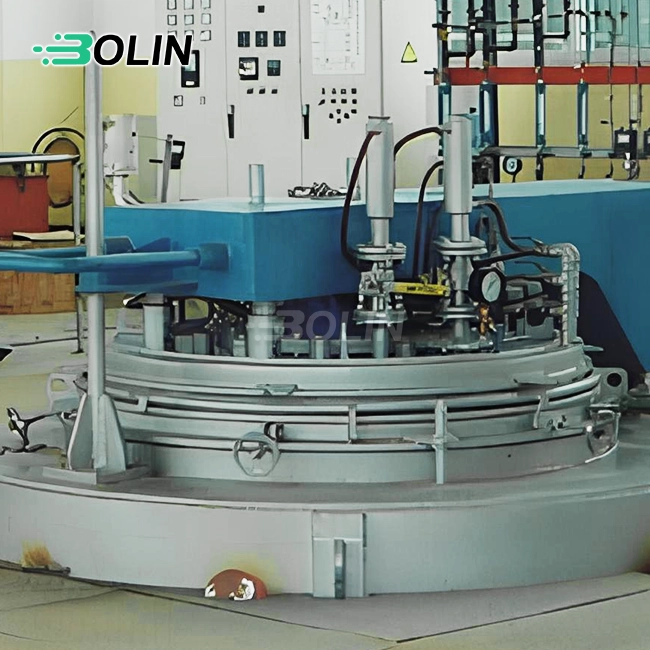
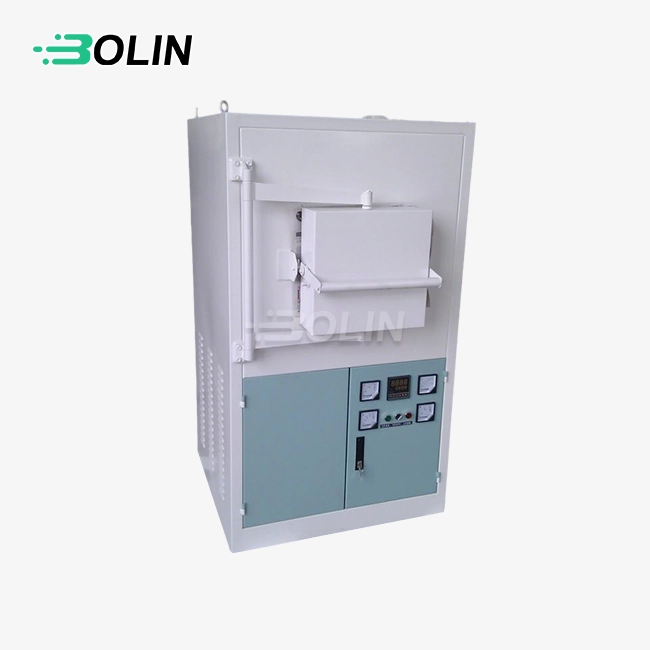
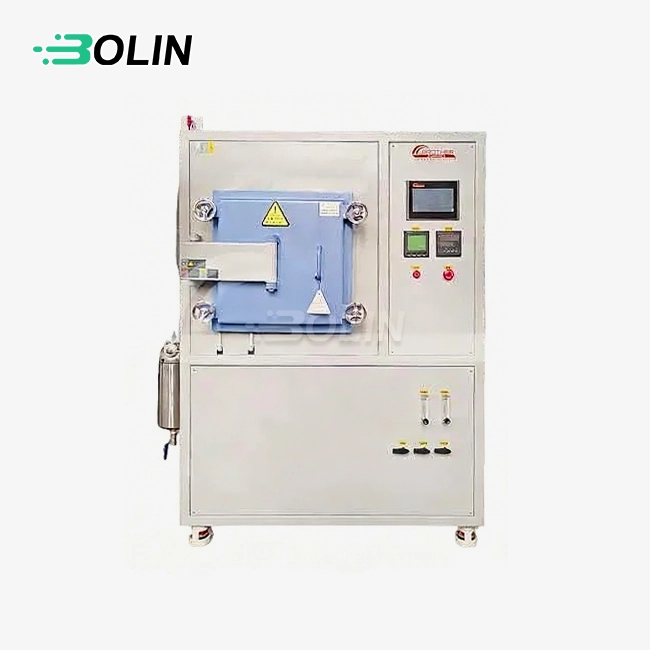
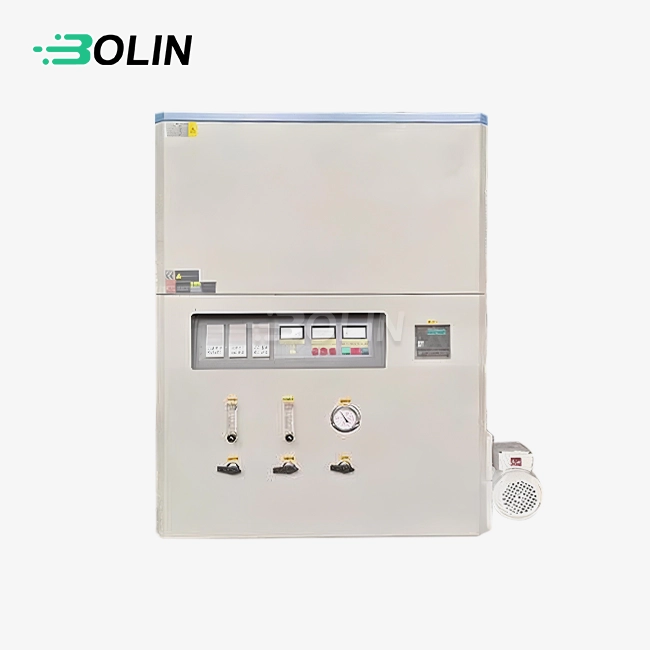
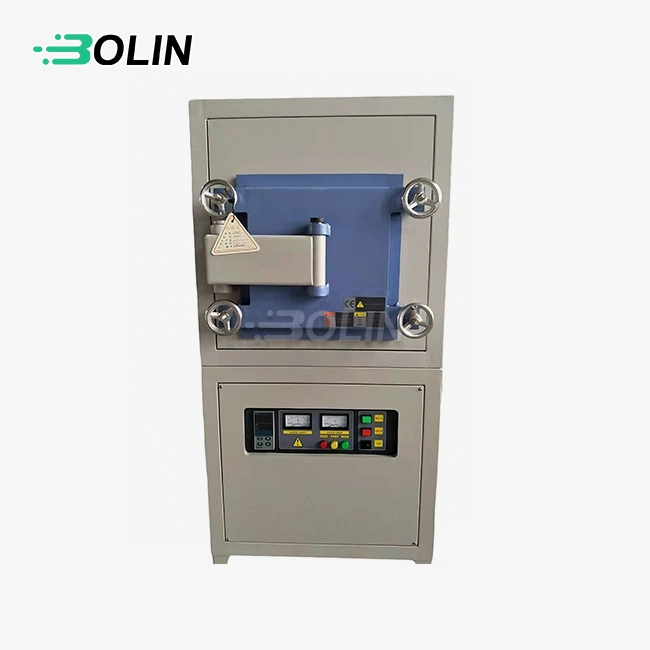
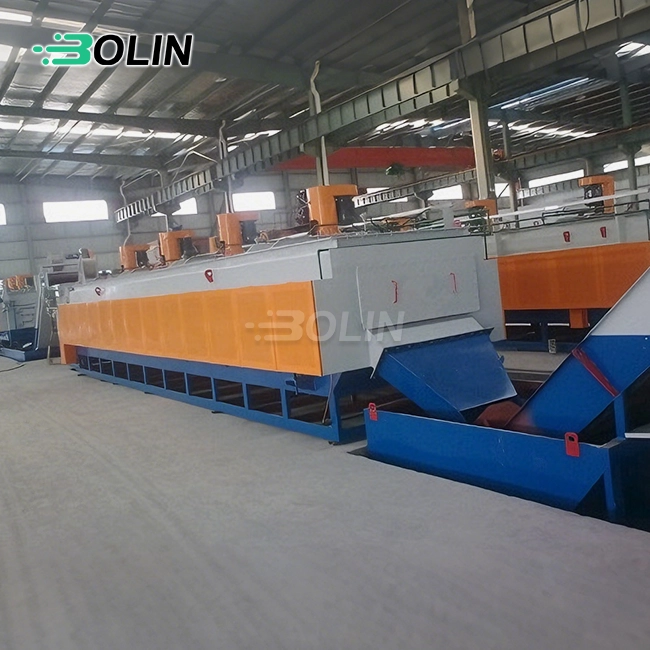
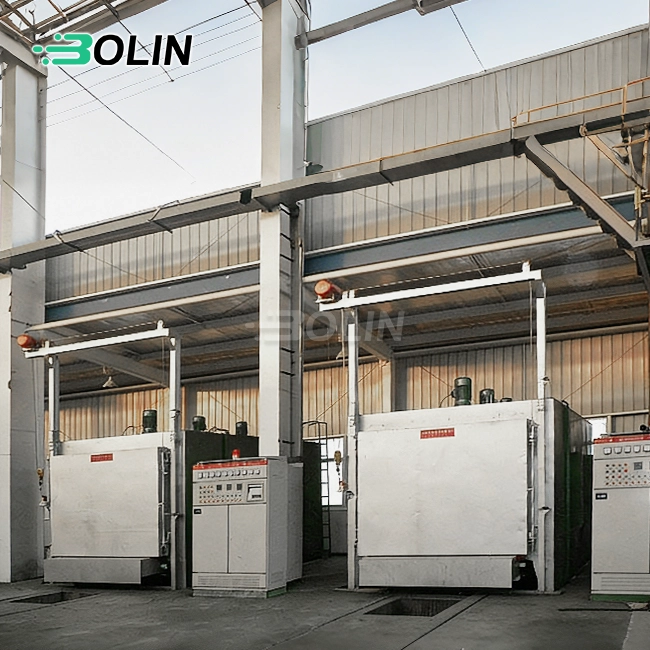
Custom furnace systems from Hebei Bolin Electric Furnace Manufacturing Co., Ltd. employ contemporary Resistance Ribbon technology for comprehensive heat treatment. Our engineers have built big pit furnaces and accurate drying systems for challenging industrial applications. We assist with design, installation, and professional support. In this manner, we can ensure your equipment satisfies process temperature requirements. We are a leading resistance ribbon supplier and provide conventional and bespoke heating element configurations with rigorous quality requirements. Contact our experts at 15720259172@163.com to learn how our unified technique can maximize thermal processing and save expenses.
References
1. Davis, J.R. (2001). Alloying: Understanding the Basics. ASM International, Materials Park, Ohio.
2. Kanthal AB (2019). Handbook of Resistance Heating Alloys and Elements. Sandvik Group Technical Publications.
3. Richardson, M.J. & Singh, V. (2018). Industrial Heat Treatment: Equipment Design and Process Optimization. Marcel Dekker Publishing.
4. American Society for Testing and Materials (2020). ASTM B344-20: Standard Specification for Nickel-Chromium and Nickel-Chromium-Iron Resistance Heating Wire. ASTM International Standards.
5. Zhang, L. & Chen, W. (2021). "Thermal Response Characteristics of Flat versus Round Heating Elements in Industrial Furnaces," Journal of Thermal Science and Engineering Applications, Vol. 13, Issue 4.
6. European Committee for Electrotechnical Standardization (2017). EN 60519-1:2017: Safety in Electroheating Installations - General Requirements. CENELEC Brussels.
Learn about our latest products and discounts through SMS or email