- English
- French
- German
- Portuguese
- Spanish
- Russian
- Japanese
- Korean
- Arabic
- Irish
- Greek
- Turkish
- Italian
- Danish
- Romanian
- Indonesian
- Czech
- Afrikaans
- Swedish
- Polish
- Basque
- Catalan
- Esperanto
- Hindi
- Lao
- Albanian
- Amharic
- Armenian
- Azerbaijani
- Belarusian
- Bengali
- Bosnian
- Bulgarian
- Cebuano
- Chichewa
- Corsican
- Croatian
- Dutch
- Estonian
- Filipino
- Finnish
- Frisian
- Galician
- Georgian
- Gujarati
- Haitian
- Hausa
- Hawaiian
- Hebrew
- Hmong
- Hungarian
- Icelandic
- Igbo
- Javanese
- Kannada
- Kazakh
- Khmer
- Kurdish
- Kyrgyz
- Latin
- Latvian
- Lithuanian
- Luxembou..
- Macedonian
- Malagasy
- Malay
- Malayalam
- Maltese
- Maori
- Marathi
- Mongolian
- Burmese
- Nepali
- Norwegian
- Pashto
- Persian
- Punjabi
- Serbian
- Sesotho
- Sinhala
- Slovak
- Slovenian
- Somali
- Samoan
- Scots Gaelic
- Shona
- Sindhi
- Sundanese
- Swahili
- Tajik
- Tamil
- Telugu
- Thai
- Ukrainian
- Urdu
- Uzbek
- Vietnamese
- Welsh
- Xhosa
- Yiddish
- Yoruba
- Zulu
Why Choose Gas Annealing Furnaces Over Electric Annealing Options?
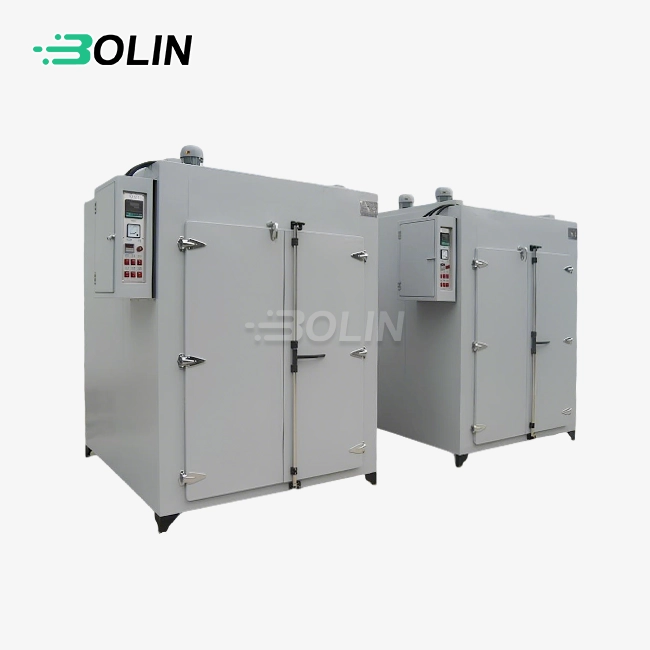
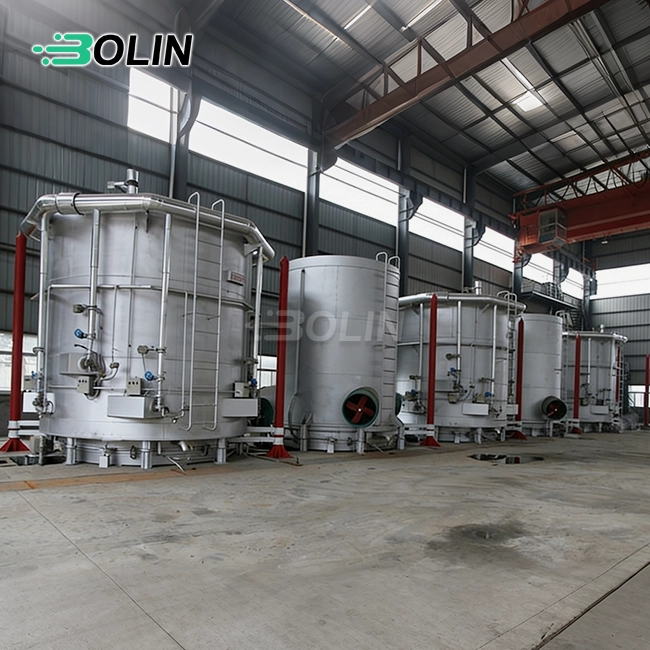
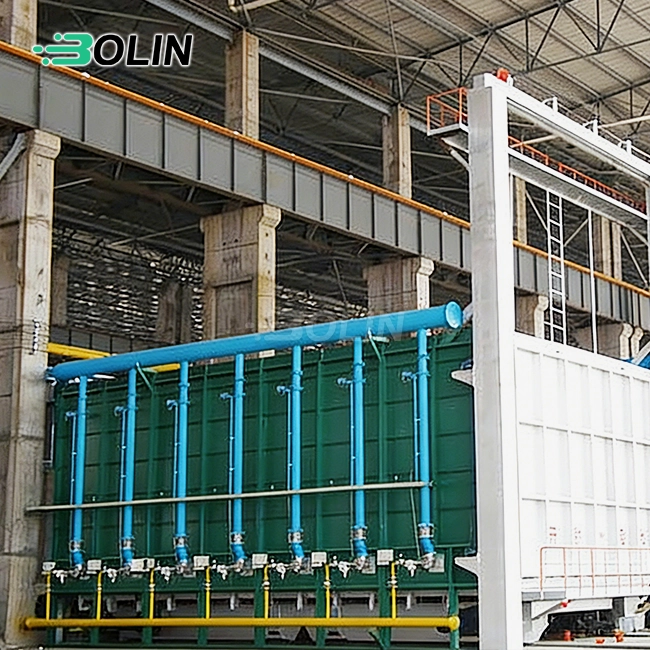
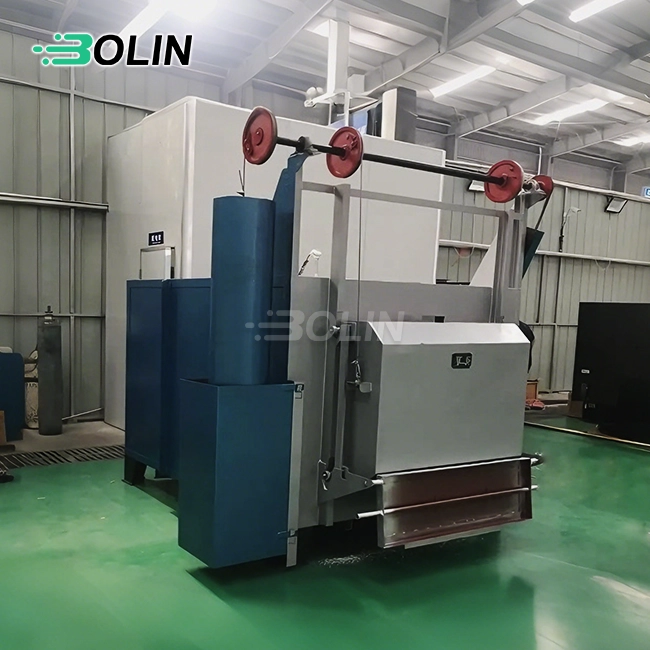
A Gas Annealing Furnace is a sensible choice for precise metallurgical control and excellent heat efficiency, affecting your bottom line and product quality. Gas-fired annealing systems heat more quickly, maintain temperature more uniformly, and cost less than electric systems. These furnaces employ natural gas, LPG, or coke oven gas to modify material properties while handling large-scale production. Gas Annealing Furnaces may use any fuel source and are reliable in heavy metal, aerospace, and automotive applications where consistent heat treatment results are needed, unlike electric systems with escalating prices and restricted capacity. Pressure is mounting on manufacturers to reduce energy usage while fulfilling AMS2750F and CQI-9 quality standards. Gas or electric heating systems affect short-term expenses and long-term profitability in marketplaces where regular temperature processing pleases customers.
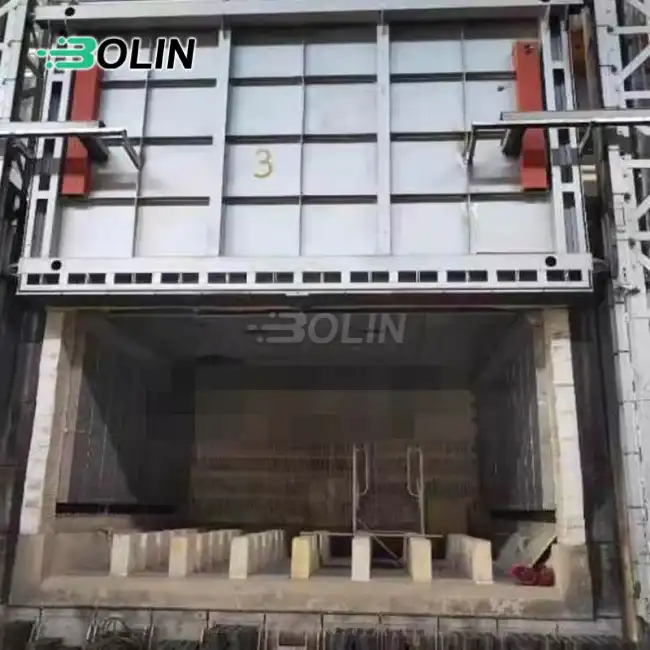
Understanding Gas Annealing Furnaces
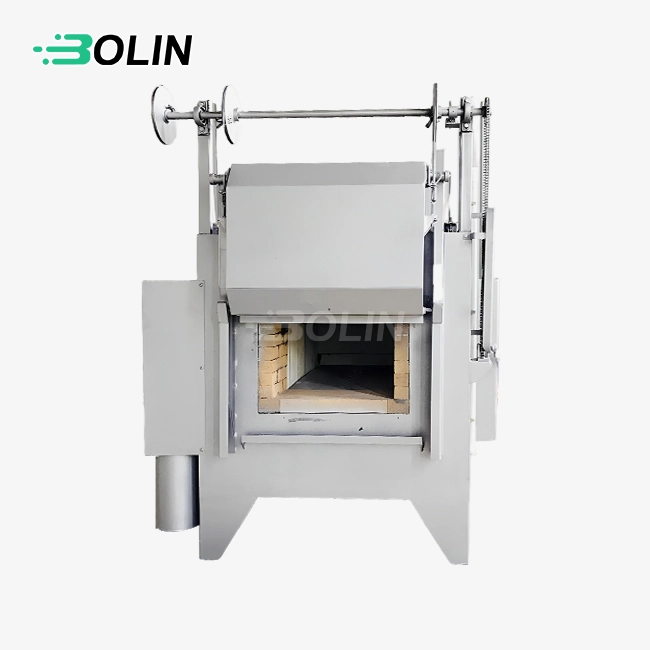
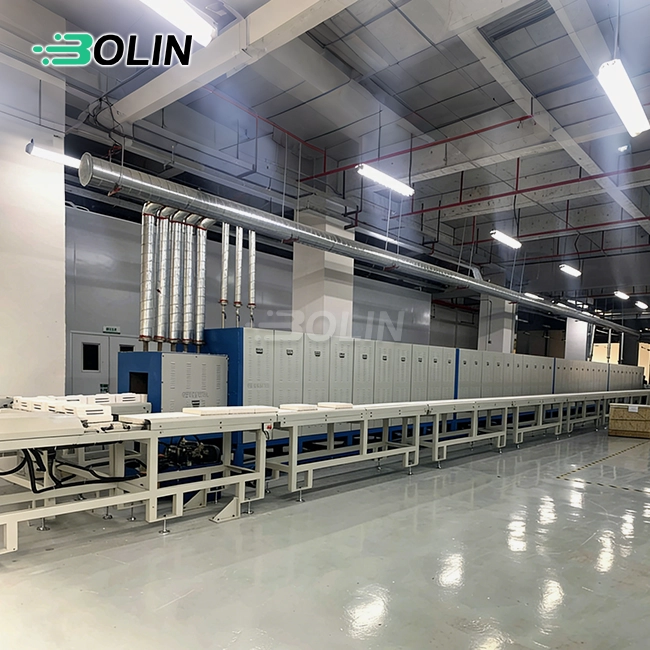
Gas Annealing Furnaces heat metals with controlled gas combustion. They accurately manage temperature and environment for steel and alloys and other industrial materials. Natural gas or hydrogen effectively heats anything between 500°C and 1150°C. However, modern systems may reach 1300°C. Industries that need high output and uniform heating prefer these burners.
How Gas-Fired Heat Treatment Systems Operate
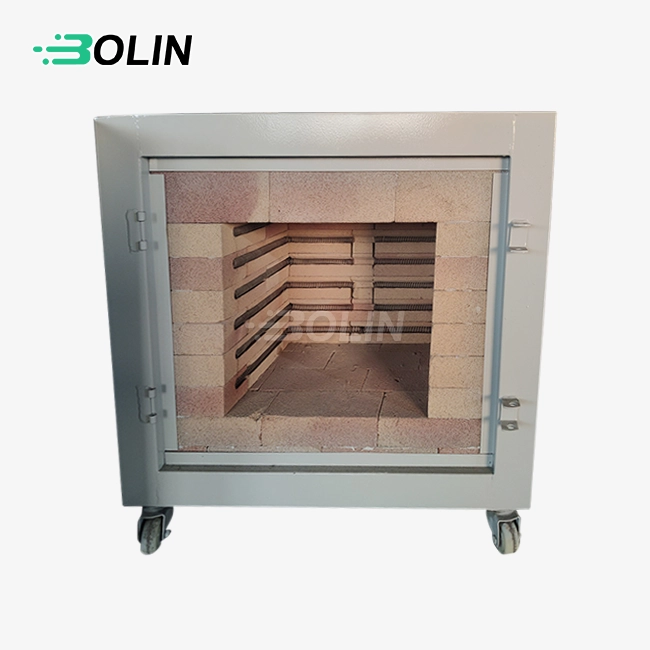
The three-step procedure completes the metallurgical process. Multi-zone burners' turbulent high-velocity flow during heating evenly heats the load. No cold patches mean no uneven treatment weakens the material. Soaking maintains items at the appropriate temperature long enough to modify their microstructure. PID control systems maintain ±5°C temperature stability. Cooling curves are tailored to your metallurgical demands via frequency-controlled fans and automated vent dampers. The composite insulation minimizes furnace wall heat loss. This reduces fuel usage and speeds up temperature recovery between rounds. New designs employ composite fiber insulating cotton, ultra-lightweight high-strength microsphere vacuum ball energy-saving bricks, and heavy-duty high-alumina bricks that last thousands of cycles.
Key Advantages in Industrial Applications
Gas-fired annealing saves energy, maintains quality, and may be utilized to create many goods. Burning generates intense, sensitive heat that varies swiftly. Workers may alter temperature profiles faster than using electric resistance heating. In brilliant annealing, environment control may prevent oxidation and decarburization, preserving the surface gloss that clients demand. Safety and maintenance are essential for long-term reliability. Modern gas annealing systems incorporate pre-purging logic, automated flame-out prevention, and high/low-pressure interlocking valves to prevent gas buildup and keep users safe throughout heating cycles.
Comparing Gas Annealing Furnaces with Electric Annealing Furnaces
Gas Annealing Furnaces and electric heating furnaces differ in how they heat, how uniformly they heat, and how they affect the environment. Resistance or induction heating in electric furnaces affects process control differently than gas furnace combustion.
Heat Generation and Energy Efficiency
Gas annealing converts chemical energy to thermal energy via combustion. This accelerates temperature increase, reducing cycle durations. Electric furnaces generate heat with resistance or induction coils. This consumes a lot of grid electricity and causes peak-hour utility prices. Industry research reveals that gas-fired systems save 30–40% on energy expenditures over electric designs. Especially where natural gas is cheap. Modern gas burners are energy-efficient and maintain temperature throughout lengthy manufacturing cycles. In contrast, electric systems lose heat when elements break down. Reusing exhaust stack heat with regenerative burner technology makes current gas annealing furnaces up to 50% more thermally efficient than previous types.
Temperature Control and Uniformity
Low fuel prices make gas heaters more consistent and cost-effective over time. Temperature discrepancies that affect completed product qualities are eliminated by the multi-zone heating system. This ensures all load sections receive the same heat treatment. Electric systems maintain temperatures well in smaller chambers but struggle in large ones with loads beyond a few tons. Gas-fired TUSs frequently meet AMS2750F requirements within 5°C, which is comparable to or better than electric heaters. When properly configured, burner systems provide chaotic high-speed flow that ensures convective heat transmission throughout the load. This eliminates radiant electric heating shadows.
Environmental Impact and Emissions
Electric solutions are fantastic since they have no on-site fumes. This makes them ideal for non-attainment zones and rigorous air quality permits. Gas combustion emits carbon dioxide, nitrogen fumes, and other pollutants that the EPA must monitor. However, modern gas annealing furnaces use lean-burn technology and waste gas recirculation to ensure fuel burns fully and limit NOx emissions. Consider where the electricity originates from when assessing the natural influence. In areas where coal-fired power plants provide most electricity, electric burners may pollute upstream more than natural gas systems that utilize less energy. High-efficiency gas annealing technology can satisfy sustainability targets and release less greenhouse emissions than power grid electric heating, according to a lifecycle carbon footprint analysis.
Cost-Benefit Analysis Across Applications
Case studies provide cost-benefit estimates based on materials and operating goals to determine which technology is best. Automotive fasteners that cold-head high-carbon steel wire benefit from gas systems' rapid heating and cooling. For aerospace component producers that need to anneal large welded structures to ease stress, car-bottom gas furnaces can sustain loads over 100 tons without compromising structural integrity. However, small-batch specialist enterprises that create tight-tolerance parts from exotic metals may favor electric resistance heating's simplicity and cleanliness. A detailed assessment of output, materials, utilities, and building construction is essential to make a decision.
Procurement Considerations for Gas Annealing Furnaces
The temperature range, atmosphere control, and compliance certificates should be considered while buying Gas Annealing Furnaces. Choosing dependable vendors with good after-sales support, warranty offerings, and fitting services may reduce risks and ensure new equipment works well with current production lines.
Critical Technical Specifications
It can process small batches and large industrial items with chamber diameters from 500mm to 50,000mm. The equipment can operate with steel, copper, and aluminum at 1300°C. Procurement teams may match heating capacity to production demands without overspending on equipment with power combinations from 5KW to 3000KW. Controlled environment characteristics that prevent surface rust are needed for brilliant annealing, where surface finish influences processing and product appearance. To protect people and structures, hydrogen, nitrogen, and dissociated ammonia atmosphere systems need safety interlocks and NFPA 86-compliant air.
Supplier Selection and Support Infrastructure
Leading furnace manufacturers provide customizable solutions for many corporate needs. These solutions range from basic components to whole systems. Zhenggang Industrial Park-based Hebei Bolin Electric Furnace Manufacturing Co., Ltd. was founded in 2022. It has swiftly become a significant heat treatment equipment manufacturer that handles R&D, design, production, processing, and engineering sales. Bolin has developed numerous abilities from years of hard work and honesty. These include creating new technologies, giving professional guidance, and building industrial boilers and heat treatment equipment. Ask potential suppliers about their expertise with similar projects and for examples from clients who create similar amounts of goods. Make sure the vendor has spare parts on hand to respond swiftly to service requirements and assist with installation and commissioning. Professionals that check your facilities and teach personnel reduce initial hazards and speed up production.
Total Cost of Ownership Analysis
For optimal planning and long-term value realization, determine the whole cost of ownership, including energy, upkeep, and downtime. Depending on local utility rates, output, and maintenance, gas and electric systems have similar initial capital costs but substantially different continuing expenses. Gas burner systems need periodic cleaning and tuning, but they don't need element replacement as often as high-temperature electric heaters. As usual, all parts should have a one-year guarantee, but for critical production lines, lengthier service agreements with preventative maintenance and priority parts replacement should be considered. On-site maintenance and equipment upgrades keep furnaces running well and ensure your investment lasts.
Optimizing Annealing Performance with Gas Furnaces
Gas Annealing Furnace results work best when temperature and environment are regulated. These jobs benefit from automation and real-time tracking. Proper furnace maintenance and energy-efficient technology can reduce fuel usage significantly while maintaining product quality.
Advanced Control Systems and Automation
Touchscreen displays on modern gas annealing furnaces make them easier to use and speed up heat treatment. Easy-to-use displays let workers inspect and alter settings, providing them with the best control over temperature, cycle periods, and gas composition. Smart technology reduces human error. This boosts large-scale manufacturing efficiency. Real-time data recording systems capture temperature profiles, atmospheric composition, and cycle variables to fulfill CQI-9 and user requirements. Production planners may improve timetables and track material history when burner control systems are integrated into plant MES platforms.
Maintenance Best Practices
Clean burner nozzles, check gas-to-air ratios, and examine flame electrodes for fuel economy and safety during routine maintenance. Strong H-section steel frames with heat-resistant cast iron hearth plates support the trolley. Over thousands of rounds, heavy-duty forged steel wheels sustain loads without deforming. In well-maintained buildings, mechanical systems endure longer than 20 years and don't break down, saving money. Insulation should be examined annually for wear and heat loss. Replacing cracked refractory materials quickly keeps the composite insulation system running and reduces heat loss and fuel expenses. Flame safety system testing ensures automated shut-off valves, furnace pressure tracking, and pre-ignition purge cycles perform as specified by NFPA 86 or EN 746.
Compliance with Safety and Environmental Standards
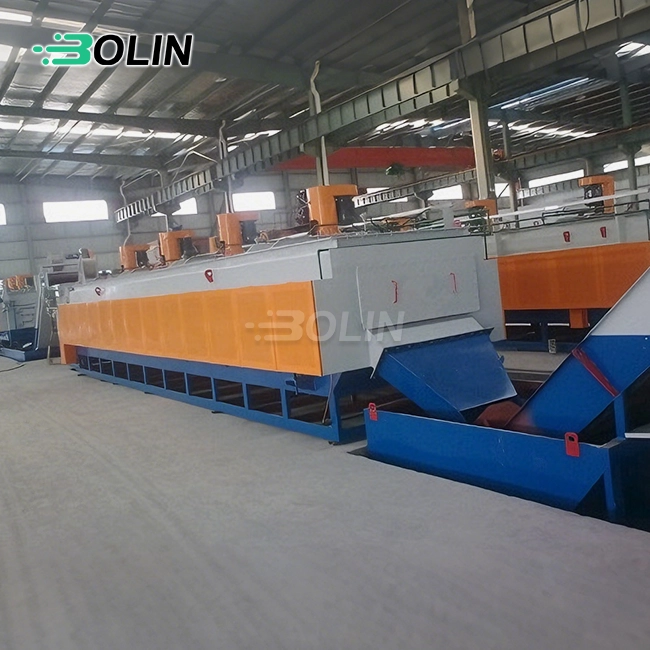
This section discusses EU and US safety and environmental regulations, reducing gas handling dangers and emissions. Every year, facilities must check for gas leaks with portable combustible gas monitors and report safety system testing. Operator training programs that encompass emergency shutdown, fire concerns, and air safety safeguard workers and ensure compliance. Industrial case studies indicate that modern gas furnaces save energy, increase process safety, and reduce environmental impact. This aligns manufacturing with global sustainability goals. Regenerative burner technology saves 25% of specific energy in heavy metallurgy factories that process bell-shaped cold-rolled stainless steel strips. Spheroidalizing anneal wire rods enhances carbide distribution uniformity, which improves cold-heading performance and equipment wear for automakers.
Conclusion
Gas Annealing Furnace technique outperforms electric solutions in operational flexibility, energy efficiency, and production scalability. In high-volume industrial applications, combustion-based heating responds fast to temperature changes, uniformly distributes loads, and has a reduced total cost of ownership. New gas stoves contain energy-efficient insulation, modern control systems, and safety measures. This helps industrial heat treaters address economic and environmental challenges. Some chores can be done cleanly and easily using electric furnaces. Gas-fired systems are superior at processing large parts, maintaining throughput, and minimizing long-term expenses. To discover the optimal procurement option for your production needs and long-term goals, consider technical specs, supplier capabilities, and overall lifetime costs.
FAQ
How does gas heating compare to electric heating for annealing?
Gas heating provides cheaper large-scale output and shorter ramp-up periods, but combustion safety systems are more difficult. Electric heating reduces on-site emissions and simplifies installation. Electric heating is more expensive and can't handle big amounts.
What gases are typically used in gas annealing furnaces?
Natural gas is still the most common fuel since it's cheap and readily available. LPG is utilized when pipes can't deliver natural gas. Hydrogen prevents oxidation during light annealing in protected atmospheres, and nitrogen renders non-iron materials inert. Dissociated ammonia creates an environment for some steels cheaply.
Can gas annealing furnaces meet automotive industry quality standards?
These furnaces fulfill CQI-9 requirements due to their high-precision PLC controls, multi-zone temperature regulation, and tight data logging. All sections in the certified working volume meet AMS2750F temperature uniformity norms, according to surveys.
What maintenance schedules should facilities implement?
The light and burner are checked daily. Weekly checks include gas flow and safety system operation. Monthly maintenance includes burner nozzle cleaning and burning analysis. Every year, the safety system, insulation, and refractory are tested and repaired to maximize performance.
Partner with Bolin for Superior Heat Treatment Solutions
For harsh industrial environments, Hebei Bolin Electric Furnace Manufacturing makes full Gas Annealing Furnace systems. Our cutting-edge thermal processing equipment meets national energy regulations and may be customized to match your production demands. With chamber diameters from 500mm to 50,000mm, temperature ranges up to 1300°C, and environmental control, this system can process several materials with 30–40% less energy than classic systems.
As a leading Gas Annealing Furnace manufacturer, we provide ODM and OEM services and experienced installation, startup, and usage support. Our experts check your building's setup and train operators. We provide a comprehensive warranty and stock spare parts for fast repair. Contact our team at 15720259172@163.com to see how our proven heat treatment alternatives may improve your manufacturing efficiency and consistency.
References
1. ASM International Handbook Committee. "Heat Treating of Steel: Annealing and Normalizing Processes." ASM Handbook Volume 4: Heat Treating. Materials Park, OH: ASM International, 2021.
2. Trinks, W., Mawhinney, M.H., Shannon, R.A., Reed, R.J., and Garvey, J.R. "Industrial Furnaces, Sixth Edition." Hoboken, NJ: John Wiley & Sons, 2019.
3. Grabke, H.J. and Schütze, M. "Oxidation of Metals and Alloys in Gas Atmospheres During Heat Treatment." Materials Science Forum, Vol. 461-464, 2004.
4. National Fire Protection Association. "NFPA 86: Standard for Ovens and Furnaces." Quincy, MA: NFPA, 2023 Edition.
5. Society of Automotive Engineers. "AMS2750F: Pyrometry Standard for Temperature Measurement in Thermal Processing." Warrendale, PA: SAE International, 2020.
6. European Industrial Gases Association. "Safe Use of Hydrogen and Nitrogen in Heat Treatment Applications." EIGA Doc 121/18, Brussels: EIGA, 2018.
Learn about our latest products and discounts through SMS or email