- English
- French
- German
- Portuguese
- Spanish
- Russian
- Japanese
- Korean
- Arabic
- Irish
- Greek
- Turkish
- Italian
- Danish
- Romanian
- Indonesian
- Czech
- Afrikaans
- Swedish
- Polish
- Basque
- Catalan
- Esperanto
- Hindi
- Lao
- Albanian
- Amharic
- Armenian
- Azerbaijani
- Belarusian
- Bengali
- Bosnian
- Bulgarian
- Cebuano
- Chichewa
- Corsican
- Croatian
- Dutch
- Estonian
- Filipino
- Finnish
- Frisian
- Galician
- Georgian
- Gujarati
- Haitian
- Hausa
- Hawaiian
- Hebrew
- Hmong
- Hungarian
- Icelandic
- Igbo
- Javanese
- Kannada
- Kazakh
- Khmer
- Kurdish
- Kyrgyz
- Latin
- Latvian
- Lithuanian
- Luxembou..
- Macedonian
- Malagasy
- Malay
- Malayalam
- Maltese
- Maori
- Marathi
- Mongolian
- Burmese
- Nepali
- Norwegian
- Pashto
- Persian
- Punjabi
- Serbian
- Sesotho
- Sinhala
- Slovak
- Slovenian
- Somali
- Samoan
- Scots Gaelic
- Shona
- Sindhi
- Sundanese
- Swahili
- Tajik
- Tamil
- Telugu
- Thai
- Ukrainian
- Urdu
- Uzbek
- Vietnamese
- Welsh
- Xhosa
- Yiddish
- Yoruba
- Zulu
What Factors Determine the Longevity of Resistance Wire?
Several factors impact resistance wire's lifespan in industrial heating. The key factor is material composition. Standard heating components withstand oxidation less than premium Nickel-Chromium and Iron-Chromium-Aluminum metals. Operating temperature, power density, and weather add stress that can accelerate or halt depreciation. The quality of installation, mechanical setup, and maintenance affects how long heating elements last. Buyers and plant engineers may make informed choices to maximize equipment uptime and minimize heat treatment system costs by understanding these elements.
Understanding Resistance Wire Longevity
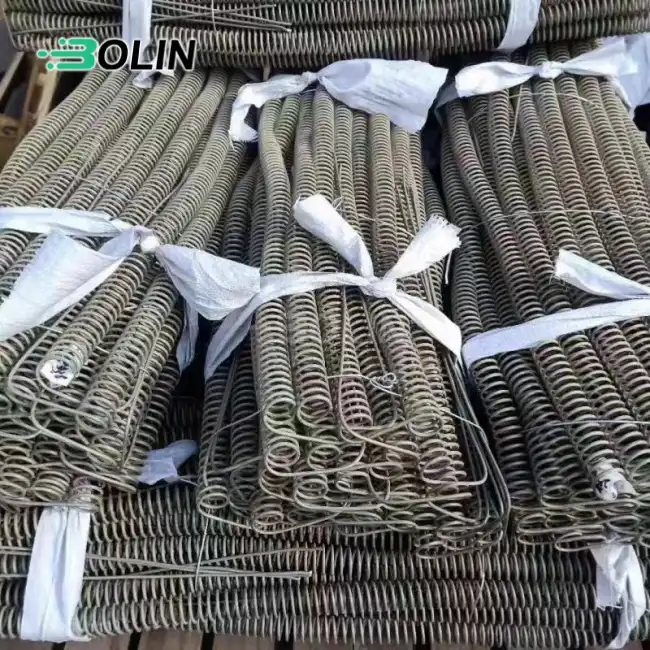
Industrial furnace heating elements use specific resistance wire alloys to convert electrical energy into heat through regulated Joule heating. Current must flow through high-resistance materials for this basic notion to function. These materials generate heat equal to their current squared and resistance. Energy conversion is enabled by physical features such as electrical resistivity (1.0-1.45 μΩ·m), thermal stability (withstands multiple heating cycles), and mechanical flexibility during installation. These qualities determine how long parts last before needing replacement.
Critical Properties That Define Durability
Heater wire electrical resistance indicates how effectively it converts electricity into heat. Materials with constant resistance at different temperatures provide constant heat. This prevents hot patches, which accelerate failure. Temperature stability prevents the metal structure from changing or growing grains after prolonged exposure to high temperatures. Installation is achievable since mechanical flexibility doesn't stress the interior, which would thermally wear weak points.
Applications Where Longevity Matters Most
Heating parts in industrial applications must perform continually in difficult conditions. Annealing ovens melt metal by heating wire coils over 1200°C. Thermal shock results from frequently switching tools between room and working temperatures. Carbon-rich air can chemically tear down weak metals in carburizing tank heating elements. Nitriding burners degrade materials in ammonia-filled areas. These demanding usages demonstrate why durability and cost must be considered while buying.
Core Factors Affecting Resistance Wire Durability
Material influences a burning element's lifespan. The composition of an alloy determines its oxidation resistance, maximal working temperature, and high-temperature mechanical strength. Manufacturing quality regulates grain structure, surface smoothness, and precision. All of these affect service life. Electrical characteristics and structural stability depend on resistance wire diameter. Larger elements are mechanically stronger but need greater voltages.
Material Composition and Alloy Quality
Premium heating wire employs well-managed alloy compositions to combine electrical and environmental resistance. Nickel-Chromium alloys typically include 80% nickel and 20% chromium. This forms a chromium oxide coating that shields the metal from atmospheric oxygen. Breaks in this passivation layer repair rapidly, safeguarding the material during thermal cycling. Iron-Chromium-Aluminum alloys can work at higher temperatures (up to 1425°C vs. 1200°C for typical Nickel-Chromium) and withstand oxidation in high-oxygen environments because they employ aluminum instead of nickel. Metal durability depends on manufacturing quality. Impurities weaken wire structure; therefore, controlled melting removes them. Correct cold-working smoothes grain structure, making it stronger and more evenly distributed electrically. To prevent premature failure from heat cycles of expansion and contraction, heat treatment evens out material stress.
Operating Conditions and Environmental Exposure
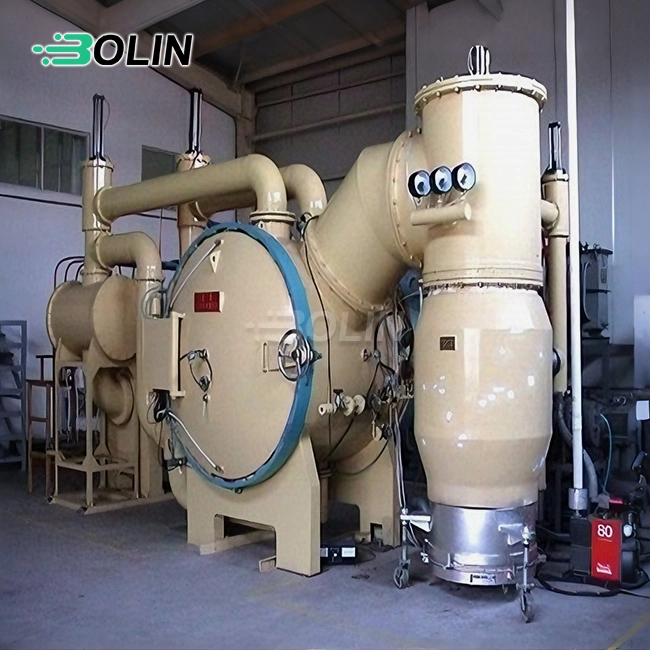
Heating parts are especially stressed by extreme temperatures. Above the specified upper temperatures, oxidation rates increase by 10, lowering wire cross-section swiftly until electrical failure. Power density, measured in watts per square centimeter of wire surface, determines heat. Going above environmental restrictions causes premature burning by overheating particular places. Environment exacerbates temperature stress. Humidity releases water vapor, which accelerates oxidation. Most important during starting and stopping procedures, when condensation occurs on element surfaces. Sulfur chemicals, chlorine, and factory fumes chemically attack protective oxide coatings, causing base metal to break down quickly. While vacuum conditions don't produce oxidation, they make heat escape harder; therefore, careful power density estimations are essential to avoid overheating.
Mechanical Stresses and Installation Quality
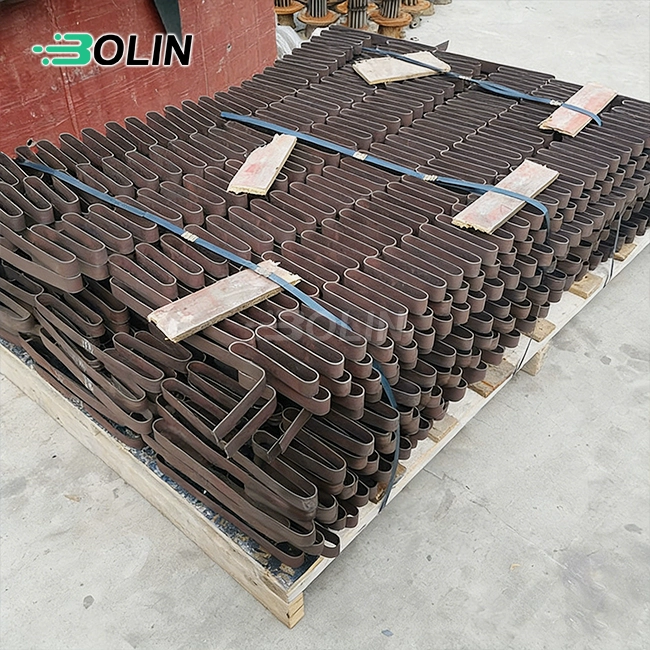
How the heating element is fitted affects its lifespan. Sharp bends cause stress concentrations that fail when temperature changes. Overstretching reduces wire diameter, increasing current density and hot spots during coil wrapping. At high temperatures, gravity can cause coils to droop and contact furnace walls or other parts if support spacing is incorrect. Mounting techniques must enable heat growth without mechanical stress. Correctly designed element supports allow axial movement but not laterality. Compatible shielding materials prevent electricity flow without fouling wire surfaces. Terminal connections need adequate contact area to avoid overheating, which is an issue in poorly constructed systems.
Comparison of Resistance Wire Types in Terms of Longevity
Distinct alloy groups have distinct performance attributes that determine how long resistance wire lasts in given operating conditions. Understanding these distinctions helps you pick the right material for your application and weather.
Nickel-Chromium Versus Iron-Chromium-Aluminum Alloys
Nickel-Chromium metals can work in air and mildly decreasing atmospheres up to 1200°C. The protective chromium oxide coating resists corrosion well in industrial applications. Straight element combinations don't droop since these metals retain mechanical strength at high temperatures. Nickel-Chromium is excellent for moderate-temperature usage that balances cost and service life. Iron-Chromium-Aluminum metals can work at 1425°C, while Nickel-Chromium can't. Aluminum forms a solid oxide layer that can withstand high oxygen and sulfur gases better than chromium oxide alone. Due to their high strength and low oxidation, Iron-Chromium-Aluminum elements endure longer than Nickel-Chromium at the same temperatures. Iron-Chromium-Aluminum weakens with prolonged exposure to high temperatures; thus, it must be treated carefully during maintenance.
Specialized Alloys for Extreme Conditions
Kanthal, an iron-chromium-aluminum combination, is the industry standard for high-temperature heating parts. The designed alloy composition provides the highest oxidation resistance and thermal stability. It consistently outperforms standard materials in live testing. Low-pressure volatiles are removed using vacuum-grade metals. This stabilizes the wire in vacuum furnaces and atmosphere-control systems for lengthy durations.
Procurement Considerations for Maximizing Longevity
More than price comparisons are needed to pick long-lasting resistance wire parts. Long-term value and practical uptime depend on supplier reliability, product quality, and technical support.
Evaluating Supplier Quality and Certification
Reputable manufacturers have stringent quality control systems confirmed by foreign certificates. ASTM B603 certifies Nickel-Chromium alloys that fulfill chemical composition tolerances and mechanical qualities. DIN 17470 certifies surface quality and measurement accuracy. JIS C2520 compliance proves you follow Japanese heating wire industry standards. These certificates demonstrate consistent production, predicting field success. Supplier datasheets reveal key performance characteristics that indicate product suitability. Electrical resistance levels indicate material consistency and quality. Maximum operating temperature ratings provide the safest working limits to prevent premature failure. Surface lifting rules specify safe power density for different weather conditions. Tests demonstrate the device worked effectively under controlled settings, supporting the manufacturer.
Customization Capabilities and Technical Support
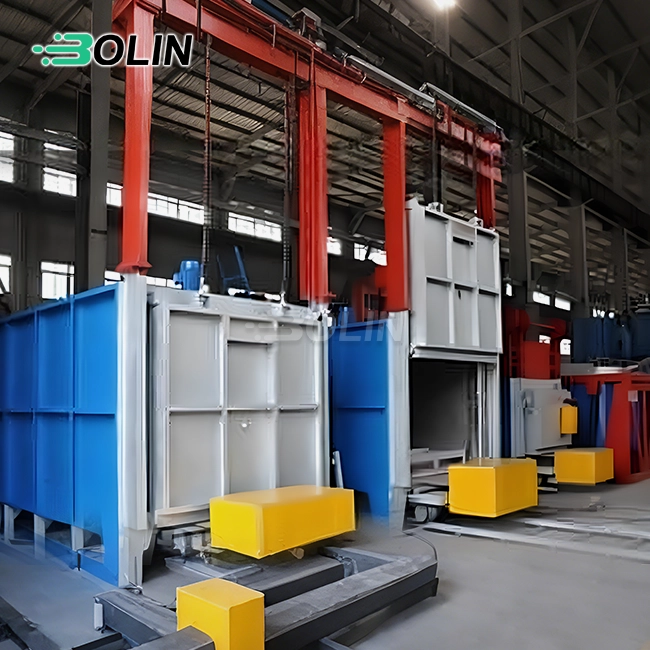
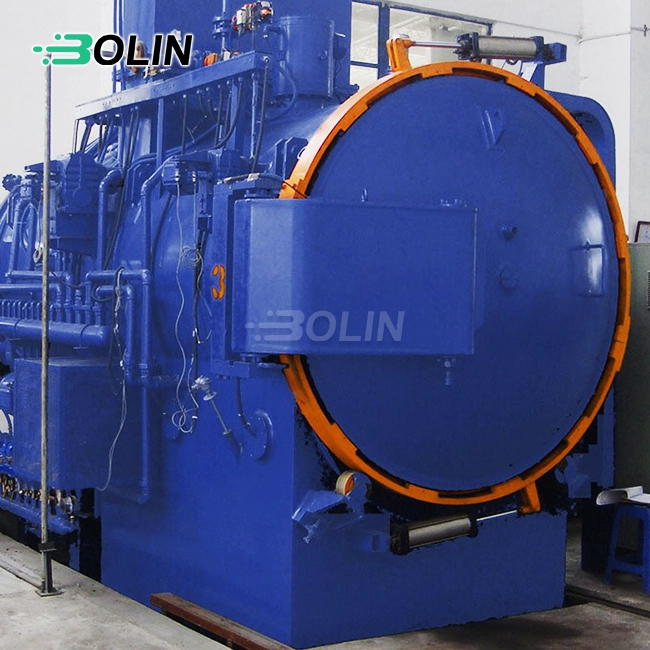
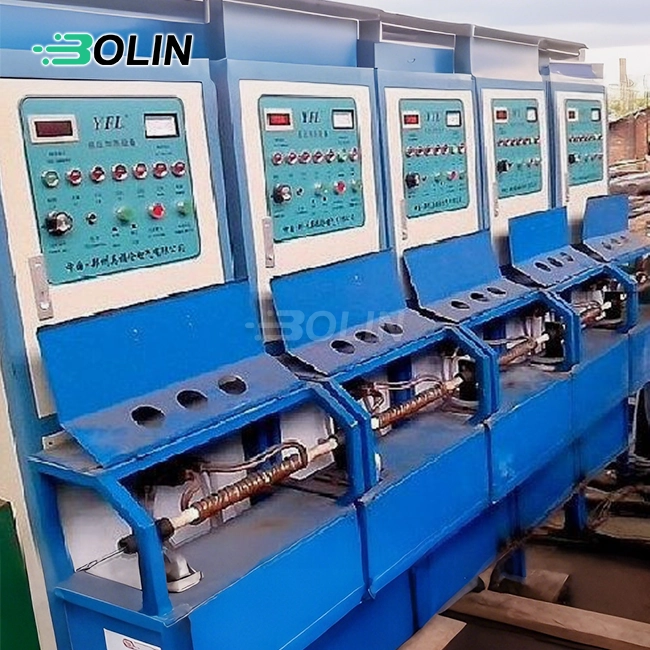
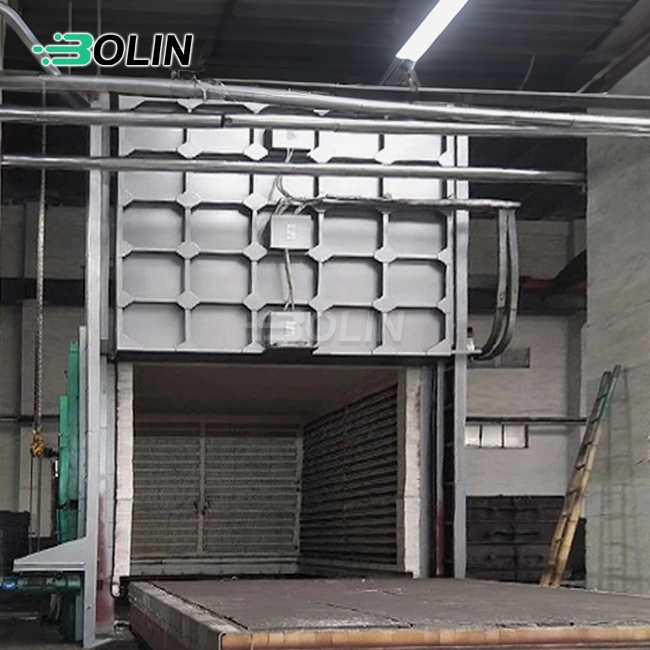
Complex heat treatment systems require room-specific heating elements. A provider with an engineering staff may create coil settings that disperse heat evenly and increase element life. Technical support teams determine surface loads, evaluate environments for compatibility, and provide startup instructions to prevent service life-reducing blunders. At Bolin, we recognize that heating element lifespan affects performance and maintenance costs. Our technical team has decades of expertise producing integrated heat treatment systems that fulfill demanding industrial operation requirements for heating wire performance. We manufacture complete furnace systems, including annealing, tempering, carburizing, and nitriding. We can now comprehend how heating elements are used in real life.
Best Practices to Extend the Life of Resistance Wire
Choose high-quality materials, but do more to prolong resistance wire element life. The optimum installation, system operation, and preventative maintenance will preserve your investment throughout its life.
Installation and Handling Procedures
Be careful during installation to avoid element damage. Avoid steep bends that stress the structure; follow the manufacturer's minimum bend radius. Support spacing must balance mechanical stability and thermal development. Too much restriction stresses the circuit when heated, while too little support lets elements contact and short the circuit. Terminal linkages concentrate power and heat the region surrounding them, requiring particular attention. Check element terminals and power supply lines for contact surface area. Use connection hardware that matches the heating wire's thermal expansion coefficient to prevent loosening during thermal cycling. In high-temperature circumstances, use anti-oxidation chemicals on connecting surfaces to maintain contact resistance low for device life.
Operational Monitoring and Maintenance
Regular resistance measurements can detect slow-breaking wires before they break. Set the standard resistance values when the system is installed and track changes during routine maintenance. Resistance increases of 10-15% above baseline indicate oxidation and a decreased cross-sectional area. This signifies the element is nearing its end of life and should be changed during planned breaks, not emergencies. Visual examinations indicate bodily alterations that anticipate working difficulties or failures. Find one bright spot during operation. Hot spots result from unequal current distribution or wire breakdown. Check for sagging or deformation, which may indicate a high operating temperature or poor support. Watch oxide scale formation. A consistent, connected scale indicates typical age, whereas flaking or spalling indicates air contamination or an excessive temperature.
Environmental controls slow heating part breakdown. Electrical heating or a modest amount of positive pressure from dry nitrogen during furnace downtime can keep the space above the dew point. To remove chlorine, sulfur compounds, and other contaminants that degrade protective oxide layers, manage process gas quality. Install filters to remove particles before they rust hot parts.
Operational Parameter Optimization
Long-term heating element maintenance extends their lifespan. Stay below maximum temps. A component's lifespan is generally doubled at 95% of its specified maximum temperature. Limit heating and cooling at startup and shutdown to minimize temperature shock. Tune temperature settings to minimize overshoot during first heating. Power density control stops localized burning, accelerating failure. Use wire width, coil form, and oven environment to calculate surface loading. Keep real-world operating circumstances within manufacturing tolerances. For frequent temperature changes, drop surface loading by 20–30% below its maximum rate to account for increased stress from stretching and shrinking.
Conclusion
Choosing the correct material, operating circumstances, fitting quality, and maintenance practices impact resistance wire element lifespan. Premium metals withstand oxidation and high temperatures due to their composition. Correct wire diameter and surface loading prevent operational stress that accelerates deterioration. Furnace design and process control must be rigorous because frequent temperature variations, air pollution, and high or low humidity affect service life. Strategic buying decisions that prioritize source quality and certification over initial cost reduce downtime and maintenance costs, improving long-term value. Best practices for installation, operation, and preventative maintenance maximize heating element and heat treatment equipment ROI.
FAQ
How do I calculate the expected lifespan of heating elements in my furnace?
Its lifespan relies on operational temperature, power efficiency, and weather. When employed at 95% of their maximum rated temperature in air, Nickel-Chromium metals survive 15,000–20,000 hours. Heat reduces service life—50°C above optimal temperatures halves service life. Corrosive conditions, temperature cycles, and power density influence longevity. Manufacturers estimate product lifespan based on operating circumstances. For application-specific guidance, consult technical datasheets or engineering support.
Can I repair damaged heating elements or must I replace them entirely?
Heating wire doesn't normally repair itself. Welding and splicing induce metallurgical changes and stress concentrations that cause new failure spots. The injured section burns unevenly and breaks faster than the surrounding material due to its varied electrical and thermal characteristics. The only practical alternative to maintain system reliability and minimize unscheduled downtime is replacement. If resistance or direct inspections indicate an element is nearing its end of life, replace it as part of regular maintenance.
What maintenance schedule should I implement to maximize heating element life?
Check eyes every three months during planned breaks for physical deterioration, sagging, or atypical oxide development. Compare electrical resistance to system startup figures annually. If the rise exceeds 10%, take action and prepare to change the element. Hot regions stay clean when furnace chambers are cleaned routinely. Verify that temperature controls and other safety mechanisms prevent overheating. Record everything you notice to develop trending data for predictive maintenance instead of rapid failure response.
Partner with Bolin for Long-Lasting Heat Treatment Solutions
To prolong the life of resistance wire for sale, you must understand material science, thermal engineering, and manufacturing. Bolin provides complete heat treatment systems that optimize every item, from wire specification to control system settings, to last longer and require less maintenance. Our whole furnace manufacturing lines employ high-quality Nickel-Chromium and Iron-Chromium-Aluminum heating elements that meet ASTM, DIN, and JIS requirements. These devices can withstand electrical resistivity values of 1.0 to 1.45 μΩ·m and achieve temperatures of 1425°C. You can receive technical advice from a resistance wire source that knows the full thermal processing system to avoid typical installation problems and rapid element deterioration. Contact our professional team at 15720259172@163.com to learn how our unique heat treatment solutions can reduce upkeep costs and standardize manufacturing procedures.
References
1. Anderson, J.M., & Williams, R.K. (2021). High-Temperature Alloy Performance in Industrial Heating Applications. Materials Science Press, pp. 145-178.
2. Chen, W., & Peterson, D.L. (2020). "Oxidation Mechanisms and Service Life Prediction for Nickel-Chromium Heating Elements," Journal of Thermal Processing Technology, Vol. 34, No. 3, pp. 267-289.
3. Harrison, T.R. (2022). Industrial Furnace Design and Heating Element Selection. Engineering Solutions Publishing, Chapter 7.
4. Martinez, S.A., Thompson, K.J., & Liu, H. (2019). "Comparative Analysis of FeCrAl and NiCr Heating Elements Under Extreme Operating Conditions," International Journal of Heat Treatment Engineering, Vol. 41, No. 2, pp. 112-134.
5. Nakamura, Y., & Schmidt, P.W. (2023). Thermal System Longevity: Factors Affecting Heating Element Performance. Technical Publishing Group, pp. 89-116.
6. Wilson, M.E. (2021). "Best Practices for Heating Element Installation and Maintenance in Production Environments," Heat Treatment Today, Vol. 28, No. 4, pp. 45-62.
Learn about our latest products and discounts through SMS or email