- English
- French
- German
- Portuguese
- Spanish
- Russian
- Japanese
- Korean
- Arabic
- Irish
- Greek
- Turkish
- Italian
- Danish
- Romanian
- Indonesian
- Czech
- Afrikaans
- Swedish
- Polish
- Basque
- Catalan
- Esperanto
- Hindi
- Lao
- Albanian
- Amharic
- Armenian
- Azerbaijani
- Belarusian
- Bengali
- Bosnian
- Bulgarian
- Cebuano
- Chichewa
- Corsican
- Croatian
- Dutch
- Estonian
- Filipino
- Finnish
- Frisian
- Galician
- Georgian
- Gujarati
- Haitian
- Hausa
- Hawaiian
- Hebrew
- Hmong
- Hungarian
- Icelandic
- Igbo
- Javanese
- Kannada
- Kazakh
- Khmer
- Kurdish
- Kyrgyz
- Latin
- Latvian
- Lithuanian
- Luxembou..
- Macedonian
- Malagasy
- Malay
- Malayalam
- Maltese
- Maori
- Marathi
- Mongolian
- Burmese
- Nepali
- Norwegian
- Pashto
- Persian
- Punjabi
- Serbian
- Sesotho
- Sinhala
- Slovak
- Slovenian
- Somali
- Samoan
- Scots Gaelic
- Shona
- Sindhi
- Sundanese
- Swahili
- Tajik
- Tamil
- Telugu
- Thai
- Ukrainian
- Urdu
- Uzbek
- Vietnamese
- Welsh
- Xhosa
- Yiddish
- Yoruba
- Zulu
How Do Refractory Bricks Impact Industrial Furnace Safety Standards?
Refractory Bricks provide thermal protection, structural stability, and chemical resistance at high temperatures. These innovative materials prevent catastrophic breakdowns, conserve energy, and protect humans in perilous circumstances. High-quality refractory linings don't react with acidic atmospheres, hold their form when temperatures vary, and provide constant working conditions to fulfill industrial safety regulations. When chosen and placed properly, refractory bricks protect against burner malfunctions, thermal runaway, and contamination that endanger workers and production.
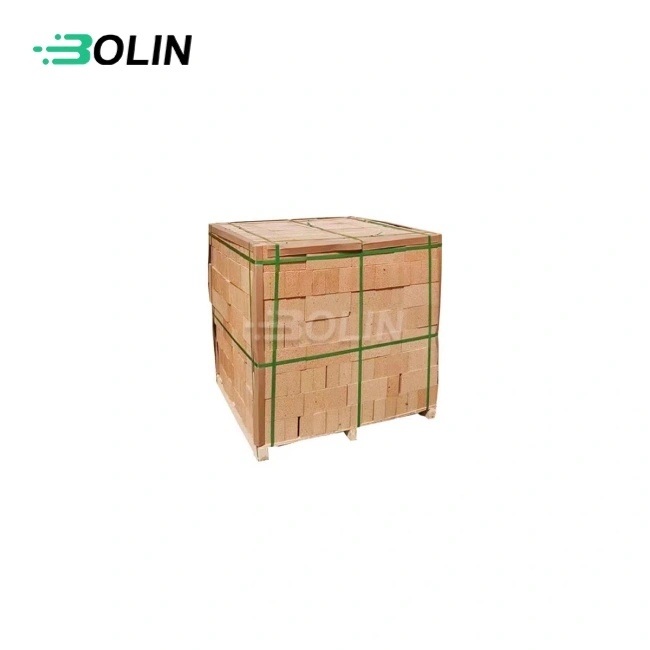
Understanding Refractory Bricks and Their Role in Industrial Furnaces
Composition and Manufacturing Fundamentals
Engineered clay Refractory Bricks can withstand temperatures beyond 1,500°C without losing structure. Starting with carefully selected raw ingredients including alumina, silica, magnesia, and fire clay, production begins. These materials determine product performance. Materials are meticulously combined, molded, dried, and burned at high temperatures multiple times during manufacture. The sturdy framework essential for thermal stability is created. Chemical composition directly affects load-bearing capability. Higher-alumina fire clays with 60–90% aluminum oxide withstand heat better.
Essential Physical and Thermal Properties
Refractory materials are safe due to several factors. Heat flows through the lining according to its thermal conductivity. Better insulation and lower shell temperature with fewer numbers. Mechanical strength prevents lining cracking from static loads or dynamic forces like charging or heat expansion. Heated metals, slags, or process gases react with chemical inertness to destroy the covering and let pollutants in. When porosity is below 15%, less water is absorbed, and the material can endure unexpected temperature fluctuations. Together, these features provide a barrier that keeps furnace workers safe in many demanding industrial environments.
Common Types and Classification Systems
Industrial purchasers of refractory materials encounter several categorization schemes. High-alumina bricks are ideal for heavy-duty applications and acidic slag resistance. They suit steel ladles and electric arc furnace roofs. Silica bricks are good in acidic settings but bad in alkaline ones. This limits their application to glass melting and coke ovens. Alkaline cement kilns and basic oxygen furnaces can use magnesium products instead of alumina-silicate, which calcium and alkali chemicals would destroy. In temperate climates and as backup linings, fire clay bricks are cost-effective.
How Refractory Bricks Influence Furnace Safety Standards: A Risk Aversion Approach
Critical Safety Hazards from Substandard Linings
Linings manufactured poorly provide major safety issues. Furnace workers face considerable dangers when insufficient refractory materials jeopardize lining integrity. Thermal shock occurs when bricks can't sustain abrupt temperature fluctuations. This spreads fractures until entire portions collapse into the furnace room. This structural weakness puts steel plates directly in contact with flames, which can cause enormous holes and molten metal leaks. Degraded insulation allows heat escape through furnace walls, causing operators to consume more fuel and raising shell temperatures to unsafe levels. Worn bricks can pollute the process stream, degrade product quality, and trigger chemical reactions that produce harmful gases or unstable chemicals.
Risk Mitigation Through Superior Material Performance
Good refractory linings mitigate these dangers in several ways. External surfaces are kept safe below 80°C by better thermal shielding. This protects maintenance workers and surrounding structures from fires. Even when molten materials and thermal expansion forces work on the lining, mechanical strength maintains its form. This eliminates vacant spaces where liquid metal may generate explosive steam. Chemical resistance protects bricks against aggressive slags, metal vapors, and combustion gases. This prevents irregular failures and emergency shutdowns due to wear.
Installation and Maintenance Protocol Impact
Even high-quality refractory materials degrade quickly if not properly installed and maintained. Our experts emphasize initial rules at Hebei Bolin Electric Furnace Manufacturing. Controlled heat-up curves prevent moisture-induced steam pressure from blowing out new linings before service temperatures. Thermal growth is possible without breaking bricks because of the expansion joints' shape. Regular infrared thermography examinations can find and rectify local liner damage hot spots before they break and cause downtime. A steel producer extended a campaign from eight to fourteen months by inspecting every three months and scheduling maintenance during production pauses.
Comparing Refractory Brick Types and Solutions for Industrial Furnace Safety
Fire Bricks Versus High-Performance Refractory Grades
"Fire bricks" are clay-based products used in fireplaces at home or light industrial heating below 1,200°C. About 30–40% of these solids are alumina, while the rest are silica and impurities. Industrial Refractory Bricks are designed for tough conditions. High-alumina compositions exhibit refractoriness over 1,750°C and load-softening temperatures 300–400°C greater than fire clay. Specialized refractories can safely handle molten metal at 1,600°C, unlike conventional fire bricks, which break fast. This is vital for producing steel.
High-Alumina and Silica Brick Performance Comparison
Steelmakers compare high-alumina and silica burner zones. High-alumina bricks are sturdy and temperature-resistant. Because they can endure electrode arc radiation and molten metal, they are perfect for electric arc furnace sidewalls. Due to its low creep rate, solid alumina phase dimensions remain precise for six to twelve months. Alumina-based products would dissolve in acidic glass melts and pollute the resulting glass. These circumstances favor silica bricks. Glass producers claim silica crown linings in regenerative tank furnaces last over five years when built correctly but barely eighteen months when alumina-silicate substitutes are applied poorly.
Sector-Specific Selection Criteria
Different industries prioritize brick features based on process demands. Cement kiln operators use magnesium and chromium for sections that catch fire when rotating mechanical stress meets a powerful alkali vapor attack at 1,450°C. Chromium oxide adds heat shock resistance during emergency pauses, and magnesium neutralizes acidic contaminants in raw grain feed. Petrochemical facilities use high-alumina, low-iron fluid catalytic cracker linings. Iron damages costly catalysts and reduces conversion efficiency. Our experience of integrated thermal systems allows us to match lining materials with burner settings, cooling circuits, and control tactics to create refractory solutions for any demand.
Procurement Considerations for High-Safety Refractory Bricks
Supplier Evaluation and Quality Verification
Global procurement teams must navigate complex supplier ecosystems to source safe refractory goods that always exceed safety criteria. Reputable organizations update their ISO 9001 quality management accreditation and provide product data sheets that identify chemicals, physical attributes, and performance test results. Customers from similar apps can tell you how long a service lasts and how fast technical support replies. Brand reputation matters because credible merchants invest in quality control measures to eliminate batch-to-batch differences. Dishonest sellers may utilize cheaper raw materials to minimize prices without notifying you about safety issues.
Pricing Dynamics and Logistics Planning
You must compare the immediate price of Refractory Bricks to the long-term cost of ownership. Small quantities cost two to three times more than container-load savings. Smart inventory planning is important for organizations that know how much they'll use. Custom forms created in small quantities take forty days, whereas regional store-stocked standard grades take ten days. Minimum order numbers demonstrate product efficiency. Buying many tons to set up a particular recipe is frequent. We store popular high-alumina and magnesia grades so we can swiftly address unexpected demands and give low costs on scheduled projects.
Quality Assurance and Technical Support Requirements
Successful refractory sourcing goes beyond buying materials. It also offers several support services to ensure proper use. Make sure dealers provide compliance certificates for refractory materials that meet ASTM criteria. Request complete installation instructions, including joint construction, mortar selection, and anchoring system selection. Our technical specialists collaborate with your maintenance teams to keep temperature ramp rates safe during heat-up operations during on-site operational support. Prevents moisture damage and thermal stress cracking. Our one-year guarantee covers serious issues, and lengthier service agreements allow you access to our furnace engineering staff to resolve performance issues or plan refractory technology upgrades.
Future Trends Enhancing the Safety and Efficiency of Refractory Bricks in Industrial Furnaces
Advanced Material Development
Research institutes and specialist companies are developing high-performance refractory materials. Zirconium-hafnium ceramics may be employed at temperatures near 2,000°C. This improves burning efficiency and equipment output. Chromium-containing compounds are hard to remove from the environment, yet eco-friendly binders fulfill tougher regulations without sacrificing high-temperature stability. Nanomaterials make the material denser and less porous, improving its thermal shock response and mission life in temperature-changing environments.
Digital Monitoring and Predictive Maintenance Integration
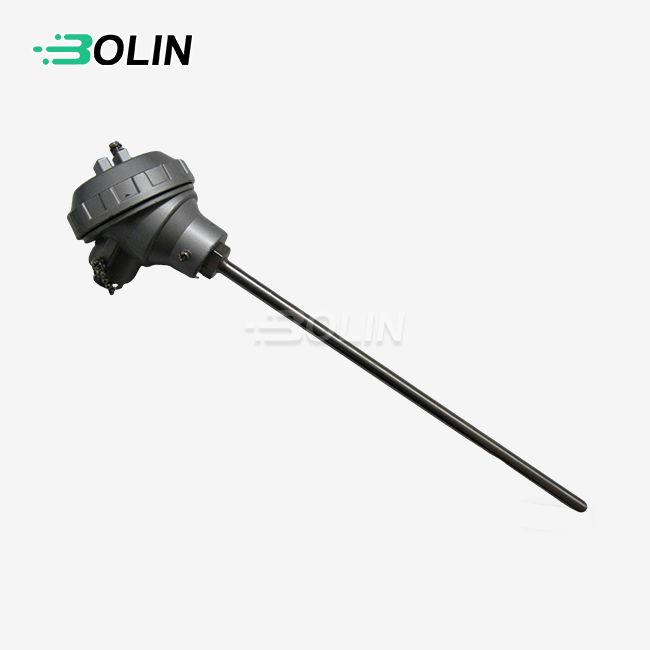
Integrating monitors is a novel heating safety solution. Thermocouple arrays at varying depths in refractory linings provide real-time temperature profiles that reveal wear trends before tests. Wires that pass through expanding and contracting furnace shells can fail. These issues don't affect wireless sensor networks. Predictive maintenance methods use weather trends to predict lining lifespans more accurately than regular replacements. This helps them choose when to change something to avoid production delays. Our bespoke furnace designs include sensor integration because data-driven maintenance techniques make industrial manufacturing clients' operations safer and cheaper.
Strategic Recommendations for Industrial Buyers
Future-focused procurement teams should apply many strategies to maximize emerging refractory technologies. Working with merchants that invest in R&D rather than merely reselling conventional things will allow you to acquire performance enhancements as soon as they're ready. Before relining, test new materials in non-critical furnace zones to verify performance promises. Install condition tracking devices to get operational data to pick materials and plan maintenance. These preventative measures extend equipment life, reduce downtime, and improve energy efficiency, protecting thermal processing infrastructure for the future.
Conclusion
Refractory Bricks must retain heat, strengthen the structure, and combat chemicals under difficult conditions to keep an industrial furnace safe. Selecting the correct materials maintains manufacturing quality, prevents catastrophic failures, and protects workers from heat dangers. Procurement teams should evaluate providers based on quality certifications, professional support, and prior performance, not simply material prices. Next-generation technology like improved ceramics and computerized tracking systems can boost safety for organizations willing to invest. This study recommends comparing high-temperature thermal processing facilities' refractory needs and maintenance approaches.
FAQ
What temperature range can industrial refractory bricks withstand safely?
Normal fire clay bricks can survive 1,200°C, whereas high-alumina bricks can endure 1,750°C. Specialized magnesia and silica grades can reach 1,850°C for particular purposes. Load-softening temperature, which indicates when bricks lose form under pressure, is a better safety measure than maximum usage temperature. The structure of our high-alumina grades remains sturdy during steelmaking and glass melting because they can withstand stress beyond 1,500°C.
How often should refractory linings be inspected for safety compliance?
How often you inspect depends on the work's difficulty and substance. Continuous steel production furnaces should have infrared thermography inspections every three months to detect hot patches that may indicate liner deterioration. Annual shutdowns should inspect all surfaces and quantify their thickness in designated areas. Cement kilns get thorough refractory status examinations every other year during maintenance breaks. We recommend obtaining standard measurements during commissioning and tracking wear rates to create appropriate replacement schedules that meet your particular operating conditions.
Can damaged refractory bricks be repaired or must entire sections be replaced?
Casting refractory materials or replacing bricks and bonding them with high-temperature binders can repair less than 15% of a furnace zone. Safe usage requires replacing the entire piece if it has major cracks, erosion that takes more than 30% of the original width, or structural movement that demonstrates foundation settling. Our experts analyze damage patterns to determine if repairs will extend an item's life or if it should be replaced. A good damage evaluation prevents premature replacement and money-wasting repairs to worn-out linings with quality Refractory Bricks.
Partner with Bolin for Reliable Refractory Solutions and Complete Thermal Systems
Refractory linings from Hebei Bolin Electric Furnace Manufacturing perform well with burner settings, cooling circuits, and automated controls. Since opening at Zhenggang Industrial Park in 2022, we've employed materials science and thermal engineering to create distinctive solutions for the steel, glass, cement, and petrochemical sectors. Send your furnace designs and operation details to 15720259172@163.com, and our experts will provide unique Refractory Bricks for sale and grade suggestions. Our ODM and OEM services can adapt to local laws and specific designs while maintaining manufacturing wait times between 10 and 40 days, depending on project complexity. As refractory brick sellers and furnace builders, we have unique insights on liner integration that material vendors can't match.
References
1. Routschka, G., and Wuthnow, H. (2008). Pocket Manual Refractory Materials: Design, Properties, Testing. Vulkan-Verlag GmbH, Essen, Germany.
2. Schacht, C. (2004). Refractories Handbook. Marcel Dekker, New York, USA.
3. American Society for Testing and Materials (2019). ASTM C71-19: Standard Terminology Relating to Refractories. ASTM International, West Conshohocken, Pennsylvania.
4. Lee, W.E., and Zhang, S. (1999). "Melt Corrosion of Oxide and Oxide-Carbon Refractories." International Materials Reviews, Volume 44, Issue 3, pp. 77-104.
5. Cooper, R.F., and Kingery, W.D. (1987). "Dissolution in Ceramic Systems: Molecular Mechanisms in Alumina." Journal of Materials Science, Volume 22, pp. 2968-2976.
6. Harbison-Walker Refractories Company (2005). Handbook of Refractory Practice. Pittsburgh, Pennsylvania, USA.
Learn about our latest products and discounts through SMS or email