- English
- French
- German
- Portuguese
- Spanish
- Russian
- Japanese
- Korean
- Arabic
- Irish
- Greek
- Turkish
- Italian
- Danish
- Romanian
- Indonesian
- Czech
- Afrikaans
- Swedish
- Polish
- Basque
- Catalan
- Esperanto
- Hindi
- Lao
- Albanian
- Amharic
- Armenian
- Azerbaijani
- Belarusian
- Bengali
- Bosnian
- Bulgarian
- Cebuano
- Chichewa
- Corsican
- Croatian
- Dutch
- Estonian
- Filipino
- Finnish
- Frisian
- Galician
- Georgian
- Gujarati
- Haitian
- Hausa
- Hawaiian
- Hebrew
- Hmong
- Hungarian
- Icelandic
- Igbo
- Javanese
- Kannada
- Kazakh
- Khmer
- Kurdish
- Kyrgyz
- Latin
- Latvian
- Lithuanian
- Luxembou..
- Macedonian
- Malagasy
- Malay
- Malayalam
- Maltese
- Maori
- Marathi
- Mongolian
- Burmese
- Nepali
- Norwegian
- Pashto
- Persian
- Punjabi
- Serbian
- Sesotho
- Sinhala
- Slovak
- Slovenian
- Somali
- Samoan
- Scots Gaelic
- Shona
- Sindhi
- Sundanese
- Swahili
- Tajik
- Tamil
- Telugu
- Thai
- Ukrainian
- Urdu
- Uzbek
- Vietnamese
- Welsh
- Xhosa
- Yiddish
- Yoruba
- Zulu
How Do Custom Thermocouples Improve Temperature Measurement Accuracy?
By overcoming sensors' limitations in tough industrial environments, Custom Thermocouples increase temperature measurement accuracy. These bespoke temperature monitors fulfill precise environmental and thermal criteria. They measure temperatures with ±1.5°C precision and can operate at up to 1300°C. High-quality ceramic and stainless steel make them durable enough for furnaces, hot metal regions, and chemical processing systems. Customized sensors fulfill your specific demands, such as unique mounting forms, compatibility with corrosive environments, or rapid heat cycling, instead of off-the-shelf solutions that don't fit or last.
Understanding Custom Thermocouples and Their Role in Accuracy
What Makes Temperature Sensors Custom-Built
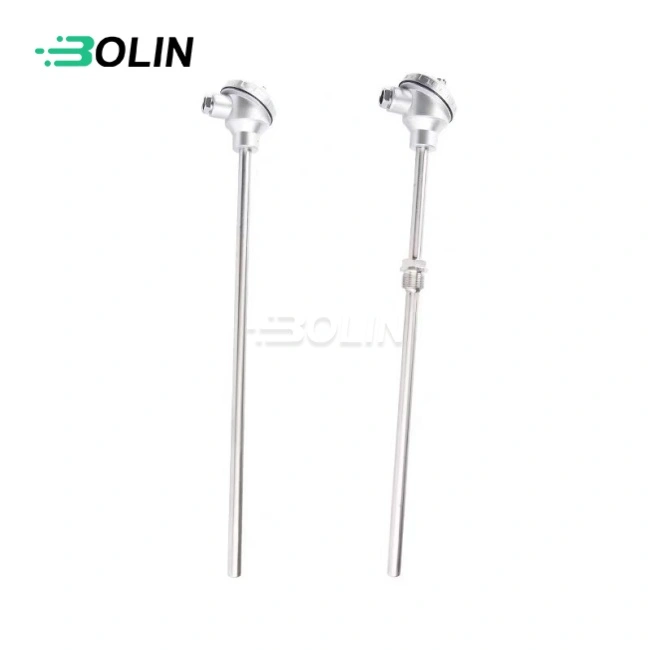
When standard temperature sensors fail, Custom Thermocouples are built to fulfill particular environmental, geometric, and thermal criteria. Standard tools in current industrial processes typically don't fit, aren't constructed of the suitable material for corrosive media, or don't respond fast enough. Custom Thermocouples solve these essential issues by allowing customized covering metal arrangements, connection types, and sub-millimeter physical sizes. It measures temperature via the Seebeck effect. Two metal lines connect at the sensor tip. A tiny charge forms at this junction when heated. Temperature directly affects this voltage. Problems arise from your functioning system. Standard sensors have standard sizes and cover materials. They fail when corrosive gases damage common metals, restricted space pushes probes at strange angles or lengths, rapid flows induce vibration and mechanical stress, or thermal shock from short heating and cooling cycles.
Core Components That Drive Precision
Three key factors affect Custom Thermocouples accuracy. Specially selected metal pairs—Type K chromel-alumel for general industrial usage, Type J iron-constantan for reducing conditions, and Type T copper-constantan for very cold environments—make up the thermocouple element. Each match helps your firm depending on its demands. The sleeve protects the sensor element from your process's harsh environment. Up to 1200°C acidic oxygen won't harm stainless steel 310. Ceramic sheaths expand this range and defend against chemical assault in carburizing or nitriding ovens. In refinery sulfurous environments, Inconel 600 resists corrosion better. Insulation blocks electricity and quickly heats the sensor joint. Compacted magnesium oxide fills the thermocouple wire-cover gap. This material swiftly transfers heat to the sensor joint and blocks electricity at extreme temperatures. High-purity grades prevent outgassing in vacuum usage, where contamination can degrade surface smoothness.
When Customization Becomes Critical
Extreme weather requires specific sensor construction. People use Type K thermocouples because they are affordable, durable, and versatile in industrial applications. These gadgets function from a few hundred degrees below zero to above 2000°F. Type K elements assess high temperatures from chemical, vehicle engine, and power generation operations. In low environments, Type J thermocouples function well, but Type K sensors may not. These monitors function effectively at low pressure. Although Type J can't function in as many temperatures as Type K, both are precise and cost-effective. Type T devices measure frigid temperatures better. Type T can endure most chemical atmospheres, making it superior at monitoring very low temperatures. These sensors are typically suitable for the food industry, where temperatures drop below zero, and accurate measurements are essential to ensure product safety.
Key Design Principles Behind Custom Thermocouples for Enhanced Accuracy
Material Selection for Optimal Performance
The correct material and design attributes are crucial for accurate temperature measurements with Custom Thermocouples. Thermoelectric materials impact temperature range, response time, and safety. Special Limits of Error wire has half the tolerance of standard wire due to its pure metals. This reduces measuring uncertainty and improves consistency. This upgraded wire standard helps with output tolerance-related process control windows. The sensor's lifespan and measurement stability depend on the sheath material. Metallurgy must differ for oxidizing and lowering. Ceramic safety is essential because carburizing ovens destroy stainless steel sheaths. High-density ceramics or refractory metal sheaths that resist heat and chemicals are needed for molten metal usage. Mechanical design allows you to pick terminal head style, protective tube arrangement, and connection type. Compression valves are good for maintenance. In controlled-environment furnaces, flanged connections lock firmly to prevent leakage. Threaded fittings allow thermowells to be added to running systems without shutting them down.
Error-Mitigating Design Features
Junction arrangement affects accuracy and electrical noise rejection in Custom Thermocouples. Grounding joints provide fast reaction by fusing thermocouple wires to the sheath. This design works well when quick thermal reaction is more critical than noise susceptibility and electrical isolation is not needed. Ungrounded joints isolate controller signals from ground loops and electromagnetic field interference. This design is crucial in locations with high power or motors that run items because electrical noise can create measurement errors. The small air gap between the joint and sheath decreases temperature response but improves signal integrity. Putting thermocouple wires in the process media gives exposed joints the quickest reaction. This setup is good for sensing gas temperatures where response speed trumps mechanical safety. Direct exposure to corrosive environments shortens sensor life.
Calibration and Installation Best Practices
NIST-traceable calibration allows multi-point temperature verification over your defined operating range. With this documentation, you may be confident your sensor fulfills accuracy criteria over its temperature range. X-rays verify the interior joint weld and magnesium oxide insulation for holes that might compromise performance. Helium leak testing ensures the sheath and transition point seal airtight for vacuum or high-pressure deployments. Five hundred volts DC are employed in insulation resistance testing to ensure no element-sheath electrical connection. Dimensional testing ensures custom-machined thermowells or tight-tolerance assembly locations fit. If you set anything right, you can avoid thermal coupling and electromagnetic interference-related measurement errors. The depth of immersion must exceed the process boundary layer to sample normal temperatures. Incorrect insertion causes thermal shunting, which distributes heat along the sheath to cooler places, lowering the process temperature. Keeping sensor lines away from power connections decreases electromagnetic fields that interfere with low-voltage thermocouple readings.
Comparing Custom Thermocouples with Standard and Alternative Sensors
Standard Sensors Versus Tailored Solutions
Industrial processes require the correct temperature monitor. Standard sensors are suitable for non-critical tasks because they're cheap and easy to procure. If your process employs conventional fasteners, normal temperatures, and no corrosive atmospheres, these ready-made options perform nicely. Custom Thermocouples are ideal for complicated settings where accuracy is crucial. When furnace form requires odd probe lengths, standard sensors can't reach the measuring point. When acidic process atmospheres damage metal sheaths, generic sensors fail early and generate costly downtime. Standard buildings don't have the necessary materials or mechanical design for long-term stability when quick temperature cycling generates mechanical stress. Custom Thermocouples stay longer, need less maintenance, and help maintain process control. A conventional sensor may cost 30% less initially, but it must be changed three times more often, increasing the total cost of ownership. As conventional sensors age, measurement drift increases process control bands, wasting energy and lowering product quality.
Resistance Temperature Detectors in Context
Benefits make RTD devices superior to thermocouple-based measurement in several cases. RTDs are more accurate than conventional thermometers from -200 to 600 degrees Celsius, generally within 0.1 degrees Celsius. In labs, food processing, pharmaceutical handling, and other areas with rigorous temperature control standards, this precision edge is useful. Signal-reading RTDs require a stimulating current. This leads them to heat up independently, which can compromise measurement accuracy when thermal coupling is poor. Sensors using thermocouples generate voltage without electricity. They won't overheat and can be used to measure items in regions with low electrical energy. Thermocouples are cheaper and better for temperatures exceeding 800 degrees Celsius. RTD sensor elements become costly and easily damaged at high temperatures, whereas thermocouple technology is cheap and durable. Without four-wire measurement to account for lead wire resistance, RTD accuracy is affected, making installation more complex and expensive.
Strategic Multi-Sensor Integration
Different sensors in a system increase measurement reliability and error handling. Because Type K sensors are durable and economical, your key heat treatment line may employ them for major process control. Type S sensors are more stable and can be used for secondary checking to discover drift in the primary measurement chain. RTD sensors at process edges provide precise reference temperatures for thermocouple readings during startup and shutdown. Using numerous sensors prevents calibration drift from affecting product quality and reduces waste and energy from operating beyond optimal temperature ranges. In actual life, sensors must be placed carefully to ensure that each measurement location obtains a good process temperature sample without thermal gaps. Adding thermowells in crucial spots during furnace construction is cheaper than adding measuring sites later. Your thermal system should have adequate backup measurement choices to make it safe if certain monitors fail.
Procurement Considerations for Custom Thermocouples in B2B Contexts
Evaluating Manufacturers for Reliability
While choosing product characteristics is critical, finding a dependable provider for Custom Thermocouples is crucial. Quality management certifications that ensure output standards demonstrate a manufacturer's reliability. With ISO 9001 accreditation, defined methods for regulating designs, sourcing materials, creating items, and testing them ensure product consistency.
Makers who can collaborate with other firms demonstrate their technical expertise and willingness to tackle complex measuring difficulties. Suppliers who take the effort to understand your process demands rather than merely pushing catalog products have the IT expertise to customize your purchase. Genuine partners will visit the site, assess the process, and recommend the optimum sensor setup. This distinguishes them from commodity merchants.
How successfully a manufacturer can accommodate your rising demands without jeopardizing delivery performance depends on production. A vendor with dedicated production lines for bespoke sensors has shorter lead times than one that treats custom orders as disruptions to regular production. Their availability of common sheath materials, thermocouple wire grades, and end hardware indicates they can satisfy your demands quickly.
Pricing Structures and Lead Time Expectations
Technical work, unique materials, and bespoke production procedures determine the cost of Custom Thermocouples. Unit prices decrease as order numbers increase because setup expenditures are distributed over larger manufacturing runs. The manufacturer wants efficient manufacturing, and you desire reduced inventory expenses. Knowing this trade-off might help you control inventories and achieve better prices.
Material availability and manufacturing planning determine lead times. In two weeks, standard setups with popular thermocouples and covering materials could be shipped. Sheaths composed of uncommon alloys, refractory ceramic buildings, or specific testing can delay delivery by eight weeks. Planning your buying calendar around crucial installation periods helps prevent costly delays.
Volume discounts stimulate greater pledges and anticipate pricing for budgeting. Annual blanket orders with planned releases assist manufacturers in planning material procurement and output. You'll also get the contract price. This contract will streamline the supply line and reduce administrative labor for both sides.
Warranty Policies and After-Sales Support
A comprehensive guarantee demonstrates that the manufacturer trusts the product's quality and construction. Standard warranties cover material or work faults for 12 months after delivery. Longer warranties for critical usage demonstrate your commitment to sensor reliability and long-term performance.
Technical support after the sale helps address measurement issues and install sensors appropriately. Application engineering advice from manufacturers can help you determine if observable sensor failures are due to actual difficulties or fitting concerns, such as not enough immersion depth or electromagnetic interference. Working collaboratively to address problems reduces downtime and maintains customer relations.
Clear communication with the provider during ordering, manufacturing, and delivery builds confidence. You respect your time and project responsibilities by updating you on bespoke orders, alerting you to delays, and answering technical inquiries immediately. These "soft factors" are often as significant as professional capabilities in long-term supplier partnerships.
Real-World Case Studies: How Custom Thermocouples Drive Improved Measurement Accuracy
Industrial Manufacturing Process Control
A significant automotive heat treatment company has transmission gear hardness uniformity issues. Normal sensor installation didn't bury them deep enough in the carburizing furnace's hot zone. The values were 15 degrees off the workpiece's actual temperature. This measurement inaccuracy caused case depths to vary and costly rework rates to reach 8% of production output.
Long ceramic-sheathed Custom Thermocouples solved both difficulties at once. The unique probe reached 20 centimeters over the furnace wall into the workpieces' even temperature zone during carburizing. The carbon-rich atmosphere that destroyed stainless steel sensors did not damage ceramic ones. This extended sensor life from six to two years.
The furnace control system remained the same after replacing the sensors; however, hardness tests indicated a 60% reduction in case depth. Repairs reduced to less than 2%, recovering the sensor's cost in three months with less waste and repair work. Low measurement error allowed process engineers to narrow control bands even further, reducing cycle time by adopting quicker temperature ramp rates.
Energy Sector Extreme Temperature Applications
A supercritical steam power plant requires reliable temperature monitoring in situations where standard sensors would fail fast. Normal sensor sheaths wore out after six months due to high steam flow rates and temperatures exceeding 600 degrees Celsius. Sensor failures generated unexpected power outages for replacement. Lost production capacity cost hundreds of thousands of dollars.
The Custom Thermocouples design incorporated high-velocity thermowell protection and improved materials to Inconel 600 metal, which is sturdy at high temperatures and rust-resistant. Smooth borders on the thermowell prevented flow disruption and physically protected the thermocouple element. This design prevented the temperature sensor from touching the erosive steam flow while allowing it to adapt thermowell wall width to respond to temperature variations.
Operational data indicated no erosion or sensor failures 18 months after deployment. Maintenance was delayed to meet anticipated outages, eliminating sensor replacement-related delays. The plant avoided three unexpected outages during measurement, saving $15 million in generated income, more than the cost of a specialized sensor.
OEM Equipment Integration
An industrial furnace producer for aviation heat treatment needed to improve vacuum furnace temperature uniformity to stand apart. As their primary sensor package used common thermocouples, calibration accuracy varied between units. This disparity required manufacturers to increase temperature uniformity tolerances in product standards. When competing with competitors who promised tighter homogeneity, this hurt them.
They collaborated with a sensor maker to create a compatible set of Custom Thermocouples and ensured precise calibration within ±0.5°C at critical process temperatures using Special Limits of Error wire. Each sensor was calibrated independently and NIST-traceable. This paper came with the burner. High-purity magnesium oxide insulation prevented outgassing from damaging aircraft metal surface chemistry during vacuum processing.
The furnace producer guaranteed a 3°C work area temperature differential, compared to 5°C supplied by competitors, due to the superior sensor package. This technical advantage helped the business obtain 28% more aircraft heat treatment market share over two years. Customers were delighted since processing results were more dependable and fewer cargoes were rejected due to temperature. The furnace maker received volume savings and a consistent supply of sensors from the sensor provider in a long-term OEM arrangement to satisfy their rising production demands.
Conclusion
Custom Thermocouples for sale satisfy unique demands that ordinary sensors can't, increasing measurement precision. Material, junction configuration, and mechanical design can increase accuracy and stability over time. I can't stress enough how crucial it is to work with experienced makers that understand your process issues and can give complete engineering support. Buying the correct sensors for heat treatment procedures that need accurate temperature readings in tough settings will improve product quality, reduce waste, and extend sensor life. The case studies illustrate that personalization boosted company performance and pushed organizations ahead of the competition in several industries.
FAQ
How do I select the correct thermocouple type for my specific application?
Which one to choose depends on temperature, ambient chemistry, and precision. Type K operates effectively in acidic atmospheres in most industrial situations from 0°C to 1200°C. Lowering atmospheres and producing vacuums benefit Type J. Type T thrives at very low temperatures. Discuss your procedure with your sensor source to learn what has worked in similar scenarios.
What are typical lead times for bulk orders of tailored temperature sensors?
Lead times vary by quantity and complexity of specs. Standard setups manufactured from common materials ship in 2–3 weeks for 100 units. Custom Thermocouples requirements that need a particular metal or manufacturing methods may take six weeks. With blanket buy arrangements and scheduled releases, manufacturers may plan output and reduce delivery windows.
Can sensors be calibrated on-site or must factory calibration be performed?
You can use any option depending on your accuracy needs and tools. Factory testing using NIST standards proves accuracy at many temperatures. Portable temperature calibrators simplify field calibration, although they only examine a few calibration points. Critical applications that need maximum precision benefit from factory calibration and field verification to identify sensor drift and replacement.
Partner With Bolin for Precision Temperature Measurement Solutions
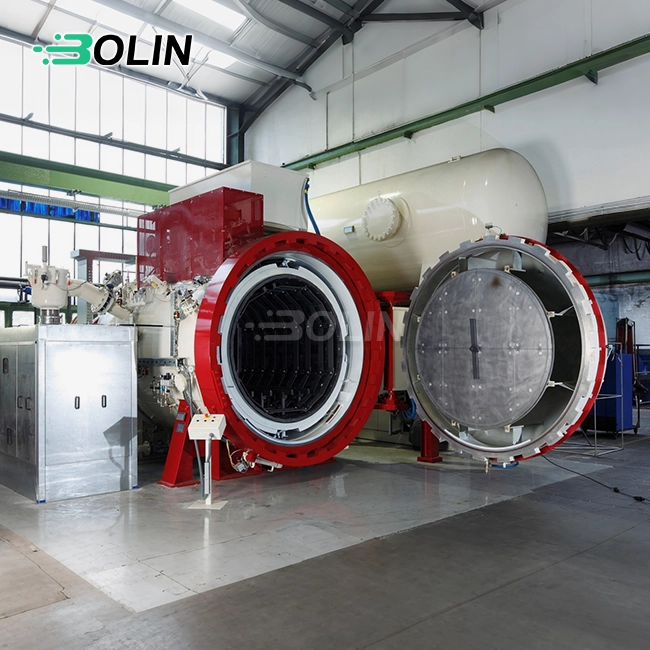
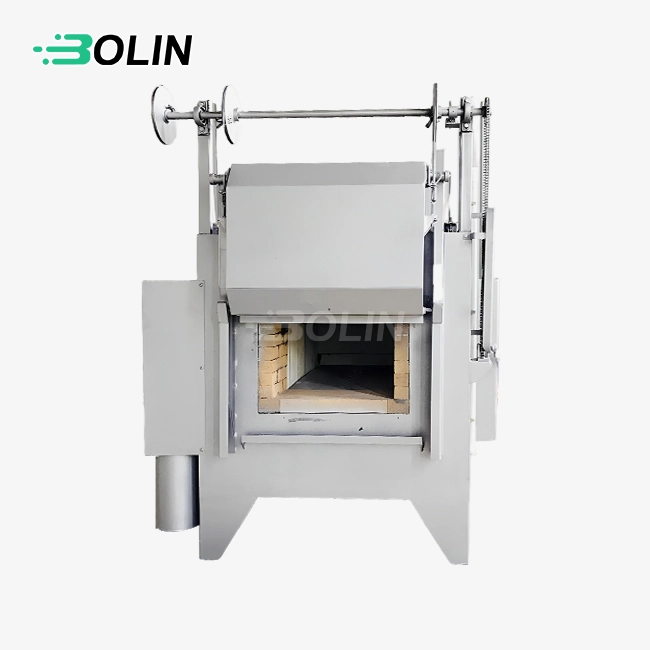
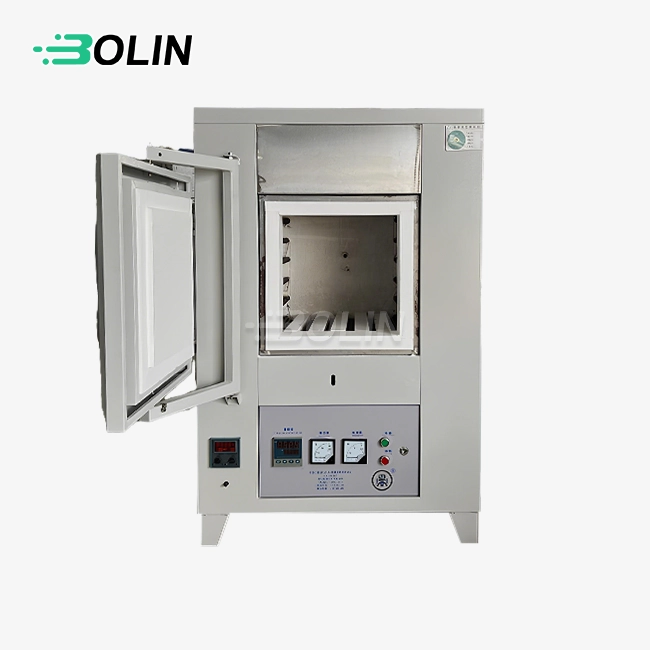
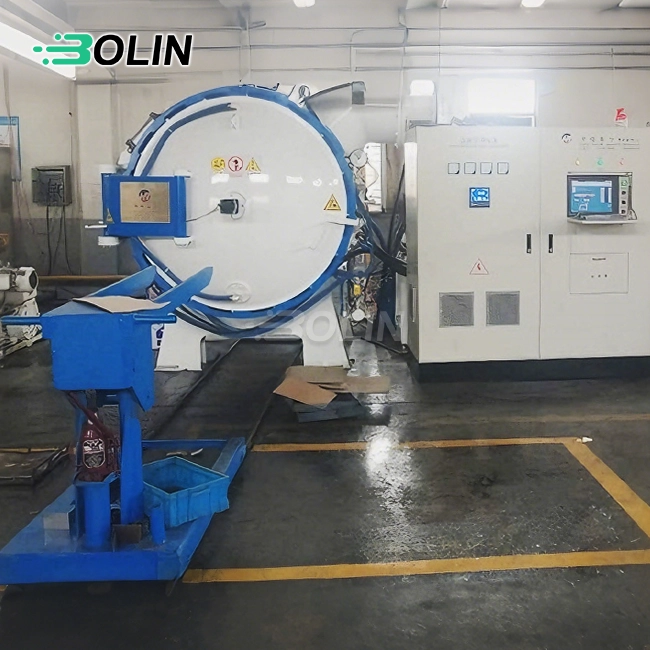
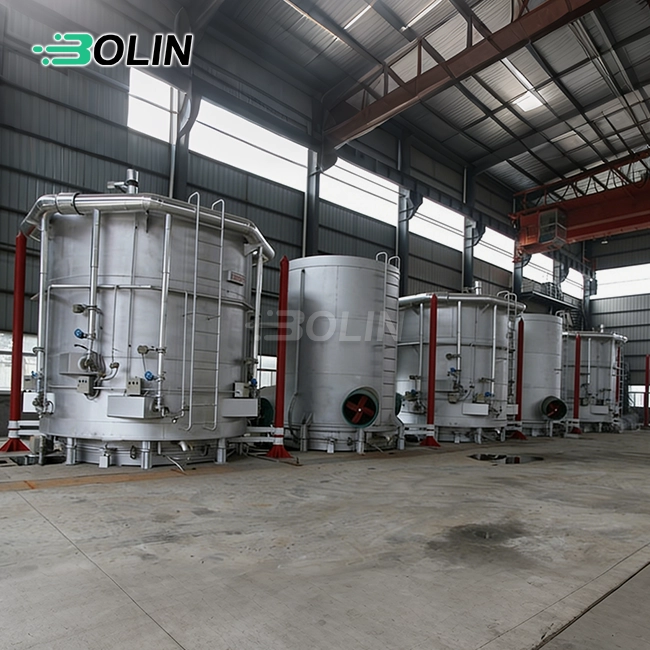
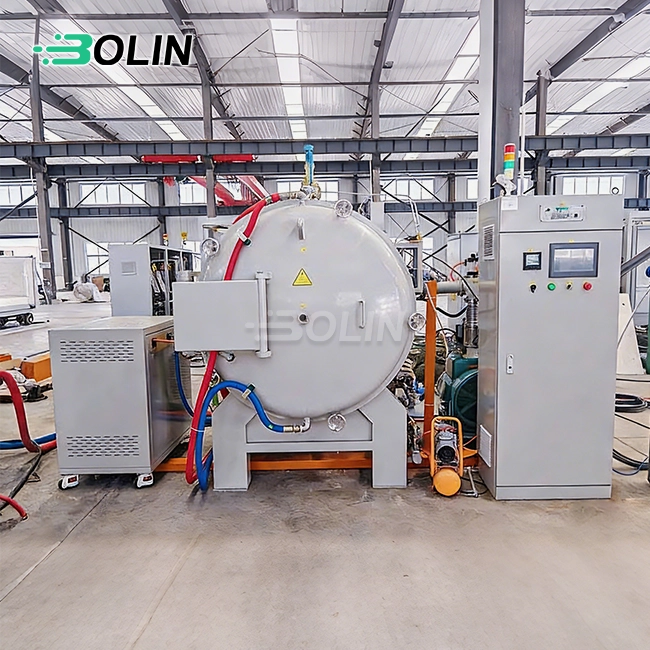
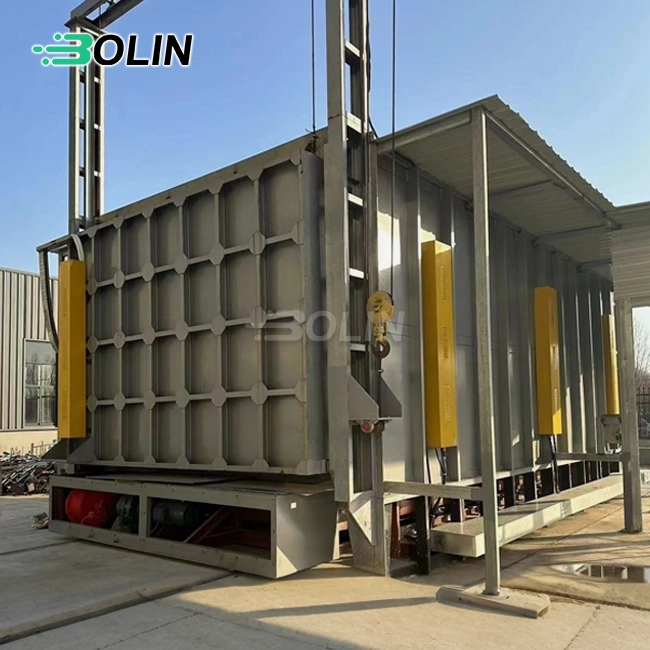
Our extensive choice of heat treatment instruments can help you measure even the hardest temperatures at Hebei Bolin Electric Furnace Manufacturing Co., Ltd. Our engineers design integrated burner systems with exactly calibrated temperature sensors to provide accurate measurements in your production environment. Pit furnaces, roller hearth lines, vacuum systems, and brilliant annealing equipment are among our thermal processing systems. Each has tailored sensor characteristics for your environment and temperature.
We start our professional consultation by learning about your process's issues and constraints. We consider atmospheric chemistry, temperature changes, mechanical mounting restrictions, and accuracy to discover the optimum sensor sets. From concept to commissioning and support, our design and production capabilities can help you with retrofitting sensors or whole furnace systems with measuring equipment.
Contact our Custom Thermocouples supply team at 15720259172@163.com to discuss your temperature measuring issues and obtain prices. You can trust Bolin for reliable temperature measurement that improves manufacturing quality and efficiency. Our fast engineering assistance and affordable prices make us your best option.
References
1. Benedict, R.P. (1984). Fundamentals of Temperature, Pressure, and Flow Measurements, Third Edition. John Wiley & Sons, New York.
2. Kerlin, T.W. & Shepard, R.L. (1982). Industrial Temperature Measurement. Instrument Society of America, Research Triangle Park, North Carolina.
3. Michalski, L., Eckersdorf, K., Kucharski, J., & McGhee, J. (2001). Temperature Measurement, Second Edition. John Wiley & Sons, Chichester, England.
4. Nicholas, J.V. & White, D.R. (2001). Traceable Temperatures: An Introduction to Temperature Measurement and Calibration, Second Edition. John Wiley & Sons, Chichester, England.
5. Pollock, D.D. (1991). Thermocouples: Theory and Properties. CRC Press, Boca Raton, Florida.
6. Quinn, T.J. (1990). Temperature, Second Edition. Academic Press, London, England.
Learn about our latest products and discounts through SMS or email