- English
- French
- German
- Portuguese
- Spanish
- Russian
- Japanese
- Korean
- Arabic
- Irish
- Greek
- Turkish
- Italian
- Danish
- Romanian
- Indonesian
- Czech
- Afrikaans
- Swedish
- Polish
- Basque
- Catalan
- Esperanto
- Hindi
- Lao
- Albanian
- Amharic
- Armenian
- Azerbaijani
- Belarusian
- Bengali
- Bosnian
- Bulgarian
- Cebuano
- Chichewa
- Corsican
- Croatian
- Dutch
- Estonian
- Filipino
- Finnish
- Frisian
- Galician
- Georgian
- Gujarati
- Haitian
- Hausa
- Hawaiian
- Hebrew
- Hmong
- Hungarian
- Icelandic
- Igbo
- Javanese
- Kannada
- Kazakh
- Khmer
- Kurdish
- Kyrgyz
- Latin
- Latvian
- Lithuanian
- Luxembou..
- Macedonian
- Malagasy
- Malay
- Malayalam
- Maltese
- Maori
- Marathi
- Mongolian
- Burmese
- Nepali
- Norwegian
- Pashto
- Persian
- Punjabi
- Serbian
- Sesotho
- Sinhala
- Slovak
- Slovenian
- Somali
- Samoan
- Scots Gaelic
- Shona
- Sindhi
- Sundanese
- Swahili
- Tajik
- Tamil
- Telugu
- Thai
- Ukrainian
- Urdu
- Uzbek
- Vietnamese
- Welsh
- Xhosa
- Yiddish
- Yoruba
- Zulu
How Does a Gas Annealing Furnace Improve Metal Quality?
Choosing the proper heat treatment influences whether your components exceed quality requirements or fail prematurely in demanding settings. Knowing how heat processing modifies metal characteristics distinguishes reputable suppliers from those that deliver mixed outcomes for buyers, process engineers, and OEMs who work with steel, copper, and aluminum parts. Annealing technology solves three major problems for industrial manufacturers: removing residual stresses from cold-working processes, making materials easier to shape, and ensuring that large production batches have the same hardness. This tutorial discusses how gas annealing furnace systems are better for metals than electric frying. We will examine basic operating concepts, compare performance metrics to alternative technologies, and provide custom or large-scale heat treatment solution buyers with useful insights. You may make sensible choices to increase product quality, reduce energy usage, and streamline manufacturing by learning these principles.
What Is a Gas Annealing Furnace and How Does It Work?
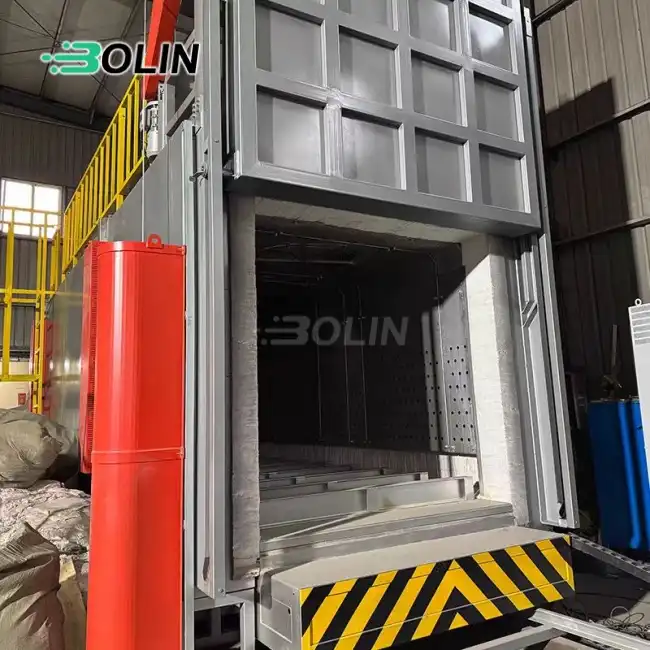
Gas annealing furnace systems regulate heating, holding, and cooling to modify metal composition and mechanical properties. These systems heat the metal by burning liquid fuels like natural gas, liquefied petroleum gas, or coke oven gas instead of heating parts like electric resistance furnaces.
Core Components and Operating Principles
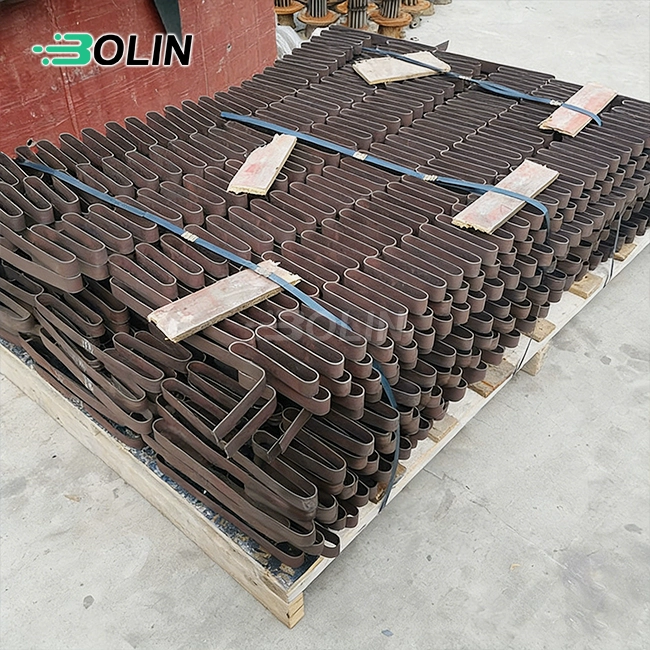
Heat processing involves multiple interconnected parts. Multi-zone burner arrays provide high-velocity turbulent flow patterns in the heating area to maintain a consistent temperature. A variety of materials may be processed from 100°C to 1300°C. Full annealing of high-carbon tool steels requires greater temperatures than stress-relief annealing of welded structures. Fuel and air are measured via precision control valves in the gas delivery system. The flame's qualities are optimized with each heat cycle. Advanced PID algorithms monitor thermocouple input from many locations, maintaining ±5°C temperature stability during crucial soaking periods. The furnace walls are insulated using heavy-duty high-alumina refractory materials, ultra-lightweight microsphere vacuum ball energy-saving bricks, and composite fiber cotton. This reduces fuel usage by 30–40% over conventional systems.
Three-Stage Process Cycle
Different metallurgical phases occur during thermal treatment. Multi-zone heaters maintain load temperature while heating. This eliminates cold regions that might alter material characteristics. Based on the workpiece's cross-section and desired microstructural change, the soaking stage maintains the intended temperature for a particular duration. Grain boundaries shift, and carbon diffuses throughout this 30- to several-hour interval. Frequency-controlled fans and automated vent dampers regulate cooling rates. Lower rates promote grain development for flexibility, whereas higher rates maintain smaller grain structures for strength.
Industrial Applications Across Sectors
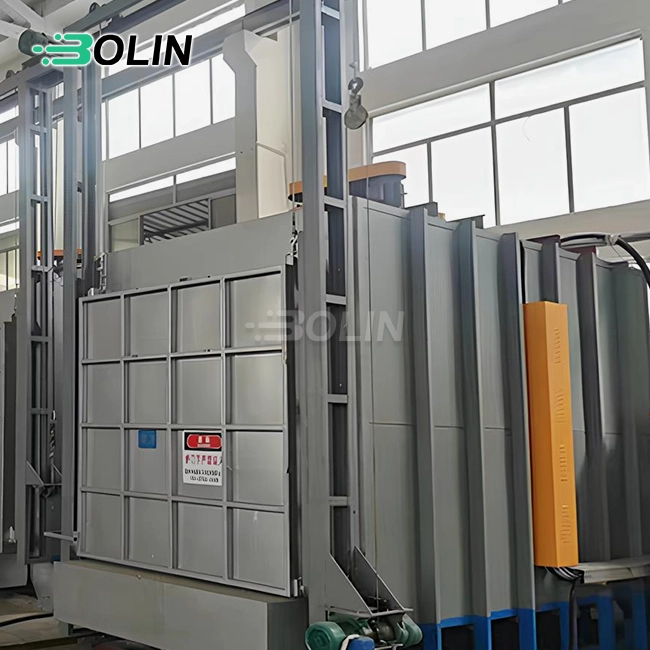
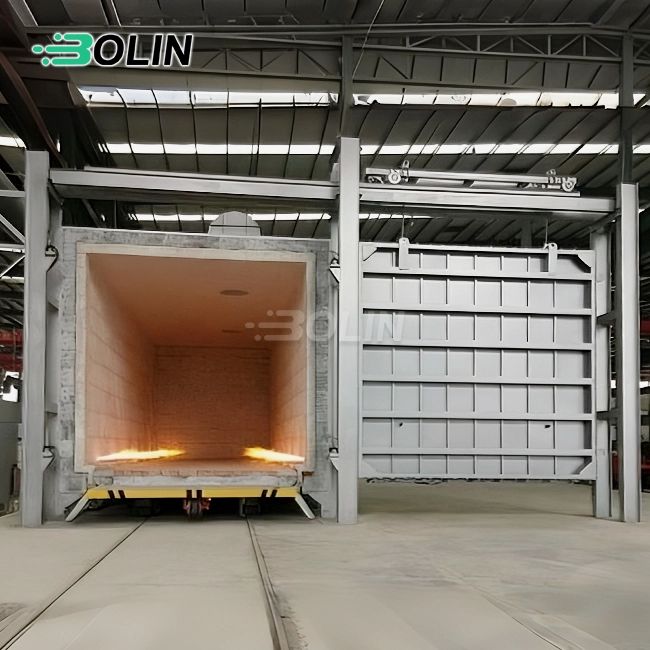
Automotive fastener manufacturers utilize these machines to spheroidize and anneal wire rods, which maintains carbide dispersion for cold-heading. Aerospace manufacturers stress-relieve and anneal turbine casings and structural weldments using large car-bottom rigs that can carry 100 tons. In hydrogen atmospheres, steel service centers brilliantly anneal stainless steel strips in continuous horizontal furnaces. This treatment prevents surface rust and shines steel for food processing and architecture. In batch systems with chamber diameters from 500 mm to 50,000 mm, heavy machinery manufacturers make heat exchanger tubes, pressure tank parts, and hydraulic cylinder barrels for diverse part forms.
How Gas Annealing Furnaces Improve Metal Quality Compared to Other Methods
Gas annealing furnaces allow procurement teams to purchase equipment that enhances quality in a measured way while lowering operational costs by understanding thermal processing technologies.
Limitations of Traditional Electric Heating
Traditional electric heating has issues. Electric resistance stoves utilize a lot of electricity during heating cycles; therefore, processing costs per unit are greater in high-energy areas. Convective heat transfer from combustion makes gas-fired equipment more temperature-consistent. Electric heating elements along the furnace walls generate temperature variances across large loads, which affects part characteristics near the heating elements compared to those in the load centers. Electric systems require separate safe gas injection systems to regulate the environment, which is more complex and increases leak risk than gas annealing furnaces, which have unified combustion management.
Surface Quality and Metallurgical Advantages
Controlling the atmosphere is a major benefit of gas annealing furnace technology. Reducing atmospheres from combustion prevents corrosion during heating cycles. This cleans metal without scaling. Bright annealing in hydrogen-enriched atmospheres polishes stainless steel and copper to a mirror gloss. This eliminates costly cleaning and polishing. This environmental control prevents high-carbon steels from decarburizing, maintaining surface stiffness for wear-resistant parts. High-velocity gas flow evens heat distribution and maintains grain size throughout manufacturing runs. This reduces mechanical property dispersion that causes customer acceptance testing quality rejections.
Efficiency and Cost Analysis
Operating cost differences illustrate that large-scale production has several advantages. Natural gas is 40–60% cheaper than electric heaters in corporate markets. Better insulation using vacuum ball energy-saving bricks and composite fiber reduces standby heat losses. This speeds up temperature recovery between production operations and boosts daily productivity. Improved metallurgical uniformity reduces scrap and repair costs. After moving from electric to gas annealing furnace processing, a steel service facility that processes 5,000 tons of steel per month saw a 12% decline in surface quality rejections, saving them money on labor and materials.
Measured Performance Improvements
When a fastener producer converted to gas annealing furnace technology with multi-zone heating, cycle times fell 18%. This allowed them to produce more without buying more equipment. An automobile spring manufacturer reduced hardness variances across batches from ±8 to ±3 HRC. This minimized processing tool wear and improved product consistency. These measurements indicate why gas annealing furnace technology is the top choice for companies that value quality, efficiency, and reduced TCO.
Selecting the Right Gas Annealing Furnace for Your Metal Treatment Needs
Gas annealing furnace procurement requires systematic assessment frameworks that match equipment capabilities with production demands and long-term operational goals.
Material-Specific Temperature Requirements
Varying metals require varying heat generation. To fully convert into austenite, carbon steels must be heated to 870°C to 910°C and cooled gently to their softest condition. After welding or cold working, stainless steels undergo solution annealing at 1000–1150°C to remove carbides and restore rust resistance. Copper metals must be annealed at 450–650°C to remove accumulating tensions without grain formation, which weakens them. Aluminum parts can withstand 300°C to 415°C, depending on the metal and mechanical properties. Your tools must be able to manage material temperatures and have enough heating power for the operation.
Furnace Configuration Types
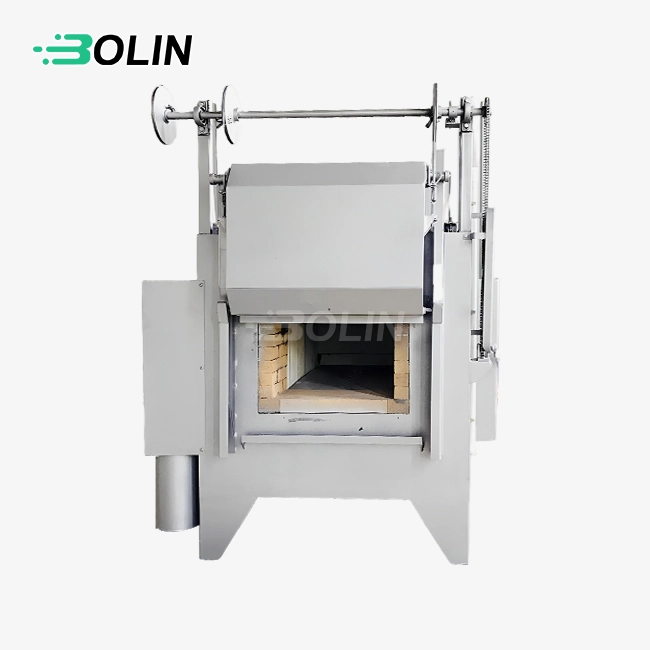
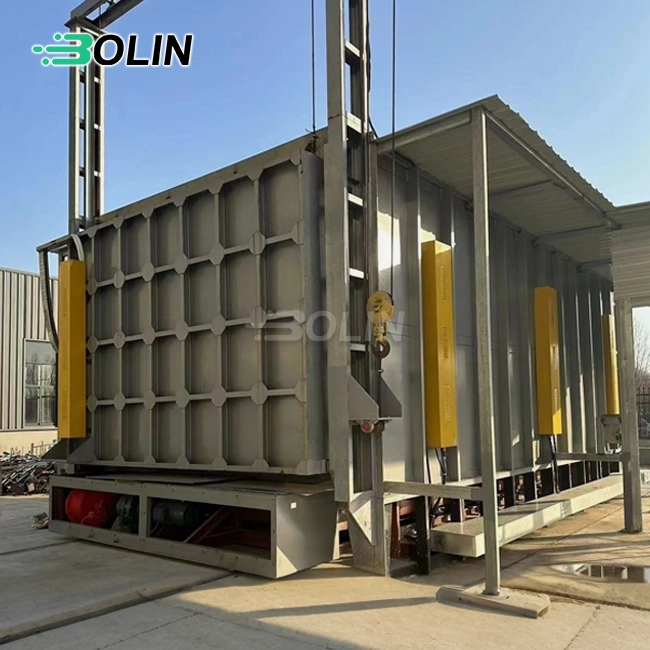
Batch furnaces let job shops use several materials and part forms. Car-bottom designs incorporate heavy-duty rail systems and retractable hearth plates to help overhead cranes transport large castings, weldments, and vessel pieces. Heating tanks can be removed from bell-shaped designs to cover coil loads. They melt wire and strip well in metallurgical operations. Continuous kilns produce more for mass-producing companies. Roller hearth systems heat, soak, and cool items at preset rates. They can handle plates and structures. Mesh belt conveyors enable small stamping and auto fastener companies to transport thousands of parts every shift.
Capacity and Production Volume Matching
Chamber dimensions must meet your regular load combinations while being cost-effective. Small equipment requires many batch procedures, slowing daily throughput and increasing human expenses. By heating up excess area when operating on lesser loads, oversized furnaces waste fuel. Power from 5 kW to 3000 kW can be utilized to treat lab samples or process hundreds of tons of materials every cycle on factory manufacturing lines. Use estimated yearly production, cycle periods, and load density to calculate furnace capacity that balances capital investment and operating efficiency.
Supplier Evaluation Criteria
Manufacturer qualifications and support systems affect equipment performance and manufacturing time. Check the seller's certificates to ensure they satisfy ISO 9001 production standards. Review the guarantee. A one-year warranty on all key parts reflects the manufacturer's confidence in the equipment. Check out the after-sales service networks, including where spare parts are maintained, how long technical support takes, and how many field service professionals are accessible for fast troubleshooting. Request customer examples from organizations in the same industry and production level, then call them to see how well the equipment works and how fast the supplier reacts to issues.
Energy Efficiency Considerations
Thermal efficiency affects an item's operational expenses. Composite fiber insulation and microsphere vacuum ball refractory materials make the ultra-energy-saving construction consume less fuel than standard designs. Recuperative burners heat combustion air using waste gas. This saves 20–30% of constant-use gasoline. Instead of running at maximum speed, frequency-controlled cooling fans adjust airflow to cooling needs. It utilizes less power over lengthy cooling periods. Find the equipment with the best lifespan value for your industrial operation by adding up the total cost of ownership, including the original investment, five-year fuel and power expenses, maintenance costs, and waste reduction advantages.
Best Practices for Operating and Maintaining a Gas Annealing Furnace
Gas annealing furnace operation and maintenance tips include hard operating regulations and preventative maintenance plans that keep workers safe and enhance production efficiency to maintain metal quality and equipment life.
Safety Protocols and Risk Mitigation
Gas-fired systems must follow combustion safety regulations to avoid catastrophic mishaps. Pre-ignition purges remove fuel fumes from the heating chamber before the burner lights. This prevents explosions from unburned gas pockets. Automatic flame-out protection sensors detect a burner flame in milliseconds and shut off the fuel via spring-return safety valves. When gas source circumstances are unsafe, high-pressure and low-pressure interlocking techniques halt the burner. Operators must undergo extensive training in emergency shutdown, gas leak detection with portable monitors, and high-temperature safety gear. Install carbon monoxide detectors around furnaces to alert people to incomplete combustion and harmful exhaust gases.
Preventive Maintenance Schedules
Metalworking requires precise measurements, which regular testing ensures. Oxidation and heat cycling degrade thermocouples. They must be compared to established reference standards every three months and replaced if they deviate by more than 3°C. Gas flow meters must be adjusted annually to maintain fuel-to-air ratios that reduce sooting and enhance burning efficiency. PID controller settings may be adjusted to account for heat fluctuations when refractory materials age and burner parts wear out. Check refractory linings monthly for cracks, spalling, or weathering that might reduce insulation effectiveness or cause failure. Because the trolley has high-strength H-section steel frames and heat-resistant cast iron hearth plates, the wheel bearings, rail alignment, and hydraulic sealing systems must be examined every three months to minimize load breakdown incidents. Clean burner tubes every 500 hours to remove carbon deposits that disrupt flame patterns and uneven heat.
Troubleshooting Common Issues
Changes in temperature during soaking often indicate improper thermocouple placement, malfunctioning heating elements, or incorrect PID settings. Measure the thermocouple depth and location relative to the burner zones. Avoid direct flame with sensors. Uneven temperature trends may indicate a dirty burner or air distribution issues. Clean the burner orifices and test the combustion air damper. If workpieces scale despite a regulated environment, air is entering through cracked or worn door seals or chamber penetrations. Test pressure degradation, replace gaskets, and seal refractory joints to locate leaks. Rapid refractory breakdown indicates thermal cycle stress from improper heating or cooling. Check operating practices to ensure moderate temperature increases to reduce thermal shock.
Parameter Optimization Strategies
For maximum mechanical improvement, heat cycles must be optimized for varied materials and forms. Design-of-experiments investigations that modify soaking periods, peak temperatures, and cooling rates can reveal hardness, grain size, and mechanical properties. Statistical process control monitors furnace temperatures and atmospheric composition. Set limitations that trigger remedial action before situations deteriorate. Standard operating procedures should cover load setup, thermocouple placement, target temperatures, and cycle periods for each material to be treated. In this manner, all operator shifts follow the same processes, reducing quality variances caused by procedure changes.
Procurement Insights: Buying, Customizing, and Installing Gas Annealing Furnaces
Gas annealing furnace procurement requires understanding pricing, customization, and provider selection. These factors impact long-term corporate performance and competitive product development.
Price Factors and Investment Planning
Capital expenses vary by furnace size, temperature range, and automation. Basic batch systems with analog controllers and manual loading cost roughly $30,000 for small labs. Car-bottom furnaces with 20 tons and extensive PLC automation cost over $500,000 for large labs. The requirement to manufacture a lot of items rapidly supports multimillion-dollar investments in continuous production lines with built-in cooling and automated material management. Atmosphere control systems cost $15,000 to $75,000 more, depending on gas purity and tracking devices. Energy-efficient refractories cost 20–30% more, but they pay for themselves in less than two years by consuming less fuel while running. Expect installation charges of 10-15% of the equipment's purchase price. Creating the base, connecting utilities, building combustion air ducts, and integrating the exhaust system required money.
Customization for Application-Specific Requirements
Standard equipment installations may not solve production issues. Bolin offers ODM and OEM services tailored to corporate needs. Send detailed drawings of the parts you need to work on, their weights, how much you need to manufacture, and the materials to be processed. To suit demands, the engineering team alters room size, hot zone architecture, environment control systems, and cooling alternatives. Custom loading configurations can accommodate unusual-shaped parts that standard fittings couldn't. With appropriate cooling rate control, precipitation-hardening stainless steels and age-hardening aluminum alloys may be heat treated at particular time-temperature patterns. Integration with current production lines includes automated transfer systems, data exchange techniques for constructing MES networks, and coordinated cycle scheduling to eliminate bottlenecks in multi-step manufacturing processes.
Lead Times and Installation Planning
Equipment purchases impact output and project planning. Standard design furnaces ship 8–12 weeks following order confirmation. Custom-engineered systems take 16–24 weeks to design, build, assemble, and test at the facility before shipping. International shipping might take 4–8 weeks, depending on the destination and customs clearance time. Plan installation operations around foundation curing, utility infrastructure modifications, and equipment delivery to minimize construction downtime. Bolin field technicians visit clients' sites to ensure proper installation, operation, and operator training on standard operations and emergency plans. To avoid disrupting manufacturing, schedule installations for when production stops, or a new facility is completed.
Supplier Partnership Evaluation
Equipment success depends on the manufacturer's post-sale assistance. Check vendors' quotes and engineering speed. Companies who provide detailed technical blueprints for individual applications demonstrate better expertise than those that provide catalog requirements. Check spare parts stocking procedures to ensure key parts are accessible for equipment's 20-year lifespan. This will prevent protracted shutdowns for new burners, control modules, or refractory materials. Check technical support infrastructure such as call availability, remote diagnostics, and field service response. Bolin has several spare parts to promptly react to service needs. They provide on-site support and equipment updates throughout their products' lifespans. Strong supplier ties help organizations improve processes, keep up with new technology, and gain application engineer support when product demands change, giving them a competitive edge.
Conclusion
By combining safe atmospheres, even heating, and the optimum cooling rates, gas annealing furnaces deliver precise thermal processing control and the greatest metal quality. These methods turn stressed, brittle parts into ductile, machinable materials that fulfill demanding airplane, vehicle, and industrial mechanical property standards. When picking equipment, make sure the furnace's setup, capacity, and environment can handle the materials and output. To function properly, operations need tight safety standards, frequent maintenance, and parameter optimization led by metallurgical testing and statistical process control. Strategic purchasing considers energy efficiency, customization, and supplier infrastructure in the total cost of ownership. A company's long-term competitive edge depends on this. Gas annealing furnaces are reliable for processing huge volumes of steel, copper, and aluminum parts. They increase quality and operational efficiency, justifying capital investment with less scrap, higher throughput, and improved product performance.
FAQ
Which metals benefit most from gas annealing processes?
Gas annealing furnace processing works best on carbon steels, stainless steels, copper alloys, and aluminum materials. High-carbon tool steels are soft enough to cut. Cold-rolled stainless steel strips are rust-resistant and easy to form. Stress-free copper wire and tube bend more easily. Aluminum automotive parts produce equivalent strength for collision performance.
How do protective gas atmospheres reduce oxidation better than electric furnaces?
Gas system combustion atmospheres reduce oxidation rather than merely preventing oxygen. Separate safety gas input systems for electric heaters might leak air. Positive pressure keeps air out of gas annealing furnaces, and burning chemicals break away surface oxides. This brightens and smooths metal surfaces without creating scale or carbon loss.
What maintenance extends gas annealing furnace service life?
Calibrate the thermocouple every three months and clean the burner tip to minimize temperature variations and burning. A weekly refractory inspection detects deterioration before catastrophic failure. Gas system leaks and safety valves are monitored annually to ensure safety. The correct heating and cooling ramp rates reduce thermal shock and improve refractory life. Follow the manufacturer's lubrication schedules to keep loading systems functioning properly for decades.
Partner With Bolin for Advanced Heat Treatment Solutions
Hebei Bolin Electric Furnace Manufacturing Co., Ltd. delivers cutting-edge thermal processing technology engineered for demanding industrial applications requiring metallurgical precision and operational reliability. Our gas annealing furnace systems incorporate ultra-energy-saving structures with composite fiber insulation and microsphere vacuum ball refractory designs that reduce fuel consumption by 30-40% compared to conventional equipment. Chamber dimensions from 500 mm to 50,000 mm accommodate diverse production scales from prototype development to high-volume manufacturing lines processing thousands of tons monthly. The multi-zone heating system ensures uniform temperature distribution, eliminating property variations across entire workloads while PID control maintains stability within ±5°C during critical soaking phases.
As an experienced gas annealing furnace manufacturer, we offer comprehensive ODM and OEM services, customizing equipment to exact specifications including specialized atmosphere control, automated loading systems, and integration with existing production workflows. Complete installation commissioning support includes field technician deployment, operator training, and one-year warranty coverage backed by maintained spare parts inventory and responsive technical assistance. Contact our engineering team at 15720259172@163.com to discuss your heat treatment requirements and receive detailed proposals demonstrating how Bolin thermal processing solutions enhance metal quality while optimizing energy efficiency and total cost of ownership for your manufacturing operation.
References
1. Davis, J.R. (2002). Surface Engineering for Corrosion and Wear Resistance. ASM International, Materials Park, Ohio.
2. Totten, G.E. and Howes, M.A.H. (1997). Steel Heat Treatment Handbook. Marcel Dekker, New York.
3. Chandler, H. (1995). Heat Treater's Guide: Practices and Procedures for Nonferrous Alloys. ASM International, Materials Park, Ohio.
4. Krauss, G. (2005). Steels: Processing, Structure, and Performance. ASM International, Materials Park, Ohio.
5. Dossett, J.L. and Totten, G.E. (2013). ASM Handbook Volume 4A: Steel Heat Treating Fundamentals and Processes. ASM International, Materials Park, Ohio.
6. Brooks, C.R. (1996). Principles of the Heat Treatment of Plain Carbon and Low Alloy Steels. ASM International, Materials Park, Ohio.
Learn about our latest products and discounts through SMS or email