- English
- French
- German
- Portuguese
- Spanish
- Russian
- Japanese
- Korean
- Arabic
- Irish
- Greek
- Turkish
- Italian
- Danish
- Romanian
- Indonesian
- Czech
- Afrikaans
- Swedish
- Polish
- Basque
- Catalan
- Esperanto
- Hindi
- Lao
- Albanian
- Amharic
- Armenian
- Azerbaijani
- Belarusian
- Bengali
- Bosnian
- Bulgarian
- Cebuano
- Chichewa
- Corsican
- Croatian
- Dutch
- Estonian
- Filipino
- Finnish
- Frisian
- Galician
- Georgian
- Gujarati
- Haitian
- Hausa
- Hawaiian
- Hebrew
- Hmong
- Hungarian
- Icelandic
- Igbo
- Javanese
- Kannada
- Kazakh
- Khmer
- Kurdish
- Kyrgyz
- Latin
- Latvian
- Lithuanian
- Luxembou..
- Macedonian
- Malagasy
- Malay
- Malayalam
- Maltese
- Maori
- Marathi
- Mongolian
- Burmese
- Nepali
- Norwegian
- Pashto
- Persian
- Punjabi
- Serbian
- Sesotho
- Sinhala
- Slovak
- Slovenian
- Somali
- Samoan
- Scots Gaelic
- Shona
- Sindhi
- Sundanese
- Swahili
- Tajik
- Tamil
- Telugu
- Thai
- Ukrainian
- Urdu
- Uzbek
- Vietnamese
- Welsh
- Xhosa
- Yiddish
- Yoruba
- Zulu
Why Do Engineers Recommend High-Temperature Cotton for Safety Gear?
Industrial safety gear faces increasing challenges when production processes raise temperatures. Working near boilers, kilns, and other heat treatment equipment requires comfortable, mobile safety gear. High-temperature cotton is vital for workplace safety since it can endure intense heat and keep things warm. Engineers choose materials that are secure, durable, and reduce worker dangers. Thermal efficiency, mechanical qualities, and long-term reliability are considered during decision-making. This detailed research examines why thermal engineers and safety personnel always choose this high-tech insulating material for safety gear.
Understanding High-Temperature Cotton: Properties and Performance
Engineered Composition and Thermal Characteristics
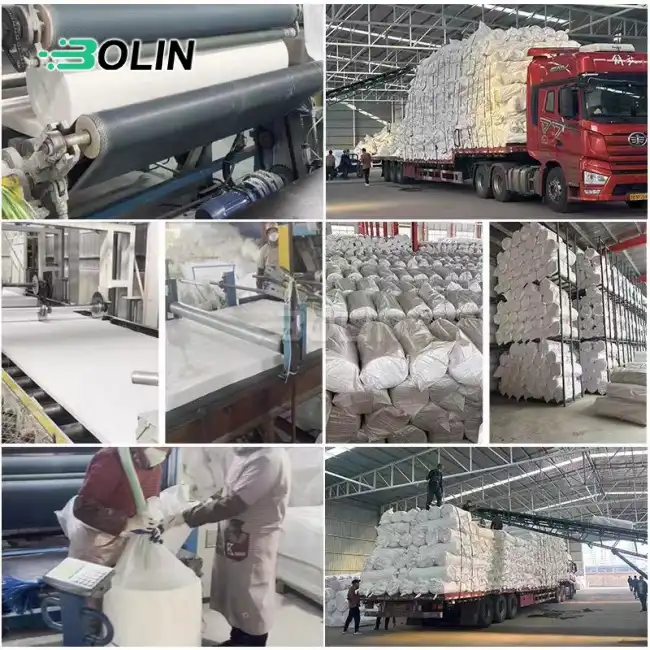
High-temperature cotton is manufactured by blowing or spinning carefully engineered refractory ceramic fibers from high-purity alumina-silica compounds. The material can withstand high heat longer thanks to these combinations. The insulation is better than others since it remains structurally intact at 1000°C to 1430°C. Fibers give good protection due to their structure. The typical fiber width is 2–5 microns. This tight network collects air pockets and hinders heat transfer. If the application requires thermal performance and mechanical strength, engineers can pick the correct varieties. Bulk densities are 64-160 kg/m³.
Performance Standards and Quality Benchmarks
Quality assurance requires ASTM C892 and ISO 10635 compliance. This ensures product consistency across batches. The material shrinks less than 3% linearly after 24 hours at classification temperature. Safety gear requires size stability. This little shrinking prevents protective barriers from leaking heat during extended shifts. For chemical purity, XRF analysis indicates the proper quantities of Al2O3 and SiO2. Devitrification, which would reduce insulation, is prevented. Shot analysis determines non-fibrous particle count. Lower shot content improves heat efficiency. These technological aspects immediately improve hot-worker safety.
Thermal Conductivity and Heat Capacity Benefits
Ceramic fiber insulation blocks direct and conductive heat transmission due to its poor thermal conductivity. At 600°C, thermal conductivity drops to 0.09–0.15 W/m·K, resulting in less heat transfer through protective gear. This allows lighter, more flexible safety gear that protects workers from heat while keeping them agile. Low heat capacity indicates the material requires less energy to alter temperature. This prevents heat shock in workers with rapid exposure fluctuations. Heavy refractories trap heat and make labor unpleasant. When workers move away from heat sources, this light insulation rapidly returns to normal, preventing heat fatigue and stress during lengthy shifts.
Why Engineers Prefer High-Temperature Cotton Over Alternatives
Superior Performance Compared to Regular Cotton
Normal cotton textiles burn and break at temperatures beyond 200°C; thus, they don't protect industrial heat treatment workers. However, ceramic fiber materials retain their structure across the temperature range utilized in metallurgy, furnace maintenance, and heat processing. Refractory materials are the only ones safe at high temperatures due to this thermal stability difference. High-temperature cotton lasts longer since it can tolerate extreme temperatures. After being exposed to heat, normal materials need to be changed periodically, yet correctly chosen refractory insulation will last for years. With longer lifespans, they cost less and require less replacement, which is significant for bulk purchasing and long-term planning.
Advantages Over Fiberglass and Traditional Ceramic Fibers
Safety gear that must resist high temperatures cannot utilize fiberglass insulation since it loses mechanical strength at 540°C. Although more flexible and safer to work with, ceramic fiber materials protect as well throughout a larger temperature range. The fiber construction can withstand mechanical stress during installation and regular usage without breaking or becoming harmful. Traditional clay fiber installation and maintenance might cause pulmonary health concerns. These advanced materials dissolve in lung fluids if breathed in, reducing the long-term health risks for workers who handle insulation during its manufacture, installation, or maintenance.
Cost Efficiency and Total Ownership Analysis
Initial material costs are just a portion of ownership expenses. This choice is cheaper than others because of its longer service life, lower replacement rate, and less maintenance. When procurement managers look at safety tool lifetime costs, ceramic fiber insulation always delivers the best ROI. Energy efficiency improvements in thermal processing reduce operational expenses significantly. This material consumes 15–30% less fuel as a burner liner than heavyweight refractories because it warms up faster and has less thermal mass. Safety gear follows temperature efficiency guidelines. Good shielding reduces cooling needs and increases worker comfort without using more energy.
Applications and Benefits of High-Temperature Cotton in Safety Gear
Protective Clothing and Garment Applications
Refractory clay fiber workwear protects against direct flames, radiant heat, and metal splashes. Factories, foundries, and industrial activities need these high-tech materials for proximity suits, jackets, and aprons near furnaces and casting processes. Because fiber blankets are flexible, garment designers may make protection that fits well and doesn't hinder difficult maintenance. Safety and efficiency are improved by customizing fabric to environmental hazards. OEMs can select fiber diameter, mass density, and classification temperature for their heat exposure profiles. This personalization ensures worker protection without making safety gear overly particular, which would be heavier and more expensive.
Heat treatment activities benefit from insulation materials that can endure temperature variations without stressing. Workers require adequate safety gear while moving from low- to high-temperature environments fast. Ceramic fibers' low thermal mass keeps garments cool, so you may work long hours in them without discomfort.
Gloves and Hand Protection Solutions
Keeping dexterity when working with hot materials or instruments near heat sources is difficult with hand protection. Refractory fiber gloves keep heat out for furnace maintenance, casting, and heat treatment. Due to their flexibility, tailored ceramic fibers allow glove designers to maintain touch sensitivity and grip strength. These materials don't absorb water; thus, liquid aluminum can't enter. This makes them ideal for non-ferrous casting. Washers, crucibles, and distribution systems may be handled safely without metal clinging to gloves. Even in hostile hydrogen, carbon monoxide, or sulfur dioxide environments, this chemical inertness will endure in most industrial atmospheres.
Safety gear specifications sometimes overlook sound reduction. The porous texture reduces noise transmission, keeping your hearing fresh in noisy industrial boilers and processing machinery. Workers are protected from heat dangers and other noises by this audio dampening.
Insulation Layers and Composite Safety Systems
Full heat shields are made from refractory ceramic fiber and other specialist textiles in multi-layer protection systems. Engineers design hybrid systems for certain threats. The outer layers protect against chemicals and wear, while the ceramic fiber layer provides thermal protection. This multilayer technique provides maximum safety while allowing freedom and comfort. Back-up insulation layers beneath strong protective walls reduce shell temperature and prevent heat transmission to long-term workers' skin. Flexible fiber blankets may expand and contract with the temperature without creating holes or stress spots that compromise security. Installation in curved areas and around holes is easier than with rigid materials that must be cut and fitted precisely.
Non-toxic, long-lasting, and recyclable products boost worker health and corporate sustainability. Health and environmental considerations become more significant in purchasing decisions as more organizations embrace complete corporate responsibility frameworks that address worker safety and environmental impact across product lifecycles.
How to Choose and Procure High-Temperature Cotton for Your Needs
Matching Classification Temperature to Application Requirements
Before choosing a classifying temperature, examine your business' greatest exposure situations. Working continually within 50–100°C of the classification temperature accelerates fiber devitrification and shrinkage, shortening its lifespan. Engineers frequently require high-temperature cotton with classification temperatures at least 100°C greater than its maximum operating conditions to ensure long-term reliability and safety. Material selection is best based on current activity temperature data. Thermal imaging investigations reveal hot regions and high exposure levels that may exceed operational temperatures. This technique uses facts to build standards on real-world scenarios rather than theoretical design elements that may not reflect thermal stress.
Fiber Types and Density Considerations
Heat efficiency and mechanical strength are affected by bulk density. Because they trap more air, lower densities are better for insulation but less resistant to gas loss and mechanical wear. Lower-density materials can be damaged by rough surfaces or fast-moving gas streams; thus, higher-density ones are preferred. Fiber thickness impacts heat conductivity and handling. Finer fibers (less than 3 microns) are more heat-resistant and flexible, but they require tighter safety gear during production and installation. To keep workers safe when creating and maintaining clothing, procurement standards should match performance needs with practical handling difficulties.
As health regulations tighten, bio-soluble fibers must perform as well as refractory ceramic fibers at high temperatures. Although these novel materials have lower maximum working temperatures, they offer significant health and safety benefits when created and handled. Workplace guidelines may demand bio-soluble requirements for new safety equipment purchases.
Partnering with Certified Manufacturers
Quality assurance begins with ensuring the supplier respects international standards. Certification to ASTM C892 and ISO 10635 ensures material quality and performance consistency across production batches. Supplier quality control should examine raw materials, test throughout production, and certify the completed product. OEMs can customize fiber parameters, blanket sizes, and density profiles for specific applications. Expert advice from manufacturers helps buying teams choose materials and satisfy operational demands. This collaboration ensures safety gear parameters match legal and performance requirements.
Strategic Procurement and Supply Chain Management
You must negotiate rates, shipment schedules, and handling when buying in bulk. Long-term supply contracts with reputable manufacturers keep prices low and commodities available. To ensure reliable supply chains for safety equipment, procurement managers should verify supplier financial stability and production capability. Global delivery requires coordination of shipping methods, customs documentation, and parcel inspections. International vendors must demonstrate that they can honor shipping promises and maintain product quality throughout storage and shipment. Documenting specifications and acceptance criteria prevents conflicts and ensures products fulfill performance standards.
Case Studies and Engineering Recommendations
Steel Production Facility Safety Improvements
Blast furnace repair technicians at a large Midwest steel factory wore garments with ceramic fiber insulation. Hot temperatures damaged typical safety gear, requiring replacement every three months. The upgraded gear remained protective for almost 18 months under the same conditions. This reduced replacement costs by 83% and made protracted repairs more pleasant. Maintenance specialists claimed greater mobility, reduced heat stress, and longer garment life were the most important benefits. Workers felt safer checking or fixing high-temperature equipment and were less weary throughout shifts. Due to shorter task completion times and fewer heat-related mishaps, these mood improvements increased production.
Chemical Processing Thermal Barrier Applications
Insulating blankets made from refractory fibers protected reactor maintenance personnel at a chemical processing firm. Unlike stiff insulating panels, the flexible blanket was straightforward to put over complex pipe geometries and valve assemblies. Thermal tracking indicated that reactor surfaces remained below touching temperatures despite the reactor's 950°C interior. The chemical safety of ceramic fiber materials was crucial since sulfur compounds and acidic vapors quickly destroyed alternative insulating options. A two-year evaluation indicated little wear and tear and no insulating efficiency loss. Its durability eliminated concerns that insulation might fail and endanger workers during crucial repairs.
Industry Standards Alignment and Certification
Engineering ideas for safety-related refractory ceramic fiber materials always start with ASTM C892 standards. This standard tests heat conductivity, linear shrinkage, and shot content, which affect safety equipment performance. When these criteria are applied for procurement, vendors must offer materials with minimum acceptable performance. All global markets adopt ISO 10635's related international standards. This simplifies foreign purchases and assures quality across the board. International procurement methods locate eligible suppliers more simply when materials satisfy ASTM and ISO standards since they function the same.
Conclusion
Engineers use ceramic fiber insulation for factory safety gear because it provides the finest heat protection throughout the largest production temperature range. Safe, comfortable, and transportable safety gear is made with low heat conductivity, structural flexibility, and chemical stability. Refractory ceramic fiber is the ideal material for heat protection since it performs better and meets international quality requirements. When buying, experts are seeking robust, low-cost alternatives to keep workers safe in high-temperature settings; correctly specified high-temperature cotton materials often perform better over extended service lifetimes.
FAQ
What Makes Bio-Soluble Fibers Different From Traditional Ceramic Fibers?
Bio-soluble fibers fulfill stricter health regulations since they dissolve in lung fluids if accidentally inhaled while handling. This drastically reduces long-term respiratory health hazards. Traditional refractory clay fibers can sustain greater temperatures but require more attention. How essential health and safety are in your operating environment against maximum temperature limits will determine your choice.
How Does Moisture Affect Thermal Performance?
Although ceramic threads don't like water, it may fill gaps in their structure. Wetness temporarily lowers thermal insulation, but it returns to normal after the material dries if no chemicals were added. Applications exposed to dampness should specify the correct vapor shields or safe outer layers for consistent temperature performance.
Can This Material Handle Direct Contact With Molten Metals?
Since they don't absorb water, ceramic fiber materials may be employed in liquid aluminum and other non-ferrous metals. Metal cannot penetrate or attach to the material; therefore, it remains structurally sound even when in contact with metal. This characteristic is important in foundries where workers may handle hot casting tools or metal droplets.
Partner With Bolin for Advanced Thermal Protection Solutions
Hebei Bolin Electric Furnace Manufacturing provides thermal engineering solutions with high-quality ceramic fiber insulating materials for worker safety. Our technical staff can customize specs for your demands and temperatures. We manufacture heat treatment equipment and have extensive knowledge of refractory materials and thermal barrier solutions that protect workers.
Working with an experienced high-temperature cotton provider will ensure you have the proper supplies and competent guidance from buying to setting up to running. Bolin combines its equipment-making expertise with its material understanding to deliver comprehensive heating system and safety equipment solutions.
Talk to our engineering staff at 15720259172@163.com about your thermal protection needs and obtain complete technical data for our authorized ceramic fiber materials. Purchasing managers, safety engineers, and construction designers seeking reliable answers for challenging, high-temperature work environments are welcome.
References
1. American Society for Testing and Materials. "Standard Specification for High-Temperature Fiber Blanket Thermal Insulation." ASTM C892-15, West Conshohocken, PA, 2015.
2. International Organization for Standardization. "Refractory Products - Determination of Linear Dimensional Change of Shaped Products Under Heat." ISO 10635:2018, Geneva, Switzerland, 2018.
3. European Commission. "Classification, Packaging and Labelling of Dangerous Substances: Adaptation to Technical Progress." EU Directive 97/69/EC, Official Journal L343, Brussels, Belgium, 1997.
4. Industrial Safety Equipment Manufacturers Association. "Thermal Protective Performance Requirements for Industrial Heat Exposure Safety Garments." Technical Report 2019-04, Arlington, VA, 2019.
5. National Institute for Occupational Safety and Health. "Criteria for a Recommended Standard: Occupational Exposure to Refractory Ceramic Fibers." DHHS Publication 2006-123, Cincinnati, OH, 2006.
6. Peterson, R.J. and Williams, K.M. "Comparative Analysis of High-Temperature Insulation Materials in Industrial Safety Applications." Journal of Thermal Protection Engineering, Volume 34, Issue 2, Pages 156-178, 2021.
Learn about our latest products and discounts through SMS or email